Are you wondering if it’s okay to feed your puppy adult dog food? It’s a common question that many new dog owners face.
You want to make sure your puppy grows up healthy and strong, but with so many food options out there, it’s easy to feel confused. What you feed your puppy now can affect their development, energy levels, and overall health.
Keep reading to find out why choosing the right food matters and what you should know before making this important decision for your furry friend.
Credit: www.purina.com
Puppy Vs Adult Dog Food
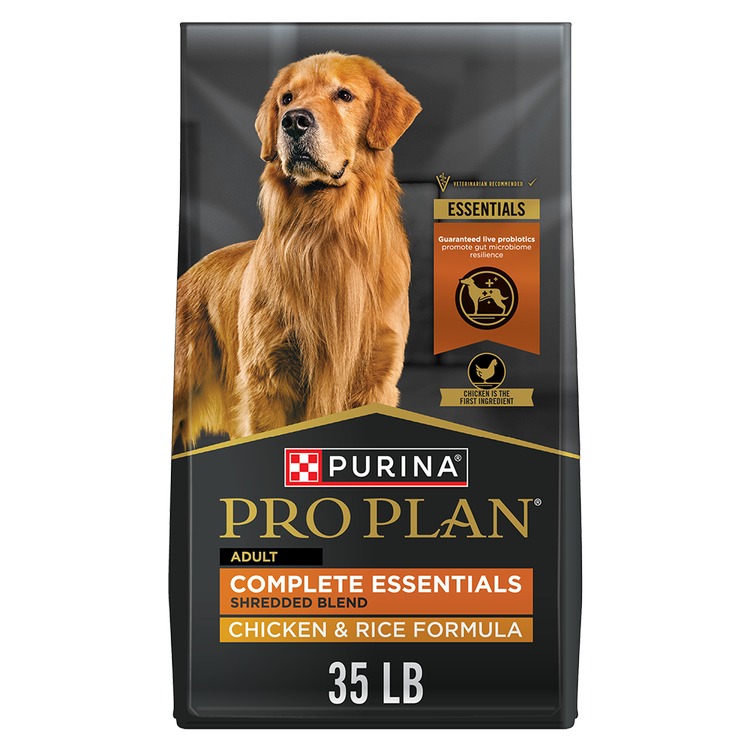
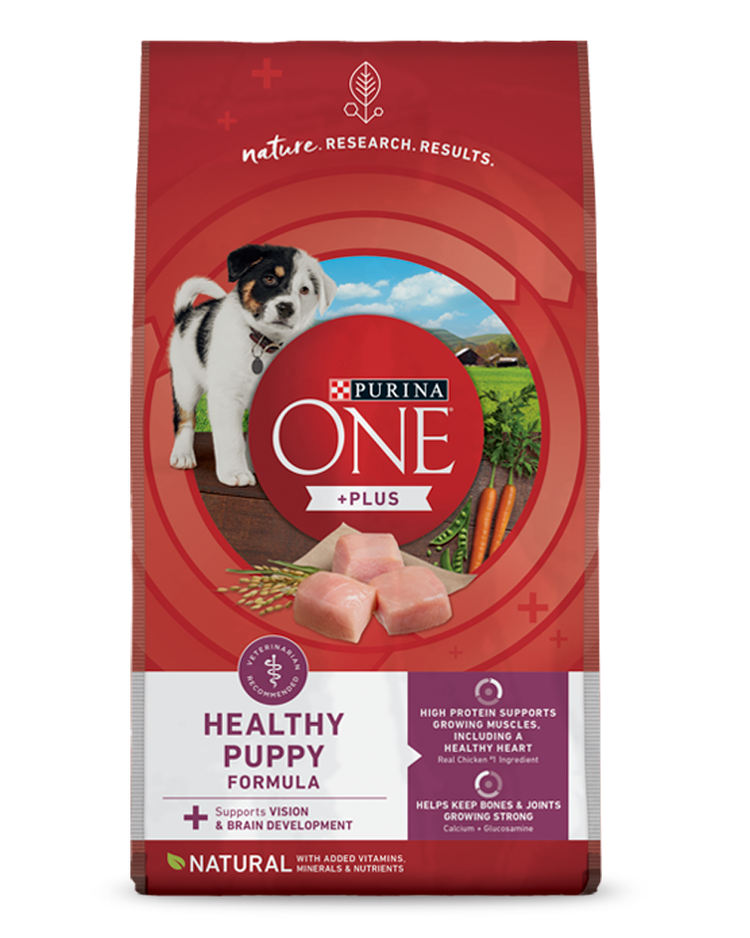
Puppy food and adult dog food are not the same. Puppies grow fast and need special nutrition. Adult dogs need different nutrients to stay healthy. Feeding the right food helps your puppy grow strong and healthy. Understanding the differences helps you choose the best food for your pet.
Nutritional Differences
Puppy food has more vitamins and minerals. It supports bone and muscle growth. Adult dog food focuses on maintaining health. It has nutrients to support normal activity and weight.
Calorie And Protein Needs
Puppies need more calories to fuel their energy. They require higher protein for muscle development. Adult dogs need fewer calories to avoid weight gain. Their protein needs are lower for maintenance.
Growth And Development Requirements
Puppies need nutrients for brain and organ development. Calcium and phosphorus are important for strong bones. Adult dogs need balanced nutrients to support their bodies. Their growth is complete, so needs change.
Credit: www.purina.com
Risks Of Feeding Adult Food To Puppies
Feeding adult dog food to puppies can cause several problems. Puppies have special needs that adult food does not meet. Their growing bodies require specific nutrients. Without these, puppies may face health challenges now and later.
Nutrient Deficiencies
Adult dog food often lacks enough protein and fat for puppies. These nutrients are vital for muscle and brain growth. Vitamins and minerals in adult food may not support a puppy’s rapid development. Deficiencies can slow growth and weaken the immune system. Puppies need balanced nutrition to build strong bones and organs.
Digestive Issues
Puppies have sensitive stomachs that need gentle food. Adult dog food can be harder to digest. It may cause upset stomachs, diarrhea, or constipation. This discomfort can make puppies eat less and lose energy. Feeding the wrong food disrupts their natural digestion process. Puppies thrive on diets designed to support their digestive health.
Long-term Health Effects
Feeding adult food early can lead to lasting harm. Poor nutrition may cause joint problems and weak bones. It can also affect a puppy’s weight, causing obesity or malnutrition. Long-term effects include reduced energy and poor coat health. Proper puppy food helps avoid these risks and supports a healthy future.
When Adult Food Might Be Suitable
Feeding your puppy adult dog food can be a confusing decision. Puppies have unique nutritional needs. Yet, there are times when adult food might be suitable. Understanding these moments is crucial for your puppy’s health. Let’s explore when adult food can be appropriate.
Transitioning Phases
Puppies grow quickly and their needs change. At certain stages, transitioning to adult food becomes necessary. This usually happens when they reach a specific size or age. Large breed puppies might need adult food sooner. Their growth phase differs from smaller breeds.
Veterinarian Recommendations
Consulting your vet is essential. They know your puppy’s specific needs. A vet might suggest adult food if your puppy is overweight. Or if they have a unique health condition. Expert advice ensures you make informed decisions.
Special Dietary Needs
Some puppies have special dietary requirements. Allergies or sensitivities might require a shift to adult food. In these cases, adult food can offer suitable nutrients. Always check labels for ingredients that suit your puppy’s needs.
Choosing The Right Puppy Food
Choosing the right food for your puppy is more important than you might think. Puppies have unique nutritional needs that adult dogs don’t share. Feeding your puppy adult dog food can slow their growth or cause health issues, so understanding what to look for in puppy food helps you make the best choice for your furry friend’s health and happiness.
Key Ingredients To Look For
Look for foods rich in protein because puppies need it to build strong muscles and tissues. Healthy fats are just as important—they give puppies the energy to play and learn all day long. Calcium and phosphorus support proper bone growth, so check that these minerals are included in the right amounts.
Think about ingredients like DHA, an omega-3 fatty acid that supports brain development. Avoid foods with fillers such as corn or soy that add little nutritional value. You want your puppy’s food to be packed with nutrients, not empty calories.
Reading Labels
Reading pet food labels can feel overwhelming, but it’s your best tool to understand what you’re feeding your puppy. Start by checking the guaranteed analysis for protein, fat, fiber, and moisture content. This tells you the quality and balance of nutrients.
Next, look at the ingredient list—ingredients are listed by weight, so the first few are the most important. Watch for named meat sources like “chicken” or “beef” instead of vague terms like “meat meal.” Also, see if the food meets AAFCO standards, which means it’s nutritionally complete for puppies.
Recommended Brands
Brands like Blue Buffalo, Wellness, and Hill’s Science Diet have formulas specially made for puppies. These brands invest in research and quality control to ensure your puppy gets balanced nutrition. I’ve seen great results with Wellness Complete Health Puppy Formula—it kept my pup energetic and healthy through all growth stages.
Don’t hesitate to ask your vet for brand recommendations based on your puppy’s breed and health. Sometimes, premium brands can be more expensive but prevent costly health problems later. You’re investing in your puppy’s future, and good food is a big part of that.
Tips For Feeding Puppies
Feeding puppies requires more than just picking the right food. It’s about timing, quantity, and careful observation to help your puppy grow strong and healthy. The way you feed your puppy now can shape their eating habits and overall well-being for life.
Feeding Schedule
Puppies need a consistent feeding schedule to support their rapid growth. Usually, feeding three to four times a day works best for puppies under six months. You might notice your puppy getting restless or hungry at certain times—stick to those times to build a routine.
Try to feed your puppy at the same times every day. This helps regulate their digestion and energy levels. Have you noticed how your puppy’s mood changes around mealtime? Regularity can make a big difference.
Portion Control
Overfeeding can be as harmful as underfeeding. Use the feeding guidelines on the puppy food package as a starting point, but adjust based on your puppy’s activity level and growth. Measuring portions with a cup or scale keeps you accurate.
Remember, your puppy’s stomach is small but their energy needs are high. Feeding the right amount avoids issues like obesity or nutrient deficiencies. Have you ever been surprised by how much (or little) your puppy actually needs?
Monitoring Growth And Health
Keep an eye on your puppy’s weight and body condition weekly. A healthy puppy should have a visible waist and you should be able to feel their ribs without pressing hard. If you notice sudden weight gain or loss, it’s time to consult your vet.
Behavior and coat quality also tell you a lot about their health. Is your puppy playful and alert? Is their coat shiny or dull? Tracking these signs helps catch problems early and keeps your puppy thriving.

Credit: www.houndsy.com
Frequently Asked Questions
Can Puppies Eat Adult Dog Food Safely?
Puppies need more nutrients than adult dogs. Adult dog food lacks essential nutrients like DHA and higher protein levels needed for growth. Feeding adult food to puppies may stunt their development and affect their health. Always choose puppy-specific food for balanced nutrition.
What Happens If My Puppy Eats Adult Dog Food?
If a puppy eats adult dog food occasionally, it might be fine. But regular feeding can cause nutrient deficiencies and poor growth. Puppies require specific vitamins and minerals that adult food doesn’t provide. It’s best to avoid feeding adult food to puppies long-term.
When Should I Switch My Puppy To Adult Dog Food?
Switch to adult dog food when your puppy reaches about 12 months old. Large breeds might need longer, around 18-24 months. Consult your vet to determine the right time based on your puppy’s breed, size, and health. Proper timing ensures balanced nutrition.
Can Adult Dog Food Cause Digestive Issues In Puppies?
Yes, adult dog food can cause digestive upset in puppies. It may have different fat and fiber content unsuitable for sensitive puppy stomachs. This can lead to diarrhea, constipation, or vomiting. Feeding puppy-specific food helps maintain healthy digestion during growth.
Conclusion
Feeding your puppy adult dog food is not ideal for growth. Puppies need special nutrients to develop strong bones and muscles. Adult food may lack these important elements. It can also cause digestion problems or nutrient gaps. Always choose food made for puppies to support their health.
A healthy diet helps your puppy grow happy and strong. Consult your vet for the best feeding plan. Your puppy deserves the right food for a bright future. Keep their needs in mind for long-term wellness.