Are you wondering when your playful puppy is ready to switch to adult dog food? Choosing the right time to make this change is important for your dog’s health and happiness.
Feeding your puppy the wrong food can affect their growth and energy. You’ll discover the best age to start adult dog food, how to make the switch smoothly, and what signs to watch for. Keep reading to ensure your furry friend gets the nutrition they need at every stage of life.
When To Switch
Knowing the right time to switch your puppy from puppy food to adult dog food is important. This change supports healthy growth and proper nutrition. Switching too early or too late can affect your dog’s health. Understanding key factors helps make the transition smooth and safe.
Age Guidelines
Most puppies switch to adult food between 9 and 12 months old. Small breeds often switch closer to 9 months. Larger breeds may need puppy food longer, up to 18 months. Age is a general guide. Each dog may vary.
Breed Considerations
Small breeds grow faster and mature sooner. Large breeds take longer to reach adulthood. Giant breeds may need puppy food for over a year. Breed size affects nutrient needs and timing of the switch.
Signs Your Puppy Is Ready
- Stops growing rapidly
- Body shape becomes more adult-like
- Less active and calmer behavior
- Vet confirms healthy development
Watch for these signs to know the right time. Talk to your vet before switching food.
Credit: www.thinkjinx.com
Choosing The Right Food
Choosing the right food for your puppy as it transitions to adult dog food is crucial for its health and growth. This change isn’t just about switching bags of kibble; it requires understanding what your dog needs at this new stage of life. Getting the right balance can help your dog stay energetic and avoid nutritional gaps.
Nutritional Differences
Puppies need more calories, protein, and fat to support their rapid growth. Adult dog food usually has fewer calories and less fat to prevent weight gain once growth slows down.
Look for adult dog food that still meets your dog’s energy level and breed size. Small breeds may need different nutrient ratios compared to larger breeds.
Reading Labels
Check the ingredients list carefully. The first few ingredients should be high-quality protein sources like chicken, beef, or fish.
Also, look for foods labeled “complete and balanced” by organizations such as AAFCO. This ensures the food meets minimum nutrient requirements for adult dogs.
- Avoid foods with excessive fillers like corn or wheat.
- Check for added vitamins and minerals like calcium and omega fatty acids.
- Be cautious of artificial colors or preservatives.
Consulting Your Vet
Your vet knows your dog’s health history and can recommend the best food options. They can help you decide the right time to switch and which formulas suit your dog’s breed, size, and any health concerns.
Ask your vet about special dietary needs such as allergies or sensitivities. Sometimes a gradual food change guided by your vet avoids digestive upset.
Have you discussed your dog’s diet with a professional before making changes? Their advice could save you from costly mistakes.
Transition Process
Gradually mix adult dog food with your puppy’s current diet over 7-10 days. This helps their stomach adjust without causing upset. Watch for any signs of discomfort during the change.
Transitioning your puppy to adult dog food is a critical step in their development. It’s not just about changing their diet; it’s about ensuring they receive the right nutrients as they grow. The process should be gradual and closely monitored to avoid digestive issues and ensure your furry friend is happy and healthy.Gradual Mixing Method
Start by mixing a small amount of adult dog food with your puppy’s current food. A good rule of thumb is a 25% adult food to 75% puppy food ratio. Gradually increase the proportion of adult food over a week or two. Sudden changes in diet can upset your puppy’s stomach. By slowly introducing the new food, you allow their digestive system to adjust. This method also helps identify any potential allergies or sensitivities to the new food.Monitoring Appetite
Keep a close eye on your puppy’s eating habits during the transition. Are they finishing their meals? Do they seem excited about mealtime? A decrease in appetite might indicate the transition is too fast or the new food doesn’t suit them. Trust your instincts; if something feels off, consider consulting a vet for advice.Adjusting Portions
As your puppy grows, their nutritional needs change. Adult dog food is denser, so portion sizes might need adjusting. Use the feeding guidelines on the food package as a baseline. However, each dog is unique, so observe your puppy’s weight and energy levels. Are they maintaining a healthy weight? Are they still full of energy? Adjust accordingly to keep them thriving.
Credit: us.eukanuba.com
Common Challenges
Switching a puppy to adult dog food brings several common challenges. These challenges can affect your dog’s health and eating habits. Understanding them helps you manage the transition smoothly. Watch closely for signs of discomfort or changes in behavior. Early detection prevents serious problems and keeps your dog healthy.
Digestive Issues
Puppies have sensitive stomachs that adapt slowly to new food. Sudden changes can cause diarrhea, vomiting, or gas. These symptoms show the digestive system is struggling. Gradual food changes over 7 to 10 days reduce this risk. Mixing old and new food in small amounts helps the stomach adjust.
Food Refusal
Some puppies refuse adult dog food due to taste or texture differences. The new food may seem less appealing than puppy food. This refusal can cause worry, but patience is key. Try warming the food slightly or adding a small topping to entice eating. Keep meal times consistent and avoid giving treats as a substitute.
Allergic Reactions
Allergic reactions to adult dog food ingredients are possible. Signs include itching, redness, swelling, or ear infections. Monitor your dog closely after the switch. If you notice any of these symptoms, consult a vet immediately. Switching to a hypoallergenic or limited ingredient diet may be necessary for sensitive dogs.
Maintaining Health
Maintaining your puppy’s health as they transition to adult dog food is crucial for their growth and well-being. This phase requires more than just changing their diet; it demands careful attention to their overall condition. By keeping a close eye on key health indicators, you can help your dog adapt smoothly and stay vibrant.
Regular Vet Checkups
Scheduling frequent vet visits helps catch any health issues early. Your vet can assess how well your puppy is adjusting to adult food and suggest changes if needed. Don’t wait for signs of illness—regular checkups keep your dog’s health on track.
Tracking Weight
Keeping a close watch on your dog’s weight is essential during this transition. Sudden gains or losses could signal that the new diet isn’t the right fit. Use a simple chart or app to log their weight weekly and spot trends before they become problems.
Exercise And Hydration
Exercise supports healthy digestion and weight management as your dog adapts to new food. Make sure your dog gets daily walks or playtime suited to their energy level. Don’t overlook water—fresh, clean water should always be available to keep them hydrated and comfortable.
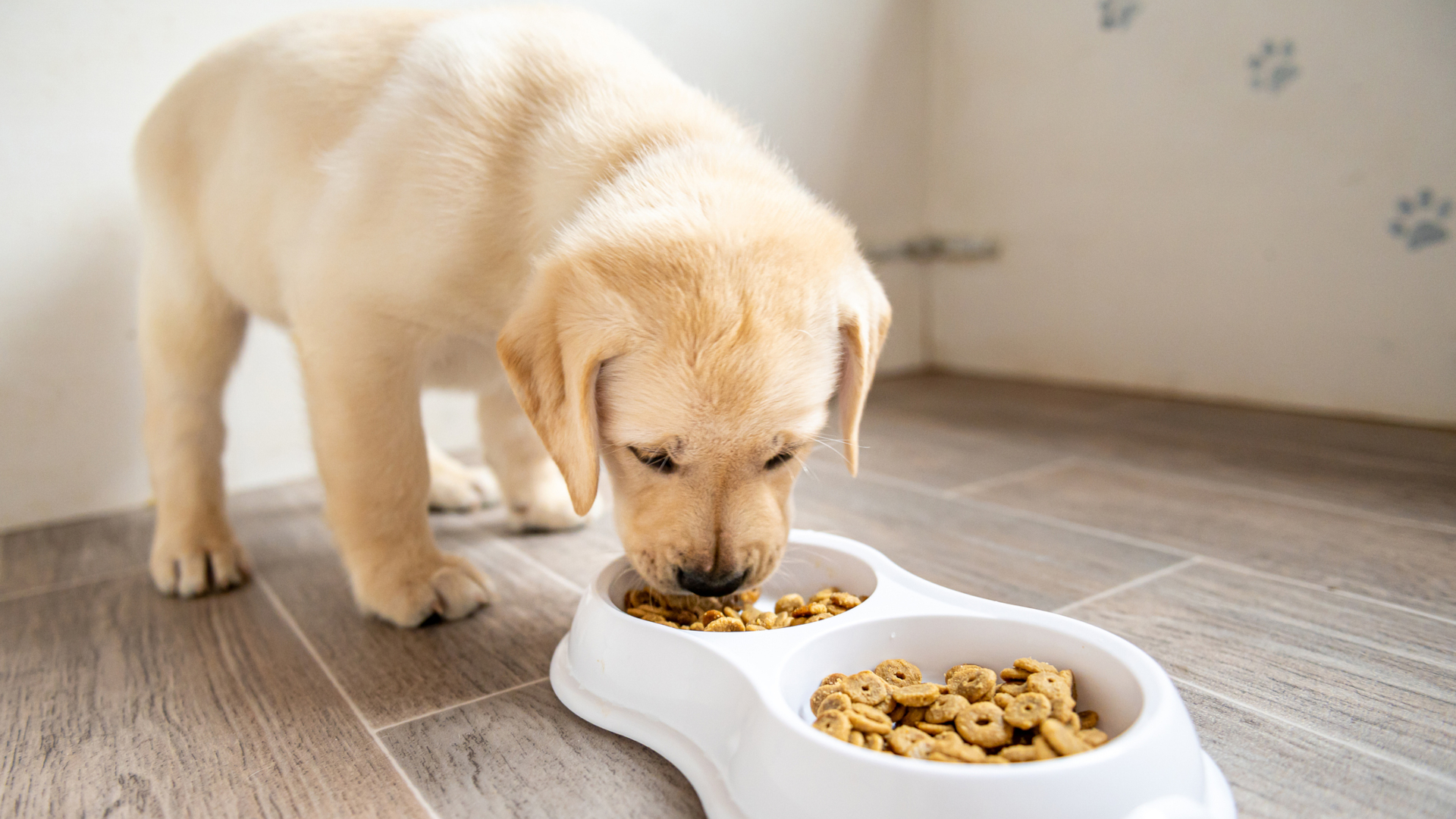
Credit: www.petsradar.com
Frequently Asked Questions
When Should A Puppy Start Eating Adult Dog Food?
Puppies generally switch to adult dog food between 9 to 12 months. Large breeds may transition later, around 12 to 18 months. This timing supports their growth and nutritional needs.
How To Transition Puppy To Adult Dog Food Smoothly?
Mix adult food gradually with puppy food over 7 to 10 days. Increase adult food portion daily to avoid digestive issues and ensure a smooth change.
Why Switch From Puppy To Adult Dog Food?
Adult dog food has balanced nutrients for maintenance, not growth. Switching supports healthy weight, energy, and overall health as your dog matures.
Can Feeding Adult Dog Food Too Early Harm Puppies?
Yes, feeding adult food too early can lack essential nutrients puppies need. It may slow growth and affect development, so timing is crucial.
Conclusion
Switching a puppy to adult dog food takes care and timing. Most puppies start the change around one year old. Watch your dog’s size, breed, and health for clues. Gradually mix adult food with puppy food over days. This helps avoid stomach upset.
Feeding the right food supports your dog’s growth and energy. Keep an eye on how your dog reacts to the new food. Consult your vet if unsure about the switch. A smooth change means a happy and healthy dog. Simple steps lead to lasting benefits for your pet.