
Are you wondering what raw food for your dog really means? You might have heard about raw diets and felt curious or even a bit confused.
Feeding your furry friend raw food isn’t just about skipping the kibble—it’s about understanding what goes into their bowl and how it affects their health. Imagine giving your dog meals that are closer to what nature intended, packed with fresh nutrients and free from unnecessary additives.
If you want to know how raw food can change your dog’s life, keep reading. This guide will clear up the mystery and help you make the best choice for your loyal companion.

Credit: thepetgal.com
Raw Food Basics
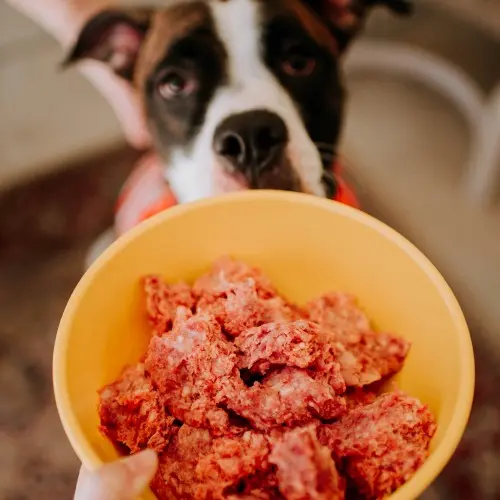
Feeding your dog raw food means offering meals that are as close to their natural diet as possible. This approach focuses on fresh, uncooked ingredients, which some owners believe support better health and digestion. Understanding the basics helps you decide if this diet suits your dog’s needs and lifestyle.
Types Of Raw Diets
Raw diets come in several forms, each with its own balance of ingredients:
- Prey Model Diet:Mimics what wild dogs eat, with a focus on whole animals or parts like muscle, organs, and bones.
- Biologically Appropriate Raw Food (BARF):Includes raw meat, bones, organs, plus some fruits, vegetables, and supplements.
- Commercial Raw Diets:Ready-made raw meals that are frozen or freeze-dried for convenience.
Choosing the right type depends on how much time you have and how involved you want to be in meal prep.
Common Ingredients
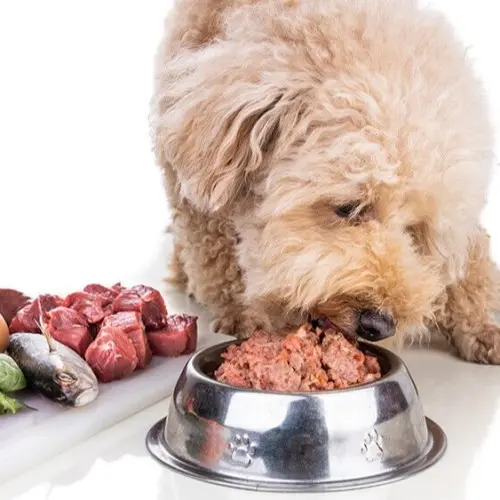
Raw dog food usually contains a mix of these key components:
- Muscle Meat:Beef, chicken, turkey, lamb, or fish provide essential protein.
- Raw Bones:Help with calcium and dental health, but must be safe and appropriate in size.
- Organ Meat:Liver, kidney, and heart deliver vital nutrients and vitamins.
- Vegetables and Fruits:Carrots, spinach, apples, and berries add fiber and antioxidants.
- Supplements:Fish oil or probiotics may be included to support digestion and coat health.
Have you noticed how your dog reacts to different ingredients? Monitoring their response is key to finding the best mix.
How It Differs From Kibble
Kibble is processed and cooked, which can reduce some nutrients and add preservatives. Raw food keeps nutrients intact, offering fresher, more natural meals.
Raw diets often have higher moisture content, which supports hydration better than dry kibble. This can help dogs with urinary health or those who don’t drink enough water.
Switching to raw means more prep time and careful hygiene, but many owners find the health benefits worth the effort. Would your dog thrive with fresher, less processed food?
Credit: wefeedraw.com
Benefits For Dogs
Switching your dog to a raw food diet can bring noticeable changes to their overall well-being. Many dog owners report visible improvements that go beyond just weight or appetite. Let’s dive into some specific benefits your dog might experience when eating raw food.
Improved Digestion
Raw food is closer to what dogs naturally eat, which can make digestion easier. You might notice your dog has firmer stools and less gas. This happens because raw diets often contain fewer fillers and additives that can upset your dog’s stomach.
Have you ever seen your dog struggle with bloating or irregular bowel movements? Switching to raw could help reduce these issues by providing natural enzymes and nutrients that aid digestion.
Healthier Coat And Skin
Many pet owners see their dog’s fur become shinier and softer after switching to raw food. This diet is rich in essential fatty acids like Omega-3 and Omega-6, which support skin health. Dry, flaky skin often improves, and shedding may decrease.
Think about how often you’ve had to deal with dandruff or itchy spots on your dog. Raw food can help tackle these problems by nourishing your dog from the inside out.
Increased Energy Levels
Dogs on raw diets frequently show more vitality and playfulness. The natural proteins and fats provide steady energy without the sugar spikes found in some processed foods. You might see your dog staying active longer during walks or playtime.
Have you noticed your dog lagging or seeming tired? Adjusting their diet to raw food could give them that extra boost needed for a happier, more energetic life.
Better Dental Health
Raw diets often include raw meaty bones, which help clean your dog’s teeth naturally. Chewing on these bones can reduce plaque and tartar buildup, leading to fresher breath and healthier gums. This can lower the chance of dental diseases that cause pain and costly vet visits.
When was the last time you checked your dog’s teeth? Offering raw food with bones might save you time and money on dental care while keeping your dog comfortable.
Potential Risks
Feeding your dog a raw food diet can seem appealing. It promises better health and a shiny coat. But, there are potential risks involved. These risks need careful consideration to keep your pet safe and healthy.
Bacterial Contamination
Raw food may harbor harmful bacteria. Salmonella and E. coli are common culprits. These can cause serious illness in dogs and humans. Proper handling and hygiene are essential. Wash your hands thoroughly after touching raw food. Clean surfaces and utensils to prevent contamination.
Nutritional Imbalances
A raw diet might lack essential nutrients. Dogs need a balanced diet for optimal health. Missing nutrients can lead to health problems. Consulting a vet is important. They can help you create a balanced raw diet plan.
Safety Precautions
Ensure the safety of your dog’s raw diet. Source ingredients from reputable suppliers. Store raw food properly to maintain freshness. Keep it in the refrigerator or freezer. Thaw frozen food safely in the fridge. Avoid leaving raw food out for long periods.

Credit: www.houndsy.com
Transitioning To Raw Food
Transitioning your dog to a raw food diet requires care and patience. Sudden changes can upset your dog’s stomach. Gradual shifts help your dog adjust comfortably. This process supports better digestion and nutrient absorption.
Step-by-step Process
- Start by mixing a small amount of raw food with their current diet.
- Gradually increase the raw portion over 7 to 10 days.
- Observe your dog’s appetite and stool quality daily.
- Offer fresh water at all times to aid digestion.
- Introduce new raw ingredients one at a time.
Monitoring Your Dog’s Response
Watch for changes in energy, coat, and bathroom habits. A healthy response shows firm, regular stools and bright eyes. Loose stools or vomiting may signal a need to slow down. Monitor for signs of allergies or food intolerance. Keep a journal to track progress and reactions.
Adjusting Portions And Ingredients
Portion size depends on your dog’s weight, age, and activity. Adjust amounts based on weight changes and energy levels. Rotate ingredients to provide balanced nutrition and avoid boredom. Consult your vet for specific portion guidance. Use a food scale for accurate measurements.
Homemade Vs. Commercial Raw Food
Choosing between homemade and commercial raw food for your dog can feel overwhelming. Both options offer fresh, natural nutrition but differ in preparation, convenience, and control. Understanding these differences helps you decide what suits your dog’s needs and your lifestyle best.
Pros And Cons
Homemade raw foodgives you full control over ingredients, ensuring freshness and customization to your dog’s preferences or allergies. However, it demands time, effort, and knowledge to balance nutrients properly.
Commercial raw foodprovides convenience with pre-packaged, ready-to-serve meals formulated by experts. Yet, you may face concerns about ingredient quality or preservatives, depending on the brand.
- Homemade Pros:Customizable, fresh, no additives
- Homemade Cons:Time-consuming, risk of imbalance
- Commercial Pros:Convenient, nutritionally balanced, consistent
- Commercial Cons:Costly, possible fillers, less control
Quality Control
When you prepare raw food at home, you decide what goes into your dog’s bowl, from organic veggies to grass-fed meats. This means you can avoid harmful additives or low-grade ingredients easily.
Commercial options rely on suppliers and manufacturing standards. Some brands offer transparency with ingredient sourcing and testing, but others may not. Do you check labels thoroughly? That’s crucial to ensure safety and quality.
Cost Considerations
Making raw food yourself often lowers the cost per meal, especially if you buy ingredients in bulk or use local sources. But you must factor in your time and effort as part of the “cost.”
Commercial raw foods tend to be pricier due to packaging, processing, and distribution. Yet, they save you time and reduce the risk of nutritional mistakes, which might be worth the extra dollars.
What matters most to you—time, money, or control? Your answer shapes the best raw food choice for your dog.
Essential Supplements
Feeding your dog raw food can be rewarding, but it demands careful attention to essential supplements. Raw diets may lack certain nutrients that your dog needs to stay healthy and active. Adding the right supplements ensures a balanced diet that supports their overall well-being.
Vitamins And Minerals
Raw food alone often misses key vitamins and minerals. Dogs need calcium, phosphorus, zinc, and vitamins A, D, and E to maintain strong bones, healthy skin, and a robust immune system.
Adding crushed eggshells or bone meal can help boost calcium levels. You might also want to include fish oil for omega-3 fatty acids, which promote a shiny coat and reduce inflammation.
Balancing Nutrients
Too much of one nutrient can cause problems, just like too little can. Balancing protein, fat, and carbohydrates is crucial to avoid nutrient imbalances that affect your dog’s energy and health.
Try keeping a food diary to track what your dog eats and spot any gaps. Supplements like taurine or glucosamine can support heart health and joints, especially in active or aging dogs.
Consulting A Veterinarian
Have you ever wondered if your dog’s raw diet is truly complete? A vet can help you customize supplements based on your dog’s breed, age, and health needs.
They can also recommend blood tests to check for deficiencies and guide you on the right dosage. Don’t guess when it comes to your dog’s nutrition—professional advice can make all the difference.
Common Myths
Many dog owners hear about raw food diets and feel unsure. Myths spread quickly, causing confusion. Some believe raw food is dangerous or too costly. Others think every dog should eat raw. Let’s clear up these common myths and see the truth.
Raw Food Is Unsafe
People worry about bacteria in raw meat. This fear is common but not always true. Safe handling and fresh ingredients reduce risks. Many raw diets include balanced nutrients. Dogs have stronger stomach acids than humans. This helps them handle bacteria better.
Proper hygiene and good quality meat make raw food safe. Many vets support raw diets if done correctly. It is not about fear but about care.
It’s Too Expensive
Raw food can seem costly at first glance. But costs vary widely based on ingredients and sources. Buying in bulk lowers prices. Homemade raw meals often cost less than premium dog food.
Feeding raw might save money on vet bills. Healthier dogs may need fewer treatments. It is an investment in your dog’s well-being.
All Dogs Thrive On Raw Diets
Not every dog reacts well to raw food. Some dogs have allergies or health issues. Puppies, seniors, or dogs with weak immune systems need special care.
Consult a vet before switching diets. Watch your dog’s response closely. Adjust diet choices to fit your dog’s needs. One size does not fit all.
Frequently Asked Questions
What Does Raw Food For Dogs Include?
Raw food for dogs typically includes uncooked meat, bones, organs, and sometimes vegetables. It mimics their natural diet.
Is Raw Food Healthy For Dogs?
Yes, raw food can be healthy if balanced properly. It may improve digestion, coat shine, and energy levels.
How Do I Start Feeding My Dog Raw Food?
Transition gradually by mixing raw food with current meals. Monitor your dog’s health and consult a veterinarian for guidance.
Are There Risks With Feeding Raw Food To Dogs?
Raw food carries risks like bacterial contamination. Proper hygiene and sourcing from trusted suppliers reduce these risks.
Conclusion
Feeding your dog raw food means giving fresh, natural ingredients. This can include raw meat, bones, and vegetables. Many dog owners believe raw food helps improve health and energy. It’s important to prepare meals safely to avoid germs. Always check with a vet before changing your dog’s diet.
Raw food is not for every dog, but it can be a good choice. Understanding what raw food means helps you make better decisions. Care and knowledge go a long way in feeding your dog well.