

Have you ever wondered what sniffer dogs are really trained to smell? These incredible animals can detect things that most of us can’t even imagine.
Whether it’s finding hidden drugs, tracking missing people, or uncovering dangerous explosives, sniffer dogs use their powerful noses to keep us safe. You’ll discover exactly what these dogs are trained to sniff out and how their amazing skills work. Keep reading—you might be surprised by what your furry friend can detect!
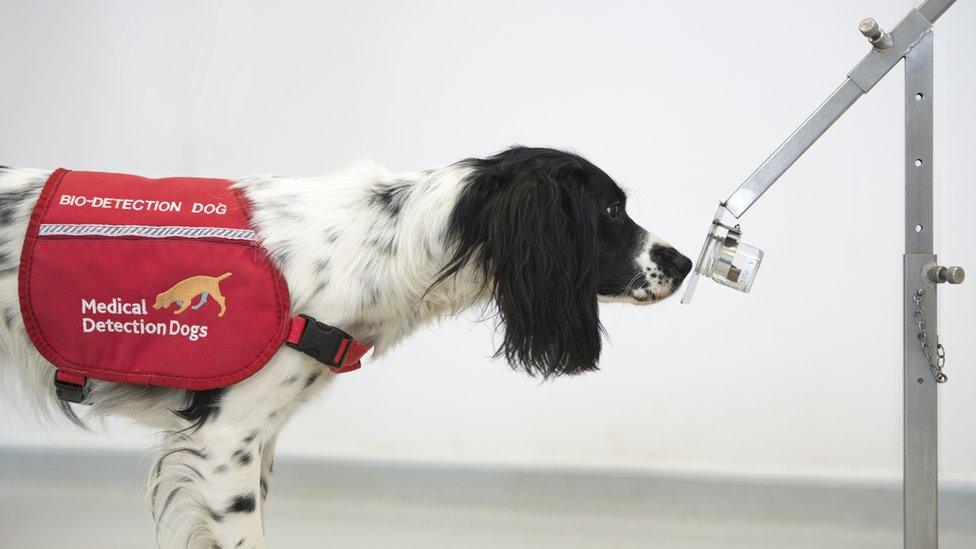
Credit: www.bbc.co.uk
Basics Of Sniffer Dog Training
Sniffer dogs undergo special training to detect specific scents. This training builds on their natural abilities. The process is gradual and requires patience. Trainers focus on enhancing the dog’s sense of smell. The goal is to make dogs reliable in finding hidden substances.
Training also involves teaching dogs to alert handlers when they find a scent. This alert is clear and consistent. The training ensures dogs can work in various environments. Each dog learns to recognize different smells based on its purpose.
How Dogs Develop Their Sense Of Smell
Dogs have up to 300 million scent receptors. Humans only have about 6 million. This gives dogs an extraordinary ability to detect odors. Their brain area for smelling is 40 times larger than humans’.
Puppies start using their noses early in life. They learn to identify familiar scents naturally. Trainers enhance this ability by exposing dogs to target odors. Repetition helps dogs remember and recognize smells clearly.
Training Techniques For Detection
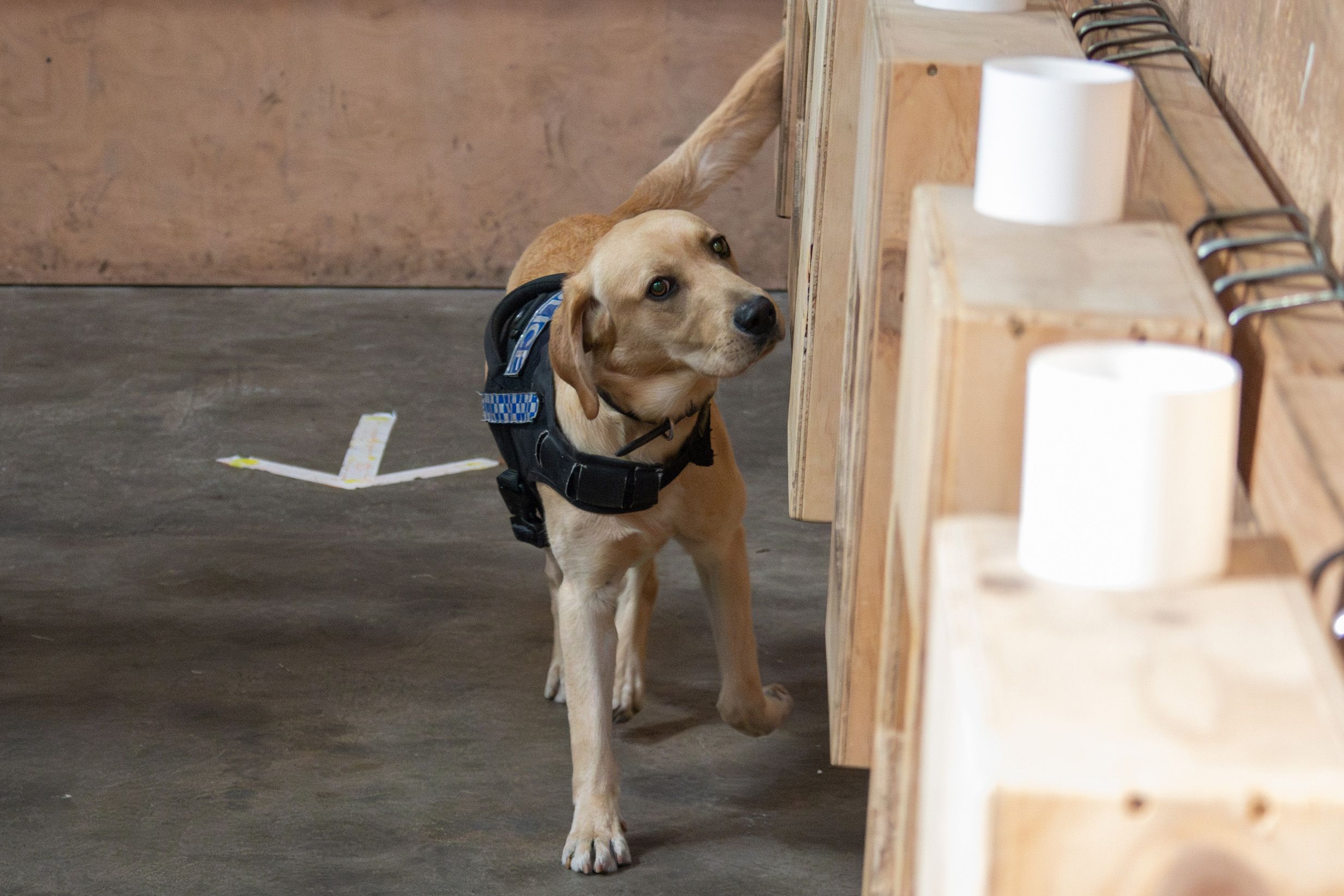
Positive reinforcement is key in sniffer dog training. Trainers reward dogs with treats or play when they find a scent. This encourages dogs to repeat the behavior.
Training sessions include:
- Introducing target smells in controlled settings
- Increasing difficulty with hidden or mixed scents
- Practicing alerts like sitting or barking when a scent is found
- Simulating real-life search conditions
Consistent practice helps dogs maintain focus and accuracy. Trainers also teach dogs to ignore distracting smells. Clear communication between dog and handler is essential for success.
Credit: www.rbnz.govt.nz
Common Scents Sniffer Dogs Detect
Sniffer dogs have an incredible ability to detect a variety of scents that are often invisible to humans. Their training focuses on identifying specific odors that can help in law enforcement, search and rescue, and security operations. Understanding the common scents these dogs are trained to detect gives you a glimpse into their vital role in keeping communities safe.
Narcotics And Illegal Drugs
Sniffer dogs are famously trained to detect the scent of narcotics such as cocaine, heroin, marijuana, and methamphetamine. Their noses can pick up even the smallest traces of these drugs, which helps authorities intercept illegal substances before they reach the streets.
Have you ever wondered how dogs can find hidden drugs in packed luggage or tightly sealed containers? Their training involves exposure to the unique smell profiles of different drugs, enabling them to alert handlers quickly and accurately.
Explosives And Weapons
Many sniffer dogs specialize in detecting explosives and the chemicals used to make bombs. This skill is crucial in preventing dangerous attacks in crowded places like airports and public events. The dogs are trained to recognize odors from materials such as TNT, dynamite, and gunpowder.
It’s surprising how dogs can differentiate between harmless objects and those containing explosive materials. Their training includes searching various environments and situations, ensuring they stay sharp and ready to respond whenever needed.
Human Scent And Tracking
Beyond detecting substances, sniffer dogs also excel in tracking human scent. This ability helps find missing persons, track suspects, and assist in rescue missions. Each person has a unique scent signature, which dogs can follow even across long distances and challenging terrains.
Imagine being lost in a dense forest—wouldn’t you want a dog that can track your scent and bring help? Their training includes honing this skill to stay focused and accurate under pressure, making them invaluable partners in emergencies.
Unusual Scents Sniffer Dogs Can Identify
Sniffer dogs amaze us with their keen sense of smell. They detect scents humans can’t even imagine. These dogs play vital roles in safety and conservation. Beyond drugs and explosives, they identify unusual scents. Their abilities extend to surprising areas that impact society.
Electronic Devices And Data Storage
Sniffer dogs detect electronic devices hidden from sight. They find phones, USB drives, and SIM cards. This skill aids in law enforcement and prison security. Detecting illicit devices prevents crimes and smuggling. Their noses are trained to recognize unique chemical compounds in electronics.
Currency And Counterfeit Money
Trained dogs can sniff out currency and counterfeit money. They identify banknotes by their distinct smell. This capability helps in financial crime investigations. Detecting counterfeit currency supports economic stability. Their accuracy in currency detection is remarkable.
Endangered Species And Wildlife Products
Sniffer dogs help protect endangered species. They detect illegal wildlife products like ivory and rhino horn. These animals face threats from poaching and trafficking. Dogs contribute to conservation by stopping illegal trade. Their efforts preserve biodiversity and natural habitats.
Medical And Health-related Detection
Sniffer dogs have an incredible ability to detect medical and health-related conditions by sensing unique odors emitted by the human body. These specially trained dogs can identify subtle chemical changes that occur with certain diseases, often before symptoms appear. Their keen sense of smell offers a powerful tool in early diagnosis and ongoing health monitoring, making them invaluable companions in medical fields.
Cancer And Disease Detection
Some dogs can detect cancer by smelling volatile organic compounds released from tumors. Their noses pick up scents in breath, urine, or skin samples that are invisible to medical instruments.
You might wonder how accurate this can be. Studies show dogs can identify various cancers, including lung, breast, and prostate, with surprising precision. This ability can lead to earlier treatments and better outcomes for patients.
Imagine a dog alerting a person to a disease before any clinical signs appear. That early warning could change a life. Health professionals are increasingly interested in using dogs alongside traditional tests to improve detection rates.
Diabetes And Hypoglycemia Alerts
For people living with diabetes, sniffer dogs can be trained to notice changes in blood sugar levels. They detect chemical shifts in a person’s breath or sweat when glucose levels drop dangerously low.
This alert allows individuals to take immediate action before a hypoglycemic event becomes severe. Many diabetics describe their dogs as lifesavers, providing peace of mind both day and night.
Would you feel more secure knowing a dog could warn you of hidden health dangers? These dogs don’t just detect; they help manage chronic conditions in real-time.
Search And Rescue Applications
Sniffer dogs play a vital role in search and rescue missions. Their keen sense of smell helps locate people in difficult situations. These dogs are trained to detect human scent in various environments. They work quickly and efficiently to save lives.
Disaster Site Searches
Disaster sites often have rubble and debris. Sniffer dogs can find survivors trapped under collapsed buildings. They detect faint human scents even under heavy dust and chaos. Their training allows them to focus despite loud noises and distractions. Rescue teams rely on dogs to narrow down search areas fast. This speeds up the rescue process and increases chances of survival.
Missing Persons Detection
Dogs can track missing individuals in forests, mountains, or urban areas. They follow scent trails left by the person, even hours or days old. Their sharp noses pick up tiny scent particles on the ground or in the air. This skill helps find lost hikers, children, or elderly people quickly. Handlers work closely with dogs to interpret signals and lead rescuers to the missing person’s location.
Factors Affecting Scent Detection
Several factors influence how well sniffer dogs detect scents. These factors impact the dog’s ability to find the target smell quickly and accurately. Understanding these helps improve training and real-life performance.
Environmental Influences
Weather plays a big role in scent detection. Wind can carry smells away or bring them closer. Rain and humidity affect how scent particles move in the air. Hot or cold temperatures change how strong scents appear.
Surrounding smells can confuse dogs. Crowded places with many odors make it harder for dogs to focus. Open spaces may help scents spread more, while indoors scents stay more concentrated.
Handler And Dog Relationship
The bond between the handler and dog is critical. A strong connection improves communication and trust. Dogs respond better to handlers they feel safe with. Training consistency builds this relationship over time.
Handlers must read the dog’s signals carefully. Dogs show subtle signs when they detect a scent. Clear commands and positive reinforcement help dogs perform better. Stress or distraction from either can reduce scent detection success.
Future Advances In Sniffer Dog Training
The future of sniffer dog training is bright and evolving fast. Trainers use new tools and methods to improve dogs’ skills. These advances help dogs detect more scents with better accuracy. Training adapts to new challenges in security, medicine, and more. The bond between handler and dog grows stronger with smarter techniques.
Technological Enhancements
Technology supports sniffer dog training in many ways. Trainers use sensors to monitor dogs’ heart rates and stress levels. Virtual reality environments simulate search scenarios safely. Wearable devices track dogs’ movements and alert handlers to key signals. Advanced software analyzes scent patterns to refine training plans. Technology helps trainers understand dogs’ behavior better and faster.
Expanding Detection Capabilities
Sniffer dogs learn to detect more substances than ever. Training now includes identifying new drugs and chemical compounds. Dogs also detect diseases by smelling human breath or skin. Wildlife conservation benefits as dogs track endangered species and invasive animals. Expanding scent libraries allows dogs to work in diverse fields. This growth makes sniffer dogs even more valuable worldwide.

Credit: www.amazon.com
Frequently Asked Questions
What Scents Are Sniffer Dogs Trained To Detect?
Sniffer dogs are trained to detect scents like drugs, explosives, and firearms. They also find missing persons and track wildlife. Their strong sense of smell helps them identify specific odors even in crowded places.
How Do Sniffer Dogs Identify Illegal Substances?
Dogs are trained with samples of illegal substances. They learn to associate these smells with rewards. This conditioning helps dogs alert handlers when they detect drugs, explosives, or contraband during searches.
Can Sniffer Dogs Detect Diseases In Humans?
Yes, sniffer dogs can detect diseases like cancer, diabetes, and infections. They sense chemical changes in the body’s odor. This ability aids early diagnosis and medical screening in various settings.
Are Sniffer Dogs Used In Airport Security?
Sniffer dogs play a crucial role in airport security. They search luggage and passengers for prohibited items. Their presence ensures safer travel by detecting explosives, narcotics, and other threats quickly.
Conclusion
Sniffer dogs have amazing abilities to detect many scents. They can find drugs, explosives, and even missing people. Their training helps keep places safe and secure. These dogs work closely with their handlers every day. Their strong sense of smell is truly unique.
Understanding what they smell shows how valuable they are. They help solve crimes and save lives quietly. Sniffer dogs play an important role in safety worldwide. Their skills make a difference that few can match.


