

Is your dog barking at every person who walks by? It can be frustrating and embarrassing, especially when guests come over or you’re out for a walk.
But don’t worry—you can teach your dog to stay calm and quiet around people. Imagine peaceful walks and visitors who feel welcome instead of overwhelmed. You’ll discover simple, effective ways to train your dog to stop barking at people. Keep reading, and you’ll soon enjoy a calmer, happier companion.
Reasons Dogs Bark At People
Understanding why your dog barks at people is the first step to changing this behavior. Dogs use barking as a form of communication, and the reasons behind it can vary widely. Identifying the cause helps you address the problem more effectively and create a calmer environment for your pet.
Instinct And Territorial Behavior
Dogs are naturally protective of their space. When someone approaches your home or yard, your dog may bark to warn the intruder or alert you. This territorial instinct is deeply rooted and can be strong, especially in certain breeds.
Have you noticed your dog barking more when strangers walk by the front door? This is a sign they see your property as their territory. Understanding this can help you teach your dog to stay calm instead of reacting with a bark.
Fear And Anxiety Triggers
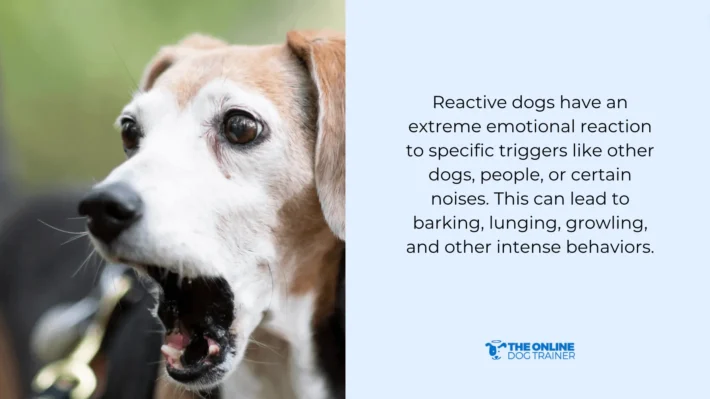
Sometimes barking comes from fear or anxiety. Your dog might feel threatened by unfamiliar people or sudden movements. This type of barking is a way to protect themselves from what they perceive as danger.
If your dog barks at visitors or new people, consider how you introduce them. Slow, controlled introductions can reduce anxiety and build trust. Think about what might be scaring your dog and work on those triggers patiently.
Seeking Attention
Dogs quickly learn that barking gets your attention. If your dog barks every time someone comes near and you respond by talking or petting, you might be encouraging this behavior. Barking becomes a tool to get what they want.
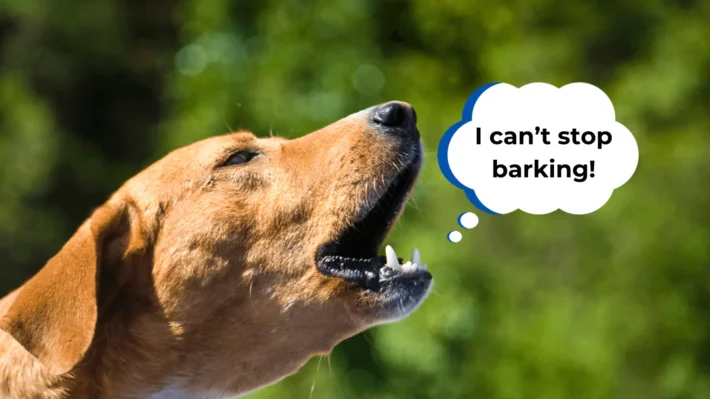
Try to notice if your dog barks when they want to play, go outside, or just get your focus. Ignoring the bark and rewarding quiet behavior helps teach your dog there are better ways to communicate. What positive behaviors can you encourage to replace the barking?
Credit: theonlinedogtrainer.com
Preparing For Training
Preparing for training your dog to stop barking at people sets the foundation for success. Understanding your dog’s behavior helps tailor the approach. Gathering the right tools makes training smoother. Setting clear, realistic goals keeps you focused and motivated throughout the process.
Assessing Your Dog’s Barking Patterns
Watch your dog closely to spot when it barks at people. Notice the time, place, and triggers. Does your dog bark more at strangers or friends? Is the barking loud or short? Understanding these details helps you plan the training steps better.
Gathering Training Tools
Prepare items that help control and reward your dog. Common tools include:
- A leash and collar for control
- Tasty treats for positive reinforcement
- A clicker to mark good behavior
- Toys to distract and reward your dog
Having these tools ready ensures smooth and consistent training sessions.
Setting Realistic Goals
Start with small, clear objectives like reducing barking duration. Aim for gradual progress, not instant silence. Celebrate small wins to keep your dog and yourself motivated. Realistic goals make training less stressful and more effective.
Calm Training Techniques
Training a dog to stay calm around people takes patience and gentle guidance. Teaching them to focus on you instead of barking helps create peaceful behavior. Consistent practice with rewards encourages quiet and calm responses.
Training a dog to not bark at people requires patience and calm techniques. Dogs bark for many reasons. They might be excited, scared, or protective. Understanding these reasons helps in training. Calm training techniques focus on reducing anxiety. They teach dogs to respond positively to people. This approach fosters a peaceful environment for both you and your pet.Positive Reinforcement Basics
Positive reinforcement involves rewarding good behavior. Use treats or praise when your dog remains calm. This encourages them to repeat the desired behavior. Consistency is key. Every time your dog stays quiet, reward them. This makes the lesson stick.Teaching The Quiet Command
Teaching the quiet command helps control barking. Use a firm but gentle voice. Say “quiet” when they bark. Once they stop, reward them immediately. Practice regularly to reinforce the command. Over time, they learn to associate quietness with rewards.Desensitization To People
Desensitization involves exposing your dog gradually to people. Start at a distance where your dog feels safe. As they remain calm, slowly decrease the distance. Reward them for staying quiet. This builds their confidence around strangers. The goal is to make new people less intimidating.Using Distraction Methods
Distraction methods redirect your dog’s focus. Use toys or a favorite game to catch their attention. When they start to bark, introduce the distraction. This interrupts the barking cycle. Over time, they learn to focus on positive activities instead of barking.Consistency And Patience
Consistency and patience are the backbone of training your dog not to bark at people. Without these two, even the best techniques can fail. Dogs thrive on routine and clear expectations, so your steady approach will guide them toward better behavior.
Think about a time you tried to teach your dog a new command but gave up too soon. The progress stalled, right? Patience keeps you moving forward, and consistency ensures your dog understands what you want every time.
Creating A Training Schedule
Set specific times each day for training sessions. Short, frequent sessions work better than long, irregular ones.
Here’s a simple schedule example:
| Time | Activity |
|---|---|
| Morning (10 min) | Bark control exercises with distractions |
| Afternoon (10 min) | Positive reinforcement practice |
| Evening (10 min) | Calm behavior and quiet commands |
Stick to the schedule even if progress seems slow. This regularity builds your dog’s confidence and understanding.
Managing Setbacks
Setbacks happen. Your dog might bark more when you least expect it or regress after some progress.
Instead of getting frustrated, ask yourself: What triggered this behavior? Was there a new distraction? Did you miss a training session?
Write down what happens during setbacks. This helps you spot patterns and adjust your approach.
- Stay calm and avoid shouting, which can make barking worse.
- Return to basic commands and reinforce positive behavior immediately.
- Celebrate small victories to keep yourself motivated.
Involving Family Members
Your dog listens to everyone in the household, so everyone must stay on the same page.
Discuss the training plan with family members and assign roles. One person might handle morning training while another rewards calm behavior in the evening.
Encourage family members to use the same commands and rewards. Mixed messages confuse your dog and slow progress.
Ask family members to share observations. Different perspectives can reveal new triggers or improvements you might miss.
Additional Tips For Success
Training your dog to stop barking at people can be challenging, but adding a few extra steps can boost your success. These additional tips help you create a balanced routine that addresses your dog’s physical and mental needs while reinforcing good behavior over time.
Exercise And Mental Stimulation
Dogs often bark out of boredom or excess energy. Giving your dog enough exercise helps reduce this restlessness. Try daily walks, play fetch, or agility exercises to tire them out.
Mental stimulation matters just as much. Puzzle toys, obedience training sessions, and scent games keep your dog’s mind busy. Have you noticed how a tired dog behaves calmer around visitors?
Professional Help Options
If barking persists despite your efforts, consider reaching out to a professional trainer or behaviorist. They can observe your dog’s behavior and tailor a plan specific to your situation.
Group classes offer socialization opportunities too, helping your dog get used to strangers in a controlled environment. Don’t hesitate to ask your vet for recommendations if needed.
Maintaining Long-term Results
Consistency is key to keeping barking under control. Keep practicing commands and rewarding quiet behavior even after initial training success.
Set clear boundaries for visitors and family members so everyone knows how to respond when your dog barks. Have you thought about how your own reactions might affect your dog’s behavior?
Remember, patience pays off. Regularly revisit training techniques and adjust based on your dog’s progress to make sure the good behavior sticks.
Credit: theonlinedogtrainer.com
Credit: theonlinedogtrainer.com
Frequently Asked Questions
How Can I Stop My Dog From Barking At Strangers?
Train your dog using positive reinforcement. Reward calm behavior when strangers approach. Use commands like “quiet” consistently. Gradually expose your dog to new people in controlled settings to reduce anxiety and barking.
Why Does My Dog Bark At People Outside?
Dogs bark at strangers due to fear, territorial instincts, or excitement. Barking warns of potential threats. Understanding your dog’s triggers helps in applying proper training to manage and reduce excessive barking.
What Are Effective Commands To Control Barking?
Commands like “quiet,” “enough,” or “stop” work well. Teach your dog to associate these words with stopping barking. Reward compliance immediately to reinforce good behavior and reduce barking over time.
How Long Does It Take To Train A Dog Not To Bark?
Training duration varies by dog and consistency. Most dogs show improvement within a few weeks. Regular, short training sessions and patience are key to success in reducing barking.
Conclusion
Training your dog to stop barking at people takes time and patience. Stay calm and consistent with your approach. Reward quiet behavior to encourage good habits. Avoid yelling or punishment, as it can cause fear. Practice often in different situations to build confidence.
Remember, small steps lead to lasting changes. Your dog will learn to stay calm around visitors. Enjoy a peaceful home with a well-trained dog. Keep loving and guiding your pet every day.


