
If you’re tired of your dog leaving messy spots all over your yard or house, you’re not alone. Training your dog to pee in one spot can save you time, stress, and frustration.
Imagine having a clean, easy-to-manage area where your dog always goes—no more surprises or endless cleaning. You’ll discover simple, proven steps to teach your dog exactly where to go. By the end, you’ll feel confident and in control, making life easier for both you and your furry friend.
Keep reading to learn how to make this happen!
Credit: konstruktor.info.pl
Choose The Right Spot
Choosing the right spot for your dog to pee is essential for easy training. A good spot makes the process clear for your dog. It helps avoid accidents in the house or yard. Pick a place that suits both you and your pet. The spot should be simple to reach and easy to clean. Consistency in the spot helps your dog learn faster. This section covers how to choose the best place for your dog’s bathroom needs.
Consider Convenience And Accessibility
The spot should be close to your home or where your dog spends time. Easy access means your dog can go quickly without waiting. Avoid places that need you to travel far or through busy areas. Your dog needs to feel safe and calm. A quiet, calm place helps your dog relax and pee comfortably.
Pick An Outdoor Or Indoor Area
Decide if your dog will pee outside or inside. Outdoor spots work well for many dogs who enjoy fresh air. Pick a patch of grass or dirt that is easy to clean. Indoor areas need special pads or mats for pee. Choose a spot away from your dog’s food and sleeping places. This keeps hygiene and comfort in check for your dog.
Use Consistent Location Every Time
Always take your dog to the same spot to pee. This builds a strong habit and reduces confusion. Dogs learn by repeating actions in one place. Use the same path and time for bathroom breaks. Consistency helps your dog understand what you expect. Mark the spot if needed to help your dog remember.
Prepare The Area
Preparing the area is key to teaching your dog to pee in one spot. The right setup helps your dog understand where to go. It makes the training clearer and faster. A clean, inviting space encourages your dog to use the same spot every time.
Clean Previous Spots Thoroughly
Remove all smells from old pee spots. Dogs return to places that smell like urine. Use enzyme cleaners to break down urine molecules. Avoid ammonia-based cleaners. They smell like urine to dogs and attract them back.
Clean the area well to stop your dog from peeing elsewhere. This prevents confusion and bad habits.
Use Attractants To Encourage Peeing
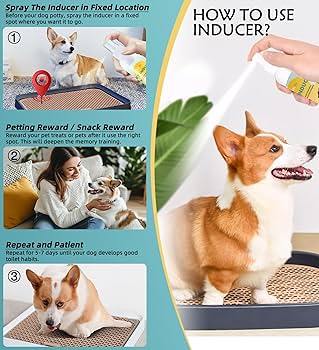
Place attractants on the chosen spot to guide your dog. Products with natural urine scents work best. You can also use grass patches or pee pads with attractant sprays. These scents tell your dog this is the right place.
Refresh the attractants regularly. This keeps the spot appealing and easy to find.
Create A Comfortable Environment
Make the spot quiet and safe. Avoid busy or noisy places that scare your dog. Choose a flat, easy-to-access area. Good lighting helps your dog feel secure.
Keep the spot free from obstacles and distractions. This helps your dog focus on peeing in the right place.
Establish A Routine
Set a consistent schedule for taking your dog to the same spot to pee. Regular visits help your dog understand where to go. Consistency builds good habits and reduces accidents.
Establishing a routine is essential when training your dog to pee in one spot. A consistent schedule helps your dog understand when and where they should relieve themselves. This predictability not only makes life easier for you but also sets your dog up for success.Set Regular Potty Times
Your dog thrives on consistency. Setting regular potty times, such as first thing in the morning, after meals, and before bedtime, creates a predictable routine. This schedule helps your dog anticipate when it’s time to go, reducing the chances of accidents. When I trained my dog, Max, I noticed he quickly adapted to a routine. Each morning, he would eagerly wait by the door at the same time, ready for his morning bathroom break. Establishing this rhythm made the training process smoother.Monitor Feeding And Water Schedule
The timing of your dog’s meals and water intake directly impacts their bathroom needs. By feeding your dog at the same times each day, you can predict when they’ll need to go outside. Consider adjusting water intake in the evenings to prevent nighttime accidents. This doesn’t mean restricting water, but rather offering smaller amounts closer to bedtime.Keep Consistent Walk Times
Regular walks are not just for exercise—they reinforce potty routines. Consistent walk times help synchronize your dog’s internal clock with their need to relieve themselves. Think about your daily schedule and find consistent times for walks. This consistency teaches your dog to associate walks with potty time, making it easier for them to learn where to go. Have you noticed how dogs often circle before finding the perfect spot to pee? This behavior is a natural instinct, and a routine helps channel this instinct to the right location.Use Commands And Positive Reinforcement
Teaching your dog to pee in one spot requires patience and clear communication. Using commands paired with positive reinforcement helps your dog understand what you want. This approach makes training easier and builds trust between you and your pet.
Choose A Simple Cue Word
Pick a short, easy word like “Go,” “Pee,” or “Potty.” Say this word every time you take your dog to the spot. Keep your tone calm and consistent. This helps your dog link the word to the action quickly.
Reward Immediately After Peeing
Give praise or a treat right after your dog pees in the right place. Use happy words and petting to show approval. Immediate rewards make the connection clear. Your dog learns that peeing there brings good things.
Avoid Punishment For Accidents
Never scold or punish your dog for mistakes. Accidents are part of learning. Punishment can cause fear or confusion. Instead, clean the area quietly and focus on guiding your dog back to the spot. Positive support encourages better behavior.
Manage Accidents Effectively
Accidents are a normal part of training your dog to pee in one spot. Handling these mishaps properly helps your dog learn faster. It keeps your home clean and prevents repeated mistakes. Managing accidents with care supports your dog’s confidence and progress.
Clean Up With Enzyme-based Cleaners
Use enzyme-based cleaners to remove urine smells completely. Regular cleaners may not break down the odor. Enzymes target the urine molecules that attract your dog back. Clean the area thoroughly to stop repeat accidents there. Always blot the spot first before applying the cleaner.
Stay Patient And Calm
React calmly during accidents. Avoid yelling or punishing your dog. Dogs do not understand punishment and may get scared. Patience helps your dog feel safe and ready to learn. Calmness encourages better behavior and faster training results.
Redirect To The Designated Spot
Gently guide your dog to the chosen bathroom area after an accident. Use a leash or carry your dog if needed. Praise your dog once they pee in the right place. Repetition helps your dog remember the correct spot. Consistent redirection builds good habits over time.

Credit: www.amazon.ca
Train For Different Environments
Training your dog to pee in one spot means adapting to different environments. Dogs don’t naturally generalize behaviors, so what works in your backyard might not work at the park or inside your home. You need to guide your dog through each new setting carefully.
Adapt Training For Indoors And Outdoors
Indoor training requires patience and clear signals. Use puppy pads or a designated indoor potty spot and reward your dog immediately after they go there. Outdoors, choose a consistent spot with familiar smells to help your dog recognize it as their bathroom area.
Think about the surfaces and distractions in each place. Indoors, your dog might feel more secure but can get confused without clear boundaries. Outside, unfamiliar noises and scents can distract them, so keep sessions short and focused.
Gradually Introduce New Locations
Don’t rush your dog into peeing in new places. Start by bringing familiar items, like a blanket or toy, to the new spot to make it feel safe. Stay close and offer lots of praise when your dog uses the area correctly.
Try moving a few feet farther from the original spot every few days. This slow change helps your dog connect the behavior with different surroundings without stress. Ask yourself: How does your dog respond to new sights and smells?
Maintain Consistency Across Places
Use the same commands and rewards no matter where you train your dog. Consistency builds understanding and trust. If you say “Go potty” in the backyard, use the same phrase at the park or inside.
Keep feeding and bathroom schedules regular too. Your dog’s body clock will help predict when they need to go. Consistency makes training clearer and faster for both of you.
Troubleshoot Common Issues
Troubleshooting common issues helps keep your dog focused on peeing in one spot. Some dogs may resist or behave differently during training. Understanding these challenges lets you guide your dog better. Patience and the right approach improve results fast.
Handle Reluctance To Pee In Spot
Some dogs avoid the chosen spot. They may feel uncomfortable or unsure. Try these tips to ease their reluctance:
- Make the spot clean and dry.
- Use a leash to guide your dog there.
- Bring your dog to the spot often, especially after meals.
- Reward your dog with treats and praise at the spot.
- Keep the area quiet and free from distractions.
Consistency helps your dog accept the spot as the right place.
Address Marking Behaviors
Marking is common, especially in male dogs. They may pee in several places to mark territory. To reduce marking:
- Spay or neuter your dog if not done.
- Clean marked areas with enzyme cleaner to remove scent.
- Limit access to areas your dog tends to mark.
- Supervise your dog closely during training.
- Redirect your dog quickly to the chosen spot.
Clear boundaries and supervision lower marking habits.
Consult A Veterinarian If Needed
Sometimes, health problems cause bathroom issues. Signs include frequent peeing or accidents inside. Visit a vet if:
- Your dog pees more than usual.
- Accidents happen despite training efforts.
- Your dog shows signs of pain or discomfort.
- There are changes in your dog’s behavior.
A vet can check for infections or other health concerns. Treating problems early makes training easier.

Credit: www.amazon.ca
Frequently Asked Questions
How Long Does It Take To Train A Dog To Pee In One Spot?
Training time varies by dog, but most learn within 1-3 weeks. Consistency and positive reinforcement speed up the process.
What Is The Best Spot To Train My Dog To Pee?
Choose a quiet, accessible outdoor area with minimal distractions. Consistent use of this spot helps your dog associate it with bathroom breaks.
How Often Should I Take My Dog To The Potty Spot?
Take your dog every 2-3 hours, especially after eating or drinking. Frequent trips encourage regular bathroom habits and reduce accidents.
Can I Use Treats To Encourage Peeing In One Spot?
Yes, rewarding your dog with treats after peeing in the spot reinforces positive behavior and motivates them to repeat it.
Conclusion
Training your dog to pee in one spot takes time and patience. Consistency helps your dog learn faster. Reward good behavior with treats or praise. Stay calm and positive during training sessions. Small steps lead to big progress. Soon, your dog will understand the right place.
This makes life easier for both of you. Keep practicing every day, and success will come. Clean the area regularly to avoid smells. Your dog will feel comfortable and confident. Training builds trust between you and your pet. Enjoy the process and celebrate small wins together.