

Are you wondering if raw food is better than cooking for your dog? Choosing the right diet for your furry friend can feel confusing.
You want what’s healthiest and safest, but with so many opinions out there, it’s hard to know what’s best. What if feeding raw could boost your dog’s energy and shine their coat? Or could cooking their meals be the safer, more balanced option?
Keep reading to discover the truth behind raw versus cooked food for dogs — and find out which choice could make a real difference in your pet’s health and happiness.
Raw Food Vs Cooked Food
Choosing between raw and cooked food for dogs sparks many debates among pet owners. Both diets offer different benefits and challenges. Understanding the differences can help you make better feeding choices for your dog’s health.
Nutritional Differences
Raw food often contains more natural enzymes and vitamins. Cooking can reduce some nutrients, especially water-soluble vitamins like B and C. Protein structures change with heat, affecting their quality. Minerals usually stay stable during cooking. Fat content may vary depending on the cooking method. Raw diets usually have higher moisture content, helping with hydration. Some cooked diets include added ingredients for balance and safety.
Digestibility And Absorption
Cooking breaks down fibers and proteins, making food easier to digest. Dogs may absorb nutrients more efficiently from cooked meals. Raw food requires strong stomach acid to break down bacteria and tough tissues. Some dogs handle raw diets well, while others may struggle. Cooking kills harmful bacteria, reducing infection risks. Digestive enzymes in raw food can aid digestion but may lose activity when heated. Choosing the right option depends on your dog’s health and digestion.
Health Benefits Of Raw Diets
Switching your dog to a raw diet can bring noticeable improvements to their overall health. Many pet owners report visible changes after just a few weeks. These benefits range from a shinier coat to more energy and even healthier teeth.
Improved Coat And Skin
Have you noticed your dog’s coat looking dull or their skin feeling dry? Raw diets provide natural oils and essential fatty acids that support skin hydration and hair growth. This often leads to a softer, shinier coat and fewer skin irritations.
One dog owner shared how their pet’s patchy fur became thick and glossy after moving to raw food. Could your dog’s coat benefit from more natural fats and nutrients?
Enhanced Energy Levels
Many dogs seem more lively and active on a raw diet. The nutrients in raw food are less processed, making them easier to digest and absorb. This means your dog may get more usable energy from their meals.
Think about your dog’s behavior: do they slow down after eating kibble? A raw diet might fuel them better for playtime and walks. Have you noticed your dog becoming more energetic without extra supplements?
Better Dental Health
Raw diets often include raw meaty bones, which naturally help clean teeth and reduce plaque buildup. Chewing these bones can massage gums and keep your dog’s mouth healthier. This can lead to fresher breath and fewer dental problems.
Consider how your dog currently chews or treats their teeth. Could raw food be a simple way to improve their dental hygiene without expensive treatments?
Potential Risks Of Raw Feeding
Feeding dogs raw food carries risks like bacteria and parasites that can harm pets and humans. Poorly balanced meals might cause nutrient problems and illness. Careful preparation and hygiene are essential to reduce these dangers.
Feeding your furry friend raw food can seem like a healthy, natural choice. However, it’s essential to be aware of the potential risks associated with raw feeding. While many dog owners believe that a raw diet mirrors what their ancestors ate, this approach might not always be the best fit for modern-day pets.Bacterial Contamination
Raw meat is a breeding ground for harmful bacteria like Salmonella and E. coli. These bacteria can not only make your dog sick but also pose a risk to you and your family. Imagine the scenario: your dog eats raw chicken, then licks your hand. Suddenly, it’s not just about your dog’s health, but yours too. A study from the Veterinary Record revealed that raw pet food often contains these harmful bacteria. Proper handling and hygiene are crucial. Would you be willing to sanitize your dog’s eating area every time they eat?Nutritional Imbalances
A raw diet might not provide all the nutrients your dog needs. Unlike commercial dog foods, raw diets can lack essential vitamins and minerals. For instance, calcium and phosphorus imbalances can lead to bone issues. I once tried raw feeding for my Labrador, Max. After a few weeks, I noticed his coat was less shiny, and he seemed lethargic. A vet visit revealed he wasn’t getting enough nutrients. How sure are you that a raw diet covers all your dog’s nutritional needs? The key is to ensure that your dog’s diet is balanced. If you’re considering raw feeding, consulting with a vet or a pet nutritionist is a wise step. They can help design a diet plan that meets all of your dog’s nutritional requirements. Taking these factors into account can help you make informed decisions about your pet’s diet. While raw feeding has its advocates, understanding its risks is crucial for your pet’s well-being.Common Ingredients In Raw Diets
Raw diets for dogs include a variety of natural ingredients. These ingredients aim to provide balanced nutrition. Understanding these common items helps in making informed choices for your pet’s diet.
Meats And Organs
Meat is the main component in raw diets. It offers essential proteins and amino acids. Common meats include beef, chicken, turkey, and lamb. Organs like liver, kidneys, and heart provide vital vitamins and minerals. These parts support overall health and energy levels.
Meats and organs should be fresh and high quality. They deliver nutrients dogs need for strong muscles and immune function.
Bones And Vegetables
Raw bones are a natural source of calcium and phosphorus. They help maintain strong teeth and bones. Common choices are chicken necks, wings, and beef bones. Bones should be raw to avoid splintering and choking risks.
Vegetables add fiber, vitamins, and antioxidants. Popular vegetables include carrots, spinach, and broccoli. These support digestion and provide extra nutrients. Many raw diets blend ground vegetables with meats for balanced meals.
Transitioning To A Raw Diet
Switching your dog to a raw food diet needs careful planning. Sudden changes can upset their stomach. A smooth transition helps your dog adjust comfortably. It also allows you to watch for any reactions. Patience is key during this change. The goal is to keep your dog happy and healthy.
Steps For Switching Safely
- Start by mixing a small amount of raw food with their current diet.
- Gradually increase the raw portion over 7 to 10 days.
- Observe if your dog accepts the new food without issues.
- Keep fresh water available at all times.
- Introduce a variety of raw meats and bones slowly.
- Consult your vet before starting the raw diet.
Monitoring Your Dog’s Health
Watch your dog’s behavior and energy daily. Check for changes in stool, appetite, and weight. Look for signs of allergies or digestive problems. Regular vet visits ensure your dog stays well. Keep a journal of your dog’s progress during the transition. This helps spot any patterns or concerns early.
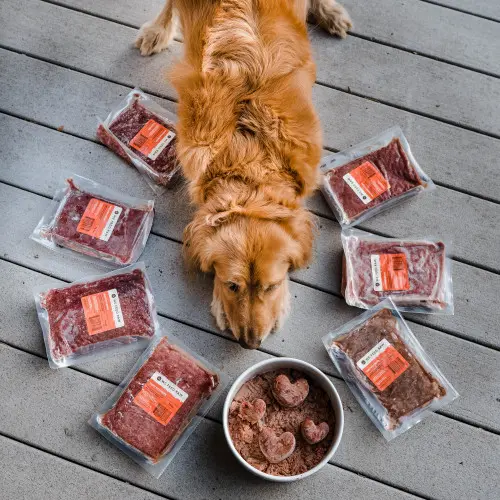
Credit: wefeedraw.com
Expert Opinions And Research
Understanding whether raw food is better than cooked meals for dogs requires looking closely at expert opinions and scientific research. These insights help you make informed choices that benefit your dog’s health and wellbeing. Let’s break down what veterinarians and studies say about raw versus cooked diets.
Veterinary Perspectives
Many veterinarians stress caution with raw diets because of potential risks like bacterial infections and nutrient imbalances. They often recommend cooked food, which can be safer and easier to digest for some dogs.
However, some vets who have seen positive results with raw diets highlight improvements in coat condition and energy levels. They advise careful preparation and hygiene to minimize health hazards.
Have you asked your vet about your dog’s specific needs? Tailoring the diet to your pet’s health condition is crucial rather than following trends blindly.
Scientific Studies
Scientific research on raw versus cooked dog food is still limited but growing. Some studies show raw diets can improve dental health and reduce allergies.
On the other hand, research also points out risks like contamination and nutrient deficiencies if the diet isn’t balanced properly. Cooking food can help eliminate harmful bacteria and improve nutrient availability.
Think about what matters most for your dog’s lifestyle and health. Would the benefits of raw food outweigh the potential risks in your situation?
Homemade Vs Commercial Raw Food
Choosing between homemade and commercial raw food for dogs often raises many questions. Both options offer raw feeding benefits but differ in preparation, control, and convenience. Understanding these differences helps pet owners decide what suits their dog’s needs best.
Pros And Cons
- Homemade Raw Food
- Pros: Full control over ingredients and quality.
- Pros: Can customize meals for specific dietary needs.
- Cons: Time-consuming to prepare and balance nutrients.
- Cons: Risk of improper nutrition if not well researched.
- Commercial Raw Food
- Pros: Convenient and ready to serve.
- Pros: Usually formulated to meet nutritional standards.
- Cons: Limited ingredient control and variety.
- Cons: Can be expensive over time.
Quality And Safety Considerations
Homemade raw meals require strict hygiene to avoid contamination. Proper storage and sourcing fresh ingredients are essential. Balancing nutrients is crucial to prevent deficiencies or excesses.
Commercial raw foods often undergo testing and quality checks. Packaging is designed to maintain freshness and reduce bacteria risks. Reading labels carefully helps ensure the product meets your dog’s health needs.

Credit: gorawpetfood.com
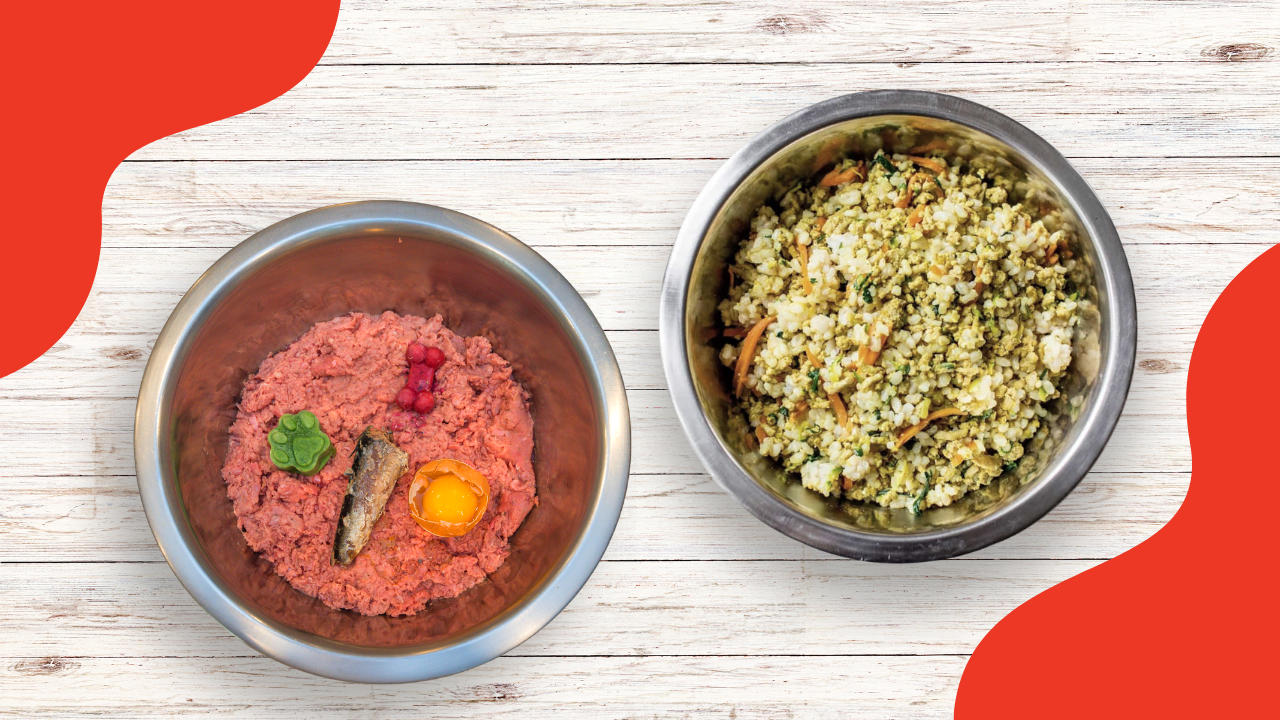
Credit: wefeedraw.com
Frequently Asked Questions
Is Raw Food Healthier Than Cooked For Dogs?
Raw food can retain more nutrients than cooked food. However, cooked meals eliminate harmful bacteria. Both have benefits; consult a vet for your dog’s needs.
Can Raw Food Cause Health Risks In Dogs?
Yes, raw food may contain bacteria like Salmonella. Proper handling and sourcing reduce risks. Dogs with weak immunity should avoid raw diets.
How Does Cooking Affect Dog Food Nutrition?
Cooking can reduce some vitamins but improves digestibility. It kills harmful pathogens, making food safer. Balanced cooking methods preserve most essential nutrients.
Do Dogs Prefer Raw Or Cooked Food?
Preferences vary by dog. Some enjoy raw’s texture and flavor, others prefer cooked food. Try both to see what suits your dog best.
Conclusion
Choosing between raw food and cooked meals depends on your dog’s needs. Both options can offer good nutrition. Raw food may keep some dogs more energetic and healthy. Cooked food can be easier to digest and safer for others. Always watch your dog’s reaction to any diet change.
Consult a vet to find the best choice. Remember, a happy dog is a healthy dog. Balance and care matter most in feeding your pet.


