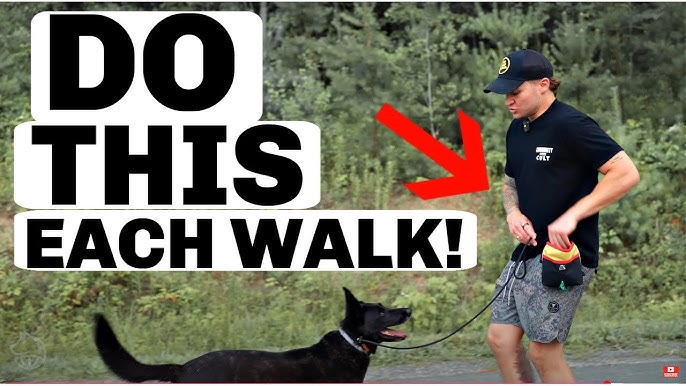

Training an older dog to walk on a leash can feel like a big challenge. But it doesn’t have to be hard or stressful—for you or your dog.
Whether your dog never learned before or has forgotten, you can teach them to walk calmly by your side. Imagine enjoying peaceful, happy walks without pulling or stopping every few steps. You’ll discover simple, clear steps that work with your dog’s pace and personality.
Keep reading, and you’ll learn how to turn leash walking into a fun, rewarding experience for both of you.
Benefits Of Leash Training Older Dogs
Training an older dog to walk on a leash offers more than just better control during walks. It can transform your daily routine and improve your dog’s overall quality of life. Understanding the benefits can motivate you to start leash training, even if your dog has never worn one before.
Enhances Safety For Your Dog And Others
Leash training keeps your older dog close and secure, reducing the risk of accidents or encounters with other animals. It prevents your dog from darting into traffic or getting lost, which can be especially dangerous for senior dogs who may have slower reflexes or health issues.
Have you noticed how a well-trained dog on a leash makes walks less stressful? You’ll feel more confident knowing your dog is safe at your side.
Improves Physical Health And Mobility
Regular leash walks encourage gentle exercise that supports joint health and muscle strength. Older dogs often slow down, but leash walks can help maintain their mobility and prevent stiffness.
Even short, calm walks can boost your dog’s heart health and digestion. How often do you think your dog gets the right amount of movement for their age?
Strengthens Your Bond And Communication
Walking together on a leash creates opportunities for positive interaction and teamwork. Your dog learns to respond to your cues, which builds trust and respect.
When your dog walks calmly beside you, it’s a clear sign of your connection. Does your dog seem more relaxed and focused during leash walks?
Reduces Anxiety And Behavioral Issues
Older dogs may develop anxiety or become easily overstimulated. Leash training provides structure, helping your dog feel more secure and less reactive.
Consistent leash walks can also reduce unwanted behaviors like jumping or pulling. How might your dog’s behavior improve with clear boundaries on walks?
Choosing The Right Leash And Collar
Choosing the right leash and collar is key for training an older dog to walk on a leash. The right equipment offers control and comfort. It helps your dog feel safe and makes walks more enjoyable.
Types Of Leashes Suitable For Older Dogs
Older dogs benefit from leashes that are lightweight and easy to hold. Nylon and leather leashes are good choices. They last long and provide a firm grip.
- Standard leash: Offers good control and is simple to use.
- Retractable leash: Gives some freedom but can be hard to manage.
- Padded leash: Adds comfort for your hand during longer walks.
Choosing The Best Collar For Comfort And Control
Comfort is vital for older dogs. Soft collars reduce irritation. Avoid collars that pull or choke your dog.
- Flat collar: Simple, adjustable, and gentle on the neck.
- Martingale collar: Prevents slipping without choking.
- Harness: Distributes pressure evenly and is ideal for dogs with neck issues.
Materials To Consider For Durability And Safety
Strong materials ensure safety during walks. Nylon and leather are durable and easy to clean. Avoid collars with metal parts that can rust or pinch.
| Material | Benefits | Drawbacks |
|---|---|---|
| Nylon | Lightweight, strong, easy to clean | Can cause chafing if rough |
| Leather | Durable, comfortable, stylish | Needs regular care to prevent cracking |
| Chain | Very strong | Heavy, can hurt dog’s neck |
Preparing Your Dog For Leash Training
Introduce the leash gradually to help your dog feel comfortable. Use treats and praise to create positive associations. Practice indoors before moving outside for better focus and control.
Preparing your dog for leash training can be a rewarding experience for both you and your furry friend. Before you start, it’s important to set the stage for a successful training session. Older dogs may have ingrained habits, but with patience and the right approach, they can learn to walk on a leash confidently.Creating A Calm Environment
A calm environment is crucial for effective leash training. Ensure that distractions are minimized by choosing a quiet area. Familiar spaces like your backyard or a room in your house can be ideal starting points. Consider the time of day when your dog is most relaxed. Early mornings or after a meal might be perfect, as your dog is less likely to be over-excited. You want your dog to be focused on you, not the chaos around them.Using Positive Reinforcement
Positive reinforcement is a powerful tool in dog training. Keep a supply of small treats or a favorite toy handy. Reward your dog immediately when they display the desired behavior, such as sitting calmly or walking beside you. Speak in a cheerful and encouraging tone. Dogs respond well to positivity and will be more eager to please when they feel appreciated. Have you ever noticed how a simple “good job” can light up their eyes? Training an older dog requires patience, but the bond you’ll strengthen is worth every effort. By preparing your dog properly, you’ll pave the way for enjoyable walks that both of you can look forward to.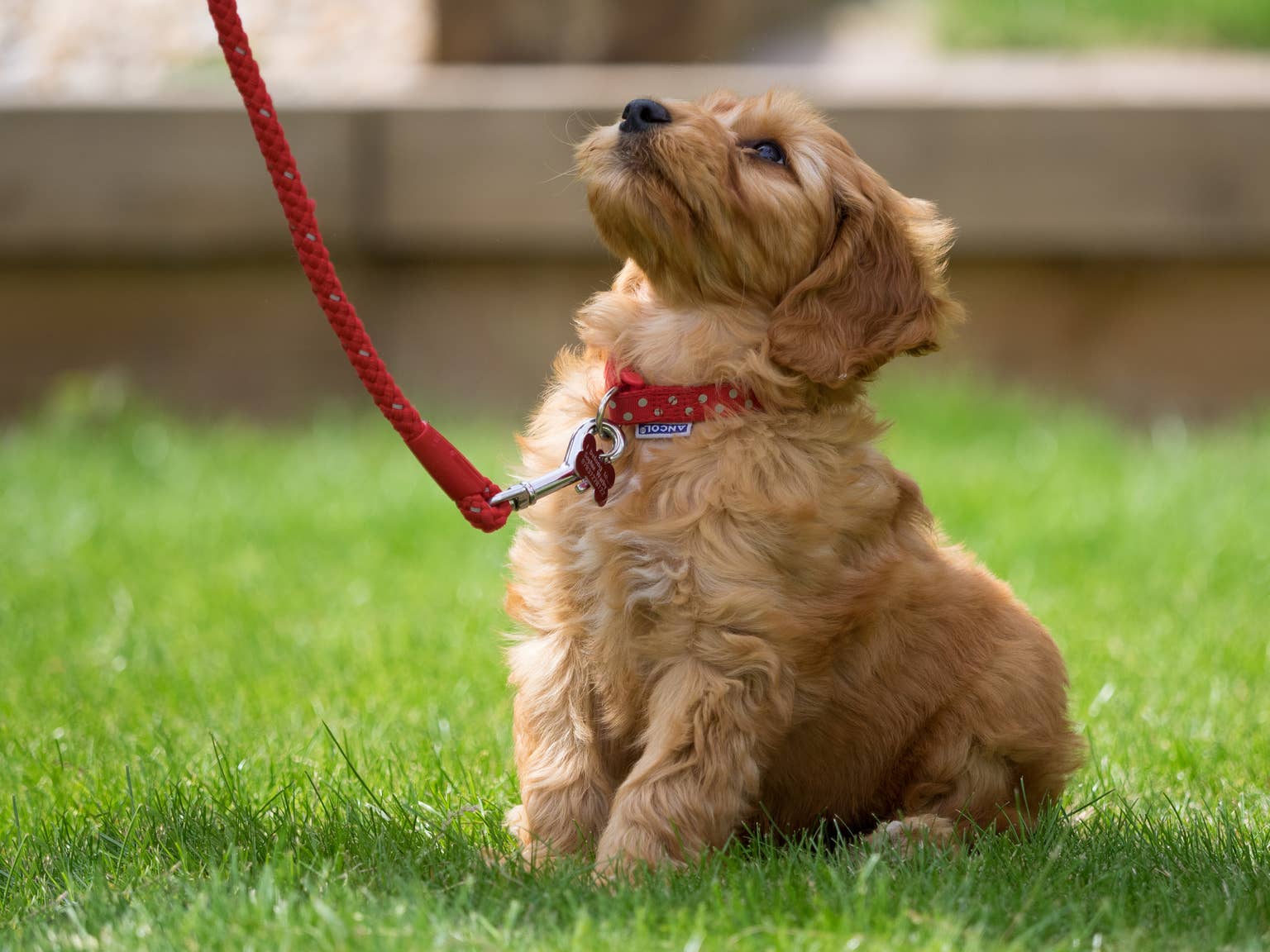
Credit: pethelpful.com
Step-by-step Leash Training Techniques
Training an older dog to walk on a leash requires patience and gentle guidance. The process involves familiarizing your dog with the leash indoors first. Then, you gradually introduce short walks outside. Finally, you teach your dog to walk without pulling on the leash. These steps help build trust and comfort for your dog. They also make walks more enjoyable for both of you.
Introducing The Leash Indoors
Start by letting your dog see and smell the leash inside your home. Attach the leash to your dog’s collar without holding it. Let your dog walk around freely with the leash dragging gently. Watch your dog’s reaction carefully. Praise your dog with soft words and treats when they stay calm. Repeat this for a few minutes daily. This helps your dog get used to the leash feeling.
Practicing Short Walks
Hold the leash and invite your dog for a short walk indoors or in a quiet yard. Keep the leash loose and allow your dog to explore. Use treats to encourage your dog to walk beside you. Keep the sessions brief and fun. Gradually increase the walk length as your dog grows confident. Watch for signs of stress or discomfort and pause if needed. This stage builds your dog’s comfort with leash control.
Encouraging Loose Leash Walking
Loose leash walking means your dog walks calmly beside you without pulling. Stop walking when your dog pulls on the leash. Wait until the leash is slack, then continue walking. Reward your dog with treats and praise for walking close. Change directions often to keep your dog focused on you. Practice this during short walks and gradually extend the time. This teaches your dog good leash manners gently and clearly.
Handling Common Challenges
Training an older dog to walk on a leash can come with its own set of hurdles. You might face stubborn pulling, bursts of fear, or even sudden distractions. Understanding how to handle these common challenges will help you build a better walking routine and strengthen your bond with your dog.
Dealing With Pulling
Pulling is one of the most frequent issues. Instead of yanking back, try stopping every time your dog pulls. This teaches your dog that pulling won’t get them anywhere.
Use treats to reward your dog when they walk calmly beside you. I once had a dog who pulled so much that walks were stressful. By consistently rewarding loose-leash walking, the behavior improved significantly within weeks.
- Keep leash slack as much as possible.
- Change direction when pulling starts.
- Use a harness designed to discourage pulling.
Managing Fear Or Anxiety
Older dogs may be hesitant or scared of new environments or noises. Watch for signs like trembling, tail tucking, or freezing. Your calm demeanor helps your dog feel safe.
Start walks in quiet areas and gradually introduce busier spots. Carry high-value treats to distract and comfort your dog when anxiety spikes. Have you noticed your dog calming down when you speak softly or sit with them?
- Keep initial walks short and positive.
- Allow your dog to sniff and explore at their own pace.
- Use a familiar toy or blanket for reassurance.
Addressing Distractions
Older dogs can get easily distracted by other animals, people, or smells. It’s important to keep your dog focused on you instead of what’s happening around.
Try calling your dog’s name and offering a treat to regain attention. I found that changing the walking route often helps reduce boredom and distractions. What distractions does your dog respond to best?
- Practice “look” or “focus” commands.
- Use a shorter leash in busy areas for better control.
- Reward your dog immediately when they ignore distractions.
Credit: walkinpets.com
Maintaining Progress And Consistency
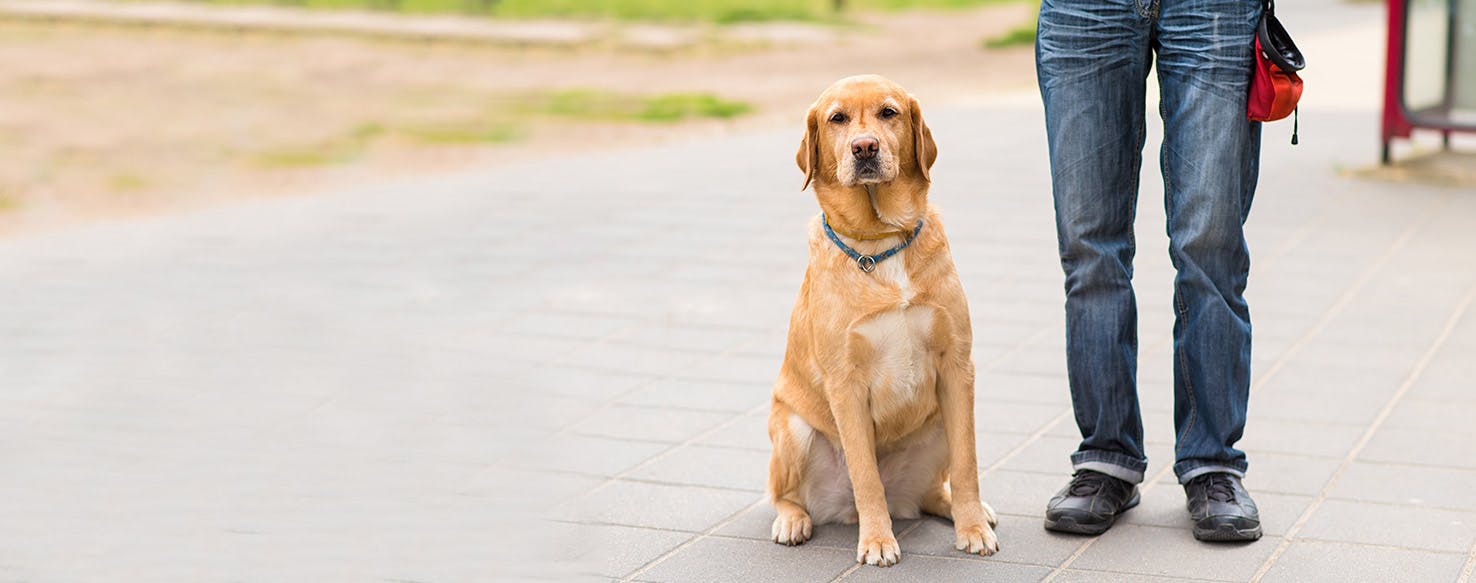
Maintaining progress and consistency is key to helping an older dog learn to walk nicely on a leash. Training does not stop after the first few sessions. Consistent practice helps your dog remember good behavior and builds their confidence. Small, regular efforts lead to lasting habits. Patience and routine keep your dog calm and focused during walks. This approach strengthens your bond and makes walks more enjoyable for both of you.
Regular Practice Sessions
Set aside time each day for short training walks. Consistent sessions help your dog learn leash manners faster. Keep practice fun and positive to hold your dog’s interest. Use treats or praise to reward good walking behavior. Avoid long sessions that might tire your dog quickly. Aim for several short walks rather than one long walk. Regular practice builds muscle memory and reduces pulling over time.
Gradually Increasing Walk Duration
Start with brief walks around your yard or quiet street. Slowly add more time as your dog improves leash skills. Watch your dog’s energy and stress levels during each walk. Increase walk duration only when your dog stays calm and focused. This step-by-step approach prevents frustration and accidents. Longer walks also provide more mental and physical exercise. Gradual progress makes leash walking easier and safer for your older dog.
When To Seek Professional Help
Training an older dog to walk calmly on a leash can be rewarding, but sometimes the challenges go beyond what you can handle alone. Recognizing when to ask for professional help can save you and your dog from frustration and ensure a safer, happier walking experience.
Signs Your Dog Needs Expert Guidance
If your dog shows aggressive behavior, persistent fear, or extreme anxiety during walks, professional training is a smart move. These behaviors often require specialized knowledge to address safely and effectively.
Repeated leash pulling or refusing to walk despite consistent training attempts might also signal that you need help. A trainer can identify hidden triggers or medical issues you might not notice.
Benefits Of Working With A Professional Trainer
Experts bring tested techniques tailored to your dog’s unique personality and history. They can quickly spot mistakes in your approach and offer practical corrections.
Besides improving leash manners, trainers can boost your dog’s confidence, making walks more enjoyable for both of you. They often provide personalized plans and support beyond training sessions, increasing your chances of long-term success.
How To Choose The Right Trainer For Your Older Dog
Look for trainers who specialize in positive reinforcement and have experience with older dogs. Ask about their methods and success stories to ensure they fit your dog’s needs.
Don’t hesitate to request references or observe a class before committing. Remember, the right trainer should make you feel supported and confident, not overwhelmed.
When Medical Issues Might Be The Cause
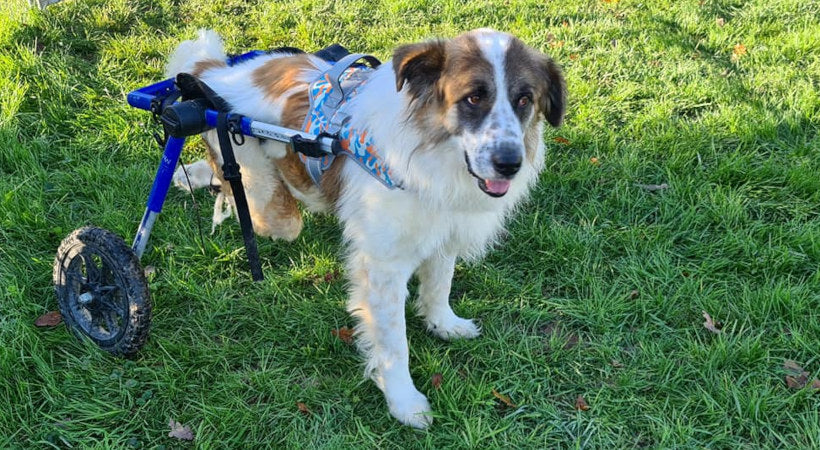
If your dog resists walking or shows sudden behavioral changes, consider a vet checkup first. Pain or discomfort can be mistaken for training problems.
Addressing health concerns often improves training outcomes dramatically. Never overlook this step before blaming your dog’s behavior entirely on poor training.
Credit: wagwalking.com
Frequently Asked Questions
How Do I Start Leash Training An Older Dog?
Begin by introducing the leash indoors in a calm setting. Let your dog wear the leash for short periods. Reward calm behavior with treats. Gradually move training sessions outside, keeping them brief and positive.
Can Older Dogs Learn To Walk On A Leash?
Yes, older dogs can learn leash walking with patience. Use gentle, consistent training methods. Positive reinforcement helps them adjust to new walking routines and build confidence.
What Tools Help Leash Train An Older Dog?
Use a comfortable harness or collar that fits well. A standard leash around 4-6 feet is ideal. Treats and clickers can motivate and reward your dog during training sessions.
How Long Does Leash Training Take For Older Dogs?
Training time varies by dog but expect several weeks. Consistent daily practice of 10-15 minutes improves leash skills. Patience and positive reinforcement speed up learning.
Conclusion
Training an older dog to walk on a leash takes time and patience. Start with short sessions and use gentle praise. Keep the leash loose to help your dog feel comfortable. Practice in quiet places before going to busy areas.
Remember, every dog learns at their own pace. Stay calm and positive throughout the process. Little steps lead to big progress. Enjoy the walks and build a stronger bond with your dog. Consistent practice makes leash walking easier for both of you.
Keep going, and soon your dog will walk happily by your side.