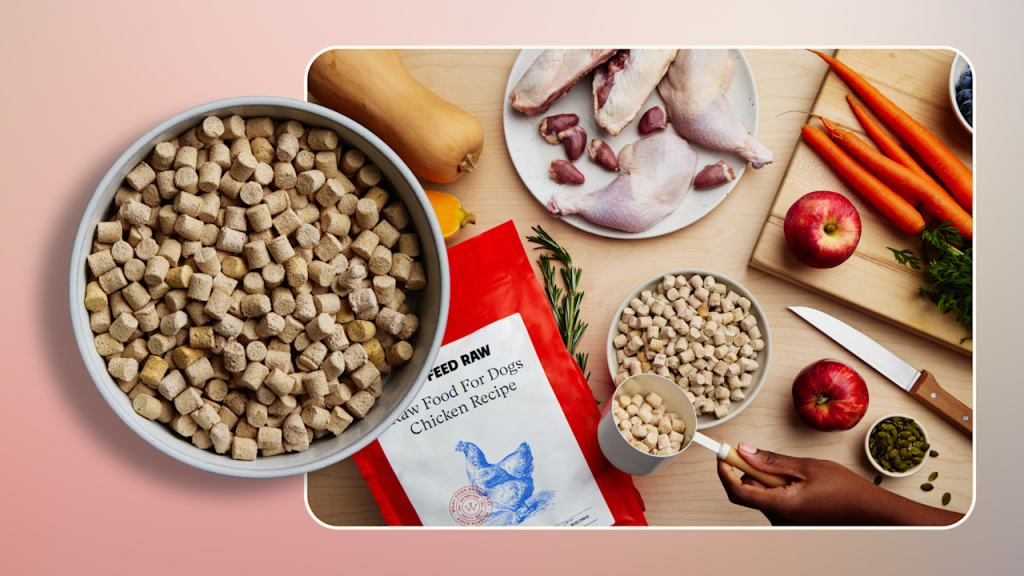

Have you ever wondered what raw foods for dogs really mean? If you care about your furry friend’s health, understanding raw feeding can open up new ways to boost their energy and wellbeing.
Imagine giving your dog meals that are closer to what nature intended—fresh, natural, and packed with nutrients. You’ll discover exactly what raw foods are, why they might be better for your dog, and how to start feeding them safely. Keep reading, because your dog’s next meal could change everything for their health and happiness.
Benefits Of Raw Feeding
Feeding your dog raw foods can bring noticeable changes to their overall health. Many pet owners notice improvements shortly after switching to a raw diet, but what exactly makes raw feeding beneficial? Understanding these benefits can help you decide if raw feeding suits your dog’s needs and lifestyle.
Improved Digestion
Raw foods are closer to what dogs naturally eat in the wild, making them easier to digest. The natural enzymes in raw meat help break down food more effectively, reducing digestive issues like gas and constipation.
Have you noticed your dog struggling with upset stomachs or irregular bowel movements? Switching to raw might ease these problems and support better nutrient absorption.
Enhanced Coat And Skin Health
Many owners see their dog’s coat become shinier and softer after starting a raw diet. Raw foods are rich in healthy fats and oils that promote skin hydration and reduce itchiness or dryness.
Think about how your dog’s fur looks and feels now. Could a diet change bring out that natural shine and softness you’ve been missing?
Increased Energy Levels
Raw feeding often leads to noticeable boosts in energy and vitality. Dogs digest raw foods more efficiently, which means they get more usable energy from their meals.
If your dog seems sluggish or tired, consider whether their diet might be holding them back. A raw diet could be the spark they need to stay active and playful.
Stronger Immune System
Raw foods contain a variety of vitamins and minerals in their natural, unprocessed form. This nutrition helps strengthen your dog’s immune system, making them less prone to illnesses.
Have you ever wondered why some dogs bounce back from sickness faster than others? Their diet could be a key factor in their resilience.
Common Raw Ingredients
Raw foods for dogs include a variety of fresh, natural ingredients. These ingredients provide essential nutrients in their purest form. Dogs thrive on a diet that mimics what their ancestors ate in the wild. Common raw ingredients focus on meat, organs, bones, and some fruits and vegetables. Each part plays a vital role in a balanced raw diet for dogs.
Muscle Meat
Muscle meat is the main part of a raw diet. It includes cuts like beef, chicken, turkey, and lamb. Muscle meat offers high-quality protein needed for strong muscles and energy. Fresh, lean meat is best to keep dogs healthy and active.
Organs
Organs are nutrient-rich and support vital body functions. Common organs used are liver, kidney, and heart. Liver is especially important because it provides vitamins A, D, and iron. Organs should be included regularly but in smaller amounts than muscle meat.
Bones
Raw bones provide calcium and phosphorus, essential for strong teeth and bones. Safe options include chicken wings, necks, and beef ribs. Bones should always be raw to avoid splintering and choking hazards. They also help keep your dog’s teeth clean.
Fruits And Vegetables
Some fruits and vegetables add fiber, vitamins, and antioxidants. Common choices are carrots, spinach, apples, and blueberries. These ingredients support digestion and boost the immune system. Always chop or puree them for easy digestion.
Safe Preparation Tips
Handle raw foods for dogs with clean hands and fresh ingredients. Store meats properly to avoid bacteria growth. Always wash bowls and surfaces after preparation.
Preparing raw food for your dog offers numerous benefits, but it’s crucial to ensure it’s done safely. Following safe preparation tips can protect both you and your furry friend from potential health risks. Let’s dive into some actionable insights to keep your kitchen and your pup safe.Handling Raw Meat
Handling raw meat requires attention to cleanliness and safety. Always wash your hands thoroughly with soap and water before and after touching raw meat. Use separate cutting boards and utensils dedicated to preparing your dog’s meals. Consider wearing disposable gloves for extra protection. This minimizes direct contact with raw meat juices, reducing the risk of bacterial transfer.Preventing Cross-contamination
Cross-contamination is a serious concern in any kitchen. Keep raw meats away from other foods, especially those you consume. Use separate bowls and storage containers for your dog’s meals. Regularly sanitize surfaces and tools with a bleach solution or disinfectant. This practice ensures any bacteria from raw meat are effectively killed, maintaining a safe environment.Proper Storage Methods
Proper storage is vital to maintaining the freshness of raw foods. Store raw meat in airtight containers in the fridge or freezer. This prevents bacteria from spreading and keeps odors contained. Label each container with the date of preparation. It helps you track freshness and ensures your dog receives the best quality meals. Have you ever thought about how much safer and healthier your kitchen could be with just a few simple precautions? By implementing these tips, you not only enhance your dog’s diet but also create a safer home for everyone.
Credit: www.reddogbluekat.com
Balancing Your Dog’s Diet
Balancing your dog’s diet with raw foods requires careful planning. Dogs need a mix of nutrients for energy and health. Feeding raw means understanding what nutrients to provide and in what amounts. This balance supports strong muscles, healthy skin, and a good immune system.
Essential Nutrients
Raw diets should include protein, fat, vitamins, and minerals. Protein comes from raw meat and organs. Fat provides energy and supports brain function. Vegetables and fruits add fiber and vitamins. Calcium is crucial for bones and teeth. Avoid too much bone, which can cause problems.
Portion Sizes
Portion size depends on your dog’s weight, age, and activity level. Puppies and active dogs need more food. Older or less active dogs need less. A good rule is 2-3% of your dog’s body weight daily. Split the food into two or three meals to keep digestion smooth.
Supplements To Consider
Some raw diets lack certain nutrients. Fish oil adds omega-3 fatty acids for coat and joint health. Probiotics help with digestion. Vitamin E supports the immune system. Talk to a vet about the right supplements for your dog. Avoid overdosing; balance is key.
Common Myths About Raw Feeding
Raw feeding for dogs has sparked many debates. Some concerns come from myths rather than facts. These myths can stop pet owners from trying raw diets. Knowing the truth helps make better choices for dogs’ health.
Risk Of Bacteria
Many people think raw food always carries harmful bacteria. Proper handling and hygiene reduce risks greatly. Freezing meat kills some parasites and slows bacterial growth. Clean preparation surfaces and washing hands help keep food safe. Dogs have strong stomach acids that often handle bacteria well. Choosing trusted sources for raw ingredients also lowers risk.
Nutritional Deficiencies
Some believe raw diets lack important nutrients. A well-planned raw diet can meet all nutritional needs. Including bones, organs, and muscle meat provides a balance. Supplements can fix any minor gaps in vitamins or minerals. Consulting a vet or pet nutritionist ensures a healthy menu. Variety in food types prevents missing key nutrients.
Cost And Convenience
Raw feeding is often seen as expensive and time-consuming. Buying in bulk and freezing can save money. Preparing meals in batches cuts down daily work. Many pet owners find raw food improves their dog’s health, reducing vet visits. Some raw options come pre-prepared, making feeding easier. Planning ahead makes raw feeding manageable and affordable.

Credit: www.petfoodprocessing.net
Transitioning To Raw Food
Transitioning your dog to a raw food diet requires patience and care. Dogs need time to adjust to new foods. Sudden changes can upset their stomachs or cause refusal to eat. A smooth transition helps your dog accept raw food easily.
Gradual Introduction
Start by mixing a small amount of raw food with your dog’s current diet. Slowly increase the raw food portion over one to two weeks. Observe how your dog reacts to new textures and flavors. This slow change reduces digestive stress and builds acceptance.
Monitoring Your Dog’s Health
Watch for changes in energy, stool quality, and appetite. Healthy digestion shows firm, regular stools without bad smell. Low energy or vomiting needs attention. Keep track of your dog’s weight and coat condition. These signs show how well raw food suits your dog.
Adjusting Portions And Ingredients
Adjust food amounts based on your dog’s size, age, and activity. Use a balanced mix of meat, bones, and organs. Add vegetables and supplements if needed. Each dog’s needs differ, so tweak the recipe for best results. Consult your vet for personalized advice.
Raw Feeding For Different Life Stages
Raw feeding isn’t a one-size-fits-all approach. Your dog’s nutritional needs change as they grow, mature, and age. Adjusting the raw diet to fit these different life stages ensures your dog gets the right nutrients to stay healthy and energetic.
Puppies
Puppies need a diet rich in protein and fat to support their rapid growth. Raw feeding for puppies often includes ground meats, raw bones, and organ meats like liver for essential vitamins.
Adding a variety of meats helps provide a complete range of nutrients. You might notice your puppy has more energy and a shinier coat as you feed them this way.
Have you seen how some puppies struggle with traditional kibble? Raw feeding can sometimes help with digestion and reduce common issues like diarrhea or gas.
Adult Dogs
Adult dogs require a balanced diet that maintains their weight and muscle mass. Raw feeding for adults should include lean meats, bones for dental health, and a moderate amount of organs.
It’s important to monitor your dog’s weight and adjust portions as needed. You can add veggies like carrots or spinach in small amounts for fiber and vitamins.
Do you pay attention to how your dog responds to different foods? Adult dogs often show clearer signs of food sensitivities, and raw feeding lets you control ingredients easily.
Senior Dogs
Senior dogs benefit from a diet lower in calories but rich in easily digestible protein. Raw feeding for seniors often focuses on softer meats and ground bones to prevent dental issues.
Including supplements like fish oil can help with joint health and inflammation. Some owners find their older dogs regain vitality and mobility with a tailored raw diet.
What signs of aging do you notice in your dog? Adjusting their diet with raw foods can sometimes slow down the effects of aging and improve quality of life.
Consulting With A Veterinarian
Consulting with a veterinarian is essential before starting a raw food diet for your dog. Veterinarians provide expert advice to ensure your dog’s health stays strong. They help identify any risks and tailor the diet to fit your dog’s needs.
Health Assessments
Veterinarians perform thorough health checks before recommending raw foods. They test for allergies, digestive issues, and nutrient deficiencies. These assessments prevent feeding problems and promote safe diet changes.
Customized Diet Plans
Every dog has unique dietary needs. Vets create meal plans based on age, weight, and activity level. Customized plans ensure the dog gets all needed vitamins and minerals from raw foods.
Addressing Special Needs
Dogs with health conditions require special attention. Vets adjust raw diets for issues like kidney problems or food sensitivities. This careful planning supports overall well-being and avoids complications.

Credit: micromed.org.nz
Frequently Asked Questions
What Are Raw Foods For Dogs?
Raw foods for dogs include uncooked meats, bones, organs, fruits, and vegetables. These foods mimic a natural diet, promoting better digestion and overall health.
Are Raw Foods Safe For Dogs To Eat?
Raw foods can be safe if handled properly. Always use fresh ingredients and maintain hygiene to avoid bacteria and parasites.
What Are The Benefits Of Feeding Raw Foods?
Raw foods improve coat shine, dental health, and energy levels. They provide essential nutrients and reduce allergies in many dogs.
Can All Dogs Eat Raw Food Diets?
Most dogs can eat raw diets, but consult a vet first. Puppies, pregnant, or sick dogs may need special considerations.
Conclusion
Raw foods for dogs offer natural nutrients and benefits. They can support healthy skin, teeth, and digestion. Always choose fresh, high-quality ingredients for safety. Consult a vet before changing your dog’s diet. Balance is key to keep your dog healthy and happy.
Feeding raw food takes care and attention. It suits some dogs better than others. Give your dog the best with careful planning and love.