
Traveling by plane with your dog can feel overwhelming. You want to keep your furry friend safe, comfortable, and calm throughout the trip.
But where do you start? What do you need to prepare? This guide will walk you through everything you must know to make flying with your dog smooth and stress-free. By the end, you’ll feel ready and confident to take to the skies together.
Keep reading to discover simple tips that protect your pet and make your journey enjoyable from takeoff to landing.
Preparing Your Dog For Air Travel
Preparing your dog for air travel requires careful planning and patience. Ensuring your dog is comfortable and healthy before the flight reduces stress for both of you. Early preparation helps your dog adapt to new experiences and environments.
Health Check And Vaccinations
Visit the vet to get a full health check for your dog. Confirm all vaccinations are up to date. Some airlines require a health certificate issued within 10 days before travel. Discuss any health concerns or medications your dog needs. Healthy pets travel more safely and comfortably.
Choosing The Right Carrier
Select a carrier that meets airline size and safety rules. Your dog should stand, turn, and lie down easily inside it. Look for carriers with good ventilation and secure locks. Soft-sided carriers are best for cabin travel, while hard-sided ones suit cargo. Comfort and security are key for your dog’s journey.
Familiarizing Your Dog With The Carrier
Introduce the carrier to your dog early before the trip. Place treats and toys inside to create a positive space. Practice short stays inside the carrier at home to build comfort. Gradually increase the time your dog spends in it. This helps reduce anxiety on travel day.
Credit: www.flytradewind.com
Booking Your Flight
Booking a flight with your dog requires more than just picking a date and clicking “buy.” It’s about finding an airline that welcomes your furry friend and planning your trip to keep your dog comfortable. The process can be smoother if you know exactly what questions to ask and what details to provide.
Selecting Pet-friendly Airlines
Not every airline treats pets the same way. Some allow small dogs in the cabin, while others only offer cargo options. Look for airlines with clear pet policies and positive reviews from other pet owners.
Consider airlines known for their pet comfort, like JetBlue or Alaska Airlines. They often have specific programs for pets, such as dedicated pet areas or extra space in the cabin. Checking the airline’s website or calling customer service can save you from surprises later.
Timing And Scheduling Tips
Choose flights during cooler parts of the day if your dog will travel in the cargo hold. Early morning or late evening flights help avoid heat stress. Also, non-stop flights reduce the stress of layovers and keep your dog’s routine more predictable.
Think about your dog’s regular eating and bathroom schedule. Can you fit the flight times around those habits? Planning this way helps reduce anxiety and accidents. Have you ever noticed how your dog reacts to change? Use that insight when picking your travel time.
Informing The Airline About Your Dog
Always notify the airline ahead of time that you’re traveling with a dog. Airlines often have limits on how many pets can be on one flight. Early notification secures your dog’s spot and avoids last-minute complications.
Be ready to provide details about your dog’s size, breed, and temperament. Some breeds face travel restrictions, so honesty is key. This step also helps airline staff prepare for your dog’s arrival and ensure a smoother boarding process.
Packing Essentials For Your Dog
Packing for your dog’s plane trip requires more than just tossing their leash and a collar into your bag. You need to think about what will keep them comfortable, hydrated, and safe throughout the journey. Preparing the right essentials ahead of time can make all the difference between a stressful flight and a smooth one for both you and your furry friend.
Food And Water Supplies
Keeping your dog nourished and hydrated during travel is crucial. Bring enough of their regular food to avoid stomach upset from sudden changes. Pack a portable water bowl and bottled water; airport water sources might not be ideal for your pet.
Think about timing their meals to avoid feeding right before the flight, which can cause discomfort. Carry some treats to reward good behavior during the trip, but avoid overfeeding to prevent nausea.
Comfort Items And Toys
Familiar items can ease your dog’s anxiety in an unfamiliar environment. Include a favorite blanket or bed that smells like home to provide comfort. A chew toy or a puzzle toy can help distract and calm your dog during waiting times.
Remember, your dog might spend hours confined in a crate or carrier. Soft padding inside the carrier can prevent discomfort. Have a spare leash and harness in your carry-on in case of emergencies.
Important Documents To Carry
Carrying the right paperwork can save you from last-minute hassles. Always have your dog’s vaccination records, especially proof of rabies vaccination, handy. Some airlines require a health certificate issued by a vet within 10 days of travel.
Keep identification tags and a recent photo of your dog with you. This can be invaluable if your pet gets lost during transit. Double-check airline requirements ahead of time to ensure you have all necessary documents.
Credit: www.discovermagazine.com
At The Airport
Traveling through the airport with your dog requires extra care and planning. The airport can be busy and noisy, which may stress your pet. Preparing well helps make the journey smooth for both of you. Knowing the right steps at the airport will keep your dog safe and calm.
Check-in Procedures For Pets
Start by informing the airline about your dog before arrival. Some airlines need advance notice for pet travel. At check-in, have your dog’s documents ready. These may include vaccination records and health certificates. Staff may ask to see your pet’s carrier and check its size. Keep your dog in the carrier until instructed otherwise. Follow the airline’s rules to avoid delays or problems.
Security Screening Tips
At security, you will need to remove your dog from the carrier. Carry your dog in your arms or on a leash. Pass through the metal detector while the carrier goes through the scanner. Avoid letting your dog walk on the conveyor belt. Stay calm and speak softly to your dog. This helps reduce stress during screening. Have treats handy to reward good behavior.
Navigating Layovers And Delays
Long waits can be hard for dogs. Find quiet areas away from crowds for breaks. Use designated pet relief areas to let your dog stretch and relieve itself. Keep fresh water and a bowl with you. Bring a favorite toy or blanket to comfort your dog. Watch for signs of tiredness or anxiety. Stay close to your pet and keep it safe during delays.
During The Flight
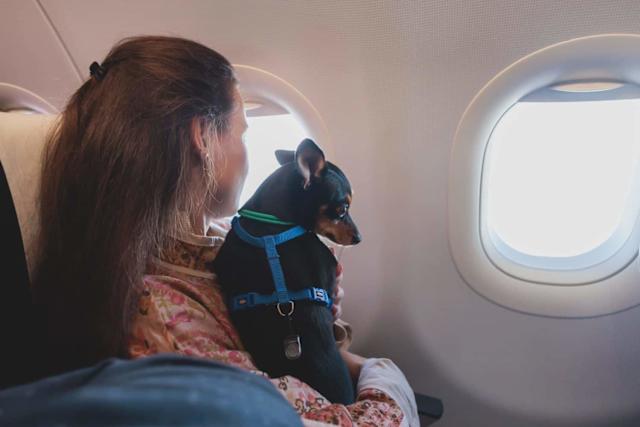
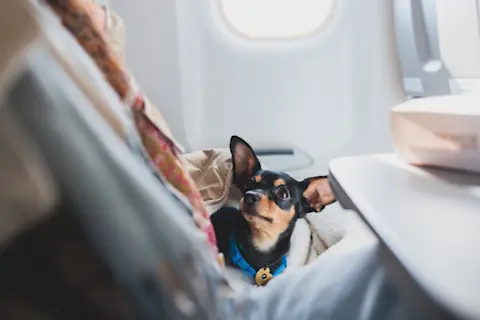
Keep your dog calm by speaking softly and offering water during the flight. Ensure the pet carrier fits under the seat and remains secure. Avoid feeding your dog a large meal before boarding to prevent discomfort.
During the Flight Flying with your furry friend can be a daunting experience, but with the right preparation, it can be a smooth journey for both you and your dog. You might wonder how to ensure your pet’s comfort and well-being during the flight. Here are some essential tips to consider while you’re cruising at 30,000 feet.Managing Anxiety And Stress
Your dog might feel uneasy due to unfamiliar surroundings and sounds. To help ease their anxiety, bring along a favorite toy or blanket from home. The familiar scent can offer a sense of security. Consider using calming sprays or vet-recommended anxiety aids. Always test these products at home before your trip to monitor your dog’s reaction. If your dog is particularly anxious, consult with your vet for advice tailored to your pet’s needs.Feeding And Hydration
Keeping your dog well-fed and hydrated is crucial. However, avoid feeding them a large meal right before the flight to prevent an upset stomach. Offer small amounts of food a few hours before departure. Ensure your dog has access to water throughout the journey. A collapsible bowl can be handy. But avoid over-hydrating, as it might lead to discomfort during the flight.Keeping Your Dog Comfortable
Your dog’s comfort should be a top priority. Ensure their carrier is well-ventilated and spacious enough for them to stand, turn, and lie down comfortably. Add a cushion or a soft mat to make the space cozier. Dress your dog in a lightweight, breathable harness for safety and comfort. Remember, your comfort impacts theirs—stay calm and positive, as your dog can pick up on your energy. Are there any other strategies you’ve found effective when flying with your dog? Share your insights in the comments below!After Landing
After your plane touches down, your journey with your dog is far from over. How you handle those first moments outside the aircraft can set the tone for the entire trip. Staying calm, organized, and attentive to your dog’s needs makes all the difference.
Exiting The Airport Smoothly
Once you land, collect your dog’s carrier promptly to avoid extra waiting time. Many airports have pet relief areas—locate these before arrival to head straight there.
Keep your dog on a leash or secured in a carrier until you reach a safe, quiet spot. Loud crowds and unfamiliar surroundings can easily overwhelm your pet.
Don’t rush. Giving your dog a moment to adjust before stepping into busy zones helps prevent stress or unexpected behavior.
Helping Your Dog Recover
Flying can be exhausting for dogs. Offer fresh water immediately and a small snack if your dog seems hungry.
Find a calm place to sit and let your dog rest. Some pets may want to lie down or just sniff around quietly—respect their pace.
Watch for signs of discomfort like heavy panting or shaking. If your dog seems unusually distressed, a quick walk or gentle petting can help soothe them.
Dealing With Jet Lag And Adjustments
Dogs can feel jet lag too. Their internal clock may be off, leading to unusual sleep patterns or irritability.
Gradually adjust your dog’s feeding and walking schedule to match the local time. This helps reset their body clock without overwhelming them.
Keep your routine consistent while allowing extra rest. Have you noticed how your dog’s mood changes after a long trip? Paying attention helps you respond better to their needs.

Credit: www.aol.com
Frequently Asked Questions
How Do I Prepare My Dog For Air Travel?
Start by getting a vet checkup and vaccinations. Use a comfortable, airline-approved carrier. Familiarize your dog with the carrier beforehand. Pack essentials like food, water, and a leash. Exercise your dog before the flight to reduce anxiety. Follow airline pet policies carefully.
What Are The Airline Rules For Flying With Dogs?
Each airline has specific pet policies. Check size and weight limits for in-cabin or cargo travel. Book your dog’s spot early, as airlines limit pets per flight. Prepare necessary documents like health certificates and vaccination records. Comply with carrier specifications and fees.
Can Small Dogs Travel In The Cabin With Me?
Yes, most airlines allow small dogs in the cabin. Your dog must fit in an approved carrier under the seat. Weight and size limits vary by airline. Book early and confirm your dog’s spot. Keep your dog calm and comfortable during the flight.
How To Reduce My Dog’s Anxiety On A Plane?
Use calming aids like pheromone sprays or vet-approved medications. Exercise your dog before traveling. Bring familiar toys or blankets for comfort. Stay calm yourself, as dogs pick up on your emotions. Consult your vet for additional anxiety-reducing tips.
Conclusion
Traveling with your dog by plane takes some planning and care. Pack all essentials and follow airline rules closely. Keep your dog calm and comfortable throughout the journey. Arrive early to handle check-in smoothly. Remember, patience makes the trip easier for both of you.
Enjoy the adventure and create new memories together. Safe travels!