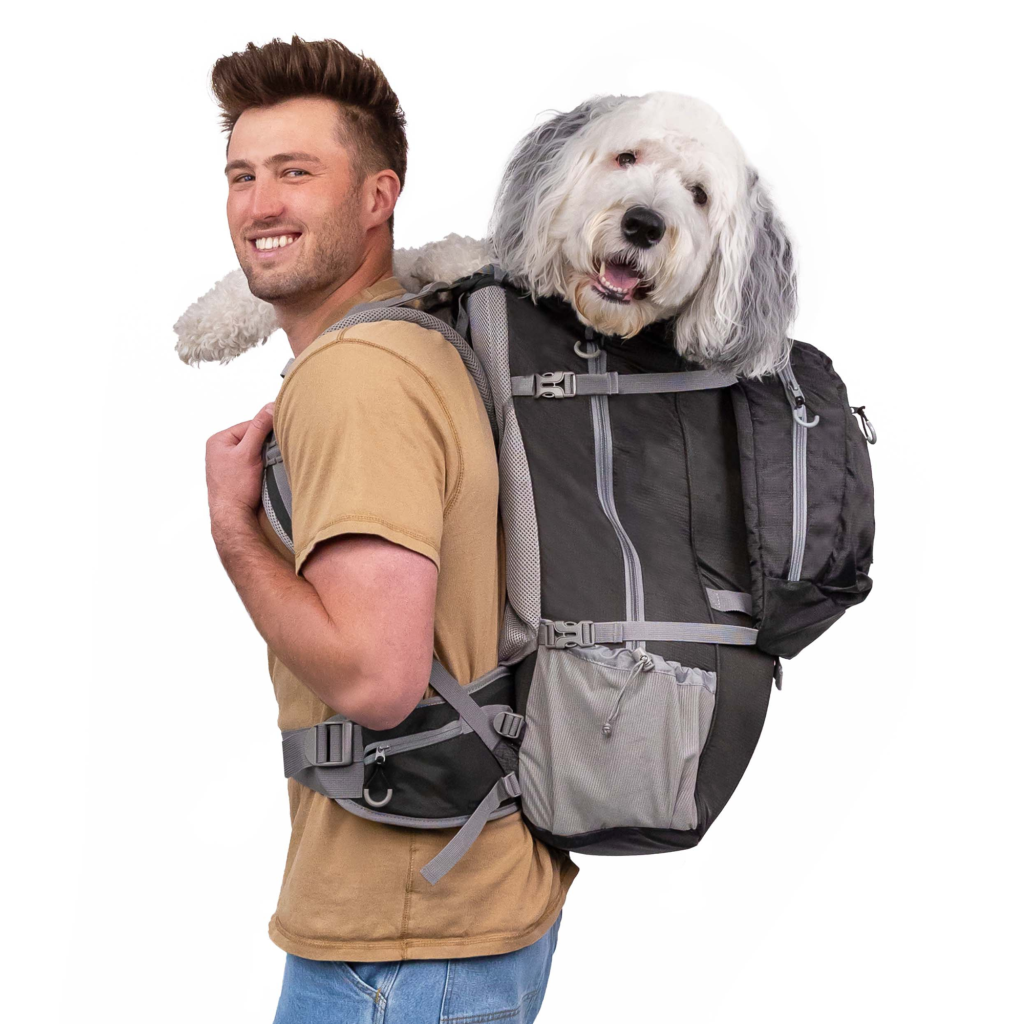

Traveling with a large dog can feel overwhelming. You want to bring your furry friend along, but the thought of logistics, comfort, and safety might hold you back.
What if there was a way to make the trip smooth and enjoyable for both of you? You’ll discover simple, practical tips that make traveling with your big dog easier than you ever imagined. Keep reading, and you’ll learn how to prepare, what to pack, and how to handle challenges on the road.
Your next adventure with your loyal companion starts here.
Credit: thefidotrail.com
Choosing The Right Transportation
Choosing the right transportation for traveling with a large dog is crucial for both your comfort and your pet’s safety. Different modes of travel come with unique challenges and rules, so understanding these helps you prepare effectively. The goal is to keep your dog calm, secure, and happy throughout the journey.
Car Travel Tips
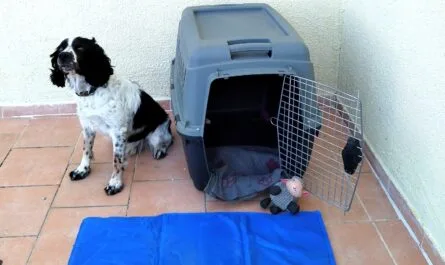
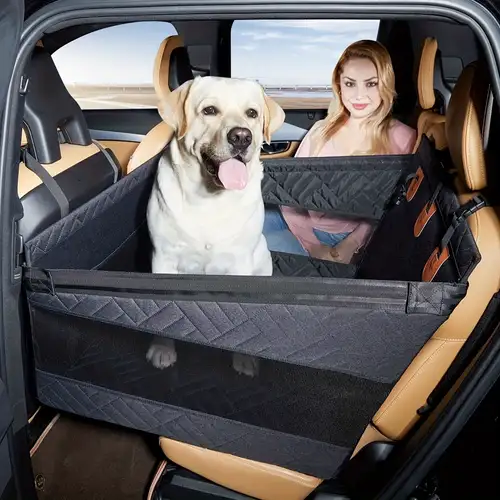
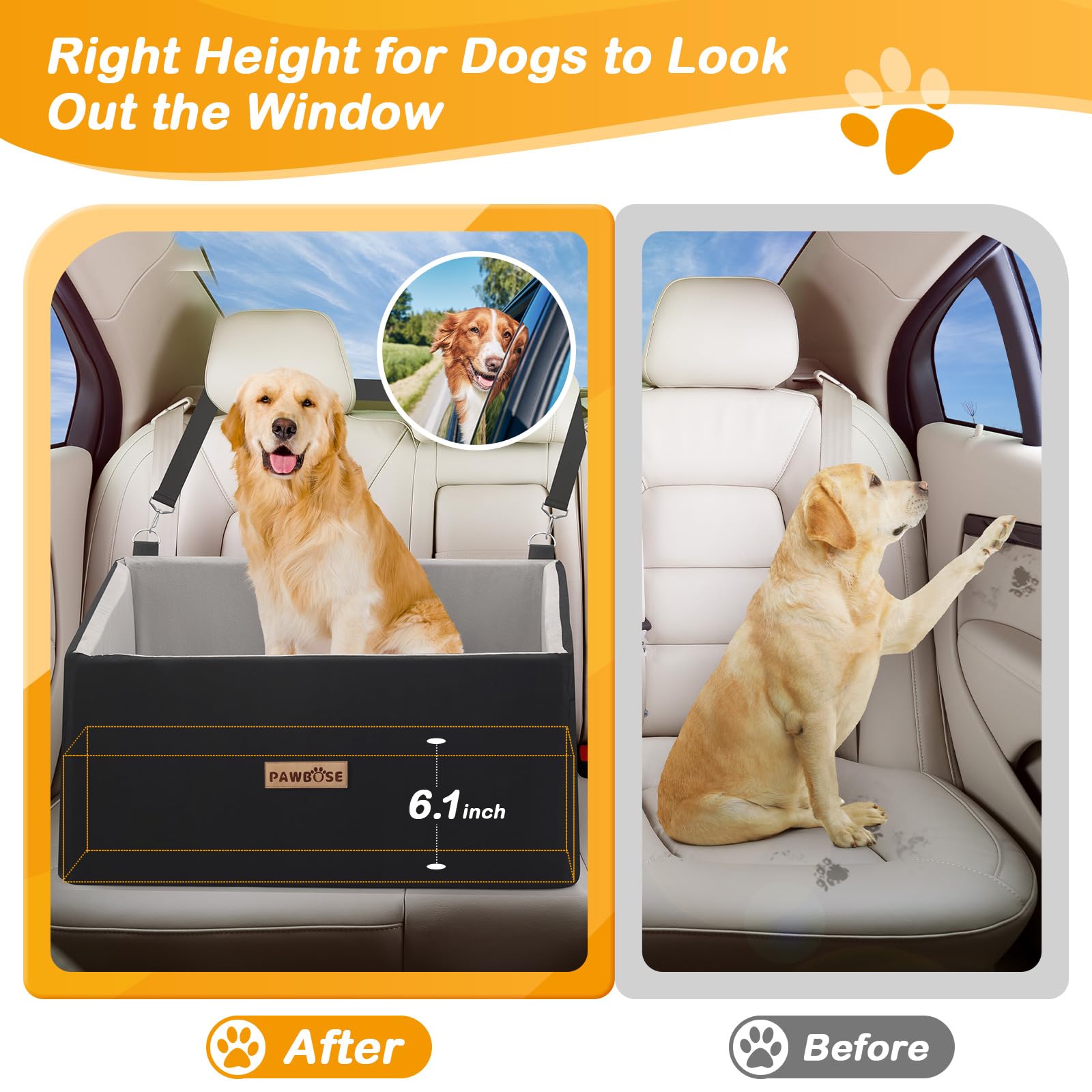
Car trips give you the most control over your dog’s environment. Use a sturdy, well-ventilated crate or a dog seatbelt harness to keep your dog safe and prevent distractions while driving.
Plan frequent stops every 2-3 hours for bathroom breaks and short walks. This helps your dog stretch and reduces anxiety.
Pack essentials like water, food, toys, and a blanket that smells like home to make your dog feel secure. Ever noticed how your dog relaxes when familiar smells surround them?
Flying With Large Dogs
Flying requires more preparation, especially for large breeds that often travel in the cargo hold. Check airline policies carefully—some airlines have size limits or specific crate requirements.
Book direct flights to minimize stress and avoid layovers. Make sure your dog’s crate is airline-approved, well-ventilated, and large enough to stand and turn around in.
Visit your vet before flying to get a health certificate and discuss calming techniques or medications if needed. Have you thought about how temperature changes in cargo might affect your dog?
Train And Bus Options
Train travel with large dogs varies by country and carrier. Some trains allow dogs in specific cars or require a ticket for your pet.
Bus companies often have strict size limits, and many don’t allow large dogs inside. Research your options well in advance.
If allowed, keep your dog on a leash and bring a collapsible water bowl and waste bags. Consider whether your dog can handle the noises and crowds typical of public transport.
Credit: www.temu.com
Preparing Your Dog For Travel
Getting your large dog ready for travel takes more than just packing their favorite toy. It requires thoughtful preparation to ensure their comfort and safety throughout the journey. Taking the time to prepare your dog can turn a stressful trip into a smooth adventure for both of you.
Health Check And Vet Visits
Before hitting the road, schedule a vet visit to confirm your dog is fit to travel. Discuss vaccinations, health certificates, and any medications your dog might need during the trip. Your vet can also offer advice on managing travel anxiety or motion sickness, which can make a huge difference.
Don’t forget to update your dog’s identification tags and microchip information. This simple step can prevent panic if your dog gets lost in an unfamiliar place. Have your vet provide copies of medical records, especially if you’re crossing state lines or traveling internationally.
Training For Travel Behavior
Travel can be overwhelming for a large dog, so start training early to help them adjust. Practice short car rides or crate time to get them comfortable with the travel environment. Reward calm behavior to reinforce positive associations with travel.
Consider teaching your dog basic commands like “stay,” “sit,” and “leave it,” which can be crucial when navigating busy airports or rest stops. If your dog is not used to being in a crate, introduce it gradually, making it a safe and cozy space rather than a punishment.
Packing Essentials For Your Dog
Pack thoughtfully to cover all your dog’s needs during the trip. Essentials include:
- Plenty of water and a portable bowl
- Leash and harness
- Favorite toys and comfort items
- Waste bags for clean-up
- Any medications or supplements prescribed by your vet
- A blanket or bedding to make their resting spot comfortable
Think about the length of your trip and potential stops. Bringing familiar items can reduce stress and make your dog feel at home even when you’re miles away.
Safety Measures On The Road
Traveling with a large dog requires securing them safely with a harness or crate. Keeping your pet calm helps prevent distractions and accidents on the road. Frequent breaks allow your dog to stretch and stay comfortable during long trips.
Traveling with a large dog can be a rewarding experience, yet it comes with unique challenges, especially when it comes to ensuring their safety on the road. Whether you’re planning a cross-country adventure or a short road trip, taking the right precautions can make all the difference. Let’s dive into some essential safety measures to keep your furry friend secure and comfortable during your travels.Using Harnesses And Crates
When securing your large dog in the vehicle, using a harness or crate is crucial. A sturdy harness can prevent injuries in case of sudden stops or accidents. Opt for harnesses specifically designed for car travel, which attach directly to the seatbelt. Crates offer another layer of protection. Ensure the crate is well-ventilated and large enough for your dog to stand, turn, and lie down comfortably. Bolting the crate in place can prevent it from sliding around.Preventing Motion Sickness
Motion sickness can turn a pleasant trip into a stressful ordeal for your dog. To minimize this, avoid feeding your dog a large meal right before you hit the road. Small, bland snacks can help settle their stomach if needed. Consider taking breaks every couple of hours. Allow your dog to stretch and get some fresh air. This not only helps with motion sickness but also reduces anxiety.Keeping Your Dog Hydrated And Comfortable
Hydration is key to your dog’s health during travel. Bring enough water and a portable bowl to keep your dog hydrated throughout the journey. Dehydration can lead to fatigue and discomfort. Create a cozy space by packing their favorite blanket or bed. Familiar scents can soothe nerves and make them feel at home. Pay attention to the temperature inside the vehicle, ensuring it’s neither too hot nor too cold. What strategies do you use to make your dog feel comfortable on the road?Finding Dog-friendly Accommodations
Finding accommodations that welcome your large dog can make or break your trip. Your dog deserves a comfortable space just as much as you do. Identifying places that truly cater to your pet’s needs ensures a stress-free and enjoyable stay for everyone involved.
Booking Pet-friendly Hotels
Not all pet-friendly hotels are created equal, especially for large dogs. Look for hotels that specify size limits and extra amenities like dog beds, bowls, or designated walking areas. Reading recent reviews can reveal how well the hotel actually accommodates big dogs.
Ask about any additional fees or restrictions upfront. Some hotels charge per night or per stay, and others limit the number of pets. Confirm these details before booking to avoid surprises at check-in.
Camping With Large Dogs
Camping offers a fantastic way to give your large dog plenty of space to roam. Choose campgrounds that explicitly allow dogs and provide secure, fenced areas. Make sure the terrain is safe and suitable for your dog’s size and energy level.
Bring your dog’s favorite gear—like a sturdy leash, portable water bowl, and a cozy bed. Consider your dog’s tolerance for outdoor conditions, such as insects or weather changes, before finalizing your camping spot.
Local Pet Services And Facilities
Knowing where to find local vets, pet stores, and grooming services can save you from last-minute headaches. Research these facilities near your accommodation ahead of time. It’s also helpful to locate dog parks or off-leash areas where your dog can socialize and stretch their legs.
Have you checked if there are emergency clinics nearby? Planning for unexpected events shows you’re a responsible traveler and helps your dog stay safe and healthy on the road.
Managing Stops And Exercise
Traveling with a large dog requires more than just packing and hitting the road. Managing stops and exercise is crucial to keep your dog comfortable, healthy, and happy throughout the journey. Without proper breaks, your dog can become restless or stressed, making travel harder for both of you.
Planning Rest Breaks
Schedule rest breaks every two to three hours. This gives your dog time to stretch and relax after being confined in the car. Look for dog-friendly parks or rest areas with open space so your dog can move freely.
Think about your dog’s energy level and age. Older dogs might need more frequent, shorter breaks, while younger dogs can handle longer play sessions. Always bring water and a bowl to keep your dog hydrated during stops.
Exercise Tips During Travel
Use rest stops for quick but effective exercise. A brisk walk or light jog can help burn off excess energy and reduce anxiety. Try simple games like fetch or tug-of-war to engage your dog’s mind and body.
Remember, exercise doesn’t have to be intense. Even a 10-minute walk can make a big difference in your dog’s comfort. Watch your dog’s behavior—if they seem restless after a break, they probably need more activity before getting back in the car.
Handling Bathroom Needs
Plan bathroom breaks carefully, especially if your dog isn’t used to traveling. Use a consistent spot if possible; dogs feel more comfortable when they recognize the area. Carry waste bags and clean up promptly to respect the environment and other travelers.
If your dog has a small bladder, increase the frequency of bathroom stops. Avoid feeding your dog right before traveling to reduce the need for urgent breaks. You might also train your dog to go on command before the trip starts to save time on the road.
Credit: www.amazon.ca
Handling Emergencies
Traveling with a large dog means being ready for emergencies. Quick action can keep your dog safe and calm. Knowing what to do in tricky situations helps you handle problems with confidence. Prepare well, so emergencies do not turn into disasters.
First Aid Kit For Dogs
Carry a first aid kit made for dogs. Include these essentials:
- Bandages and gauze pads
- Antiseptic wipes and ointment
- Tweezers and scissors
- Disposable gloves
- Digital thermometer
- Instant cold pack
- Styptic powder to stop bleeding
- Any prescribed medications
Check the kit before every trip. Replace used or expired items immediately.
Emergency Contacts And Vet Clinics
List emergency contacts before travel. Include your regular vet’s phone number. Add contact info for vets along your route and at your destination.
Use your phone or a printed list. Know the nearest 24-hour vet clinics. Keep addresses and phone numbers handy. This saves time in a crisis.
Dealing With Anxiety And Stress
Travel can stress your dog. Watch for signs like panting or pacing. Bring familiar toys and blankets for comfort. Offer treats and praise to calm your dog.
Practice short trips to build tolerance. Use calming sprays or collars if needed. Speak softly and stay calm yourself. Your mood helps your dog feel safe.
Frequently Asked Questions
How To Prepare A Large Dog For Travel?
Start by training your dog to stay calm in crates or carriers. Gradually increase travel time during practice trips. Pack essentials like water, food, leash, and waste bags. Ensure your dog’s vaccinations and health records are up to date before traveling.
What Are The Best Travel Crates For Large Dogs?
Choose a sturdy, well-ventilated crate that fits your dog comfortably. Look for airline-approved crates if flying. The crate should allow your dog to stand, turn, and lie down easily. Adding soft bedding inside helps your dog relax during travel.
How To Keep A Large Dog Comfortable On Long Trips?
Bring familiar toys and blankets to ease anxiety. Schedule regular breaks to allow stretching and bathroom time. Keep your dog hydrated and offer small meals throughout the trip. Maintain a calm environment by minimizing loud noises and sudden movements.
Are There Travel Restrictions For Large Dogs On Flights?
Yes, many airlines have size and breed restrictions. Check airline policies for crate dimensions and health requirements. Some breeds may be restricted due to heat sensitivity or breathing issues. Always book in advance and inform the airline about your large dog.
Conclusion
Traveling with a large dog takes some planning and care. Prepare your dog’s needs before the trip. Bring food, water, and comfort items along. Choose pet-friendly places to stay and visit. Keep your dog safe and calm during travel. Take breaks for exercise and bathroom stops.
Enjoy the journey together and make good memories. Traveling can be fun with your big furry friend. Stay patient and flexible to handle any situation. Safe travels!


