
Are you curious about what makes good raw food for dogs? Feeding your furry friend the right raw diet can boost their health, energy, and happiness.
But with so many options out there, it’s easy to feel overwhelmed or unsure. You’ll discover simple, clear answers to help you choose the best raw foods that meet your dog’s needs. Keep reading to unlock the secrets of a healthy, natural diet that your dog will love—and thrive on.
Benefits Of Raw Food For Dogs
Feeding your dog raw food can bring noticeable changes in their overall health and happiness. Many pet owners see improvements in their dog’s digestion, skin, energy, and immune system after switching to a raw diet. Let’s look at how these benefits can make a difference in your dog’s daily life.
Improved Digestion
Raw food is closer to what dogs naturally ate before commercial kibble became popular. This means it often contains fewer fillers and additives that can upset their stomachs.
Dogs may experience less bloating, firmer stools, and fewer digestive issues. Have you noticed your dog struggling with digestion? Switching to raw might ease their discomfort.
Healthier Skin And Coat
Omega fatty acids, vitamins, and minerals in raw food support skin health and a shiny coat. Unlike some processed foods, raw diets provide these nutrients in their natural form.
Many owners report less itching, reduced dandruff, and a softer coat within weeks. Would you like your dog’s coat to look and feel its best?
Increased Energy Levels
Raw food can give dogs a more balanced supply of nutrients and natural enzymes, boosting their energy. This means more playtime and happier walks.
If your dog seems sluggish or tired, raw food could be the key to bringing back their spark. Have you seen your dog perk up after mealtime?
Stronger Immune System
Raw diets often include fresh fruits, vegetables, and raw meats rich in antioxidants and vitamins. These help strengthen your dog’s immune system to fight off illnesses.
A stronger immune system means fewer vet visits and better overall health. How important is keeping your dog healthy without extra medications?

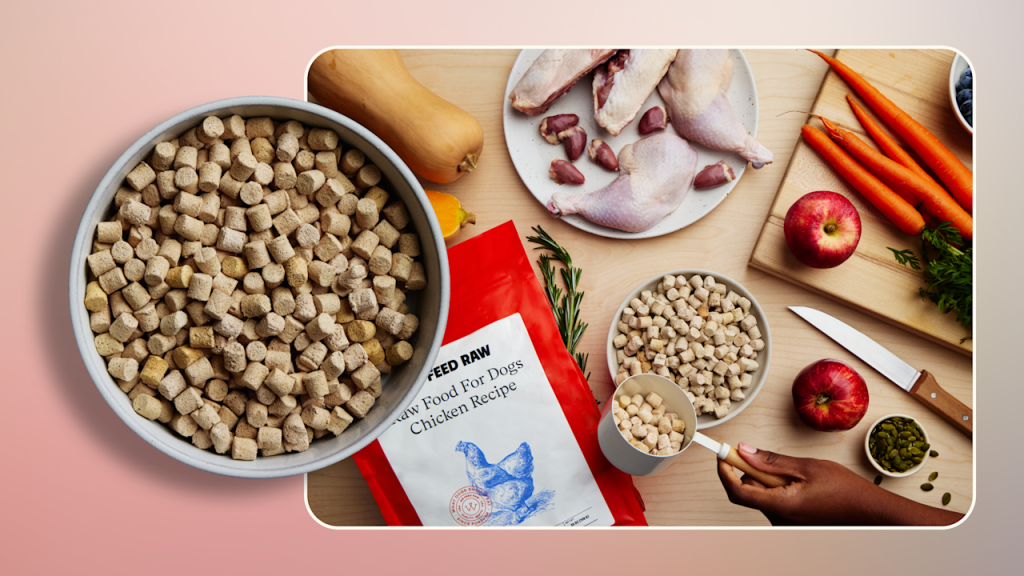
Credit: wefeedraw.com
Key Components Of Raw Dog Food
Understanding the key components of raw dog food can help you create balanced and nutritious meals for your furry friend. Each element plays a unique role in supporting your dog’s health, energy, and happiness. Knowing what to include ensures you provide a diet that meets all their natural needs.
Muscle Meat
Muscle meat forms the foundation of raw dog food. It’s rich in protein, which fuels your dog’s muscles and keeps them strong. Cuts like beef, chicken, turkey, and lamb work well and should make up the majority of your dog’s meal.
Think about the last time you saw your dog sprint around the yard. That energy comes from muscle meat packed with essential amino acids. Are you giving your dog enough of this critical protein source?
Organ Meat
Organ meat provides vital vitamins and minerals that muscle meat alone can’t offer. Liver, kidney, and heart are some of the best choices, loaded with nutrients like vitamin A, iron, and B vitamins. These help support your dog’s immune system and overall vitality.
Adding organ meat may seem unusual, but it’s a natural part of a wild dog’s diet. How often do you include these nutrient powerhouses in your dog’s meals?
Raw Bones
Raw bones serve as a source of calcium and phosphorus, essential for strong teeth and bones. They also promote healthy chewing habits and help keep your dog’s teeth clean. Never feed cooked bones, as they can splinter and cause harm.
Many dog owners notice improved dental health when raw bones are part of the diet. Have you considered how your dog’s chewing habits might benefit from raw bones?
Fresh Vegetables And Fruits
Fresh vegetables and fruits add fiber, antioxidants, and extra vitamins to your dog’s diet. Options like carrots, spinach, blueberries, and apples provide natural enzymes and nutrients that support digestion and overall wellness. Be sure to avoid toxic foods like grapes, onions, and garlic.
Including these fresh ingredients can brighten your dog’s meals and improve their gut health. What colorful veggies and fruits do you think your dog would enjoy most?
Safe Protein Sources
Choosing the right protein for your dog’s raw diet is crucial. Proteins provide essential nutrients and energy. Not all proteins are safe or suitable. It’s important to know which ones are best for your furry friend.
Beef And Lamb
Beef is rich in amino acids and minerals. It supports muscle growth and overall health. Lamb is another great option. It’s higher in fat, providing energy and aiding digestion. Ensure both are fresh and from trusted sources to avoid health risks.
Chicken And Turkey
Chicken is a lean protein, perfect for dogs needing low-fat diets. It’s easy to digest and affordable. Turkey is similar but has less fat. Both should be served without bones and skin. They are excellent for maintaining healthy weight.
Fish Varieties
Fish like salmon and sardines offer omega-3 fatty acids. These support skin and coat health. Fish is also good for joint health. Always choose fresh or frozen fish. Ensure it’s free of additives and bones.
Game Meats
Game meats like venison and rabbit provide unique nutrients. They’re less likely to cause allergies. These meats are lean and high in protein. They are ideal for dogs with sensitive stomachs or food allergies. Always source from reputable suppliers to ensure safety.
Essential Nutrients In Raw Diet
Raw food diets provide dogs with natural and vital nutrients. These nutrients support overall health and vitality. Understanding essential nutrients in raw diets helps ensure a balanced meal for your dog.
Proteins And Amino Acids
Proteins are the building blocks of muscles, skin, and fur. Raw meat, fish, and organs supply high-quality proteins. Amino acids from these proteins help repair tissues and support immune function. Dogs need a variety of amino acids for good health.
Fats And Fatty Acids
Fats are an important energy source for dogs. Raw diets include fats from animal meat and fish oils. Omega-3 and omega-6 fatty acids promote healthy skin and shiny coats. They also support brain function and reduce inflammation.
Vitamins And Minerals
Raw foods contain many essential vitamins and minerals. Organs like liver are rich in vitamin A, iron, and zinc. Vegetables and fruits add vitamins C and E. These nutrients help maintain strong bones, teeth, and overall body functions.
Enzymes And Probiotics
Raw foods have natural enzymes that aid digestion. Probiotics from raw ingredients support gut health. They improve nutrient absorption and boost the immune system. Enzymes and probiotics keep your dog’s digestive system balanced and healthy.
Foods To Avoid In Raw Diet
Feeding your dog a raw diet can be rewarding, but it’s crucial to know which foods to avoid. Some ingredients might seem healthy but can be dangerous or even toxic to dogs. Understanding these risks helps you keep your furry friend safe and thriving.
Toxic Fruits And Vegetables
Not all fruits and vegetables are safe for dogs. Grapes and raisins, for example, can cause kidney failure. Onions and garlic can damage your dog’s red blood cells, leading to anemia.
Avocado contains a substance called persin, which can be harmful in large amounts. Also, avoid cherries, as their pits contain cyanide. Always research or ask your vet before adding new produce to your dog’s diet.
Harmful Bones
Many dog owners believe bones are a great raw diet addition, but some bones can be dangerous. Cooked bones, in particular, can splinter easily and cause choking or internal injuries.
Avoid small or brittle bones like chicken bones. Larger raw bones, such as beef marrow bones, can be safer but still require supervision. Think about whether a bone could break into sharp pieces before offering it to your dog.
Processed Meats
Processed meats like sausages, deli meats, and bacon often contain high salt and fat levels. These can upset your dog’s stomach and may lead to long-term health problems like pancreatitis.
Additionally, preservatives in processed meats can be harmful. Fresh, high-quality raw meat is always a better choice for your dog’s diet. Would you want your dog eating heavily processed food every day?
Additives And Preservatives
Many commercial pet foods and human foods contain additives and preservatives that can harm your dog. Ingredients like sodium nitrite, artificial colors, and flavors may cause allergies or digestive issues.
When preparing raw food at home, keep it simple and natural. Avoid anything with added chemicals, and always check ingredient labels carefully. Your dog’s health depends on what you choose to feed them.

Credit: gorawpetfood.com
Preparing And Storing Raw Food
Preparing and storing raw food for dogs needs care and attention. Proper steps keep the food fresh and safe. This helps protect your dog’s health and ensures they enjoy every meal. Good habits in handling raw food prevent bacteria and spoilage. Follow simple rules to make feeding easier and safer.
Safe Handling Practices
- Wash hands thoroughly before and after handling raw food.
- Use separate utensils and cutting boards for raw meat.
- Keep raw food away from other foods to avoid cross-contamination.
- Clean all surfaces and tools with hot, soapy water after use.
- Wear gloves if you have cuts or sensitive skin on your hands.
Portioning And Meal Planning
Divide raw food into daily meal portions. This helps control feeding amounts and reduces waste. Use airtight containers or freezer bags to store each portion. Label each with the date and type of food. Plan meals based on your dog’s size, age, and activity level. Prepare enough for a few days to save time.
Proper Storage Techniques
- Store raw food in the coldest part of the fridge at 32-40°F (0-4°C).
- Freeze extra portions to keep them fresh longer, up to 3 months.
- Thaw frozen food in the fridge or cold water, never at room temperature.
- Use thawed food within 24 hours to avoid spoilage.
- Do not refreeze thawed raw food to maintain quality and safety.
Maintaining Hygiene
- Clean feeding bowls and utensils after every meal with hot water and soap.
- Sanitize food preparation areas regularly with pet-safe cleaners.
- Keep your dog’s eating area clean and dry.
- Store raw food away from pets and children to avoid accidents.
- Regularly check stored food for signs of spoilage or bad odor.
Transitioning To Raw Food
Switching your dog to a raw food diet needs care and patience. This change affects their digestion and energy. Start slowly to help your dog adjust without stress. Watch for any health changes during this time. Adjust food amounts to match your dog’s needs. Talk to your vet to ensure the diet is safe and balanced.
Gradual Introduction
Begin by mixing small amounts of raw food with your dog’s current diet. Increase the raw portion over two to four weeks. This helps their stomach adjust to the new food. Sudden changes can cause upset stomach or diarrhea. Patience is key during this transition phase.
Monitoring Health Changes
Observe your dog closely for any signs of discomfort or illness. Look for changes in stool, appetite, energy, and behavior. Keep a daily log of these observations. Early detection of issues can prevent serious health problems. Contact a vet if you notice anything unusual.
Adjusting Portions
Start with small servings and increase gradually. Dogs need enough calories for energy but not too much. Monitor your dog’s weight and body condition regularly. Adjust food amounts based on activity level and weight changes. Proper portions keep your dog healthy and active.
Consulting A Veterinarian
Speak with a vet before making any diet changes. A vet can advise on the right raw food balance for your dog. They may suggest supplements to fill nutritional gaps. Regular check-ups ensure your dog stays healthy on the new diet. Professional guidance makes the transition safer and easier.
Common Myths About Raw Feeding
Raw feeding for dogs has many myths that cause confusion. Some people believe raw diets are unsafe or incomplete. Others think feeding raw food is too costly or hard to manage. These myths stop many dog owners from trying raw food. Understanding the facts helps make better choices for your dog’s health.
Raw Diet Risks
Many believe raw diets carry high risks of bacteria and parasites. Proper handling and sourcing reduce these risks significantly. Freezing raw meat kills most parasites. Using clean utensils and surfaces limits contamination. Dogs’ stomachs are designed to handle some bacteria. Still, raw food should be fresh and stored correctly to keep dogs safe.
Nutritional Deficiencies
Some think raw diets lack essential nutrients. Balanced raw meals include meat, bones, organs, and vegetables. This mix provides protein, vitamins, and minerals dogs need. Commercial raw diets often have added supplements. Homemade recipes need careful planning to avoid gaps. Consulting with a vet or nutritionist ensures a complete diet.
Cost And Convenience
Raw feeding is often seen as expensive and time-consuming. Costs vary depending on meat types and sources. Buying in bulk or local markets can lower prices. Preparing raw meals requires some planning but saves time over cooking. Many owners find raw feeding manageable with routine. Convenience improves with experience and simple recipes.
Raw Food And Dental Health
Raw food is thought to improve dogs’ dental health. Chewing raw bones can help clean teeth naturally. It reduces plaque and tartar buildup. Avoid cooked bones, as they can splinter and harm dogs. Raw diets support healthier gums and fresher breath. Regular dental check-ups remain important for all dogs.

Credit: www.reddogbluekat.com
Frequently Asked Questions
What Are The Best Raw Meats For Dogs?
Good raw meats for dogs include chicken, beef, turkey, and lamb. These meats provide essential protein and nutrients for healthy growth and energy. Always choose fresh, high-quality cuts and avoid processed or seasoned meats to ensure safety and optimal nutrition.
Can Dogs Eat Raw Vegetables Safely?
Yes, dogs can eat certain raw vegetables safely. Carrots, spinach, and green beans are great options. These veggies offer fiber, vitamins, and antioxidants, supporting digestion and overall health. Always wash vegetables thoroughly and introduce them gradually to avoid digestive upset.
How To Balance A Raw Food Diet For Dogs?
A balanced raw diet includes muscle meat, organs, bones, and vegetables. Ensure the right ratio: about 80% muscle meat, 10% organs, and 10% edible bones. This balance provides proteins, fats, calcium, and essential nutrients for your dog’s well-being.
Are Raw Eggs Good For Dogs?
Raw eggs are nutritious and safe for most dogs in moderation. They provide high-quality protein, fatty acids, and vitamins. However, feed eggs occasionally and ensure they come from clean, reliable sources to reduce the risk of salmonella or biotin deficiency.
Conclusion
Good raw food keeps dogs healthy and happy. Fresh meat, bones, and vegetables provide key nutrients. Avoid harmful ingredients like onions or grapes. Balanced meals support strong muscles and shiny coats. Always check with a vet before changing diets. Feeding raw food takes care and attention.
Your dog will enjoy natural flavors and better energy. A proper raw diet helps dogs live longer and feel great. Simple, fresh ingredients make a big difference in their health. Choose quality raw foods for your dog’s wellbeing.