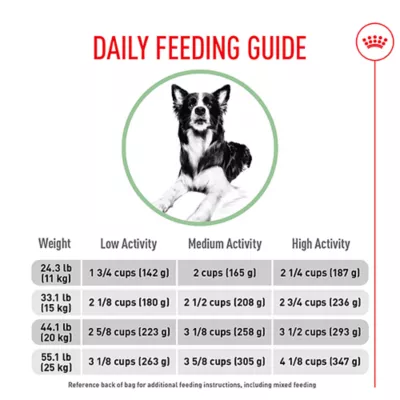

Are you wondering how much food your adult dog really needs every day? Feeding your dog the right amount is one of the most important things you can do for their health and happiness.
Too much food can lead to weight gain and health problems, while too little can leave your dog tired and hungry. You’ll discover simple tips and clear guidelines to help you find the perfect feeding balance for your furry friend.
Keep reading to make sure you’re giving your dog just the right amount to thrive!
Daily Calorie Needs
Understanding your adult dog’s daily calorie needs is key to keeping them healthy and energetic. Calories fuel everything your dog does, from playful runs to simple breathing. Giving too much or too little food can lead to health problems, so knowing the right amount is essential.
Factors Affecting Calorie Requirements
Not all dogs burn calories the same way. Factors like age, weight, and activity level play a big role in how much energy your dog needs daily.
- Age:Older dogs usually need fewer calories because they are less active.
- Weight:Larger dogs require more calories, but overweight dogs need less to avoid extra weight gain.
- Activity Level:A highly active dog, like a working or sporting dog, burns more calories than a couch potato.
- Health Status:Dogs with certain health issues may have different calorie needs.
I once had a very active Labrador who needed almost double the calories of my older, more sedentary Beagle. It was a clear sign that activity influences calorie needs more than just weight alone.
Calculating Your Dog’s Calorie Needs
You can estimate your dog’s daily calorie needs using a simple formula based on their Resting Energy Requirement (RER). RER calculates the calories your dog needs at rest, then you adjust it based on activity.
| Step | Calculation | Description |
|---|---|---|
| Calculate RER | 70 × (body weight in kg)0.75 | Calories needed at rest |
| Multiply by Activity Factor | RER × activity multiplier | Adjusts calories based on activity level |
Activity multipliers typically range from 1.2 for inactive dogs to 2.0 or more for very active dogs. For example, a 20 kg dog with moderate activity might need:
RER = 70 × (20)0.75≈ 662 calories
Daily Calories = 662 × 1.5 = 993 calories
Does your dog’s current food amount match this calculation? If not, adjusting their meals could improve their energy and weight.
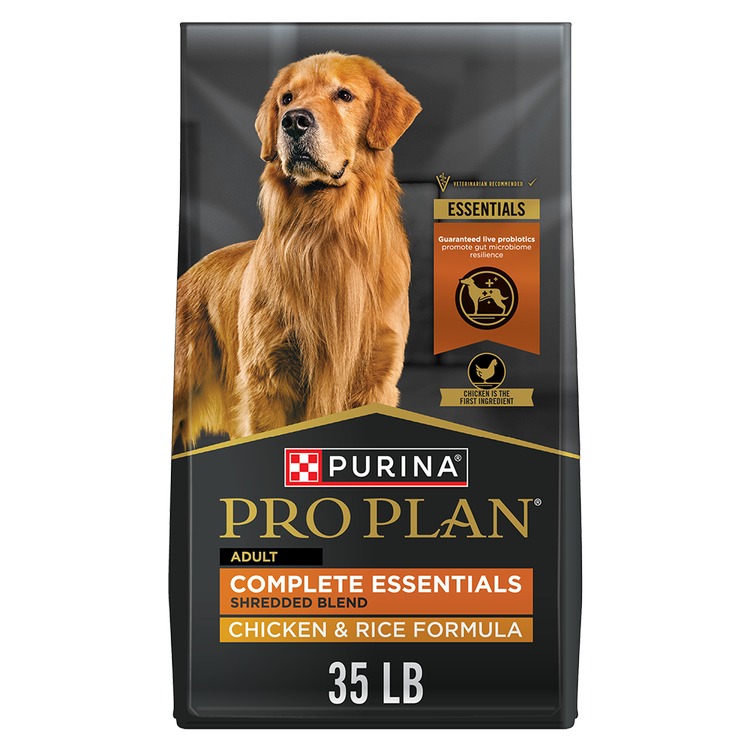
Credit: www.purina.com
Portion Sizes By Weight
Portion sizes for adult dogs vary mainly by weight. Feeding the right amount helps keep dogs healthy and active. Dogs need energy from food to maintain their body and daily activities. Too little food can cause weakness, and too much can lead to weight gain. Understanding portion sizes by weight is essential for balanced feeding.
Small Breeds
Small breed dogs weigh less than 20 pounds. They need smaller portions but more frequent meals. Usually, feed them about ¼ to ¾ cup of dry food daily. Split this into two meals to avoid stomach upset. Small breeds have fast metabolisms and high energy.
Medium Breeds
Medium breed dogs weigh between 20 and 50 pounds. Their daily food amount ranges from 1 to 2 cups. Feeding twice a day works well. Adjust portions based on activity level and age. Medium breeds require balanced nutrition to support muscles and bones.
Large Breeds
Large breed dogs weigh over 50 pounds. They eat 2 to 4 cups of food daily. Feeding two or three times helps digestion. Large breeds grow slower and need controlled portions. Too much food can cause joint problems and obesity. Monitor weight to keep portions right.
Age And Activity Levels
Understanding how much food your adult dog needs is crucial. Age and activity levels play a significant role. A young, energetic dog will have different needs than an older, less active one. Adjusting food portions ensures your dog stays healthy and happy.
Active Vs. Sedentary Dogs
Active dogs burn more calories daily. They require more food to maintain energy. High-energy breeds or working dogs need nutrient-rich diets. Sedentary dogs, however, need fewer calories. Overfeeding can lead to weight issues. Monitor your dog’s activity and adjust portions accordingly.
Senior Dog Feeding Tips
Senior dogs have different nutritional needs. They might be less active and need fewer calories. Consider senior dog food formulas. These often contain joint-supporting nutrients. Keep an eye on their weight and adjust portions as needed. Regular vet check-ups can help guide dietary changes.
Types Of Dog Food
Choosing the right type of food for your adult dog is key to keeping them healthy and happy. Different types of dog food offer various benefits and challenges. Understanding these can help you decide what suits your dog’s lifestyle and nutritional needs best.
Dry Kibble
Dry kibble is the most common type of dog food. It’s convenient, easy to store, and usually more affordable than other options.
Kibble helps keep your dog’s teeth clean by reducing plaque buildup. However, check the ingredient list carefully—some brands use fillers that add little nutritional value.
Have you noticed how your dog’s energy levels change with different kibble brands? Sometimes switching brands can improve their digestion and vitality.
Wet Food
Wet food contains higher moisture content, which can help keep your dog hydrated. It’s often more palatable, especially for picky eaters or dogs with dental issues.
Wet food can be more expensive and less convenient to store once opened. Always refrigerate leftovers and watch for signs of spoilage.
If your dog is hesitant to eat dry food, mixing in wet food might encourage better eating habits. Have you tried this approach yet?
Raw And Homemade Diets
Raw and homemade diets give you full control over your dog’s ingredients. Many owners prefer this for freshness and avoiding additives.
Preparing these meals requires effort and knowledge to ensure balanced nutrition. Missing key nutrients can lead to serious health problems over time.
Before switching to a raw or homemade diet, consider consulting a vet or pet nutritionist. What’s your experience with preparing meals at home for your dog?
Measuring And Adjusting Portions
Measuring and adjusting your adult dog’s food portions ensures proper nutrition and health. Dogs need the right amount of food to maintain a healthy weight and energy levels. Overfeeding can lead to obesity, while underfeeding may cause nutrient deficiencies. Careful portion control helps keep your dog fit and active.
Using Measuring Tools
Use a standard measuring cup for dry food to control portions precisely. Scoops designed for pet food also work well. Avoid guessing or free-feeding, which can lead to overeating. Measuring tools help you give consistent food amounts every day.
For wet food, use a kitchen scale for accurate portion sizes. Check the feeding guidelines on the food package. Adjust based on your dog’s size, activity, and age. Measuring tools reduce waste and ensure your dog gets enough nutrients.
Monitoring Weight And Health
Track your dog’s weight regularly using a home scale or vet visits. Note any changes in weight or body condition. A healthy dog has a visible waist and ribs you can feel but not see clearly.
Observe your dog’s energy and behavior. Changes might mean you need to adjust food portions. Consult your vet for advice if your dog gains or loses too much weight. Regular monitoring helps maintain a balanced diet and prevents health issues.
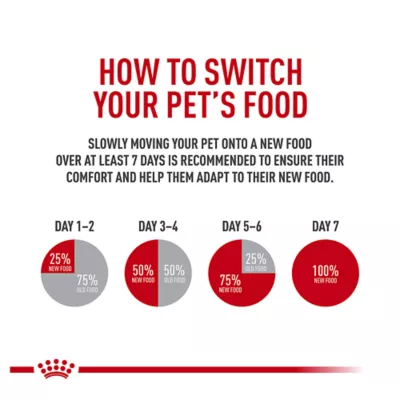
Credit: www.petsmart.ca
Feeding Frequency
Feeding frequency plays a key role in maintaining a dog’s health and energy. Adult dogs do not need to eat as often as puppies. The right feeding schedule helps with digestion and keeps your dog satisfied throughout the day. It also supports a healthy weight and prevents overeating.
Meal Timing Options
Most adult dogs do well with two meals per day. One meal in the morning and one in the evening fits many routines. Some owners prefer feeding their dogs once a day. This option works if the dog stays active and healthy. Smaller, more frequent meals suit certain dogs with special needs. Feeding times should stay consistent every day to build a routine.
Benefits Of Scheduled Feeding
- Prevents overeating and obesity
- Helps regulate digestion and bowel movements
- Reduces begging and anxiety around food
- Allows monitoring of appetite and health changes
- Supports training and behavior through meal rewards
Scheduled feeding creates structure for both you and your dog. It encourages good habits and better health. Free feeding, or leaving food out all day, may cause overeating and waste. Keeping set meal times makes it easier to track food intake and adjust portions as needed.
Common Feeding Mistakes
Feeding an adult dog sounds simple but often goes wrong. Many pet owners make common mistakes that affect their dog’s health and happiness. Knowing these errors helps you feed your dog the right amount and keep them fit.
Overfeeding Risks
Giving too much food leads to weight gain and obesity. Extra pounds put stress on joints and organs. Overfeeding can cause diabetes and heart problems. Dogs may become less active and feel tired. Overeating also raises the risk of digestive issues. Avoid free-feeding and measure portions carefully.
Underfeeding Consequences
Feeding too little food causes weakness and poor growth. Dogs may lose muscle and have low energy. Nutrient shortages harm the skin, coat, and immune system. Underfeeding can lead to behavioral problems like irritability. It slows metabolism and reduces lifespan. Always adjust food quantity to match activity and age.
Credit: www.petmd.com
Special Dietary Needs
Special dietary needs affect how much food an adult dog should eat. Some dogs have unique requirements that change their diet. Understanding these needs helps keep dogs healthy and happy.
Allergies And Sensitivities
Dogs can develop allergies to certain foods. Common allergens include beef, dairy, wheat, and chicken. Food sensitivities may cause itching, digestive upset, or ear infections.
Feeding hypoallergenic or limited-ingredient diets can reduce reactions. These diets avoid common allergens. Always watch your dog’s response to new foods.
Medical Conditions Impacting Diet
Certain illnesses require special diets. Dogs with kidney disease may need low-protein food. Those with diabetes benefit from consistent carbohydrate levels.
Weight management diets help overweight dogs. Dogs with heart disease often need low-sodium meals. Your vet can recommend the best diet for your dog’s condition.
Frequently Asked Questions
How Much Food Should An Adult Dog Eat Daily?
Adult dogs typically need 2-3% of their body weight in food daily. This varies by breed, activity level, and metabolism. Consult your vet for precise portions tailored to your dog’s needs.
Does Dog Food Portion Depend On Breed Size?
Yes, breed size affects food portions. Larger breeds require more calories and food than smaller breeds. Adjust portions to maintain a healthy weight for your dog’s size.
How Do Activity Levels Affect Adult Dog Food Amounts?
Active dogs burn more calories and need larger food portions. Less active or senior dogs require smaller portions to avoid weight gain. Adjust feeding based on your dog’s lifestyle.
Can Feeding Too Much Harm An Adult Dog?
Overfeeding can lead to obesity and health problems like diabetes. Proper portion control is essential for your dog’s longevity and wellbeing. Follow vet guidelines to avoid overfeeding.
Conclusion
Feeding an adult dog the right amount keeps them healthy and happy. Watch their weight and energy to adjust food as needed. Every dog is different, so check their needs often. Choose good quality food and feed on a regular schedule.
Small changes can make a big difference in your dog’s life. Keep learning and caring, and your dog will thank you. Simple steps lead to a strong, happy companion.


