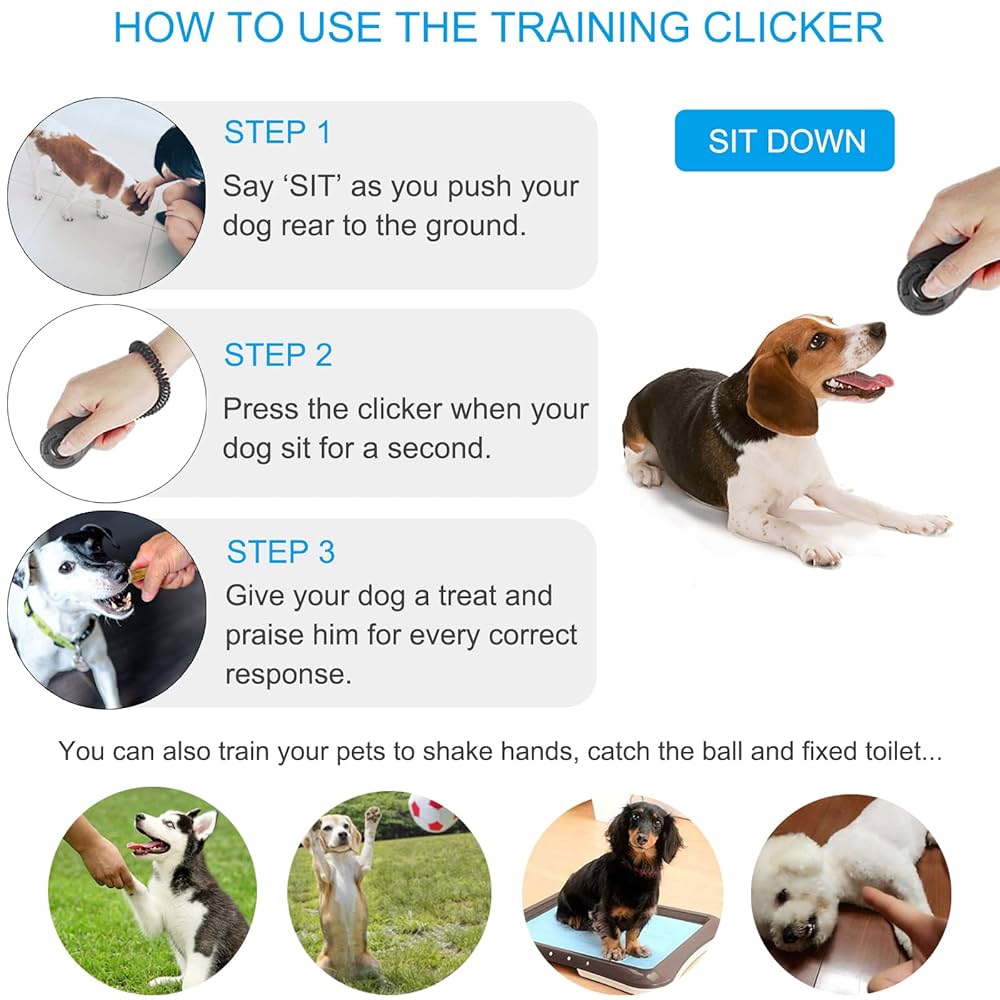

If you want your dog to learn new tricks quickly and happily, clicker training might be the answer. Imagine having a simple, clear way to communicate with your furry friend that makes training fun for both of you.
In this guide, you’ll discover how to use a clicker to teach your dog good behavior step by step. Whether your dog is a playful puppy or a stubborn adult, this method can help you build a stronger bond and get impressive results.
Ready to see your dog respond eagerly to your commands? Keep reading to find out how to start clicker training today.
Credit: shop.clickertraining.com
Choosing The Right Clicker
Choosing a clicker with a clear, sharp sound helps your dog recognize the signal easily. Small, lightweight clickers fit comfortably in your hand for quick training sessions. Durability matters to ensure the clicker lasts through many uses.
Choosing the right clicker is key to successful dog training. A clicker is a small device that makes a sound. This sound marks a behavior you want to reinforce. Selecting the best clicker ensures clear communication with your dog. Let’s explore how to make the right choice.Types Of Clickers
There are different types of clickers available. Some are basic, while others have more features. Basic clickers are simple and affordable. They are ideal for beginners. Advanced clickers might offer adjustable volume. These are useful for sensitive dogs. Choose a type that suits your dog’s needs and your training style.Size And Shape Considerations
Clickers come in various sizes and shapes. Some are small and fit in your hand. Others have a wrist strap for convenience. Consider what feels comfortable for you. A comfortable clicker makes training sessions easier. It also allows you to focus on your dog.Sound Clarity
The sound clarity of a clicker is important. A clear, distinct click is best. It should be easy for your dog to recognize. Avoid clickers with muffled or unclear sounds. Test a few to find one that sounds right.Durability And Quality
Durability matters for training tools. Look for a clicker that is well-made. It should withstand daily use. High-quality clickers last longer and maintain their sound. A durable clicker is a good investment in your dog’s training.Price Range
Clickers are generally affordable. Prices can vary based on features and brand. Decide on a budget for your clicker. Remember, a higher price doesn’t always mean better quality. Balance cost with the features you need. By choosing the right clicker, you set the stage for effective training. Your dog will respond better with a clicker that suits both of you.Getting Your Dog Ready
Preparing your dog for clicker training is the first step to success. This phase sets the stage for clear communication between you and your pet. It helps your dog understand what to expect and how to respond. A well-prepared dog learns faster and stays focused during training sessions.
Creating A Calm Environment
Choose a quiet place with few distractions. This helps your dog concentrate on the training. Make sure the area is safe and comfortable. Avoid loud noises or other pets nearby. A calm space encourages your dog to pay attention to you.
Show your dog the clicker and let them hear its sound. Click once and immediately give a treat. Repeat this several times so your dog links the click sound with rewards. This step is crucial to build positive association.
Choosing The Right Treats
Select small, tasty treats your dog loves. The treats should be soft and easy to chew quickly. Avoid giving large pieces that slow down training. Use treats that keep your dog motivated and focused.
Setting Short Training Sessions
Keep initial sessions brief, around 5 to 10 minutes. Short sessions prevent your dog from getting bored or tired. End each session on a positive note. Frequent short sessions work better than long, tiring ones.
Introducing The Clicker
Introducing a clicker to your dog is the first step in effective clicker training. The clicker is a small device that makes a distinct sound. It marks the exact moment your dog performs a desired behavior. This clear signal helps your dog understand what action earned a reward.
Dogs learn best when training is consistent and clear. The clicker acts as a bridge between the behavior and the treat. It helps your dog connect their action with something positive. Getting your dog used to the clicker is simple and fun.
Pairing Clicker With Treats
Start by showing the clicker to your dog. Press it once, then immediately give a tasty treat. Repeat this several times to create a connection.
- Click once
- Give a small, tasty treat
- Wait a few seconds
- Repeat 5 to 10 times
Your dog will soon learn that the clicking sound means a treat is coming. This step is crucial to make the clicker effective in training.
Timing The Click
Timing is key when using the clicker. Click at the exact moment your dog does the right thing. This helps your dog know exactly what behavior you want.
If you click too early or too late, your dog may get confused. Practice clicking as soon as your dog performs the action. Then, give a treat right after the click.
Good timing builds clear communication between you and your dog. It makes training faster and more enjoyable.

Credit: www.reddit.com
Teaching Basic Commands
Teaching your dog basic commands through clicker training sets a strong foundation for good behavior and clear communication. It helps your dog understand exactly what you want, making learning faster and more enjoyable for both of you. Let’s break down some essential commands that every dog should know and how to teach them using the clicker effectively.
Sit
Start by holding a treat close to your dog’s nose. Slowly move your hand upward, allowing their head to follow the treat and causing their bottom to lower into a sitting position. The moment their rear hits the ground, click the clicker and immediately give the treat.
Repeating this process several times in short sessions helps your dog associate the action with the command and the clicker’s sound. Once your dog sits consistently, add the verbal cue “sit” just before you move your hand. Have you noticed how quickly dogs pick up on clear signals when you reward them right away?
Stay
Ask your dog to sit, then show your palm toward them and say “stay.” Take a small step back and if your dog holds the position even for a second, click and reward. Gradually increase the distance and duration before clicking and treating.
Patience is key here—if your dog moves, calmly bring them back and try again. This command builds impulse control and helps your dog learn to wait for your release. How long do you think your dog can stay focused before moving?
Come
Attach a long leash and gently pull it while saying “come” in a happy, encouraging tone. When your dog moves toward you, click and reward immediately. Make the experience fun so your dog wants to return to you every time.
Practice this command in different environments to strengthen it. Avoid calling your dog for something they dislike, or they might hesitate. Can you imagine how much safer your dog becomes once they reliably come when called?
Reinforcing Good Behavior
Reinforcing good behavior is the heart of clicker training. Your dog learns best when you clearly mark the exact moment they do something right and immediately follow it with a reward. This helps your dog understand which actions you want to see more often, building a positive connection between behavior and reward.
Consistent Rewards
Consistency in rewards is crucial. Every time your dog performs the desired behavior, click and reward without hesitation. This steady pattern helps your dog link the click sound with a positive outcome, making the learning process faster.
Try to keep your rewards varied but predictable. Use treats your dog loves, but also consider praise or play as rewards. This keeps your dog motivated and prevents boredom.
Ask yourself: Are you rewarding your dog every time or only sometimes? Inconsistent rewards can confuse your dog and slow progress. Make sure your timing is spot on—click the moment the behavior happens, then reward immediately.
Avoiding Common Mistakes
One common mistake is clicking without following up with a reward. The click should always signal something good is coming. If your dog hears the click but doesn’t get a treat or praise, they might get confused or lose interest.
Another pitfall is rewarding too late. If you wait too long after the behavior, your dog won’t connect the dots. Keep your rewards quick and relevant to maintain clear communication.
Also, avoid overusing the clicker on unwanted behavior or as background noise. The clicker should only mark the exact behavior you want to reinforce. This keeps the training clear and effective.
Advanced Clicker Training
Advanced clicker training takes your dog’s learning to a new level. It goes beyond basic commands and opens doors to creative tricks and problem-solving skills. This stage challenges both you and your dog, making training fun and mentally stimulating.
Tricks And Commands
Once your dog masters simple commands, you can teach more complex tricks using the clicker. Try combining behaviors, like rolling over then playing dead, to keep your dog engaged. Use the clicker to mark precise moments, helping your dog understand exactly what you want.
Introduce commands that require your dog to think, such as fetching specific items by name or opening doors. Break each trick into small steps and click to reward each success. This method builds confidence and sharpens your dog’s focus.
- Teach your dog to weave through your legs while walking.
- Train your dog to balance treats on their nose before catching them.
- Work on distance commands where your dog responds from several feet away.
Problem Solving
Clicker training can help your dog develop problem-solving skills. Present puzzles or challenges, then click and reward every attempt your dog makes to solve them. This approach encourages persistence and creativity.
For example, hide treats inside a toy that requires manipulation to release the reward. Click the moment your dog interacts correctly, even if the full solution isn’t achieved yet. This teaches patience and understanding of cause and effect.
Have you noticed how your dog reacts when faced with a new challenge? Use the clicker to reward curiosity and investigation. This way, you foster independent thinking while keeping training structured and fun.
Tips For Quick Success
Quick success in clicker training depends on smart practice habits. Small changes can make a big difference. Focused sessions and a positive attitude help your dog learn faster. Here are some tips to speed up the process and keep training fun for both of you.
Short Sessions
Keep training sessions brief and focused. Aim for 5 to 10 minutes per session. Dogs learn better with frequent, short lessons than long, tiring ones. Stop before your dog loses interest or gets distracted. Multiple short sessions throughout the day work well. This keeps your dog eager and ready to learn each time.
Patience And Positivity
Stay calm and encouraging during training. Celebrate small wins with treats and praise. Avoid frustration or harsh tones. Your dog responds best to kindness and clear signals. Patience helps your dog understand what you want. Positive energy builds trust and makes training a happy experience.

Credit: apps.apple.com
Frequently Asked Questions
What Is Clicker Training For Dogs?
Clicker training is a positive reinforcement method. It uses a distinct sound to mark desired behaviors. This helps dogs understand and repeat those behaviors quickly and effectively.
How Do I Start Clicker Training My Dog?
Begin by associating the clicker sound with a treat. Click and immediately reward your dog. Repeat until your dog links the click with a reward.
How Often Should I Click And Reward During Training?
Click and reward every time your dog performs the desired behavior. Consistency strengthens learning. Gradually reduce treats but keep the click as a marker.
Can Clicker Training Fix Bad Dog Behaviors?
Yes, clicker training encourages good behavior by rewarding it. It replaces bad habits with positive actions. Patience and consistency are key to success.
Conclusion
Clicker training helps build trust between you and your dog. It makes learning fun and clear for your pet. Practice often, stay patient, and reward good behavior. Small steps lead to big progress over time. Your dog will enjoy training sessions more each day.
This method creates a positive experience for both of you. Keep consistency and kindness at the heart of training. Soon, your dog will understand commands better and behave well. Try clicker training to strengthen your bond today.


