Traveling by car with your dog can be an amazing experience, but it also comes with its challenges. You want your furry friend to be safe, comfortable, and happy throughout the trip.
Imagine avoiding restless whining, endless stops, and worries about your dog’s health on the road. You’ll discover simple tips and smart tricks that make every car ride enjoyable for both you and your dog. Keep reading, and get ready to turn your next trip into a smooth, stress-free adventure for you and your best friend.
Credit: caaneo.ca
Preparing Your Dog For The Trip
Traveling by car with your dog can be fun and safe with good preparation. Preparing your dog for the trip helps reduce stress for both of you. It also makes the journey more enjoyable and smooth. Start planning early to ensure a happy travel experience.
Health Check And Vaccinations
Visit the vet before the trip to check your dog’s health. Make sure all vaccinations are up to date. Ask the vet about any travel-related health concerns. Carry a copy of your dog’s medical records. This can be useful in case of emergencies during the trip.
Packing Dog Essentials
Pack items your dog needs for comfort and safety. Include:
- Food and water bowls
- Enough dog food for the trip
- Leash and collar with ID tags
- Waste bags for cleaning up
- Favorite toys and blankets
- Medications prescribed by the vet
These essentials keep your dog calm and well cared for.
Acclimating To The Car
Help your dog get used to the car before the trip. Start with short drives around the neighborhood. Use treats and praise to create positive associations. Let your dog explore the car while it is parked. Gradually increase the driving time to build comfort. This reduces anxiety and motion sickness during long trips.

Credit: petfriendlybox.com
Safety Measures On The Road
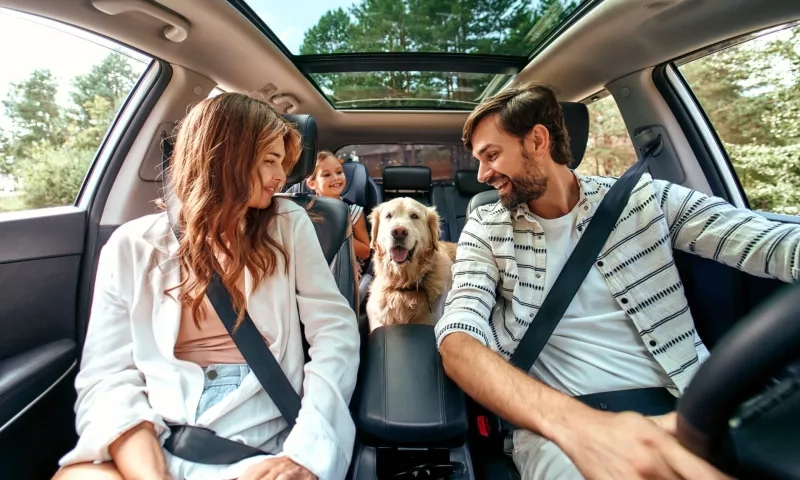
Traveling by car with your dog requires careful planning to keep everyone safe. Dogs can be unpredictable in a moving vehicle. Taking safety measures reduces risks and ensures a smooth trip. It protects your dog and all passengers on the road.
Choosing The Right Restraint
Dogs should be secured to prevent injuries during sudden stops. Use a harness that attaches to the seatbelt or a travel crate. Harnesses limit movement and keep dogs stable. Crates offer full protection and reduce distraction for drivers. Avoid letting dogs roam freely inside the car.
Securing The Vehicle
Check that all windows are closed or open just a bit for fresh air. Never let your dog hang its head out of the window. Secure loose items that could harm your dog during sharp turns. Use barriers to keep dogs in the back seat or cargo area. This prevents them from jumping to the front while driving.
Avoiding Driver Distractions
Dogs can cause distractions by barking or moving around. Prepare toys or chew treats to keep your dog calm. Plan regular stops for bathroom breaks and exercise. Avoid feeding your dog while driving to prevent messes and choking. Keep your focus on the road to protect all passengers.
Comfort During The Journey
Keeping your dog safe and calm during car rides helps make travel enjoyable for both of you. Soft bedding and frequent breaks provide comfort and reduce stress along the way.
Comfort during the journey is crucial for a happy road trip with your dog. Dogs can get restless and uneasy during long drives. Ensuring their comfort keeps them calm and safe. There are several ways to make the trip enjoyable for your furry friend.Temperature Control
Temperature inside the car should be comfortable for your dog. Too hot or too cold can make them anxious. Use the air conditioner or heater as needed. Ensure proper airflow in the car. Open windows slightly for fresh air. Never leave your dog alone in a parked car.Providing Water And Snacks
Keep your dog hydrated during the trip. Use a spill-proof water bowl. Offer water at regular intervals. Pack some healthy snacks for your dog. Choose snacks they enjoy and are easy to digest. Avoid feeding them large meals before travel. It can help prevent motion sickness.Taking Regular Breaks
Plan stops along your route. Dogs need to stretch and relieve themselves. Walk them during breaks to burn off energy. It helps reduce their stress. Breaks keep your dog comfortable and happy. Aim for a stop every two hours. Keep them on a leash in unfamiliar places. Safety first, always.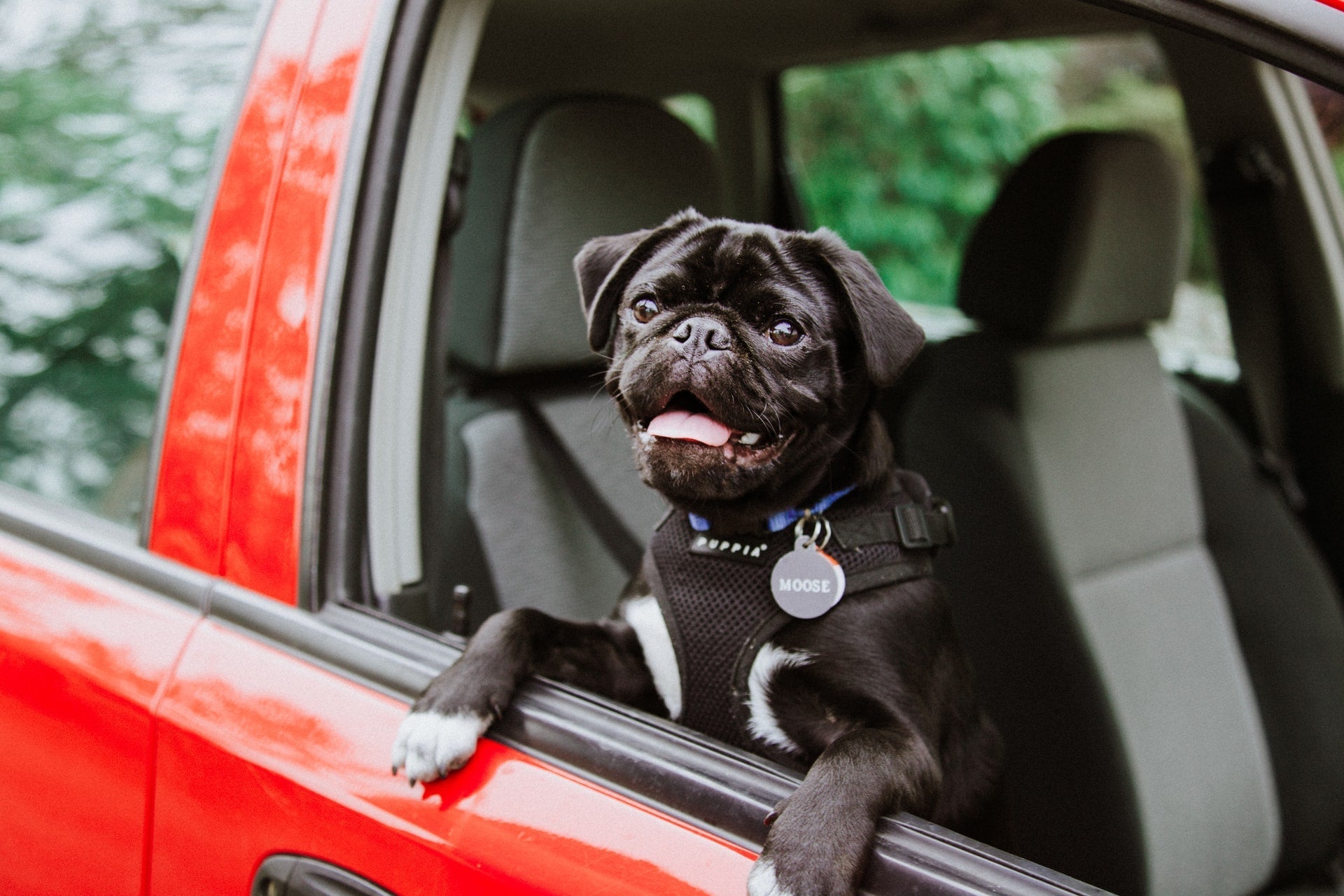
Credit: www.pethonesty.com
Managing Behavior In The Car
Traveling by car with your dog can be an exciting adventure, but managing their behavior during the ride is crucial for a smooth journey. Dogs may feel anxious, restless, or even nauseous, which can make the trip stressful for both of you. Understanding how to calm your dog, keep them entertained, and handle any motion sickness will make every mile more enjoyable.
Calming Anxious Dogs
Does your dog shake or bark the moment you start the engine? Many dogs get anxious in cars because they associate travel with discomfort or unfamiliar experiences.
Try using a favorite blanket or toy to create a sense of comfort. Gentle petting and soft talk can also reduce stress. If anxiety is severe, consider short practice drives paired with treats to build positive associations.
Keeping Your Dog Entertained
Long drives can get boring for your dog, leading to restlessness or whining. Bringing along interactive toys, like puzzle feeders, can keep their mind busy.
Stopping regularly for short walks lets your dog stretch and burn off energy. Have you noticed how a quick break can turn a cranky pup into a happy traveler?
Handling Motion Sickness
Some dogs get car sick, showing symptoms like drooling, vomiting, or pacing. If your dog is prone to motion sickness, try feeding smaller meals before the trip and avoid greasy snacks.
Keeping the car well-ventilated and driving smoothly helps reduce nausea. Consult your vet about medications or natural remedies if motion sickness persists.
Planning Dog-friendly Stops
Planning dog-friendly stops during your car trip can make all the difference in keeping your furry friend happy and calm. It’s not just about finding a place to stretch legs, but ensuring those stops are safe, comfortable, and enjoyable for your dog. Thoughtful breaks reduce stress for both of you and keep the journey smooth.
Finding Pet-friendly Rest Areas
Not every rest stop welcomes dogs, so research is key before you hit the road. Use apps and websites that list pet-friendly rest areas, parks, and even gas stations with dog amenities. Look for spots with shaded areas, water fountains, and waste disposal bins to make your stop hassle-free.
On a recent trip, I found a small rest area with a fenced dog run. It allowed my dog to roam freely without leashes, which made a huge difference in her mood for the next few hours. Have you checked if your planned stops offer safe, off-leash zones for your dog?
Exercise And Potty Breaks
Dogs need regular chances to relieve themselves and burn off energy during long drives. Schedule breaks every two to three hours to avoid discomfort and restlessness. Use these moments for a quick walk or a short play session to refresh your dog’s mind and body.
If your dog is particularly anxious, bringing a favorite toy or treat during these breaks can create positive associations with the stops. Don’t rush; a calm, unhurried walk can reduce stress and prevent accidents inside the car. What activities does your dog enjoy most during breaks?
Local Regulations And Etiquette
Rules about dogs vary widely depending on the state or country you’re traveling through. Some places require dogs to be on a leash at all times, while others might restrict dogs from certain rest areas or parks. Check local laws ahead of time to avoid fines or uncomfortable situations.
Respecting other travelers is just as important. Always clean up after your dog and keep noise to a minimum. Have you ever encountered a situation where following local dog rules made your trip easier or more pleasant?
Post-trip Care
After a long car trip with your dog, the journey isn’t quite over. Post-trip care is essential to ensure your furry friend recovers comfortably and stays happy. Taking a few simple steps can make a big difference in how your dog feels and behaves once you’ve reached your destination or returned home.
Checking For Travel Fatigue
Dogs can get tired and stressed from hours in the car, even if they seem fine at first. Look for signs like excessive yawning, heavy panting, or reluctance to move. If your dog seems unusually quiet or restless, they might need some quiet time to recharge.
After my last trip, my dog refused to eat for a few hours and just wanted to lie down. Giving her a calm space with her favorite blanket helped her relax quickly. How do you usually tell when your dog has had enough on the road?
Cleaning Up
Travel often means dirt, drool, and sometimes accidents. Clean your dog’s paws, coat, and face gently to remove any grime or debris picked up during the trip. This not only keeps them comfortable but also protects your home from bringing in outside dirt.
Check their ears and eyes for any signs of irritation caused by dust or wind. A quick wipe-down with pet-safe wipes or a damp cloth can do wonders. Remember to wash their travel bowls and toys too, to prevent any bacteria buildup.
Rewarding Good Behavior
After a long trip, your dog deserves praise for staying calm and patient. Use treats, gentle petting, or playtime to reinforce positive behavior during travel. This encourages your dog to associate car rides with good outcomes.
I noticed my dog was much calmer on our last trip after I consistently rewarded her for sitting quietly. What kind of rewards does your dog respond to best after a trip?
Frequently Asked Questions
How To Keep My Dog Safe During Car Travel?
Use a well-fitted dog seatbelt or a secured crate. Never let your dog roam freely in the car. Keep windows partially open for ventilation. Avoid leaving your dog alone in a parked car, especially in hot weather.
What Essentials Should I Pack For Dog Travel?
Pack water, a travel bowl, leash, poop bags, and your dog’s favorite toys. Bring a blanket or bed for comfort. Carry any necessary medications and vaccination records. These items ensure your dog’s comfort and safety during the trip.
How Can I Prevent Car Sickness In Dogs?
Feed your dog a light meal a few hours before travel. Keep the car well-ventilated and avoid sudden stops. Take breaks for bathroom and water. Consult your vet for anti-nausea medication if your dog frequently gets sick.
Is It Okay To Open Car Windows For My Dog?
Yes, open windows partially to provide fresh air. Avoid letting your dog stick its head outside to prevent injuries. Use window guards or keep windows at a safe height. Proper ventilation helps reduce anxiety and motion sickness.
Conclusion
Traveling by car with your dog can be fun and safe. Plan breaks for your pet to stretch and drink water. Keep your dog comfortable with a seatbelt or crate. Bring favorite toys and snacks to keep them happy. Watch your dog closely for signs of stress or tiredness.
Enjoy the journey together and make great memories. Safe travels make every trip better for you and your dog.