

Are you wondering when the right time is to switch your furry friend from puppy food to adult dog food? Feeding your dog the right food at the right age is crucial for their health and happiness.
If you make the change too early or too late, it could affect their growth, energy, and overall well-being. You’ll discover clear signs and expert tips to know exactly when to make this important transition. Keep reading to ensure your dog gets the nutrition they need at every stage of life.

Credit: jiminys.com
Signs Your Dog Is Ready
Knowing when to switch your dog to adult food can feel tricky. Instead of guessing, watch for clear signs your dog is ready to make the change. These signs often come from their age, size, and behavior.
Age Milestones
Puppies usually start eating adult food between 9 to 12 months old. Small breeds might be ready closer to 9 months, while larger breeds often need up to 12 months or more. Keep in mind, age is a guideline—not a strict rule.
Have you noticed your pup reaching a certain birthday and suddenly acting more mature? That’s a good hint they might be ready for adult food. Always check with your vet if you’re unsure about timing.
Weight And Size Considerations
Your dog’s weight plays a big role in switching their diet. When your dog reaches about 80% of their expected adult weight, it’s often a sign they can handle adult food.
For example, a medium-sized dog weighing 40 pounds at 10 months might be ready, while a Great Dane at the same age could still be growing. If your dog is still filling out or looks lean, it might be better to wait.
Behavioral Changes
Look for changes in your dog’s activity and eating habits. If your dog seems less hyper and more settled, it could mean their growth phase is slowing down.
Also, watch if your dog finishes their puppy food quickly or seems less interested in it. That can be a sign they need more calories or a different nutrient mix found in adult food.
Have you noticed your dog’s energy levels shift over the last few weeks? That shift might be telling you it’s time to adjust their diet.
Choosing The Right Adult Food
Choosing the right adult food for your dog is a crucial step in ensuring their health and happiness as they grow. The transition from puppy to adult food should be thoughtful, with attention to their specific needs and preferences. Picking the best option means looking beyond just the brand and focusing on what truly fuels your dog’s daily life.
Nutritional Needs For Adults
Adult dogs need a balanced diet that supports their energy levels and maintains their weight. Unlike puppies, they require fewer calories but more stable protein and fat sources to keep muscles strong and skin healthy.
Have you noticed how your dog’s activity changes as they age? This helps determine the right nutrient mix. For example, less active dogs might need food lower in fat to avoid weight gain, while active ones benefit from higher protein content to sustain energy.
Types Of Adult Dog Food
Adult dog food comes in several forms, each with pros and cons:
- Dry kibble:Convenient, helps clean teeth, and usually cost-effective.
- Canned food:Higher moisture content, appealing taste, but pricier and can spoil faster.
- Raw or fresh food:Closest to natural diet, but requires careful handling and can be costly.
Think about your dog’s preferences and your schedule. If your dog is a picky eater, mixing types might keep mealtime exciting and nutritious.
Reading Food Labels
Labels tell you what’s really inside the bag or can. Look for named animal proteins (like “chicken” or “beef”) as the first ingredient. Avoid vague terms such as “meat meal” or “animal by-products.”
Check the guaranteed analysis section to see protein, fat, fiber, and moisture percentages. This helps you compare brands and find the right balance for your dog’s needs.
What surprises you most when you read dog food labels? Understanding these details empowers you to make informed choices that directly impact your dog’s health.
Transitioning Your Dog’s Diet
Transitioning your dog’s diet from puppy to adult food is crucial. This change supports their growth and nutritional needs. A smooth transition helps avoid digestive issues and ensures they get proper nutrients. Let’s explore how to make this switch effectively.
Gradual Food Mixing
Start by mixing a small amount of adult food with their usual puppy food. Gradually increase the amount of adult food over a week. This slow change helps their system adjust without causing discomfort. Monitor their reaction to the new food closely during this time.
Monitoring Digestive Health
Watch for any signs of digestive upset. Look for symptoms like diarrhea or vomiting. If they show these signs, slow down the transition. Their digestive health indicates how well they are adapting. Ensure they have access to fresh water at all times.
Adjusting Portions
Adult dogs need different portion sizes than puppies. Check the feeding guidelines on the adult food package. Adjust portions according to your dog’s weight and activity level. Overfeeding can lead to obesity, so be mindful of their needs.
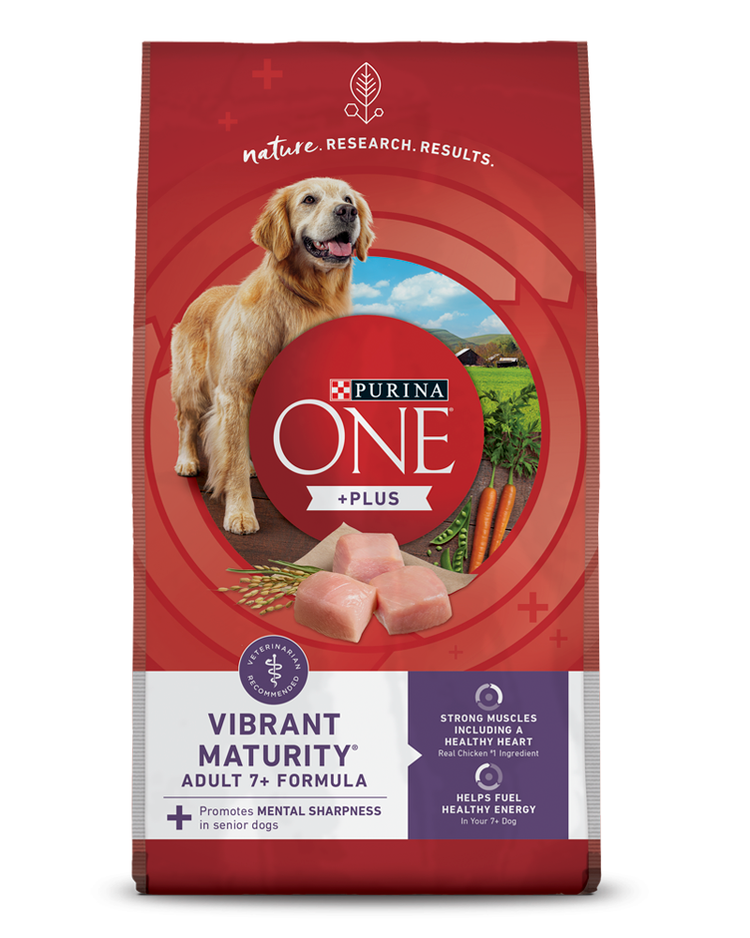
Credit: www.purina.com
Common Challenges And Solutions
Switching dogs to adult food can bring some common challenges. These issues often confuse pet owners and affect the dog’s health. Knowing these challenges helps you handle them better. Solutions make the transition smooth and safe for your dog.
Food Allergies And Sensitivities
Some dogs react to new ingredients in adult food. Allergies can cause itching, rashes, or upset stomach. Watch for signs like redness or vomiting. Choose hypoallergenic or limited-ingredient diets to reduce risks.
- Introduce new food slowly over 7-10 days.
- Consult a vet if symptoms appear.
- Try novel protein sources like duck or venison.
Picky Eaters
Dogs sometimes refuse adult food after puppy food. They may dislike new texture or taste. Avoid sudden changes and mix old and new food. Warm the food slightly to enhance aroma.
- Offer small portions frequently.
- Use wet food or broth to improve flavor.
- Keep feeding times consistent.
Managing Weight Changes
Adult food may have different calories than puppy food. Weight gain or loss can happen quickly. Monitor your dog’s weight weekly during the switch. Adjust portion sizes to maintain a healthy weight.
- Follow feeding guidelines on the food package.
- Provide regular exercise.
- Ask your vet for personalized advice.
Veterinarian Recommendations
Understanding when to switch your dog to adult food is important for their health and growth. Veterinarians offer clear guidance on this topic, ensuring your pet’s diet matches their developmental needs. Their advice helps prevent nutrition gaps or excesses that can affect your dog’s wellbeing.
When To Consult A Vet
It’s a good idea to talk to your vet before changing your dog’s diet. Puppies grow at different rates depending on their breed and size. Your vet can tell you the right time to start adult food based on your dog’s unique growth pattern.
For example, small breeds often transition earlier than larger breeds. If you notice your dog isn’t gaining weight properly or seems overly hungry, these signs mean a vet check is necessary. Have you checked with your vet recently about your pup’s feeding schedule?
Special Dietary Needs
Some dogs need diets tailored to health conditions like allergies or digestive issues. Your vet can recommend specific adult dog foods or supplements that support these needs. Ignoring these factors can make your dog uncomfortable or sick.
For instance, a dog with sensitive stomach might need a gradual switch to adult food with easy-to-digest ingredients. Your vet may also suggest foods rich in nutrients to support joint health or coat condition. What special needs does your dog have that might affect their diet?
Regular Health Checkups
Regular vet visits help track your dog’s health and adjust their diet accordingly. These checkups let the vet spot any problems early and ensure your dog’s food is still the best choice. This is especially important as your dog moves through different life stages.
During visits, vets often assess weight, coat, and energy levels—signs that diet is working well or needs tweaking. Staying proactive with health checks means you catch issues before they become serious. Are you scheduling routine vet visits to keep your dog’s diet on point?

Credit: us.eukanuba.com
Frequently Asked Questions
When Should I Switch My Puppy To Adult Dog Food?
Switch to adult dog food when your puppy reaches 12 months. Large breeds may need 18-24 months. This ensures proper nutrition for growth and maintenance.
What Signs Show My Dog Is Ready For Adult Food?
Look for steady growth and maturity signs. Your dog’s weight stabilizes, and energy levels balance. Consult your vet to confirm readiness.
Can Feeding Adult Food Too Early Harm My Dog?
Yes, feeding adult food too soon can cause nutrient deficiencies. Puppies need higher protein and calories for growth. Wait until your vet approves the switch.
How To Transition My Dog To Adult Food Smoothly?
Mix increasing amounts of adult food with puppy food over 7-10 days. This gradual change prevents digestive upset and helps your dog adjust comfortably.
Conclusion
Feeding your dog adult food depends on age and health. Most dogs switch at about one year old. Watch your dog’s size and activity level closely. Gradually change the food to avoid stomach upset. Adult food meets their nutrition needs better after puppyhood.
Always provide fresh water alongside their meals. Consult your vet for the best feeding advice. Healthy food helps your dog stay strong and happy. Remember, every dog grows at its own pace. Careful timing makes the feeding change smooth and safe.


