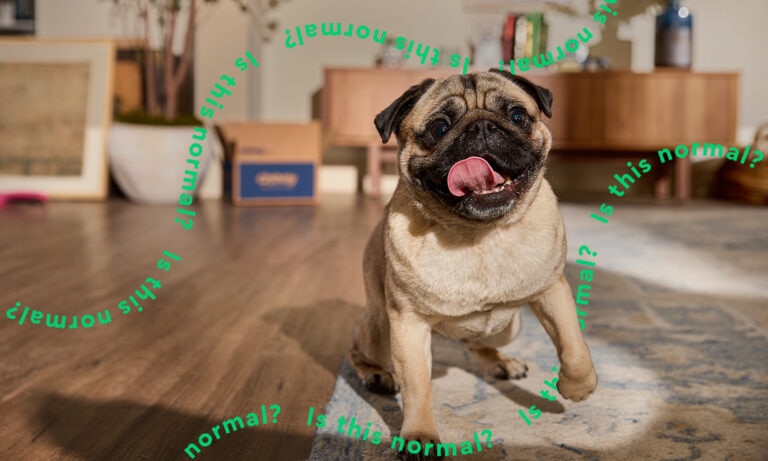

Is your dog always slipping out the door or darting off when you’re not looking? It’s frustrating and worrying, isn’t it?
You want your furry friend to stay close and safe, but teaching them not to run away can feel like a challenge. The good news is, with the right steps, you can change this behavior for good. You’ll discover simple, proven techniques to train your dog to stay by your side.
Keep reading, and you’ll soon enjoy peace of mind and a happier, more obedient companion.

Credit: www.youtube.com
Why Dogs Run Away
Understanding why your dog runs away is the first step to stopping it. Dogs don’t just bolt without a reason; there are usually specific triggers and influences behind their escape attempts. Knowing these reasons helps you address the root cause, making your training more effective and your dog safer.
Common Triggers
Many dogs run away because something catches their attention or scares them. Loud noises like fireworks or thunderstorms can cause panic, prompting your dog to flee. Other triggers include spotting another animal or chasing after a moving object like a squirrel or a car.
Think about your dog’s behavior before they run off. Do they get restless when you open the door? Or do they suddenly bolt after hearing a sound outside? Identifying these triggers lets you prepare and react quickly to prevent escape.
Breed Tendencies
Certain breeds are naturally more prone to running away due to their instincts. Hounds, for example, have strong hunting drives that make them chase scents. Herding breeds might try to roam if they feel bored or under-stimulated.
If your dog belongs to a breed with high energy or strong prey drive, you need to give them more mental and physical exercise. A tired dog is less likely to run off. Have you noticed your dog’s breed influencing their behavior?
Environmental Factors
The environment around your dog plays a big role in whether they run away or stay close. A yard with gaps in the fence or easy escape routes invites your dog to explore outside. Busy streets, unfamiliar smells, or other dogs nearby can also tempt them to break free.
Securing your home and creating a safe, stimulating space helps reduce the urge to run. Ask yourself: Is your dog’s environment encouraging them to escape? Fixing small issues like a broken fence can make a big difference.
Essential Training Tools
Training your dog to stay close and not run away requires the right tools. These essential training tools help keep your pet safe while reinforcing good behavior. Using the proper equipment makes training smoother and more effective.
Leashes And Harnesses
Leashes and harnesses are your first line of control. A sturdy leash keeps your dog close during walks and training sessions. Harnesses distribute pressure evenly, which is gentler on your dog’s neck and reduces pulling.
Choose a harness that fits well and doesn’t chafe. Reflective materials add safety during low light walks. Have you noticed how your dog reacts differently to a harness versus a collar? This can influence training success.
Fencing Options
Physical barriers like fences provide a secure boundary for your dog. A well-built fence stops your dog from wandering off your property. Different types of fences suit different dogs—some may need tall fences, while others benefit from solid panels to block visual distractions.
Invisible fences are another option, but they require consistent training and may not work for every dog. Consider your dog’s size, breed, and escape skills when choosing fencing. What kind of fence would best suit your yard and dog’s behavior?
Tracking Devices
Tracking devices give you peace of mind in case your dog does run away. GPS collars allow real-time location tracking through your smartphone. This tool can save valuable time and reduce stress during a lost dog situation.
Some devices also include activity monitoring, helping you understand your dog’s habits. Investing in a tracking device shows you care about your dog’s safety beyond training alone. Would having instant location updates change how you feel about letting your dog off-leash?
Building Recall Skills
Teaching your dog to come when called helps stop them from running away. Use treats and praise to make recall a positive experience. Practice often in safe, quiet places to build strong habits.
Building recall skills in your dog is essential for ensuring they don’t run away, providing both peace of mind and safety. The ability to come back when called is not just a trick; it’s a crucial skill. Developing this bond through effective training methods can make all the difference.Using Positive Reinforcement
Begin with positive reinforcement to encourage your dog to respond to your call. Use treats or their favorite toy as a reward every time they come back to you. This forms a positive association between coming when called and receiving a reward. Consider how quickly your dog learns when motivated by something they love. Instead of punishment, focus on rewarding the behavior you want to see. This approach builds trust and strengthens the bond between you and your dog.Starting Indoors
Start training indoors where there are fewer distractions. Call your dog from different rooms and reward them when they successfully come to you. This controlled environment helps them focus on learning the command without external interruptions. You can make it a fun game by hiding and calling them to find you. This not only teaches recall but also stimulates their natural curiosity. Indoors is a safe space to practice consistency in your commands.Gradual Outdoor Practice
Once your dog consistently responds indoors, transition to outdoor practice. Start in a fenced yard or on a long leash to prevent them from running off. Gradually increase the distance and complexity of the environment as they improve. Pay attention to your dog’s response and adjust the training pace accordingly. Keep sessions short and fun to maintain their interest. Remember, patience and consistency are key to mastering recall skills outdoors. Is your dog ready for the next level of training? With persistence, you’ll soon have a reliable recall that keeps your dog safe and your mind at ease.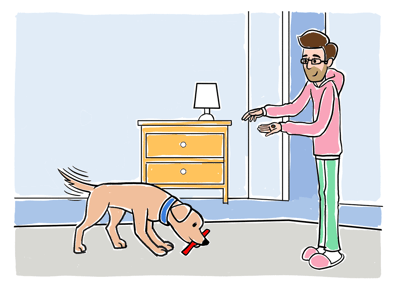
Credit: www.preventivevet.com
Creating A Safe Environment
Creating a safe environment is key to stopping your dog from running away. When your dog feels secure and comfortable, the urge to escape lessens. It’s about making both your home and yard places where your dog enjoys spending time without stress or temptation to bolt.
Secure Yard Tips
A fenced yard is your first line of defense. Check for any gaps or loose panels that your dog might squeeze through or dig under. Sometimes, even a small hole can become an exit point.
Adding a barrier at the base of the fence can stop digging. You could use chicken wire buried a few inches underground or large rocks along the fence line. Think about your dog’s size and energy level when choosing materials.
Consider the height of your fence too. Some dogs are excellent jumpers. If your dog has a history of escaping, a taller fence is a must. Secure gates with locks or latches that can’t be easily pushed open by curious noses or paws.
Safe Spaces Indoors
Indoor safety is just as important. Create a cozy corner or crate where your dog feels calm and secure. This space should be quiet, away from household chaos or loud noises that might trigger anxiety.
Use blankets, favorite toys, and soft lighting to make it inviting. Dogs often run away because they’re scared or stressed. Having a safe retreat inside can reduce these triggers significantly.
Make sure doors and windows inside your home are secure. Dogs can slip out through open doors or even break through flimsy screens. You might be surprised how quickly a curious pup can find an escape route.
Supervision Strategies
Watching your dog closely is the best way to prevent escapes. Don’t leave your dog unattended in the yard or near open doors. Your presence alone can deter attempts to run away.
Use baby gates or indoor barriers to control access to exit points. Training your dog to respond to recall commands is helpful, but supervision fills the gaps. It’s about being one step ahead.
What distractions make your dog want to run? Is it squirrels, loud noises, or strangers? Identifying these can help you stay alert and ready to intervene before your dog bolts.
Addressing Anxiety And Fear
Addressing anxiety and fear is key to preventing dogs from running away. Dogs often flee due to stress or fear of new places, loud noises, or strangers. Understanding these feelings helps keep them safe. Calming a scared dog builds trust and reduces escape attempts.
Recognizing Signs
Watch for signs of anxiety or fear in your dog. These include:
- Shaking or trembling
- Whining or barking excessively
- Hiding or avoiding people
- Excessive licking or chewing
- Restlessness or pacing
- Drooling more than usual
Spotting these signs early helps you act before your dog tries to run away.
Calming Techniques
Create a calm space for your dog at home. Use soft bedding and quiet surroundings. Speak in a gentle, soothing voice. Offer favorite toys or treats to distract and comfort. Regular exercise helps reduce anxiety by burning excess energy. Training with positive reinforcement builds confidence. Avoid punishment, which increases fear and stress.
Professional Help
Some dogs need extra support from experts. A veterinarian can check for health issues causing anxiety. Animal behaviorists offer training plans tailored to your dog’s fears. They teach safe ways to expose your dog to triggers gradually. Professional help ensures your dog feels safe and less likely to run away.
Consistency And Patience
Training your dog not to run away requires more than just commands. It demands consistency and patience. These two qualities build trust and understanding between you and your dog, making the training effective and lasting.
Establishing Routines
Dogs thrive on routine. You can start by setting specific times for walks, play, and training sessions. This predictability helps your dog feel secure and less likely to bolt out of confusion or anxiety.
Think about your dog’s daily habits. Are they getting enough exercise at the same times each day? Consistent routines reduce their urge to wander in search of stimulation.
Reward Timing
When your dog stays close or comes when called, reward them immediately. Timing matters because dogs connect their actions with consequences only within seconds. Delayed rewards confuse them and weaken the training.
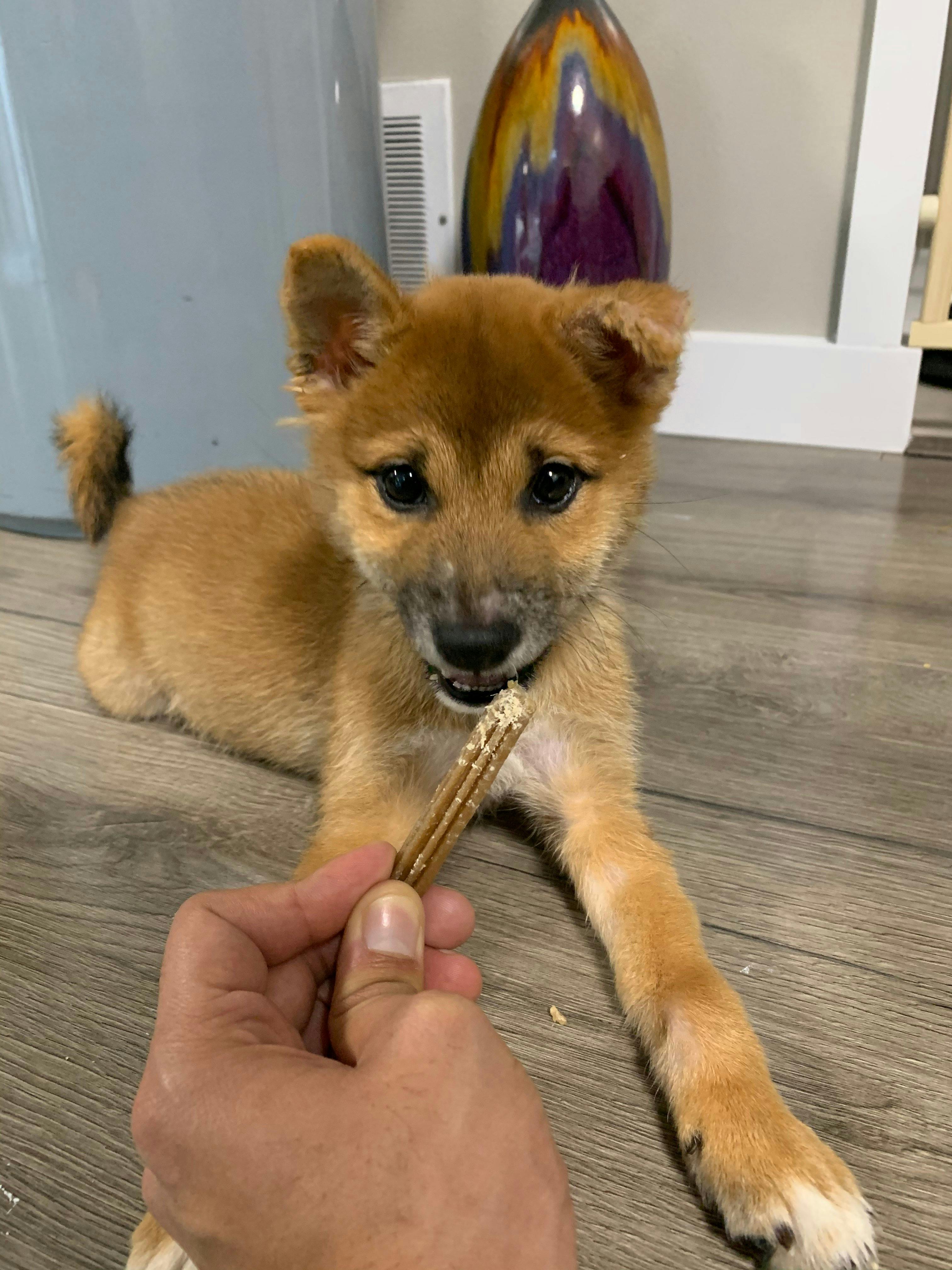
Use treats, praise, or play as instant rewards. Have them ready before starting training so you don’t lose that critical moment. This sharpens your dog’s understanding and encourages good behavior.
Avoiding Punishment
Punishing your dog for running away can backfire. It might make them scared or more likely to escape again. Instead, focus on positive reinforcement to build a strong, trusting bond.
Ask yourself: does your dog see you as a safe and happy place? If not, rethink your approach. Patience and gentle guidance create better results than fear or harsh corrections.
Preventive Measures
Preventing a dog from running away starts before any training begins. Taking simple safety steps can keep your dog close and safe. These measures reduce the chances of your dog getting lost or hurt. They also make it easier to find your dog if it does run off.
Microchipping Benefits
Microchipping is a small, safe implant placed under your dog’s skin. It holds a unique ID number linked to your contact information. If your dog is found, shelters and vets can scan the chip to identify your pet. This helps reunite lost dogs with their owners quickly. Microchips do not replace collars but add extra security.
Id Tags Importance
ID tags on collars show your dog’s name and your phone number. They are simple and visible ways to identify your dog. Tags help strangers contact you if your dog wanders off. Make sure the tags are clear, durable, and always on your dog’s collar. Update the information if you move or change your phone number.
Regular Exercise
Dogs that get enough exercise are less likely to run away. Exercise helps release your dog’s energy and reduces boredom. A tired dog stays calmer and less curious about escaping. Daily walks, playtime, and mental activities keep your dog happy. This prevents them from looking for fun outside your home.
Credit: wagwalking.com
Frequently Asked Questions
How Can I Stop My Dog From Running Away?
Train your dog with consistent commands and positive reinforcement. Use a secure leash during walks. Create a safe, enclosed area. Reward your dog for staying close. Regularly practice recall commands to improve obedience and trust.
Why Do Dogs Run Away From Home?
Dogs run away due to boredom, fear, or chasing scents. Lack of exercise or socialization can also cause escape attempts. Address these needs and provide mental stimulation to reduce running away.
What Commands Help Prevent Dogs From Running Off?
Teach recall commands like “come” and “stay. ” Use treats and praise for correct responses. Practice in various environments to strengthen obedience. Consistency helps dogs understand and obey these commands reliably.
How Do I Create A Safe Space To Prevent Escapes?
Fencing your yard securely is essential. Check for gaps or weak spots regularly. Provide toys and shade to keep your dog engaged. A safe area reduces the urge to escape and explore.
Conclusion
Training a dog not to run away takes time and patience. Start with small steps and keep practicing daily. Use treats and praise to encourage good behavior. Always watch your dog closely in open areas. Remember, safe dogs make happy owners.
Stay calm and consistent in your training. Trust grows with each positive interaction. Your dog will learn to stay close and listen. Keep your training simple and clear. Enjoy the process and build a strong bond together.