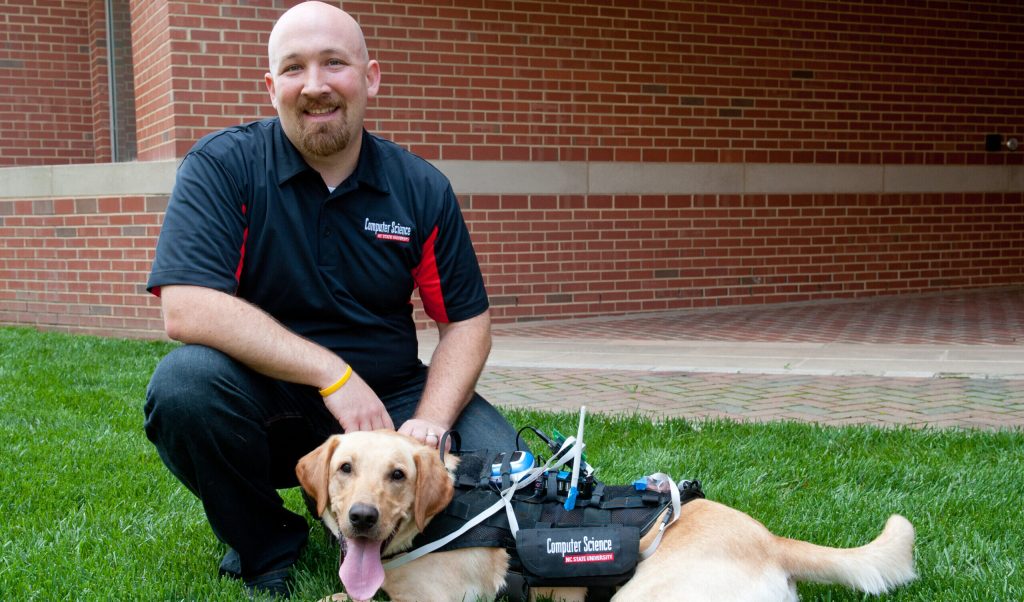

Have you ever wondered how guide dogs learn to help people see the world safely? These amazing dogs don’t just know how to follow commands—they go through special training that makes them true heroes.
Understanding how guide dogs are trained will open your eyes to their incredible skills and the bond they share with their handlers. Keep reading to discover the step-by-step process that turns an ordinary dog into a life-changing companion for someone with vision loss.

Credit: abc7ny.com
Selection Of Potential Guide Dogs
Selecting the right dog for guide work is more than just picking a friendly pet. It requires careful thought about qualities that will make the dog reliable, calm, and healthy for years of service. The process starts early, focusing on traits that predict success in the demanding role of guiding a person with vision loss.
Breed And Temperament Traits
Certain breeds are more suited to guide work due to their natural behavior and physical abilities. Labrador Retrievers, Golden Retrievers, and German Shepherds often top the list because they tend to be intelligent, obedient, and steady under pressure.
Temperament matters just as much as breed. Dogs must be calm in busy environments, able to ignore distractions, and willing to work closely with a handler. You might be surprised how some dogs instinctively show patience and focus, qualities that trainers look for from a young age.
Have you noticed how some dogs seem more eager to please or less reactive to loud noises? Those subtle differences can indicate a future guide dog’s potential.
Health Screening And Assessment
Good health is non-negotiable for guide dogs. Early health screening helps identify any genetic issues or conditions that could shorten a dog’s working life or cause discomfort during training.
Trainers check eyesight, hearing, joint health, and overall physical condition. They also watch for signs of stress or anxiety that could affect performance.
Keeping a dog healthy means the training investment pays off with a partner who can serve reliably for many years. Would you trust a guide dog if you weren’t sure it was physically up to the task?
Credit: www.youtube.com
Early Socialization And Basic Training
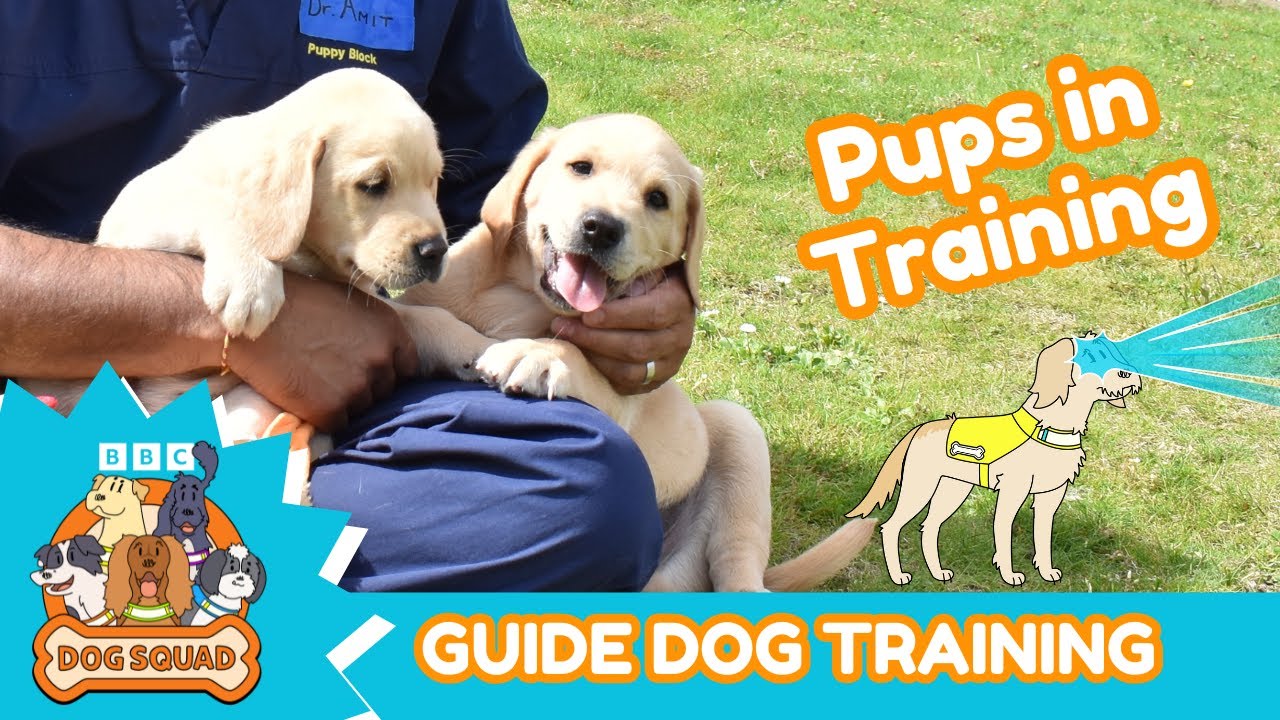
Early socialization and basic training form the foundation of a guide dog’s skills. Puppies begin learning important behaviors from a very young age. This phase helps them become calm, confident, and ready for more advanced training. Trainers introduce puppies to many sights, sounds, and situations to build comfort and adaptability.
Basic commands and good manners are taught during this stage. The goal is to create a dog that listens well and stays focused. These early lessons make later guide work easier and safer for both dog and handler.
Exposure To Different Environments
Puppies visit various places to experience new things safely. Parks, busy streets, and stores are common spots for early exposure. This helps puppies learn to stay calm amid distractions. They meet different people and animals to build social skills. Trainers watch closely to support the puppies and keep them confident.
Repeated exposure lowers fear and increases focus. Puppies learn that unusual sounds and sights are normal. This prepares them for the busy world they will guide through.
Fundamental Obedience Skills
Basic commands like sit, stay, and come are taught first. Trainers use treats and praise to encourage good behavior. Puppies also learn to walk politely on a leash. They practice ignoring distractions and paying attention to the trainer.
Consistency and patience are key during this phase. These skills help puppies develop self-control. Early obedience sets the stage for more complex guide tasks later.
Advanced Guide Dog Training
Advanced guide dog training involves teaching dogs to assist their visually impaired owners. This phase builds on basic skills, adding more complex tasks. The training ensures dogs can navigate safely and respond to potential dangers.
Navigation And Obstacle Avoidance
Guide dogs learn to navigate around obstacles effectively. Trainers use real-world scenarios to teach these skills. Dogs practice avoiding stationary and moving obstacles. They learn to stop at curbs and stairs, ensuring safety. Consistent practice helps them remember these important skills.
Intelligent Disobedience Techniques
Guide dogs also learn intelligent disobedience. This skill involves refusing a command if it leads to danger. For instance, the dog may stop if a car is approaching. Trainers simulate these situations to teach dogs to think critically. This skill is crucial for the safety of the owner and the dog.
Training With Future Handlers
Training with future handlers is a pivotal phase in preparing guide dogs for their lifelong partnership. This stage goes beyond basic obedience, focusing on developing a unique bond between the dog and the person they will assist. The success of this relationship depends heavily on careful matching and consistent communication.
Matching Dogs With Individuals
Matching a guide dog to its future handler is a thoughtful process. Trainers consider the handler’s lifestyle, personality, and mobility needs to find a dog that fits well. For instance, a handler who enjoys outdoor activities may be paired with a more energetic dog, while someone with a calm routine might get a gentler companion.
This tailored approach ensures both the dog and handler can work comfortably together. Have you ever wondered how much personality matters in a working relationship? In guide dog training, it matters a lot.
Building Trust And Communication
Once matched, trainers focus on building trust between the dog and handler. This involves daily interaction, where the handler learns to read the dog’s signals and the dog learns to respond. Simple activities like walking together or practicing commands help establish clear communication.
Trust grows when handlers are patient and consistent. I’ve seen handlers transform from hesitant to confident within weeks, simply by spending focused time with their dogs. Could your patience be the key to unlocking a new level of teamwork?
Ongoing Support And Maintenance
Training a guide dog does not end once it starts working with its owner. Ongoing support and maintenance are essential to keep the dog effective and healthy. This stage ensures the dog adapts to new situations and continues to assist safely. Trainers and owners work together to maintain the dog’s skills and well-being.
Continued Training And Refresher Courses
Guide dogs must learn new commands and reinforce old ones regularly. Refresher courses help the dog remember important skills. These sessions may include:
- Walking in different environments
- Responding to unusual obstacles
- Practicing emergency stops
- Improving focus and obedience
Owners often attend training with their dogs. This practice builds trust and understanding. Regular training keeps the dog sharp and reliable.
Health And Well-being Monitoring
Guide dogs need constant health checks. Their physical condition affects their work quality. Routine veterinary visits ensure the dog is free from pain and illness. Owners watch for signs of fatigue or stress. Proper diet, exercise, and rest support the dog’s health. A healthy dog performs better and lives longer.
Impact On Lives
Guide dogs change lives in ways that go far beyond assistance with navigation. Their training creates a powerful ripple effect, impacting the daily experiences of their handlers. Understanding this impact helps you appreciate the true value of the bond between a guide dog and its owner.
Empowerment And Independence
Having a guide dog restores your freedom to move confidently without relying on others. This independence isn’t just about getting from point A to B—it’s about reclaiming control over your own life.
Many people who receive guide dogs share stories of stepping outside alone for the first time in years. Imagine the courage it takes, and how the dog’s steady presence turns that fear into confidence. This empowerment often leads to trying new activities and expanding social circles.
Emotional And Social Benefits
Guide dogs offer more than practical help; they provide emotional support and companionship. The constant connection reduces feelings of loneliness and anxiety, improving overall mental well-being.
People with guide dogs often notice they interact more with others. The dog becomes a natural conversation starter, helping break down social barriers. Have you ever thought about how a simple pet can open doors to new friendships and community involvement?

Credit: m.youtube.com
Frequently Asked Questions
How Long Does It Take To Train A Guide Dog?
Training a guide dog typically takes 12 to 18 months. This includes socialization, obedience, and specialized guide skills. Early puppy training begins at home, followed by professional training with experts. The process ensures dogs are fully prepared to assist visually impaired individuals safely.
What Breeds Are Commonly Used As Guide Dogs?
Labrador Retrievers, Golden Retrievers, and German Shepherds are the most common guide dog breeds. These dogs are chosen for their intelligence, temperament, and adaptability. Their calm nature and strong work ethic make them ideal for guiding visually impaired people.
How Do Trainers Teach Guide Dogs To Avoid Obstacles?
Trainers use positive reinforcement to teach dogs obstacle avoidance. Dogs learn to stop or change direction when sensing barriers. They are trained to recognize hazards like curbs, stairs, and traffic. This skill keeps both the dog and handler safe during navigation.
What Role Do Puppy Raisers Play In Training Guide Dogs?
Puppy raisers provide early socialization and basic obedience training at home. They expose puppies to various environments and situations. This early foundation helps puppies develop confidence and good behavior. Puppy raisers work closely with guide dog organizations before professional training begins.
Conclusion
Guide dogs learn many skills through careful training. Trainers teach dogs to help people stay safe. The process takes time and patience. Each dog practices walking, stopping, and finding obstacles. They also learn to listen and follow commands. This training helps dogs become reliable helpers.
Guide dogs improve the lives of many people. Their work shows great trust and teamwork. Understanding this training helps us appreciate these special dogs. Their dedication makes a big difference every day.


