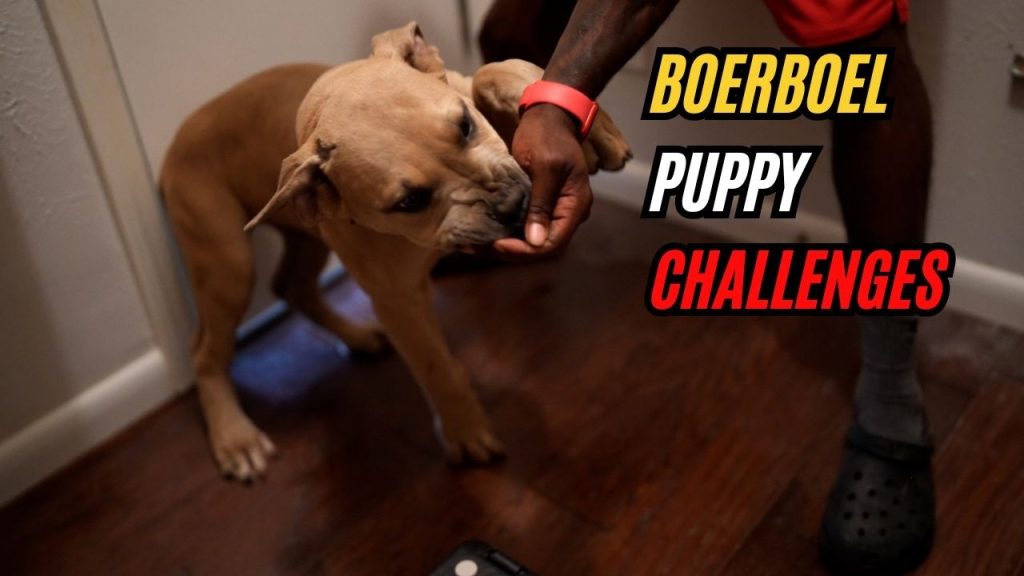

Training your Boerboel dog can be one of the most rewarding experiences you’ll have as a pet owner. These strong, loyal dogs have a lot of potential, but without the right guidance, they can become difficult to manage.
If you want your Boerboel to be well-behaved, confident, and happy, you need to know the best training methods that work specifically for this breed. You’ll discover simple, effective steps to train your Boerboel with ease. Keep reading, and you’ll learn how to turn your powerful dog into a trusted companion you can rely on every day.
Boerboel Breed Traits
The Boerboel is a powerful and loyal dog breed from South Africa. Known for its strength and protective nature, this breed is a great family guardian. Understanding its traits helps you train and care for this unique dog effectively.
Physical Characteristics
Boerboels are large, muscular dogs with a sturdy build. Males typically weigh between 150 to 200 pounds. Their coat is short and dense, usually brown, brindle, or fawn. Their broad head and strong jaws show their working dog heritage. These dogs need space to move and exercise properly.
Temperament And Behavior
Boerboels are confident and protective by nature. They are loyal to family and can be wary of strangers. Early socialization is important to avoid aggression. These dogs are intelligent and respond well to firm, consistent training. They enjoy being part of family activities and need mental stimulation daily.
Energy Levels
This breed has moderate to high energy levels. Boerboels need regular exercise to stay healthy and happy. Daily walks, playtime, and training sessions keep them engaged. Without enough activity, they may become bored and restless. A tired Boerboel is a well-behaved Boerboel.
Preparing For Training
Preparing your Boerboel for training sets the foundation for success. This phase helps your dog understand what to expect and makes learning easier. A calm, organized environment supports better focus and faster progress. Take time to prepare your space, tools, and daily plan before starting training sessions.
Setting Up A Training Space
Choose a quiet, distraction-free area for training. This space should be safe and comfortable for your Boerboel. Clear the area of toys and objects that might divert attention. Keep the training spot consistent to help your dog associate it with learning time. A small, enclosed yard or a room inside your home works well.
Essential Training Tools
Gather simple tools to aid your training sessions. Use a sturdy leash and a collar or harness for control. Have small, tasty treats ready to reward good behavior. Clickers or training whistles can help mark correct actions clearly. Carry a water bowl to keep your dog hydrated during breaks.
Establishing Routine
Set specific times for training each day. Consistency helps your Boerboel understand when to focus and listen. Keep sessions short, about 10 to 15 minutes, to maintain interest. Practice commands regularly to reinforce learning. End each session with praise or play to build positive feelings.
Basic Commands To Teach
Teaching basic commands like sit, stay, and come helps build trust with your Boerboel. Clear and consistent training makes your dog more obedient and safe. Practice these commands daily for best results.
Training a Boerboel dog can be a rewarding experience when you focus on teaching basic commands. These intelligent and loyal dogs thrive on structure and guidance, making it essential to start with foundational commands. By instilling these basic skills, you not only improve your dog’s behavior but also strengthen your bond and enhance their confidence.Sit And Stay
Teaching your Boerboel to sit is the cornerstone of obedience training. Begin by holding a treat close to your dog’s nose, then move your hand upwards, allowing their head to follow the treat. As their bottom touches the ground, say “sit” and reward them with the treat and praise. Once your Boerboel masters “sit,” introduce the “stay” command. Ask them to sit, then take a small step back while saying “stay.” Gradually increase the distance and duration, always returning to reward them. Remember, consistency is key, and patience will yield impressive results.Come And Heel
The “come” command is essential for your dog’s safety. Start in a quiet area, use a happy tone to call their name followed by “come,” and reward them when they arrive. Practice in various environments to ensure they respond reliably. The “heel” command ensures your Boerboel walks politely by your side. Use a short leash and start walking, giving the “heel” command. Reward them for staying close. If they pull, stop walking until they return to your side. This teaches them that pulling won’t get them where they want to go.Down And Leave It
To teach “down,” have your dog sit, then hold a treat in your closed hand. Lower your hand to the floor, encouraging them to follow. Once they lay down, say “down” and reward them. This command is particularly useful in calming situations. “Leave it” is crucial for impulse control. Show your dog a treat in one hand, say “leave it,” and close your hand when they try to snatch it. Wait for them to lose interest, then reward them with a different treat. Consistent practice will make this command second nature. Have you ever wondered how these commands could transform your daily routine with your Boerboel? By mastering these basics, you lay the foundation for a well-behaved companion who thrives on your guidance and care.Positive Reinforcement Techniques
Positive reinforcement techniques are powerful tools to shape your Boerboel’s behavior effectively. This approach focuses on rewarding good behavior rather than punishing mistakes, which builds trust and encourages your dog to repeat desired actions. When you apply these techniques consistently, training becomes a positive experience for both you and your dog.
Using Treats Effectively
Treats can motivate your Boerboel like nothing else. Choose small, tasty bites that your dog loves and use them immediately after the right behavior. Timing is crucial—if the reward comes too late, your dog won’t connect it to the action.
Try varying treats to keep your dog interested. Sometimes use a high-value treat for difficult commands and simpler snacks for everyday tasks. This strategy keeps your dog eager to learn without losing interest.
Praise And Affection
Boerboels thrive on your attention and affection. Alongside treats, use enthusiastic verbal praise and petting to reinforce good behavior. Your tone and body language say a lot—smile and use a happy voice to make praise feel genuine.
Think about how your dog reacts to your words and touch. Some dogs respond better to a gentle scratch behind the ears, while others prefer a belly rub. Finding what your Boerboel enjoys most makes praise more effective and training more enjoyable.
Consistency In Rewards
Consistency turns training into a habit. Always reward the behavior you want, and avoid sending mixed signals by sometimes ignoring the same actions. This clarity helps your Boerboel understand exactly what you expect.
Set clear rules and stick to them. If you reward your dog for sitting during training sessions, don’t skip the reward just because you’re busy or tired. Your dog notices every change and can get confused without steady reinforcement.
Addressing Common Behavior Issues
Addressing common behavior issues in your Boerboel early on can save you from frustration later. These dogs are intelligent and strong-willed, so understanding and managing their natural tendencies is key. Let’s focus on practical ways to handle biting and chewing, excessive barking, and separation anxiety.
Biting And Chewing
Biting and chewing often stem from teething or boredom. Offer plenty of durable chew toys to redirect your dog’s energy. If your Boerboel starts nipping during play, stop immediately and give a firm “No.”
Consistency is crucial here. Reward gentle play with treats and praise. Have you noticed if your dog chews more when left alone or when anxious? Identifying triggers helps you intervene before damage happens.
Excessive Barking
Barking can be a Boerboel’s way to alert you, but too much noise disturbs everyone. Teach a “quiet” command by waiting for a pause in barking, then rewarding silence. This trains your dog to associate quietness with positive attention.
Also, check if boredom or lack of exercise causes barking. Increasing daily walks or playtime can reduce their need to vocalize. What situations make your dog bark the most? Tailor your training to those moments.
Separation Anxiety
Boerboels form strong bonds and may stress when left alone. Start by leaving your dog alone for short periods, gradually increasing the time. Before you leave, give a special toy or treat to keep them busy.
Creating a safe, comfortable space helps your dog feel secure. Avoid dramatic goodbyes; stay calm and low-key. Have you tried leaving a piece of your clothing nearby? Familiar scents can ease anxiety.

Credit: www.youtube.com
Socializing Your Boerboel
Socializing your Boerboel is key to raising a well-behaved and confident dog. This breed needs early and consistent social experiences to grow comfortable around people, pets, and new places. Proper socialization helps reduce fear and aggression. It builds trust and strengthens your bond with your dog.
Introducing To Other Pets
Start by introducing your Boerboel to other pets calmly and slowly. Use a neutral space to avoid territorial behavior. Keep the first meetings short and positive. Watch for signs of stress or aggression. Reward calm and friendly behavior with treats and praise. Gradually increase interaction time as they get comfortable. This approach helps your dog accept other animals safely.
Meeting New People
Expose your Boerboel to different types of people early on. Invite friends and family over to say hello. Let your dog approach people at their own pace. Use treats to create positive associations. Teach your dog basic manners like sitting before greeting. This reduces fear and promotes friendly behavior. Regular meetings help your dog stay social and less anxious around strangers.
Exposure To Different Environments
Take your Boerboel to various places such as parks, streets, and pet-friendly stores. New sights, sounds, and smells build confidence. Keep initial visits short and stress-free. Use positive reinforcement to encourage calm behavior. Avoid overwhelming your dog with too many new experiences at once. Gradual exposure teaches your Boerboel to stay relaxed in different settings.
Advanced Training Tips
Advanced training for your Boerboel takes patience and consistency, but it pushes their potential further. These dogs are intelligent and strong-willed, so refining their skills beyond the basics helps build a better relationship and ensures they respond well in different situations.
Leash Training And Walking
Leash training a Boerboel can be challenging due to their size and strength. Start by using a sturdy leash and collar, and practice in a low-distraction area to help your dog focus.
Encourage your dog to walk beside you by stopping whenever they pull forward. This teaches them that pulling doesn’t get them anywhere faster.
Have you noticed how your dog reacts to sudden distractions during walks? Use treats or praise immediately when they stay calm, reinforcing good behavior even in busy environments.
Obedience Classes
Joining obedience classes offers more than just commands; it introduces your Boerboel to social settings with other dogs and people. These classes challenge your dog’s focus and improve their impulse control.
Look for classes that emphasize positive reinforcement and consistent routines. Your dog will learn faster and enjoy training more when it’s fun and rewarding.
Think about how your dog behaves in different environments—classes can simulate these situations, making your training more practical and effective.
Mental Stimulation Activities
Boerboels need mental exercise as much as physical. Puzzle toys, scent games, and obedience drills keep their minds sharp and prevent boredom.
Introduce new tasks regularly to keep your dog engaged. For example, hide treats around the yard and encourage your dog to find them using their nose.
What new activity could you add to your dog’s routine to challenge their thinking? Even simple changes can make a big difference in their behavior and happiness.

Credit: www.youtube.com
Health And Nutrition For Training
Keeping your Boerboel in top shape is key to effective training. Health and nutrition play a crucial role in how well your dog responds to commands and stays motivated. Without the right fuel and care, even the smartest Boerboel can struggle to keep up with training sessions.
Diet To Support Energy
Your Boerboel needs a diet rich in proteins and healthy fats to maintain its energy levels. Choose high-quality dog food that lists real meat as the first ingredient. Adding a bit of cooked chicken or fish can boost protein intake and keep your dog eager to learn.
Don’t forget complex carbs like sweet potatoes or brown rice for sustained energy during longer training sessions. You might notice your dog performing better and staying focused just by tweaking its diet.
Regular Exercise
Exercise is more than just burning off energy; it’s about building strength and mental stamina. Take your Boerboel for brisk walks and allow time for play that challenges its mind and body.
Try mixing activities like fetch, tug-of-war, or even short agility drills. This variety prevents boredom and prepares your dog for the physical demands of training commands.
Preventive Vet Care
Regular vet check-ups can catch issues that might affect your dog’s ability to train. Joint problems, allergies, or infections can make your Boerboel less responsive or even irritable during sessions.
Vaccinations, flea prevention, and dental care also keep your dog healthy and comfortable. How often do you schedule vet visits to stay ahead of potential health setbacks?

Credit: www.amazon.in
Frequently Asked Questions
How Early Should I Start Training A Boerboel?
Start training your Boerboel puppy as early as 8 weeks old. Early training builds good habits and social skills. Consistency and positive reinforcement work best for this intelligent breed.
What Are The Best Training Methods For Boerboels?
Use firm, consistent, and positive reinforcement methods. Boerboels respond well to rewards, praise, and clear commands. Avoid harsh punishments to maintain trust and confidence.
How Long Does It Take To Train A Boerboel?
Training duration varies but basic obedience often takes 3 to 6 months. Regular daily sessions of 15-20 minutes improve learning and retention. Patience and consistency are essential for success.
Are Boerboels Easy To Socialize With Other Pets?
Boerboels need early socialization to interact well with pets. Introduce them gradually to other animals. Proper socialization prevents aggression and promotes calm behavior around others.
Conclusion
Training a Boerboel dog needs patience and clear rules. Start early and be consistent every day. Use simple commands and reward good behavior. Keep training sessions short to hold their attention. Socialize your dog with people and other animals often.
This helps them grow into calm, friendly pets. Remember, strong leadership builds trust and respect. Enjoy the process and watch your Boerboel become a loyal companion. Training is a journey, not a quick task. Stay calm, be kind, and keep learning together.