Are you wondering if it’s okay to feed your adult dog puppy food? You’re not alone.
Many dog owners ask this question because they want the best for their furry friends. But giving your adult dog the wrong food could affect their health in ways you might not expect. Keep reading to discover what happens when adult dogs eat puppy food and how to make the best choice for your pet’s diet.
Your dog’s well-being depends on it!
Credit: www.thinkjinx.com
Differences Between Puppy And Adult Dog Food
Understanding the differences between puppy and adult dog food is essential before deciding what to feed your dog. Puppy food is specially designed to support rapid growth and development, while adult dog food focuses on maintaining health and vitality. Feeding the wrong type can affect your dog’s energy, weight, and overall wellbeing.
Nutritional Needs Of Puppies
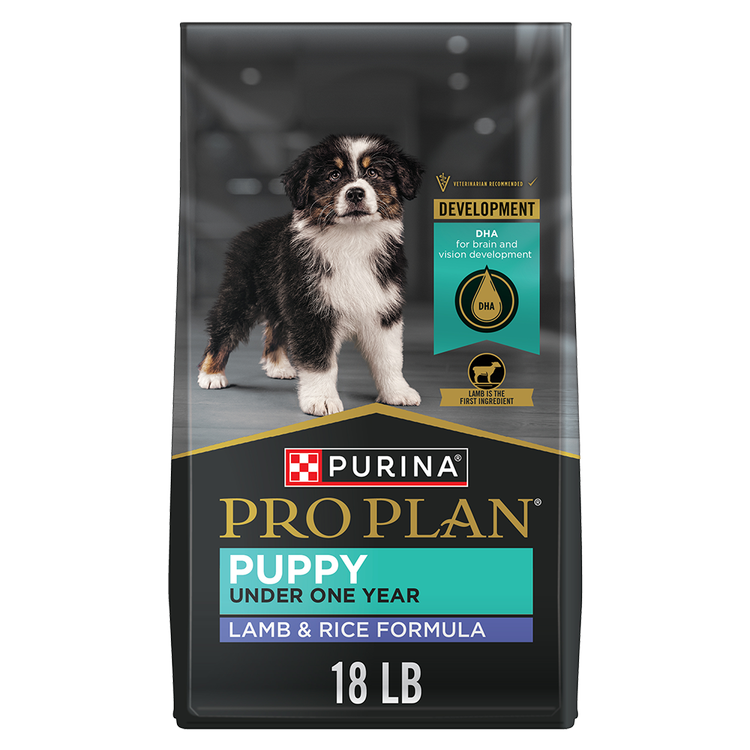
Puppies need more calories and nutrients compared to adult dogs because they are growing quickly. Their food contains higher protein and fat levels to support muscle development and brain growth. Puppies also need nutrients like DHA, an omega-3 fatty acid that helps with vision and cognitive function.
Have you noticed how your puppy seems to have endless energy? That’s because their bodies are working hard to build strong bones and muscles. Choosing the right food ensures they get all the building blocks they need.
Nutritional Needs Of Adult Dogs
Adult dogs require a balanced diet that maintains their weight and supports daily activity. Their food usually has fewer calories and fat compared to puppy food to prevent obesity. The focus shifts to ingredients that support joint health, digestion, and a strong immune system.
Think about your adult dog’s activity level and health conditions. Tailoring their diet to these needs can help them stay energetic and comfortable as they age.
Key Ingredient Variations
Puppy food typically contains:
- Higher protein (around 22-32%) for growth
- More fat (8-20%) for energy
- Added DHA for brain and eye development
- Increased calcium and phosphorus for bones
Adult dog food usually has:
- Moderate protein (around 18-25%) for maintenance
- Lower fat (5-15%) to control weight
- Glucosamine and chondroitin for joint health
- Fiber for digestive support
Would you feed your adult dog the same meal you give a puppy? Considering these ingredient differences helps you make smarter feeding choices. Your dog’s health depends on it.
Credit: www.purina.com
Potential Risks Of Feeding Puppy Food To Adult Dogs
Feeding puppy food to an adult dog might seem harmless. Puppy food has extra nutrients for growth. But adult dogs have different nutritional needs. Giving them puppy food regularly can cause problems. It is important to know the risks before making this choice.
Weight Gain And Obesity
Puppy food contains more calories than adult dog food. It is designed to support fast growth in puppies. Adult dogs eating puppy food may consume too many calories. This extra intake can lead to weight gain. Over time, it can cause obesity. Obesity increases the risk of joint problems, diabetes, and heart disease.
Digestive Issues
Adult dogs have a mature digestive system. Puppy food has more fat and protein. These can be hard for adult dogs to digest. Feeding puppy food can cause stomach upset. Symptoms include diarrhea, vomiting, and gas. Digestive discomfort may affect your dog’s overall health.
Nutrient Imbalance
Puppy food has higher levels of certain nutrients. Calcium and phosphorus are often increased to support bone growth. Adult dogs need balanced nutrients for maintenance, not growth. Too much calcium can harm adult dogs’ kidneys and bones. Feeding puppy food may cause an imbalance. This can lead to long-term health problems.
Situations Where Puppy Food Might Be Suitable
Puppy food is rich in nutrients and calories. It supports growth and energy needs. In some cases, adult dogs can benefit from puppy food. Here are situations where it might be suitable:
Pregnant Or Nursing Adult Dogs
Pregnant or nursing dogs need extra nutrients. They require more protein and fat for their puppies. Puppy food provides these essential nutrients. It can support the mother and her puppies effectively.
Dogs With High Energy Levels
Active dogs burn more calories. They often need more energy than typical adult dogs. Puppy food has a higher calorie content. It can help meet the energy demands of active dogs.
Recovering Or Sick Dogs
Some dogs recover from illness or surgery. They need extra nutrition to regain strength. Puppy food is nutrient-dense. It can aid in their recovery process.
How To Transition Between Puppy And Adult Dog Food
Switching your dog from puppy food to adult dog food needs care and patience. A sudden change can upset their stomach or cause refusal to eat. The goal is a smooth transition that keeps your dog healthy and happy.
Gradual Switching Techniques
Start by mixing a small amount of adult food into the puppy food. Increase the adult food portion slowly over 7 to 10 days. Watch your dog eat and adjust the mix if needed. This helps their digestive system adjust without stress.
Monitoring Your Dog’s Health
Observe your dog’s behavior and stool during the switch. Look for signs of discomfort like vomiting or diarrhea. Keep an eye on their energy levels and appetite. Any changes might mean you should slow down the transition.
Consulting Your Veterinarian
Ask your vet about the best time to switch foods. They can recommend the right adult food type for your dog’s breed and size. Discuss any health issues that may affect their diet. Professional advice ensures a safe and healthy change.
Choosing The Right Food For Your Adult Dog
Choosing the right food for your adult dog is crucial for their health and happiness. Adult dogs have different nutritional needs than puppies. Feeding them the correct food supports their energy, weight, and overall well-being. It also helps prevent health problems in the future. Understanding what to look for in dog food makes the decision easier.
Reading Dog Food Labels
Dog food labels reveal important information. Look for the main ingredients listed first. Proteins like chicken, beef, or fish should be near the top. Avoid foods with too many fillers such as corn or wheat. Check the guaranteed analysis for protein, fat, and fiber percentages. This helps ensure balanced nutrition. Also, look for statements like “complete and balanced” which meet dog food standards.
Considering Breed And Size
Different breeds and sizes have unique dietary needs. Small breeds need more calories per pound than large breeds. Large dogs benefit from foods that support joint health. Some breeds have sensitive stomachs and require special formulas. Choose a food that fits your dog’s size and breed traits. This supports their energy and long-term health.
Special Dietary Needs
Some adult dogs need special diets due to health issues. Dogs with allergies may need limited ingredient diets. Older dogs often need food lower in calories but rich in nutrients. Dogs with kidney or heart problems require specific formulas. Always consult a vet if your dog has special needs. Tailoring food to these needs keeps your dog healthy and happy.

Credit: us.eukanuba.com
Frequently Asked Questions
Can Adult Dogs Eat Puppy Food Safely?
Adult dogs can eat puppy food occasionally, but it’s not ideal long-term. Puppy food is richer and may cause weight gain or digestive issues in adults.
What Are The Risks Of Feeding Puppy Food To Adults?
Puppy food’s high calories and nutrients can lead to obesity and nutrient imbalance in adult dogs if fed regularly.
When Is It Okay To Feed Adult Dogs Puppy Food?
Feeding puppy food to adult dogs is fine during growth recovery or vet advice, but not as a regular diet.
How Does Puppy Food Differ From Adult Dog Food?
Puppy food contains more calories, protein, and fats to support growth, while adult food focuses on maintenance and balanced nutrition.
Conclusion
Adult dogs can eat puppy food occasionally, but it is not ideal. Puppy food has more calories and nutrients meant for growth. Too much can cause weight gain or stomach upset in adults. Always check with your vet before changing your dog’s diet.
Balanced meals help keep your dog healthy and happy. Choose food made for your dog’s age and size. This supports their energy and overall well-being. Feeding the right food matters for a long, healthy life. Keep your dog’s needs in mind every day.