

Does your dog shy away from new people or sudden noises? Watching your furry friend tremble with fear can be heartbreaking.
But you’re not alone, and there’s hope. You can help your scared dog build confidence and feel safe. You’ll discover simple, effective steps to gently train a frightened dog. By understanding your dog’s feelings and using the right approach, you’ll create a stronger bond and a happier pet.
Keep reading to learn how to turn fear into trust—your dog will thank you for it.
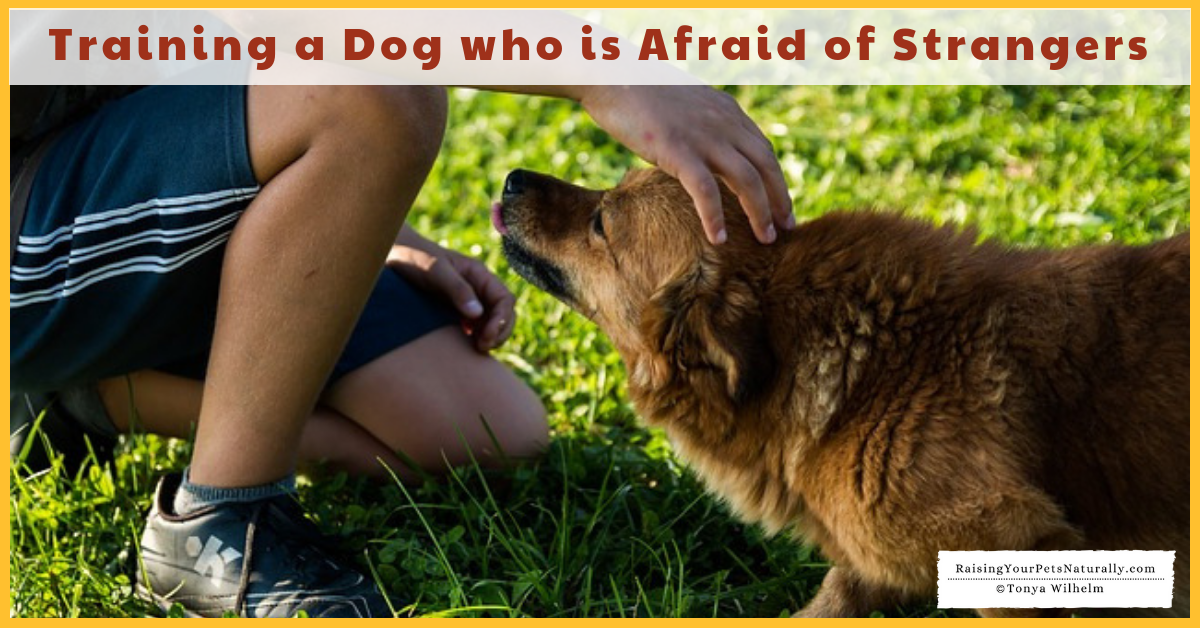
Credit: raisingyourpetsnaturally.com
Recognizing Fear In Dogs
Understanding fear in dogs is key to helping them feel safe. Dogs cannot tell us when they are scared, so we watch their behavior. Recognizing fear signs early helps prevent stress and build trust. Observing your dog’s body language and reactions reveals their emotions. This knowledge guides gentle and effective training.
Common Signs Of Fear
- Tail tucked between legs
- Ears pinned back or lowered
- Cowering or trying to hide
- Shaking or trembling
- Avoiding eye contact
- Yawning or licking lips repeatedly
- Whining or whimpering
- Growling or snapping when cornered
Triggers That Cause Anxiety
- Loud noises like thunderstorms or fireworks
- Strange people or unfamiliar animals
- Sudden movements or rough handling
- New environments or changes in routine
- Separation from their owner
- Past traumatic experiences
Creating A Safe Environment
Creating a safe environment is the cornerstone of helping a frightened dog feel more secure. Dogs pick up on your energy and surroundings, so setting the right atmosphere is crucial for their confidence to grow. When your dog knows they have a safe place, they start to relax and become more open to training and social interactions.
Setting Up A Comfort Zone
Give your dog a quiet, cozy space where they can retreat anytime they feel scared. This could be a crate with soft bedding or a corner with their favorite toys. Adding familiar scents, like a worn t-shirt of yours, can make this spot feel even safer.
Try to keep this area consistent and avoid disturbing them when they’re there. You want your dog to see this spot as their personal haven, not a place of punishment or isolation. Have you noticed how your dog behaves differently when they have a secure place to relax?
Minimizing Stressful Stimuli
Identify what triggers your dog’s fear and reduce exposure to those elements as much as possible. Loud noises, sudden movements, or crowded places can overwhelm a timid dog. Lowering these stressors helps your dog focus on learning rather than reacting.
Use soft lighting and gentle sounds to keep the environment calm. If visitors come over, ask them to move slowly and avoid direct eye contact with your dog until trust builds. Could adjusting your home’s noise and activity levels change how your dog responds to new situations?
Building Trust Gradually
Trust grows slowly with gentle actions and patience. Let your dog explore safely at its own pace. Quiet moments together build comfort and security.
Building trust with a frightened dog is a journey that requires patience and understanding. You must approach this task with a gentle heart and a readiness to listen to your dog’s needs. Each interaction, no matter how small, can be a stepping stone towards building a lasting bond. A frightened dog often reacts based on past experiences. To help them feel secure, you must project calmness and assurance. How can you achieve this effectively?Using Calm Body Language
Your body language speaks volumes to a frightened dog. Stand or sit with a relaxed posture to convey that you’re not a threat. Keep your movements slow and deliberate, avoiding sudden actions that might startle your dog. Maintain a soft tone when speaking. Loud or high-pitched voices can be intimidating. When I started working with my rescue dog, I noticed that lowering my voice helped him feel more at ease. Eye contact can also be intimidating, so avoid staring directly into your dog’s eyes. Instead, use peripheral vision or look slightly to the side. How does your dog respond to these cues?Consistent Positive Interactions
Consistency is key in building trust. Create a routine that your dog can anticipate and rely on. Consistency helps them understand what to expect, reducing anxiety. Reward your dog for positive behavior with treats or praise. Positive reinforcement encourages them to repeat these behaviors. During our walks, I always carried treats to reward my dog’s brave moments, like approaching a new person or dog. Engage your dog in activities they enjoy. Playtime can be a great way to build a bond. Observe what makes your dog happiest and include it in your routine. What activities bring out your dog’s wagging tail? Building trust with a frightened dog takes time and effort, but the reward of seeing them transform into a confident and happy companion is invaluable. Are you ready to take the first step?
Credit: sarea-communication.com
Gentle Training Techniques
Gentle training techniques are essential when working with a frightened dog. These approaches focus on building trust and reducing anxiety, making learning a positive experience. You want your dog to feel safe and supported every step of the way.
Positive Reinforcement Methods
Positive reinforcement means rewarding your dog for good behavior instead of punishing mistakes. This can include treats, praise, or playtime. Rewards help your dog associate training with positive feelings, which encourages them to repeat the behavior.
Start by identifying what motivates your dog most. It could be a special treat or a favorite toy. Use these rewards immediately after your dog shows bravery or follows a command.
Patience is key. If your dog is too scared to respond, reward even the smallest effort. This builds confidence and shows your dog that they are on the right path.
Desensitization And Counter-conditioning
Desensitization involves slowly exposing your dog to the things that scare them, but at a very low intensity. This helps your dog get used to the fear trigger without becoming overwhelmed. You might start by showing your dog a scared object from a distance or for a short time.
Counter-conditioning pairs the scary stimulus with something your dog loves, like treats or affection. Over time, your dog learns to connect the once-frightening object with positive experiences.
For example, if your dog fears the vacuum cleaner, turn it on far away while giving treats. Gradually bring it closer over multiple sessions. This process takes time, but it can change your dog’s emotional response completely.
Encouraging Confidence
Building confidence in a frightened dog takes patience and care. Confidence helps dogs face new things without fear. A calm and steady approach encourages trust and bravery. Small steps lead to big improvements. Dogs learn best when they feel safe and supported.
Introducing New Experiences Slowly
Start with quiet, calm environments. Let your dog watch from a distance. Gradually bring them closer to new sounds, smells, and sights. Keep sessions short and positive. Watch your dog’s body language for signs of stress. If your dog seems scared, pause or step back. Repeat until your dog feels relaxed. Slow exposure helps reduce fear over time.
Rewarding Brave Behavior
Use treats, praise, or play to reward courage. Celebrate small victories like looking at a new object or moving closer to a noise. Rewards make your dog want to try again. Be consistent with positive feedback. Avoid punishing fear or hesitation. Rewarding bravery builds your dog’s trust and confidence. This creates a positive loop of learning and courage.
When To Seek Professional Help
Knowing when to seek professional help is key to training a frightened dog. Some dogs need more than basic training. Experts can offer guidance that suits your dog’s unique fears and behaviors.
Recognizing Limits
Training a scared dog can be tough. Signs show when help is needed:
- Dog shows extreme fear or aggression.
- Progress is very slow or stops completely.
- Training causes more stress or anxiety.
- Dog’s fear leads to unsafe situations.
These limits signal that a professional’s experience is important. They use special tools and methods to help your dog feel safe and calm.
Choosing The Right Trainer Or Behaviorist
Not all trainers are the same. Find someone who understands fearful dogs well. Look for:
- Certification in dog behavior or training.
- Experience with frightened or anxious dogs.
- Positive and gentle training methods.
- Good reviews from other dog owners.
A good professional works with you and your dog. They create a plan that fits your dog’s pace and needs.
Maintaining Progress Long-term
Maintaining progress with a frightened dog takes ongoing attention and care. The initial breakthrough is just the start. Consistency and vigilance help your dog feel safe and confident over time.
Routine And Consistency
Dogs thrive on routine. Keeping a predictable schedule for walks, meals, and playtime helps reduce anxiety. Your dog learns what to expect, which builds trust and calm.
Try to practice training exercises daily, even if only for a few minutes. Repetition makes new behaviors stick. It also reassures your dog that there’s no hidden threat in the process.
Have you noticed how your dog reacts to sudden changes? Minimizing those surprises keeps progress steady. If you must change routines, introduce them slowly and with positive reinforcement.
Monitoring And Adjusting Training
Watch your dog’s body language closely. Signs of stress or fear mean it’s time to slow down or change your approach. Not every technique works for every dog, so stay flexible.
Keep a simple journal to track your dog’s reactions and improvements. Note what triggers anxiety and what calms them. This helps you spot patterns and fine-tune your training plan.
Ask yourself: Are you pushing your dog too fast, or moving too slowly? Adjust your pace to keep your dog comfortable but challenged. Small, steady steps build lasting confidence.
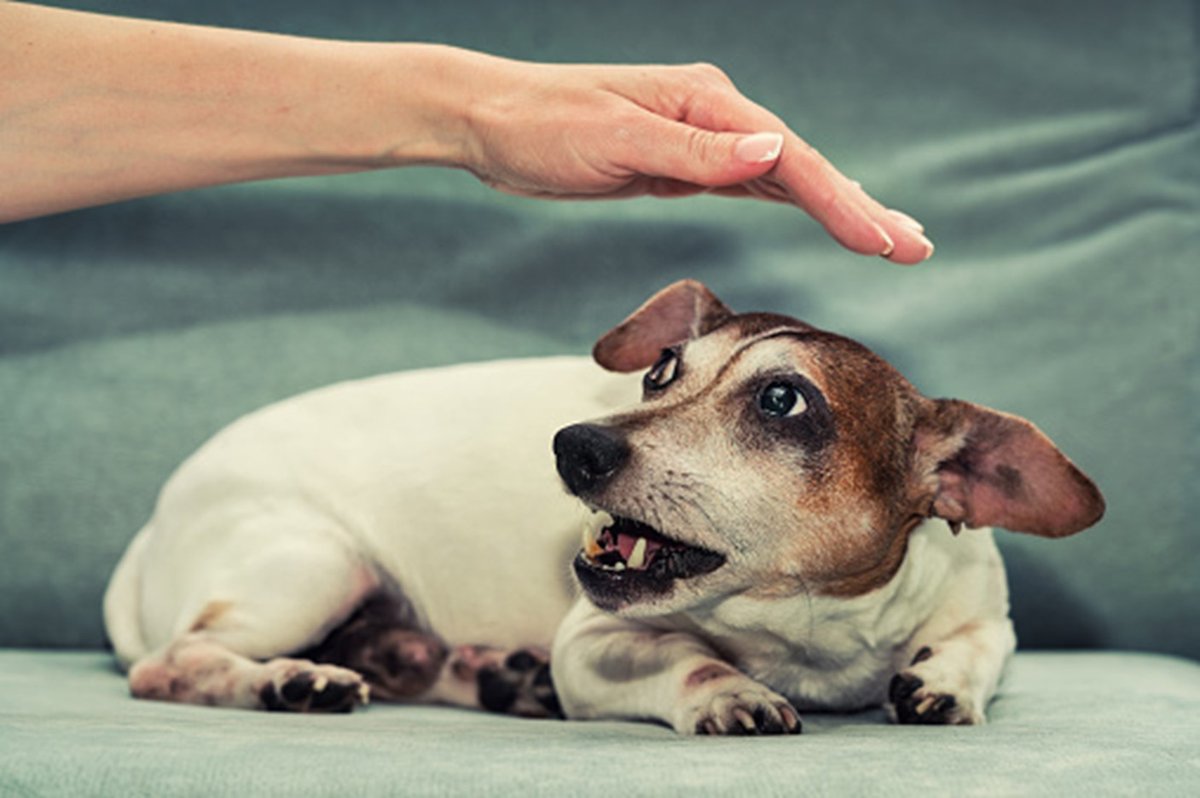
Credit: www.k-9.com
Frequently Asked Questions
How Can I Safely Approach A Frightened Dog?
Approach calmly and quietly, avoiding direct eye contact. Use a soft voice and slow movements. Allow the dog to sniff your hand before petting. This builds trust and reduces fear gradually.
What Are Effective Ways To Build Trust With A Scared Dog?
Consistency and patience are key. Offer treats, gentle praise, and safe spaces. Avoid sudden noises or actions. Regular, positive interactions help the dog feel secure and lowers anxiety over time.
How Do I Recognize Signs Of Fear In My Dog?
Look for trembling, cowering, tucked tail, or avoiding eye contact. Whining, excessive licking, or hiding also indicate fear. Recognizing these signs helps you respond appropriately to calm your dog.
Can Training Help Reduce My Dog’s Fear And Anxiety?
Yes, training with positive reinforcement builds confidence. Use treats and praise for calm behavior. Gradual exposure to feared situations helps your dog adapt without stress.
Conclusion
Training a frightened dog takes time and patience. Stay calm and gentle with your pet. Build trust with small, positive steps each day. Use treats and praise to encourage good behavior. Avoid forcing your dog into scary situations. Celebrate every little success along the way.
Remember, every dog learns at their own pace. Your kindness helps your dog feel safe and loved. Keep trying, and you will see progress soon. Caring for a scared dog is a rewarding journey.

