

Are you wondering if raw meat is truly the best food for your dog? You want what’s healthiest and most natural for your furry friend, but with so many opinions out there, it’s hard to know what’s right.
What if feeding raw meat could improve your dog’s energy, coat, and overall health? Or could it actually cause problems you haven’t considered? Keep reading to discover the facts behind raw meat diets and find out if this feeding choice is the perfect fit for your dog’s well-being.

Credit: gorawpetfood.com
Raw Meat Diet Basics
Feeding your dog a raw meat diet can seem straightforward but understanding the basics is key to making the right choices for your pet’s health. Raw meat diets focus on giving dogs food that closely resembles what their ancestors might have eaten in the wild. This means fresh, uncooked meats combined thoughtfully to meet their nutritional needs.
Types Of Raw Meat For Dogs
You can choose from a variety of raw meats to feed your dog, each offering different benefits. Common options include:
- Beef:Rich in protein and widely available, beef is a popular choice.
- Chicken:Easy to digest and often used for dogs with sensitive stomachs.
- Lamb:A good alternative for dogs allergic to more common meats.
- Turkey:Lean and packed with nutrients, suitable for weight-conscious dogs.
- Organ meats:Such as liver and kidney, essential for vitamins and minerals.
Have you ever wondered if mixing different meats can offer a more balanced diet? Many dog owners find variety keeps their pets excited about mealtime.
Nutritional Components
Raw meat diets are not just about protein; they need a balance of fats, vitamins, and minerals to keep your dog healthy. Key components include:
- Protein:Supports muscle growth and energy.
- Fat:Provides essential fatty acids and energy.
- Calcium and phosphorus:Important for strong bones and teeth, often added through raw bones or supplements.
- Vitamins and minerals:Found in organ meats and fresh vegetables.
Are you confident your dog’s raw diet covers all these areas? Missing one can lead to health issues over time.
Common Raw Feeding Practices
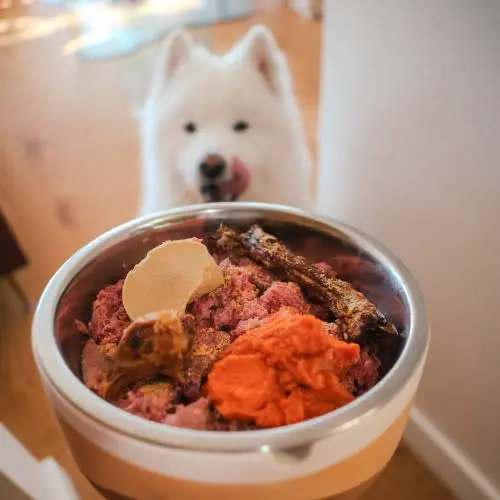
Many dog owners follow certain routines to make raw feeding easier and safer. Some common practices include:
- Prepping meals in bulk:Saves time and ensures consistent nutrition.
- Freezing meat:Helps kill parasites and bacteria.
- Balancing meals:Combining muscle meat, organs, and bones in correct ratios.
- Monitoring your dog’s health:Regular vet check-ups to adjust the diet as needed.
Have you noticed how your dog’s energy or coat changes after switching to raw? Tracking these signs helps you fine-tune the diet for the best results.
Credit: wefeedraw.com
Benefits Of Raw Meat
Raw meat offers many benefits for dogs. It provides natural nutrients that support their overall health. Feeding raw meat can help dogs feel better and stay active. The benefits cover digestion, skin and coat condition, and energy levels.
Improved Digestion
Raw meat contains enzymes that help dogs digest food easily. These enzymes break down nutrients better than cooked food. Dogs absorb more vitamins and minerals from raw meat. It can reduce digestive problems like gas and bloating. Healthy digestion means fewer stomach issues.
Healthier Coat And Skin
Raw meat is rich in fatty acids that nourish skin and fur. These fats keep the coat shiny and soft. Dogs eating raw meat often have less itching and dryness. Good nutrition from raw meat supports skin repair. A healthy coat shows the dog is well cared for.
Increased Energy Levels
Raw meat provides high-quality protein and fat for energy. Dogs get the fuel needed for play and exercise. Raw diets help maintain strong muscles and stamina. More energy means happier and more active dogs. Feeding raw meat supports an energetic lifestyle.
Potential Risks
Is raw meat the best food for your dog? While it might seem like a natural choice, it’s essential to consider the potential risks involved. Feeding your furry friend raw meat can lead to health concerns that you might not have anticipated. Let’s dive into these risks to ensure you’re making the best decision for your pet’s diet.
Bacterial Contamination
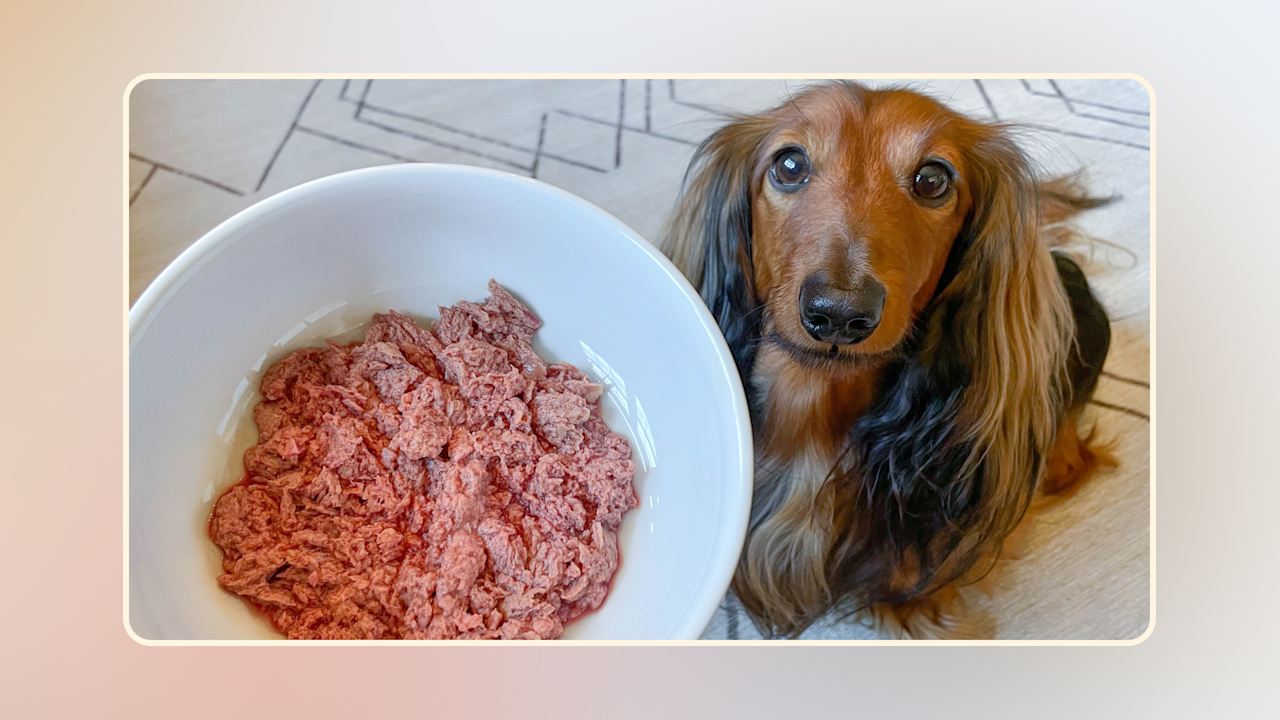
Raw meat can harbor harmful bacteria such as Salmonella and E. coli. These bacteria not only pose a risk to your dog but can also spread to humans. Imagine your pet licking your face after a meal laden with bacteria—yikes! To mitigate this risk, think about how you can safely handle and store raw meat. Is washing your hands and cleaning surfaces enough to protect your household?
Nutritional Imbalances
Raw meat might not provide all the nutrients your dog needs. Dogs require a balanced diet, including vitamins, minerals, and fibers. Over time, a raw meat diet could lead to deficiencies. Have you considered consulting a vet to tailor a raw diet that meets all your pet’s nutritional needs?
Choking And Bone Hazards
Raw meat often includes bones, which can be a choking hazard. Bones can splinter, causing internal injuries or blockages. Picture your dog happily chewing, only to end up in distress—scary, right? Always supervise meals and choose bones wisely to prevent accidents.
As a pet owner, you want the best for your four-legged friend. Weigh the risks and benefits carefully. What steps will you take to ensure your dog’s diet is both safe and healthy?
Credit: wefeedraw.com
Comparing Raw Meat To Commercial Dog Food
Choosing the right food for dogs can be confusing. Raw meat diets and commercial dog foods offer different benefits and drawbacks. Comparing these two options helps understand what suits a dog’s health and lifestyle best. This section breaks down the differences in nutrients, safety, and cost.
Nutrient Profiles
Raw meat diets provide natural proteins and fats. They contain vitamins and minerals in their original form. Dogs may absorb these nutrients better from raw meat. Commercial dog foods are designed to be balanced. They include added vitamins, minerals, and other nutrients. Some commercial foods also contain grains and fillers. These may not always suit every dog’s digestion. Raw meat lacks certain nutrients found in fortified commercial foods. Owners often add supplements to raw diets. Both diets can support a dog’s health if planned correctly.
Convenience And Safety
Commercial dog food is easy to store and serve. It requires no preparation, saving time. It also has a longer shelf life due to processing. Raw meat demands careful handling to avoid bacteria. Freezing and thawing raw meat can be time-consuming. Cross-contamination risk is higher with raw diets. Commercial foods undergo strict safety checks. Raw diets can expose dogs and humans to pathogens. Proper hygiene and food safety practices are essential with raw meat. Convenience often makes commercial food more practical for busy owners.
Cost Considerations
Raw meat diets can be expensive. High-quality meats and supplements add to the cost. They may also require buying in bulk. Commercial dog foods vary in price. Some budget brands are affordable but less nutritious. Premium commercial foods cost more but offer better nutrition. Feeding raw meat regularly may cost more than commercial food. Costs depend on the dog’s size and dietary needs. Budgeting for either option is important for long-term care.
Expert Opinions And Research
Understanding whether raw meat is the best food for dogs requires looking closely at what experts and research say. Opinions vary widely, and the topic sparks lively debates among vets, scientists, and pet owners alike. Let’s break down their perspectives to help you make an informed choice for your furry friend.
Veterinarian Perspectives
Many veterinarians warn against feeding raw meat due to potential health risks like bacterial infections and nutritional imbalances. They emphasize that raw diets can expose dogs to pathogens such as Salmonella and E. coli, which could also affect your household.
However, some vets support raw feeding when done carefully, stressing the importance of balanced nutrients and safe handling practices. They often recommend consulting a professional to design a raw diet that meets your dog’s specific needs.
Scientific Studies
Research on raw meat diets for dogs presents mixed results. Some studies highlight improved coat quality, dental health, and digestion, while others point to higher risks of contamination and nutrient deficiencies.
For instance, a 2020 study found that dogs on raw diets had better stool consistency but were more likely to carry harmful bacteria. This raises a critical question: do the benefits outweigh the potential dangers for your dog’s health?
Anecdotal Evidence
Many dog owners share success stories about raw feeding, reporting increased energy, shinier coats, and fewer allergies. Personal experiences often highlight improvements that can be hard to measure scientifically.
Still, anecdotal evidence can be biased. It’s important to ask yourself if these stories align with your dog’s health history and lifestyle. Have you noticed any changes when switching your dog’s diet? Observing your pet closely can provide valuable clues.
Safe Practices For Feeding Raw Meat
Feeding raw meat to dogs requires careful attention to safety. Raw meat can carry harmful bacteria and parasites. Following safe practices reduces health risks for dogs and owners.
Choosing Quality Meat
Select fresh meat from trusted sources. Opt for meat labeled fit for human consumption. Avoid meat with discoloration or bad smell. Choose lean cuts, free from chemicals or additives.
Proper Storage And Handling
Store raw meat in the refrigerator at or below 40°F (4°C). Freeze meat if not used within two days. Use separate utensils and surfaces for raw meat. Clean hands and tools thoroughly after handling. Thaw meat in the refrigerator, never at room temperature.
Balancing The Diet
Raw meat alone lacks essential nutrients. Include bones, organs, and vegetables to balance meals. Consult a vet for proper portion sizes and supplements. Rotate different protein sources for variety and health. Monitor your dog’s health and adjust diet as needed.
Alternatives To Raw Meat Diets
Raw meat diets have gained popularity, but they are not the only way to feed dogs. Many safe and nutritious alternatives exist. These options can provide balanced nutrition and reduce risks linked to raw feeding. Exploring these alternatives helps find the best choice for each dog’s needs.
Cooked Homemade Meals
Cooking food for dogs kills harmful bacteria. It makes proteins easier to digest. Homemade meals allow control over ingredients. Owners can include vegetables, grains, and lean meats. Recipes often combine protein, carbs, and fats for balance. Always consult a vet for proper nutrition guidelines.
High-quality Commercial Foods
Commercial dog foods undergo strict quality controls. They come in dry kibble, canned, or freeze-dried forms. These foods are designed to meet dogs’ nutritional needs. Many brands offer grain-free or limited ingredient options. Look for products with named meat sources and no fillers. Check for AAFCO approval for nutritional adequacy.
Supplement Options
Supplements can enhance any diet. Omega-3 fatty acids support skin and coat health. Probiotics aid digestion and gut health. Vitamins and minerals fill nutritional gaps. Always use supplements recommended by a veterinarian. Avoid overdosing, which can harm dogs.
Frequently Asked Questions
Is Raw Meat Safe For All Dog Breeds?
Raw meat can be safe for many breeds but poses risks if not handled properly. Consult your vet before feeding raw meat. Some breeds may have specific dietary needs or sensitivities.
What Are The Benefits Of Raw Meat For Dogs?
Raw meat can improve coat health, boost energy, and support dental hygiene. It provides natural nutrients and enzymes often lost in cooked food. Always balance with other nutrients for optimal health.
Can Raw Meat Cause Health Issues In Dogs?
Raw meat may carry bacteria like Salmonella or E. coli. Improper handling can lead to infections. Freezing and sourcing high-quality meat reduce risks. Always maintain hygiene when preparing raw meals.
How To Transition A Dog To Raw Meat Diet?
Switch gradually by mixing raw meat with current food over 7-10 days. Monitor your dog for digestive changes or allergies. Consult a vet to ensure balanced nutrition during transition.
Conclusion
Raw meat can offer benefits, but it is not perfect for every dog. Some dogs digest it well, while others may face health risks. Always consider your dog’s needs and talk to a vet first. Balanced nutrition matters most for a happy, healthy pet.
Feeding choices should fit your dog’s lifestyle and health. Careful planning helps avoid problems and keeps dogs strong. Raw meat is an option, but not always the best one. Think about safety, nutrition, and your dog’s unique situation before deciding.


