

Training your dog to pee on a pee pad can save you a lot of hassle and keep your home clean. But if you’ve tried before and felt frustrated, you’re not alone.
You might be wondering how to make your dog understand exactly where to go without confusion. The good news is, with the right steps and a bit of patience, you can teach your furry friend this important habit. Keep reading, and you’ll discover simple, effective tips that will make potty training easier for both you and your dog.
By the end, you’ll feel confident and ready to tackle this challenge head-on.
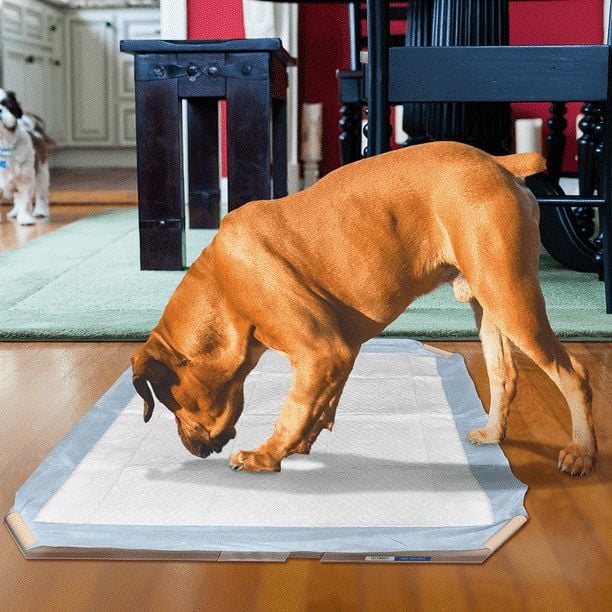
Credit: www.walmart.ca
Choosing The Right Pee Pad
Choosing the right pee pad is a crucial step in training your dog to pee on it consistently. The right pad not only absorbs urine effectively but also encourages your dog to use it without hesitation. Making the right choice can save you time and frustration during the training process.
Material And Size Options
Pee pads come in a variety of materials designed to contain mess and neutralize odor. Look for pads with multiple layers: a waterproof bottom layer to protect your floors, an absorbent core to soak up urine quickly, and a top layer that stays dry to keep your dog comfortable.
Size matters too. Small pads might be enough for tiny breeds, but larger dogs need bigger pads to avoid accidents. If you have a growing puppy, choosing a larger pad from the start can prevent frequent changes and confusion.
- Standard sizes: 22×23 inches for small to medium dogs
- Extra-large sizes: 30×30 inches or bigger for large breeds
- Consider thickness—thicker pads last longer and control odor better
Placement Tips For Success
Where you place the pee pad makes a huge difference in your dog’s willingness to use it. Pick a quiet, low-traffic area that’s easy for your dog to access. Avoid placing the pad near their food or sleeping area, as dogs usually avoid soiling those spaces.
Try to keep the pad in the same spot throughout the training to build a habit. If you need to move it, do so gradually—just a few inches at a time—to avoid confusing your dog.
- Choose a spot with good lighting so your dog can easily find the pad
- Use a non-slip mat underneath to keep the pad stable
- Consider a corner placement to help your dog feel secure and reduce mess
Have you noticed where your dog naturally tends to relieve themselves? Placing the pad in a similar spot can make training smoother and faster. Think about your dog’s comfort and routine—it’s often the key to success.
Preparing Your Dog For Training
Preparing your dog for pee pad training lays the groundwork for success. It requires patience, observation, and consistency. By setting clear expectations and understanding your dog’s natural habits, you make the process smoother and less stressful for both of you.
Setting A Routine
Dogs thrive on routine, especially during training. Choose consistent times for bathroom breaks, like first thing in the morning, after meals, and before bedtime. This helps your dog anticipate when and where they should go.
Keep the pee pad in the same spot to avoid confusion. If you move it around, your dog might get mixed signals. Consistency in location and timing builds a strong habit quickly.
Have you noticed how your dog reacts to daily schedules? Use this to your advantage by syncing the pee pad times with their natural rhythm. This small adjustment can speed up learning.
Recognizing Signs Of Needing To Pee
Watching your dog closely is key to catching when they need to pee. Common signs include sniffing the floor, circling, or suddenly becoming restless. Identifying these behaviors early lets you guide your dog to the pee pad before accidents happen.
Every dog shows signs differently, so spend a few days observing your pet’s unique cues. This attention pays off when you can intervene in time. Have you ever caught your dog just before they had an accident? That moment is a training win.
Keep a small notebook or use your phone to track these signs. This record helps you spot patterns and adjust the routine if needed. Being proactive reduces stress for both you and your dog during training.
Introducing The Pee Pad
Teaching your dog to use a pee pad helps keep your home clean and dry. Place the pad in a quiet spot and reward your dog for using it. Consistent training makes this habit easy to learn.
Introducing a pee pad to your dog can be a helpful step in training. It creates a designated spot for bathroom needs indoors. Start by selecting a quiet, accessible area in your home. This area should be free from distractions. Place the pee pad flat on the floor. Ensure it is easily visible to your dog. Let your dog sniff and investigate it. This will help them understand its purpose.Encouraging Exploration
Begin by encouraging your dog to explore the pee pad. Allow them to sniff and walk on it. Use a calm, gentle voice to reassure them. This helps build a positive association. Give them time to get used to the pad. Be patient and observe their reactions. If they seem curious, that’s a good sign.Using Positive Reinforcement
Positive reinforcement is key in training. Reward your dog with treats when they step on the pad. Praise them with a happy voice. This reinforces the behavior you want. Consistency is important. Use rewards each time they use the pad correctly. Over time, they will associate the pad with positive outcomes.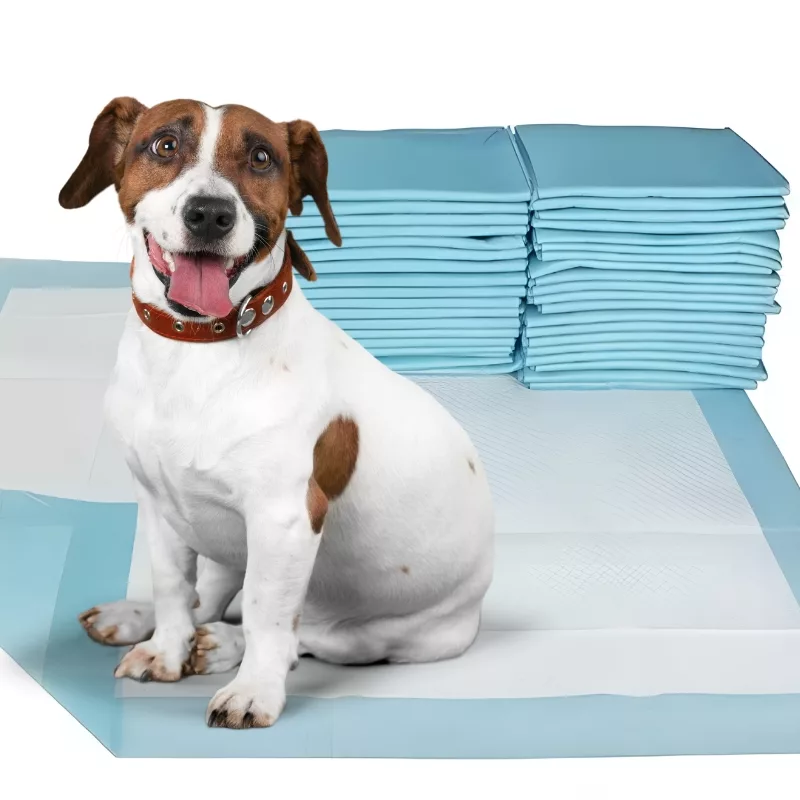
Credit: primdog.ie
Establishing A Pee Pad Routine
Creating a reliable pee pad routine is key to helping your dog understand where and when to go. Dogs thrive on consistency, so setting up a clear schedule and using the same commands can make training smoother. Have you noticed how your dog picks up habits faster when you stick to a daily rhythm?
Scheduled Bathroom Breaks
Set specific times during the day for your dog to use the pee pad. Puppies often need to go after eating, drinking, playing, or waking up from naps.
- Start with frequent breaks every 1-2 hours to prevent accidents.
- Gradually space out the intervals as your dog learns to hold it longer.
- Keep a timer or reminder on your phone to stay consistent.
Consistency helps your dog anticipate bathroom time, reducing confusion. Have you tried tracking your dog’s natural bathroom habits to create a personalized schedule?
Consistent Commands And Cues
Using the same words or phrases each time you bring your dog to the pee pad builds clear communication.
- Choose simple commands like “Go potty” or “Bathroom time.”
- Say the command calmly and clearly every time before your dog uses the pad.
- Pair the command with gentle encouragement or treats to reinforce the behavior.
Over time, your dog will connect the command with the action, making training faster. What command feels natural for you to say often without getting tired?
Handling Accidents Effectively
Handling accidents during pee pad training requires patience and the right approach. Dogs may not always get it right, especially in the beginning. How you respond can shape their learning experience. Staying calm and consistent helps your dog learn faster and feel safe.
Cleaning Techniques
Cleaning accidents quickly removes the smell and prevents repeat mistakes. Use an enzymatic cleaner designed for pet urine. It breaks down odors and stops dogs from peeing in the same spot again.
- Blot the area with paper towels to soak up urine.
- Apply the enzymatic cleaner evenly over the spot.
- Let the cleaner sit for the time recommended on the label.
- Wipe the area clean with a damp cloth.
- Avoid using ammonia-based cleaners that smell like urine.
Avoiding Negative Reactions
Never punish or yell at your dog for accidents. This can cause fear and confusion. Your dog may hide when they need to go. Instead, stay calm and redirect them to the pee pad gently.
Use positive words and reward your dog when they use the pad correctly. Praise and small treats encourage good behavior. Remember, accidents are part of the learning process.
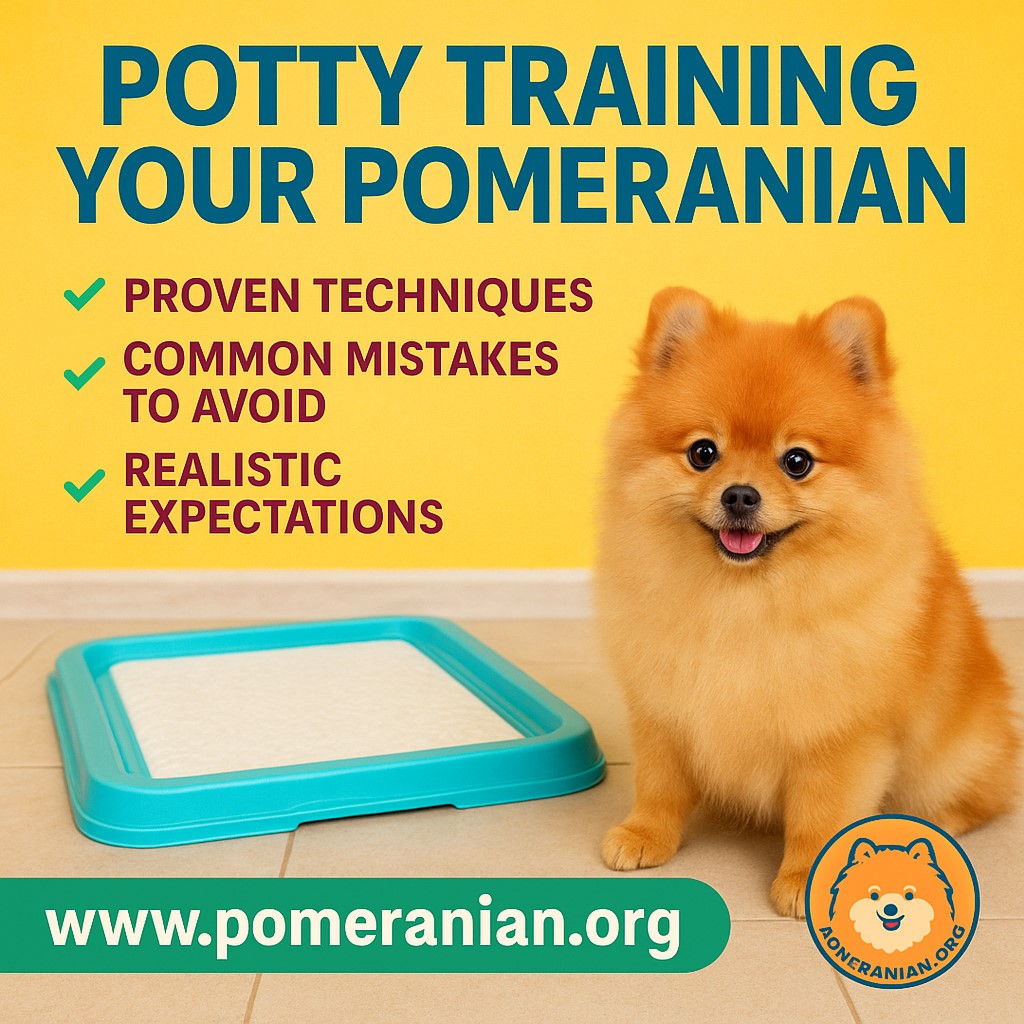
Credit: pomeranian.org
Maintaining Long-term Success
Maintaining long-term success in training your dog to pee on a pee pad requires patience and consistency. The goal is to keep good habits strong while gently guiding your dog toward fewer pads or new routines. This phase ensures your dog stays comfortable and confident with their bathroom spot.
Gradual Reduction Of Pads
Start by slowly removing some pee pads. Keep one or two pads in the most used areas. This helps your dog focus on fewer spots. Observe your dog’s behavior. If accidents happen, add a pad back temporarily. Praise your dog when they use the remaining pads. This step-by-step reduction prevents confusion and builds trust.
Transitioning Outdoors If Desired
Some owners want their dog to switch from pee pads to outdoor potty spots. Begin by placing a pee pad near the door leading outside. Over days, move the pad closer to the door. Then, place the pad outside in the chosen potty area. Encourage your dog to use the outdoor spot with treats and praise. Keep a routine for walks or outside breaks. This helps your dog learn new habits while still feeling secure.
Frequently Asked Questions
How Long Does It Take To Train A Dog On Pee Pads?
Training time varies but usually takes 1 to 3 weeks. Consistency and positive reinforcement speed up the process. Each dog learns differently, so patience is key.
What Is The Best Way To Introduce Pee Pads?
Place the pee pad in a quiet, accessible area. Show your dog the pad and encourage use with treats. Gradually reduce accidents by rewarding correct usage.
How Often Should I Change The Pee Pad?
Change the pee pad immediately after it’s soiled. Frequent changes keep the area clean and odor-free. This encourages your dog to use the pad consistently.
Can All Dog Breeds Learn To Use Pee Pads?
Yes, most breeds can learn with proper training. Small and indoor dogs often adapt faster. Larger breeds may take more time but can succeed with patience.
Conclusion
Training your dog to pee on a pee pad takes patience and consistency. Keep your sessions short and positive to help your dog learn faster. Praise your dog every time it uses the pad correctly. Expect some accidents but stay calm and encourage proper behavior.
Use the tips shared here regularly for best results. Soon, your dog will understand where to go. This makes life easier for both of you. Keep practicing, and success will follow.


