
Are you wondering if it’s okay to feed your adult dog puppy food? You’re not alone.
Many dog owners ask this question because they want the best for their furry friends. Feeding the right food can make a big difference in your dog’s health, energy, and happiness. But is puppy food really safe or beneficial for adult dogs?
Keep reading to find out what experts say and how you can make the best choice for your dog’s diet. Your pet’s well-being depends on it!
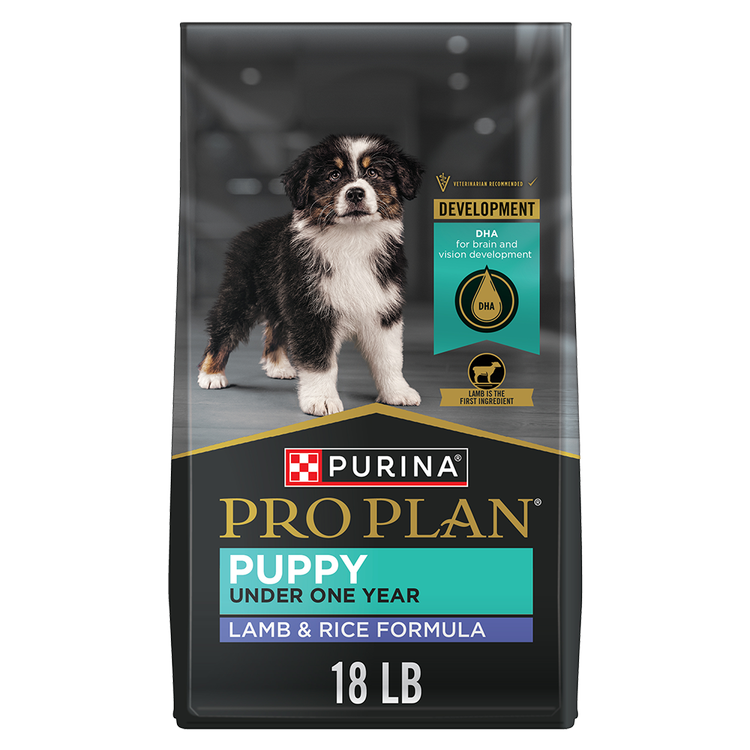
Credit: www.purina.com
Differences Between Puppy And Adult Dog Food
Puppy food and adult dog food are made for different stages of a dog’s life. Each type meets specific needs based on growth and activity. Puppies need extra nutrients to support their fast development. Adult dogs require balanced nutrition to maintain their health without gaining excess weight.
Understanding these differences helps in choosing the right food. Feeding adult dogs puppy food might cause health issues over time. Let’s explore how the foods differ in key areas.
Nutritional Content Variations
Puppy food contains more fats and proteins than adult dog food. These nutrients support muscle growth and energy for active puppies. Adult dog food has balanced nutrients to avoid weight gain and keep the dog healthy. The formulas reflect the changing needs as dogs grow.
Calorie And Protein Levels
Puppy food is higher in calories to fuel rapid growth. It also has increased protein to build strong muscles and bones. Adult dog food has fewer calories to prevent obesity. Protein levels are enough to maintain muscles without excess.
Essential Vitamins And Minerals
Puppy food includes extra vitamins and minerals, such as calcium and phosphorus. These support bone development and overall growth. Adult dog food contains vitamins to maintain health and support the immune system. The mineral balance shifts to suit mature dogs’ needs.

Credit: www.becopets.com
Potential Effects On Adult Dogs
Feeding an adult dog puppy food can affect their health in several ways. Puppy food has more calories and nutrients designed for growing dogs. This extra nutrition may cause problems for adult dogs who do not need as much energy or protein. Understanding these effects helps keep your dog healthy and happy.
Weight Gain Risks
Puppy food contains higher fat and calorie content. Adult dogs eating this food may gain weight quickly. Excess weight puts pressure on joints and organs. It can lead to obesity and related health problems. Maintaining a healthy weight is easier with appropriate adult dog food.
Digestive Issues
Adult dogs have different digestive needs than puppies. Puppy food may cause upset stomach or diarrhea in adults. The richer ingredients can be hard to digest. Changes in diet should be gradual to avoid digestive upset. Proper digestion supports overall health and comfort.
Impact On Energy And Health
Puppy food’s high protein and fat levels boost energy too much for adult dogs. This may cause hyperactivity or restlessness. Over time, excess nutrients can strain organs like the liver and kidneys. Balanced nutrition designed for adult dogs supports steady energy and long-term health.
When Puppy Food Might Be Suitable For Adults
Sometimes, feeding an adult dog puppy food isn’t just okay—it can be beneficial. Certain situations demand extra calories, nutrients, or specific support that puppy formulas offer. Understanding when this switch might help your dog stay healthy is key to making the right choice.
Recovering From Illness Or Surgery
Dogs healing from illness or surgery often need more calories and protein to rebuild strength. Puppy food provides these in higher amounts, which can speed up recovery. If your dog is struggling to gain weight or maintain energy after a health setback, puppy food might be a smart option to discuss with your vet.
Highly Active Or Working Dogs
Some adult dogs burn calories faster than others, especially those who work hard or have high activity levels. Puppy food’s rich nutrient profile supports sustained energy and muscle maintenance. If your dog is a frequent runner, herder, or participates in agility training, switching to puppy food temporarily could help keep up their performance.
Small Or Toy Breeds
Small breed adult dogs often benefit from puppy food due to their faster metabolism and unique nutritional needs. These foods provide concentrated nutrients in smaller kibble sizes, making it easier for tiny mouths to eat well. Have you noticed your small dog losing weight or seeming low on energy? Puppy food might give them the extra boost they need.

Credit: www.petscare.com
Veterinarian Recommendations
Adult dogs need balanced nutrition suited for their age. Puppy food has more calories and nutrients, which may cause weight gain. Veterinarians suggest choosing food made specifically for adult dogs to keep them healthy.
Feeding your adult dog puppy food might seem harmless, but it can raise questions about nutritional adequacy. Veterinarians often emphasize the importance of feeding pets according to their specific life stage needs. Puppy food is formulated with higher protein and fat to support growth, which might not be suitable for an adult dog in the long run.Consulting A Professional
Before making any changes to your dog’s diet, it’s crucial to consult with a veterinarian. They can provide tailored advice based on your dog’s age, breed, and health status. A vet may also conduct a health check to ensure there are no underlying issues that could be affected by dietary changes.Tailoring Diet To Individual Needs
Every dog is unique, and their dietary needs can vary significantly. Some adult dogs with specific health conditions might benefit from the extra calories and nutrients found in puppy food. However, without professional guidance, it’s easy to overfeed or underfeed your pet, leading to health issues like obesity or nutrient deficiencies.Transitioning Between Foods Safely
Switching your dog’s food abruptly can lead to digestive upset. It’s recommended to transition gradually over a week by mixing increasing amounts of the new food with the old. Observe your dog for any signs of digestive distress, such as diarrhea or vomiting, and consult your vet if concerns arise. Incorporating your veterinarian’s insights ensures that your dog’s diet aligns with their health needs. Have you ever wondered if your dog’s food is meeting their nutritional requirements? Taking a proactive approach to their diet can make a significant difference in their overall well-being.Alternatives To Puppy Food For Adult Dogs
Feeding an adult dog puppy food is not always the best choice. Puppy food contains more calories and nutrients meant for growth. Adult dogs need balanced diets that support maintenance and health. Several alternatives provide proper nutrition without the excess calories or nutrients.
Adult Dog Food Options
Adult dog food is specially made for mature dogs. It has the right balance of proteins, fats, and vitamins. These foods support healthy weight and energy levels. Look for labels stating “adult maintenance” or “for adult dogs.”
- Dry kibble designed for adult dogs
- Wet canned food with balanced nutrients
- Grain-free or limited ingredient diets for sensitive dogs
Choosing adult dog food helps avoid weight gain and nutrient imbalance.
Specialized Diets And Supplements
Some adult dogs need special diets due to health issues. These include weight control, allergies, or joint problems. Prescription diets from veterinarians can help manage these needs.
- Weight management formulas with fewer calories
- Hypoallergenic diets to reduce food sensitivities
- Supplements like glucosamine for joint health
Supplements can support overall well-being when used correctly.
Homemade And Raw Diet Considerations
Homemade and raw diets are popular choices for some dog owners. They allow control over ingredients and freshness. Planning is critical to meet all nutritional needs.
- Include balanced proteins, fats, and carbohydrates
- Use supplements to cover vitamins and minerals
- Consult a vet or pet nutritionist before starting
Improper homemade diets can cause nutrient gaps or excesses.
Frequently Asked Questions
Can Adult Dogs Eat Puppy Food Safely?
Adult dogs can eat puppy food occasionally, but it’s not ideal long-term. Puppy food has extra calories and nutrients meant for growth. Feeding it regularly to adults may cause weight gain or digestive issues. Always consult your vet before making diet changes.
What Are The Risks Of Feeding Adult Dogs Puppy Food?
Puppy food is richer in fats and proteins, which can lead to obesity and digestive upset in adult dogs. Over time, this imbalance might cause joint stress or nutrient excess. It’s best to feed age-appropriate food to meet your dog’s specific needs.
How Does Puppy Food Differ From Adult Dog Food?
Puppy food contains higher protein, fat, and calorie levels to support growth and development. Adult dog food focuses on maintaining health and weight with balanced nutrients. These differences ensure each life stage gets proper nourishment without excesses or deficiencies.
When Is It Okay To Feed Adult Dogs Puppy Food?
Feeding puppy food to adult dogs is acceptable short-term during recovery or illness when extra nutrition is needed. Otherwise, it’s better to stick with adult formulas to avoid unwanted weight gain or nutrient imbalance. Always seek veterinary advice for special cases.
Conclusion
Feeding an adult dog puppy food is not ideal for long-term health. Puppy food has extra nutrients meant for growing dogs. Adult dogs need balanced nutrition to stay healthy and active. Small amounts in emergencies may be okay, but avoid making it a habit.
Always choose food designed for your dog’s age and size. Consult your vet for the best diet advice. Your dog deserves proper care and nutrition every day. Simple choices make a big difference in your dog’s life.