
Training your puppy to become a service dog is a rewarding challenge that can change both your lives. Imagine having a loyal companion by your side, ready to assist you in everyday tasks and provide comfort when you need it most.
But how do you turn a playful puppy into a well-trained service dog? In this guide, you’ll discover simple, effective steps to help your puppy develop the skills and behavior needed to support you reliably. Keep reading, and you’ll learn how to build a strong bond with your puppy while shaping them into a trusted helper.
Your journey to a confident, capable service dog starts here.
Choosing The Right Puppy
Choosing the right puppy is the foundation of training a successful service dog. Not every puppy has what it takes to handle the responsibilities and challenges of service work. Your decision here can save time, effort, and heartache down the line.
Traits Of Service Dog Candidates
Look for puppies that display calmness and confidence without being overly shy or aggressive. A good service dog candidate is curious but not easily distracted, showing focus even in new environments.
For example, a puppy that remains steady during loud noises or sudden movements is more likely to succeed. Ask yourself: Does this puppy react calmly under pressure? This trait is crucial for real-world service situations.
Health Screening And Vet Check
Healthy puppies have a better chance of completing rigorous training and living a long, active life. Before committing, get a thorough vet check to identify any genetic or physical issues.
Tests for hip dysplasia, vision problems, and hearing impairments are essential. If you skip this step, you might invest months in training a dog that later faces health setbacks.
Breeds Suited For Service Work
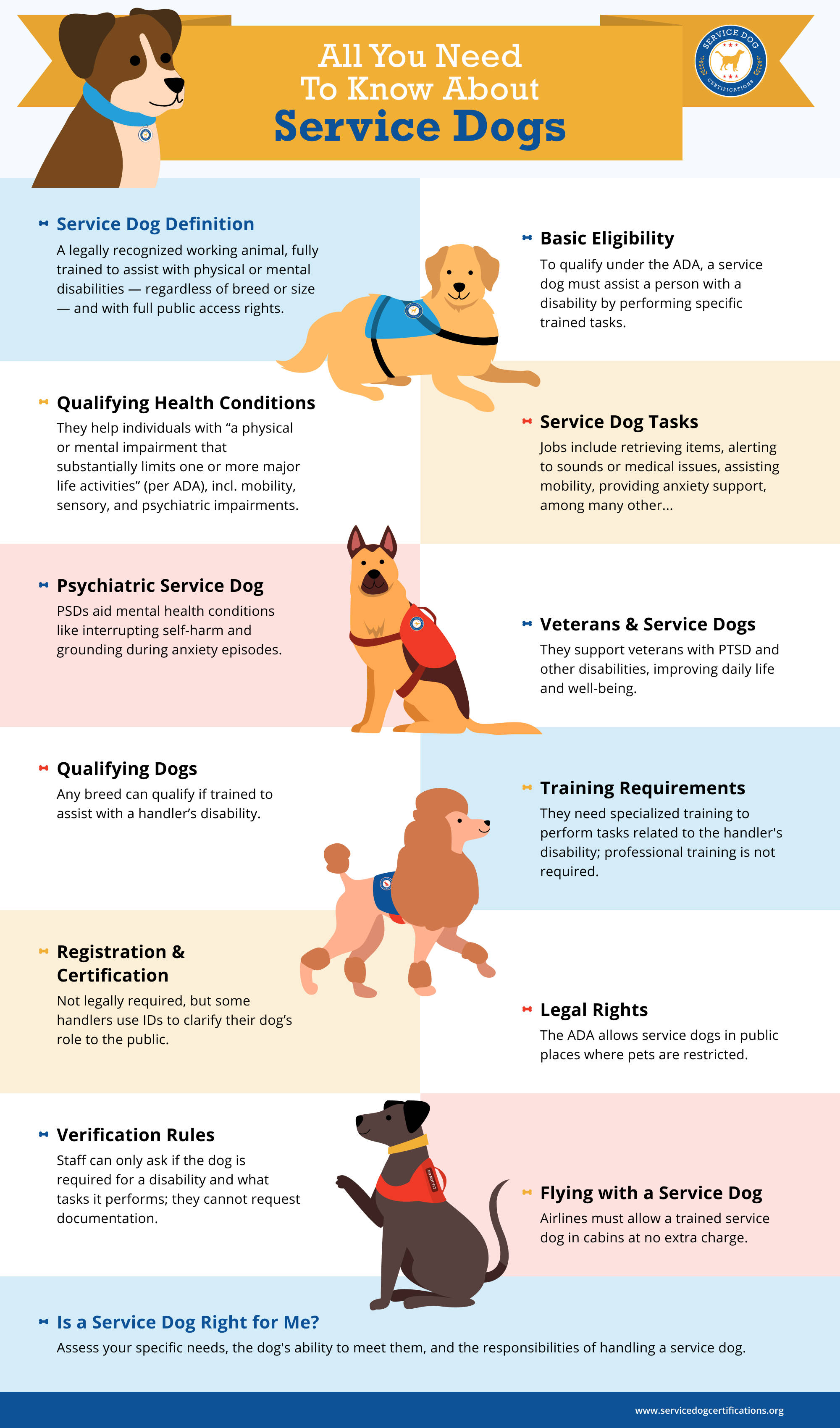
Some breeds naturally excel in service roles due to their intelligence, temperament, and physical abilities. Labrador Retrievers, Golden Retrievers, and German Shepherds are popular choices for various service tasks.
But don’t overlook less common breeds that might fit your specific needs better. Think about the type of service your dog will provide and match the breed’s characteristics to those demands.
Credit: www.servicedogcertifications.org
Early Socialization
Early socialization shapes a puppy’s behavior and confidence. It helps them adapt to many situations calmly. Socializing a puppy early improves their focus and obedience. It also reduces fear and anxiety in new places.
Start socialization in safe, controlled ways. Expose the puppy to different sights, sounds, and people. This builds a strong foundation for future training as a service dog.
Introducing New Environments
Take the puppy to various places like parks, streets, and stores. Let them explore different surfaces such as grass, concrete, and tile. Changing environments teach the puppy to stay calm and alert.
Keep visits short at first. Gradually increase the time as the puppy becomes comfortable. Watch for signs of stress and offer praise for calm behavior.
Meeting People And Animals
Expose the puppy to many types of people, including children and elderly. Encourage gentle and calm interactions. Meeting different animals helps the puppy learn to stay relaxed around others.
Use treats to reward friendly and calm behavior. Avoid forcing the puppy if it feels scared. Positive experiences build trust and social skills.
Handling Sounds And Crowds
Introduce the puppy to everyday sounds like traffic, vacuum cleaners, and sirens. Play recordings of busy places at low volume first. Slowly increase the volume as the puppy adjusts.
Take the puppy to places with moderate crowds. Teach them to focus on you, ignoring distractions. This skill is vital for a service dog in public settings.
Basic Obedience Training
Training your puppy to become a service dog starts with a strong foundation in basic obedience. These fundamental skills are the building blocks for more advanced tasks your puppy will need to learn. Establishing good habits early on can make all the difference in your puppy’s journey to becoming a reliable service companion.
Sit, Stay, And Come Commands
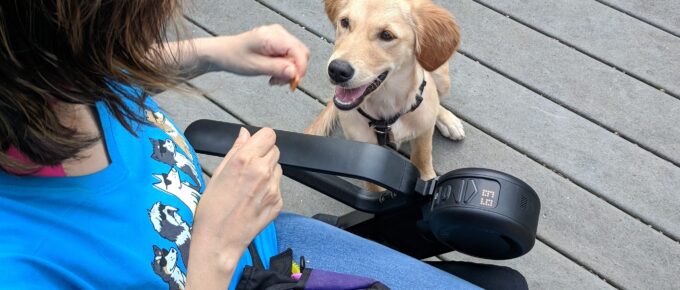
The sit, stay, and come commands are essential for a service dog’s obedience. Begin with the sit command by holding a treat close to your puppy’s nose and moving it upwards. This motion naturally encourages them to sit. Reward them immediately when they do.
The stay command requires patience. Once your puppy sits, show them your palm and say “stay,” then take a step back. Gradually increase the distance and duration before rewarding them.
The come command is vital for recall. Use a cheerful tone and say “come” while gently pulling on the leash. Always reward them when they respond promptly.
Leash Walking Techniques
Teaching your puppy to walk nicely on a leash is crucial. Start in a quiet area with minimal distractions. Encourage your puppy to walk beside you by using treats and praise.
If they pull ahead, stop walking and wait until they return to your side. This teaches them that pulling gets them nowhere.
Consistency is key. Practice regularly to help your puppy understand that walking calmly on a leash is rewarding.
Impulse Control Exercises
Impulse control is essential for a service dog. Begin with simple exercises like waiting for food. Place their bowl down and only allow them to eat after you give a release command.
Another exercise is the leave it command. Place a treat on the ground and cover it with your hand. Wait for your puppy to lose interest before rewarding them with a different treat.
These exercises teach patience and self-control, which are crucial traits for a service dog. How do you plan to incorporate these exercises into your puppy’s training?
Credit: cooperativepaws.com
Specialized Service Skills
Training a puppy to become a service dog involves more than basic obedience. Specialized service skills are essential for your dog to perform tasks that directly assist you in daily life. These skills ensure your puppy can handle real-world challenges confidently and reliably.
Task-specific Training
Every service dog learns tasks tailored to their handler’s unique needs. These might include retrieving dropped items, alerting to medical conditions, or providing balance support. Focus on one task at a time and use clear, consistent commands to help your puppy understand what’s expected.
Think about what tasks will make the biggest difference in your life. Then, break those tasks down into small steps. Reward your puppy generously for each success to build confidence and eagerness.
Distraction Proofing
Service dogs must stay focused even in busy or noisy environments. To achieve this, gradually introduce distractions during training sessions. Start with mild distractions and increase difficulty as your puppy improves.
Try practicing in places like parks, stores, or around other dogs. Notice how your puppy reacts and adjust your training pace accordingly. Staying patient and consistent here is key to building a reliable service dog.
Public Access Etiquette
Your service dog needs to behave calmly and politely in public spaces. This means no jumping, barking, or wandering off during errands or social outings. Teaching your puppy to stay close and ignore temptations helps keep you both safe and respected.
Practice entering stores, riding public transport, and walking through crowds. Use positive reinforcement to encourage calm behavior. How your dog behaves in public reflects your training and sets the tone for future interactions.
Building Focus And Reliability
Building focus and reliability in your puppy is essential for their success as a service dog. These qualities ensure that your dog remains attentive and dependable, even in distracting environments. Developing this foundation early helps your puppy understand their important role and prepares them to respond accurately to your needs.
Consistent Training Routines
Set a daily schedule for training sessions, keeping them short and frequent. Puppies learn best with repetition, so practicing the same commands regularly builds muscle memory.
Use a quiet spot free from distractions at first, then gradually introduce more challenging environments. Consistency helps your puppy know what to expect and what you expect from them.
Think about your own routine—does sticking to a set schedule help you stay focused? It works the same way for your puppy.
Positive Reinforcement Methods
Reward your puppy immediately when they follow commands correctly. Use treats, praise, or a favorite toy to make learning enjoyable.
Positive reinforcement strengthens the connection between good behavior and rewards, encouraging your puppy to repeat those actions.
Remember, patience is key—some days your puppy might respond quicker than others. Celebrate small wins to keep motivation high.
Handling Setbacks
Setbacks are normal. If your puppy loses focus or makes mistakes, avoid harsh corrections.
Instead, calmly redirect their attention back to the task and reward any effort made. This approach keeps training positive and productive.
Ask yourself: how do you react when you make a mistake? Teaching your puppy in a calm, understanding way builds trust and resilience.
Health And Wellness Maintenance
Keeping your puppy healthy and well is crucial when training them to become a reliable service dog. Health and wellness maintenance ensures your dog stays strong, focused, and ready to assist you at all times. Neglecting this aspect can lead to setbacks in training and overall performance.
Regular Vet Visits
Schedule vet check-ups every 6 months to catch any health issues early. Vaccinations, parasite control, and dental care are essential to prevent illnesses that could interrupt training.
Ask your vet about specific health concerns related to service dogs, like joint health or stress management. Staying on top of medical care keeps your puppy physically fit and mentally sharp.
Nutrition And Exercise
Feed your puppy a balanced diet tailored to their breed, size, and activity level. High-quality protein and essential nutrients support muscle growth and energy needed for training sessions.
Exercise should mix physical and mental activities. Walks, playtime, and basic obedience drills help build stamina and focus, preparing your puppy for demanding service tasks.
Have you noticed how consistent exercise improves your puppy’s mood and responsiveness? Regular activity is key to preventing behavioral issues down the road.
Grooming And Hygiene
Maintain a grooming routine that includes brushing, bathing, and nail trimming to keep your puppy comfortable and clean. Regular grooming helps you spot skin problems or injuries early.
Clean ears and teeth to avoid infections that can distract or cause discomfort during service work. You’ll find that a well-groomed dog feels better and performs better.
How often do you check your puppy’s coat and paws after outdoor activities? Small hygiene habits add up to big health benefits.
Certification And Legal Requirements
Training a puppy to become a service dog involves more than just obedience and skills. Understanding the certification and legal requirements is crucial to ensure your dog is recognized and protected under the law. These requirements vary by location but generally focus on standardized training, proper documentation, and clear rights and responsibilities.
Training Program Standards
Service dogs must be trained through programs that meet specific standards. These programs teach dogs to perform tasks that directly assist with a person’s disability. Look for trainers or organizations accredited by reputable bodies, such as Assistance Dogs International (ADI) or the International Association of Assistance Dog Partners (IAADP).
Not all training programs are equal. Some focus solely on obedience, while certified programs emphasize task-specific training combined with public access skills. If you want your dog to be legally recognized, ensure the training covers both areas thoroughly.
Documentation Needed
Proper paperwork is essential to prove your service dog’s status. This usually includes a certificate of completion from a recognized training program and sometimes a letter from a healthcare provider explaining your disability and need for a service dog.
Keep a record of your dog’s training milestones, vaccinations, and health checks. These documents support your case if you ever need to verify your dog’s status in public or housing situations.
Rights And Responsibilities
Knowing your rights helps you advocate for your service dog in public spaces, housing, and transportation. The Americans with Disabilities Act (ADA) protects service dogs and their handlers, granting access to most public areas without extra fees.
However, with rights come responsibilities. Your dog must behave well in public and perform the tasks it was trained to do. Are you prepared to handle situations where you might need to explain your dog’s role? Being informed and respectful of public policies can prevent conflicts.
Ongoing Support And Training
Training a puppy to become a service dog is a long journey. Ongoing support and training keep skills sharp and behavior steady. Consistent practice builds confidence and reliability for the dog. It also strengthens the bond between handler and dog. This stage focuses on advancing abilities and ensuring the dog adapts well to different situations.
Advanced Skill Development
After basic commands, introduce complex tasks that match specific needs. Train your puppy on:
- Responding to medical alerts
- Performing task sequences
- Ignoring distractions in busy environments
- Assisting with mobility or balance
Repeat exercises regularly to improve accuracy. Use positive rewards to encourage progress. Gradually increase difficulty and real-life scenarios. This helps the dog stay focused and ready for work.
Behavioral Monitoring
Watch your puppy for signs of stress or fatigue. Early detection prevents bad habits or burnout. Keep track of:
- Reaction to new environments
- Interactions with strangers and other animals
- Response to commands under pressure
- Changes in energy or mood
Adjust training plans based on these observations. Maintain a calm and consistent routine. This ensures your dog stays emotionally balanced and effective.
Support Network Resources
Connect with experienced trainers and service dog organizations. They offer valuable advice and guidance. Join groups or forums to share challenges and successes. Resources include:
- Professional training workshops
- Veterinary and behavioral experts
- Local service dog communities
- Online educational materials
Building a strong support network helps maintain motivation. It also provides solutions to training obstacles quickly.

Credit: www.youtube.com
Frequently Asked Questions
How Early Should I Start Training My Puppy As A Service Dog?
Start training your puppy as early as 8 weeks old. Early training builds good habits and socialization skills essential for service work. Consistent, positive reinforcement during this period helps the puppy adapt to service tasks effectively.
What Basic Commands Should A Service Dog Learn First?
Focus on sit, stay, come, and heel commands first. These form the foundation for advanced service tasks. Reliable obedience ensures the service dog responds promptly and safely in various environments.
How Do I Teach My Puppy Specific Service Tasks?
Break tasks into small steps and use positive reinforcement. Train consistently in different settings to generalize skills. Patience and repetition help your puppy master specialized service tasks efficiently.
Can Any Breed Be Trained As A Service Dog?
Most breeds can become service dogs, but temperament matters most. Dogs should be calm, intelligent, and eager to work. Certain breeds like Labrador Retrievers are popular due to their trainability and disposition.
Conclusion
Training a puppy to be a service dog takes time and patience. Start early and stay consistent with commands. Reward good behavior and avoid harsh corrections. Socialize your puppy with different people and places. Practice tasks the dog must perform daily.
Keep training sessions short and fun. Remember, every puppy learns at its own pace. With love and care, your puppy can become a reliable service dog. Stay positive and enjoy the journey together.