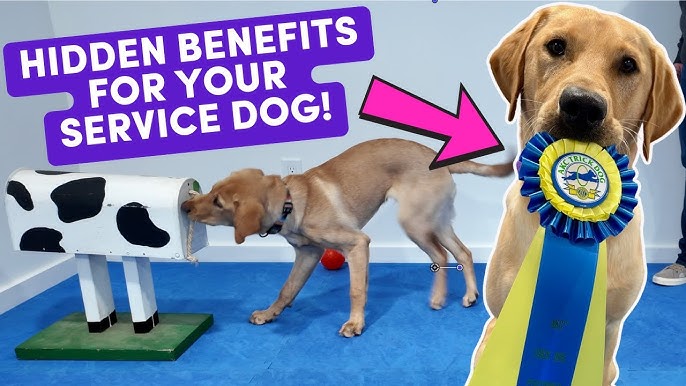

Training a dog to become a service animal is a powerful way to bring independence and support into your life. Imagine having a loyal companion who understands your needs and helps you navigate daily challenges with ease.
But where do you start? How do you teach your dog the skills that truly make a difference? This guide will walk you through simple, clear steps to train your dog effectively. By following these tips, you’ll build a strong bond and create a service dog that’s reliable and ready to assist you whenever you need.
Keep reading to discover how to turn your dog into the partner you’ve always wanted.
Choosing The Right Dog
Choosing the right dog is the first and one of the most important steps in training a service dog. The dog you select will need to handle specific tasks reliably and maintain a calm demeanor in a variety of situations. Picking a dog that naturally fits the role will save you time and frustration down the road.
Breed Traits And Temperament
Different breeds have unique qualities that influence their suitability as service dogs. Some breeds are naturally attentive and eager to please, which makes training easier.
- Labrador Retrieversare known for their friendly nature and strong work ethic.
- Golden Retrieverstend to be patient and gentle, excellent for emotional support roles.
- German Shepherdsoffer high intelligence and loyalty, often used in guide dog roles.
Consider how your dog’s temperament will match your daily needs. A calm, focused dog will perform better in public and stressful situations. Have you noticed how your dog reacts to new environments or loud noises? That reaction tells a lot about their temperament.
Health And Age Considerations
Health is a major factor in a dog’s ability to work effectively. Service dogs must have good physical health to perform tasks without pain or fatigue.
Choosing a young adult dog, typically between 1 and 3 years old, can be ideal. Puppies require more time and effort to train, while older dogs may have health issues or reduced stamina.
| Age Range | Pros | Cons |
|---|---|---|
| Puppy (0-1 year) | Flexible learning, strong bonding potential | Longer training time, higher energy |
| Young Adult (1-3 years) | Physically mature, easier to focus | Less time to bond than puppies |
| Adult (4+ years) | Calm, established behavior | Possible health issues, less adaptable |
Regular veterinary checks ensure your dog stays fit for service tasks. Have you ever thought about how a minor health problem might affect your dog’s ability to help you? Keep health at the forefront of your choice.
Basic Obedience Training
Basic obedience training builds the foundation for a service dog’s skills. It teaches the dog to listen and respond to commands reliably. This training helps the dog behave well in public and at home.
Start with simple commands and practice regularly. Clear communication makes learning easier for the dog. Patience and repetition are key to success.
Essential Commands
- Sit:Helps the dog stay calm and focused.
- Stay:Teaches the dog to wait and not move.
- Come:Ensures the dog returns when called.
- Heel:Keeps the dog walking close to you.
- Down:Helps the dog lie down quietly on command.
Consistency And Patience
Use the same words and tone for each command every time. This helps the dog understand what you want.
Practice daily, but keep sessions short and fun. Dogs learn better with regular, positive training.
Reward good behavior with treats or praise. Avoid punishment; it can confuse and scare the dog.
Advanced Service Skills
Training a dog for service requires patience and clear communication. Focus on teaching basic commands, social skills, and task-specific behaviors. Consistent practice helps your dog become a reliable and confident helper.
Training a dog for service work is a rewarding journey, but once basic obedience and foundational skills are mastered, it’s time to focus on advanced service skills. These skills are crucial for ensuring your dog can effectively assist in specific tasks and behave appropriately in public settings. Advanced training sharpens a dog’s ability to respond to unique needs and environments, making them an invaluable partner in daily life.Task-specific Training
Every service dog is trained to meet the unique needs of their handler. Whether it’s retrieving items, opening doors, or providing stability, the training should be tailored to the tasks required. Start by breaking down each task into small, manageable steps. Use clear and consistent commands, rewarding your dog promptly for successful actions. For instance, if your dog needs to retrieve a phone, teach them to first identify the phone, then pick it up, and finally bring it to you. Consider your dog’s natural strengths. A dog with a keen sense of smell might excel at alerting you to allergens, while a strong dog could be better suited for mobility support. Tailor the training to enhance these innate abilities.Public Access Behavior
Service dogs must be impeccably behaved in public to ensure both your safety and theirs. This involves mastering skills like ignoring distractions, maintaining a calm demeanor, and staying focused on their handler. Practice in various environments such as parks, malls, and restaurants. Begin in quieter areas and gradually increase the complexity of the settings. Teach your dog to remain composed around other animals, people, and unexpected noises. This is crucial for ensuring they can perform their duties without interruption. Remember, consistency is key. Regularly reinforce public access behaviors to keep them sharp. Why not make it a part of your daily routine? This not only strengthens the skills but also deepens the bond between you and your service dog.
Credit: www.youtube.com
Socialization Techniques
Socialization is a crucial part of training a service dog. It shapes how your dog reacts to the world around them, which is vital for their reliability and calmness in various situations. Effective socialization techniques help your dog stay focused and responsive no matter where they are or who they meet.
Exposure To Different Environments
Take your dog to a variety of places early and often. Busy streets, quiet parks, crowded stores—each environment teaches your dog to stay composed amid distractions. Gradually increase the level of activity in these settings to build confidence without overwhelming your dog.
Notice how your dog reacts to new sounds and smells. If they seem anxious, pause and let them adjust at their own pace. Have you observed your dog’s behavior change after visiting a noisy marketplace versus a calm library? Understanding these responses helps you tailor their training effectively.
Interaction With People And Animals
Service dogs must be comfortable around all kinds of people and animals. Introduce your dog to different ages, appearances, and behaviors regularly. Friendly greetings, gentle petting, and calm conversations teach your dog to remain steady and polite.
Include encounters with other dogs and pets to prevent fear or aggression. Monitor body language closely and intervene if play gets too rough or your dog feels threatened. How does your dog respond when approached by a stranger or another animal? This insight guides your next socialization steps.
Positive Reinforcement Methods
Positive reinforcement methods build trust and encourage good behavior in service dogs. This approach uses rewards to motivate dogs rather than punishment. It helps dogs learn tasks quickly and happily. Training with positive reinforcement creates a strong bond between handler and dog. Consistency and patience are key to success. Using praise, treats, and play can make training sessions effective and fun.
Reward Systems
Reward systems focus on giving something the dog likes immediately after good behavior. Common rewards include:
- Small treats with high value
- Verbal praise like “Good job!”
- Petting or gentle touch
- Favorite toys or playtime
Timing is important. Reward right after the desired action to help the dog connect behavior and reward. Varying rewards keeps the dog interested. Start with treats, then gradually switch to praise and play to maintain motivation.
Avoiding Negative Reinforcement
Negative reinforcement means using fear or punishment to stop unwanted behavior. This method can cause stress and confusion. It may harm the dog’s confidence and trust. Service dogs need calm and clear guidance. Avoid yelling, hitting, or harsh corrections. Focus instead on rewarding what the dog does right. This creates a positive learning environment. Dogs respond better to kindness and patience.
Health And Wellness Maintenance
Maintaining your service dog’s health and wellness is crucial for their performance and longevity. A healthy dog learns better, stays focused, and can handle the physical demands of their tasks. Paying close attention to their care routines ensures they remain reliable partners in your daily life.
Regular Veterinary Care
Scheduling consistent vet visits helps catch health issues early. Vaccinations, parasite control, and dental care keep your dog in peak condition. Have you noticed subtle changes in behavior or energy? These might signal the need for a vet checkup before problems grow.
Establish a relationship with a vet who understands your dog’s role as a service animal. This way, any specialized health needs or medications can be addressed promptly. Remember, prevention is easier and less stressful than treatment.
Nutrition And Exercise
Quality nutrition fuels your dog’s body and brain. Choose a balanced diet tailored to their age, size, and activity level. Avoid fillers and artificial additives that can affect focus and energy.
Exercise keeps your dog physically fit and mentally sharp. Regular walks, playtime, and task-specific training build strength and stamina. Could your dog benefit from a new routine that challenges their skills and keeps them engaged?
- Mix short bursts of intense activity with calm, focused tasks.
- Adjust exercise based on weather and your dog’s condition.
- Use interactive toys to stimulate their mind during downtime.
Balancing health, nutrition, and exercise creates a foundation for your service dog’s success. How often do you evaluate your dog’s daily habits and adjust for their changing needs?
Legal And Certification Requirements
Understanding the legal and certification requirements is crucial when training a dog for service. These requirements protect your rights and ensure your dog is recognized officially. Without this knowledge, you risk encountering obstacles that could have been avoided with proper preparation.
Service Dog Laws
Service dog laws vary depending on where you live, but the Americans with Disabilities Act (ADA) is a key piece of legislation in the United States. It defines what qualifies as a service dog and outlines your rights to bring your dog into public places.
Your dog must perform specific tasks that directly relate to your disability. Emotional support animals, while helpful, do not fall under the same protections. Knowing this distinction can save you from misunderstandings in public settings.
Have you ever wondered what happens if someone challenges your dog’s status? The law allows only limited questions, like whether the dog is required because of a disability and what tasks it performs. This keeps your privacy intact while confirming your dog’s role.
Certification Process
Unlike some beliefs, there is no official government certification for service dogs in the U.S. However, you can obtain proof through reputable training organizations that follow ADA guidelines.
Training programs often provide documentation outlining your dog’s skills and behavior. This paperwork can help when accessing housing, transportation, or public facilities.
Choosing the right training program matters. Look for trainers who offer task-specific training and socialization, not just obedience. This ensures your dog can handle real-life situations confidently.
Have you considered how ongoing training affects certification? Many handlers continue training to keep their dog’s skills sharp, which can strengthen your case if questioned.

Credit: www.youtube.com
Troubleshooting Common Challenges
Training a dog for service involves patience and consistency. Challenges often arise during the process. Addressing these challenges early keeps training on track. Understanding common issues helps trainers manage progress better.
Behavioral Issues
Service dogs must have calm and focused behavior. Sometimes, dogs show signs of anxiety or aggression. These behaviors can disrupt training sessions. Identify triggers that cause these reactions. Use positive reinforcement to encourage good behavior.
Consistency is key to managing behavioral problems. Avoid punishment as it can worsen issues. Create a safe environment for the dog. Regular exercise helps reduce stress and excess energy. Seek advice from a professional trainer if problems persist.
Training Plateaus
Training plateaus occur when progress seems to stop. Dogs may repeat commands without improvement. This can frustrate both trainer and dog. Change the routine to keep the dog engaged. Introduce new commands or vary rewards.
Shorter training sessions can maintain the dog’s focus. Celebrate small successes to motivate both of you. Patience during plateaus leads to better long-term results. Keep track of progress to spot when plateaus happen. Adjust techniques to match the dog’s learning pace.

Credit: my.americanservicepets.com
Frequently Asked Questions
What Is The Best Age To Start Training A Service Dog?
The ideal age to start training a service dog is between 8 to 12 weeks. Early training helps build good habits and social skills. Puppies are more adaptable and learn commands faster. Starting early ensures the dog grows confident and reliable for service tasks.
How Long Does It Take To Train A Service Dog?
Training a service dog typically takes 6 months to 2 years. The duration depends on the dog’s breed, temperament, and training goals. Consistent practice and positive reinforcement speed up learning. Proper training ensures the dog can perform specific tasks reliably.
What Skills Must A Service Dog Learn?
Service dogs must learn obedience, task-specific skills, and public behavior. They need to respond to commands promptly and assist with disabilities. Skills include guiding, fetching, alerting, or providing balance support. Proper socialization helps them remain calm in public spaces.
Can Any Dog Be Trained As A Service Dog?
Not all dogs qualify as service dogs. Suitable dogs have calm temperaments, intelligence, and trainability. Breeds like Labradors and Golden Retrievers are popular choices. The dog must be healthy and able to handle public environments. Evaluation by a professional trainer is essential.
Conclusion
Training a dog for service takes time and patience. Start with basic commands and build trust. Keep training sessions short and fun. Reward good behavior to encourage learning. Consistency helps your dog understand tasks clearly. Remember, every dog learns at its own pace.
Stay calm and positive throughout the process. Service dogs can make life easier and safer. Your efforts will create a strong bond. Keep practicing daily to reach success. Training a service dog is a rewarding journey.