
Do you want your dog to feel confident and happy even when you’re not around? Teaching your dog to be independent isn’t just about avoiding separation anxiety—it helps your furry friend stay calm, well-behaved, and emotionally strong.
Imagine coming home to a relaxed pet who enjoys their own space without constant attention. You’ll discover simple, effective steps to help your dog gain independence. Keep reading, and you’ll learn how to build your dog’s confidence while strengthening the bond between you both.
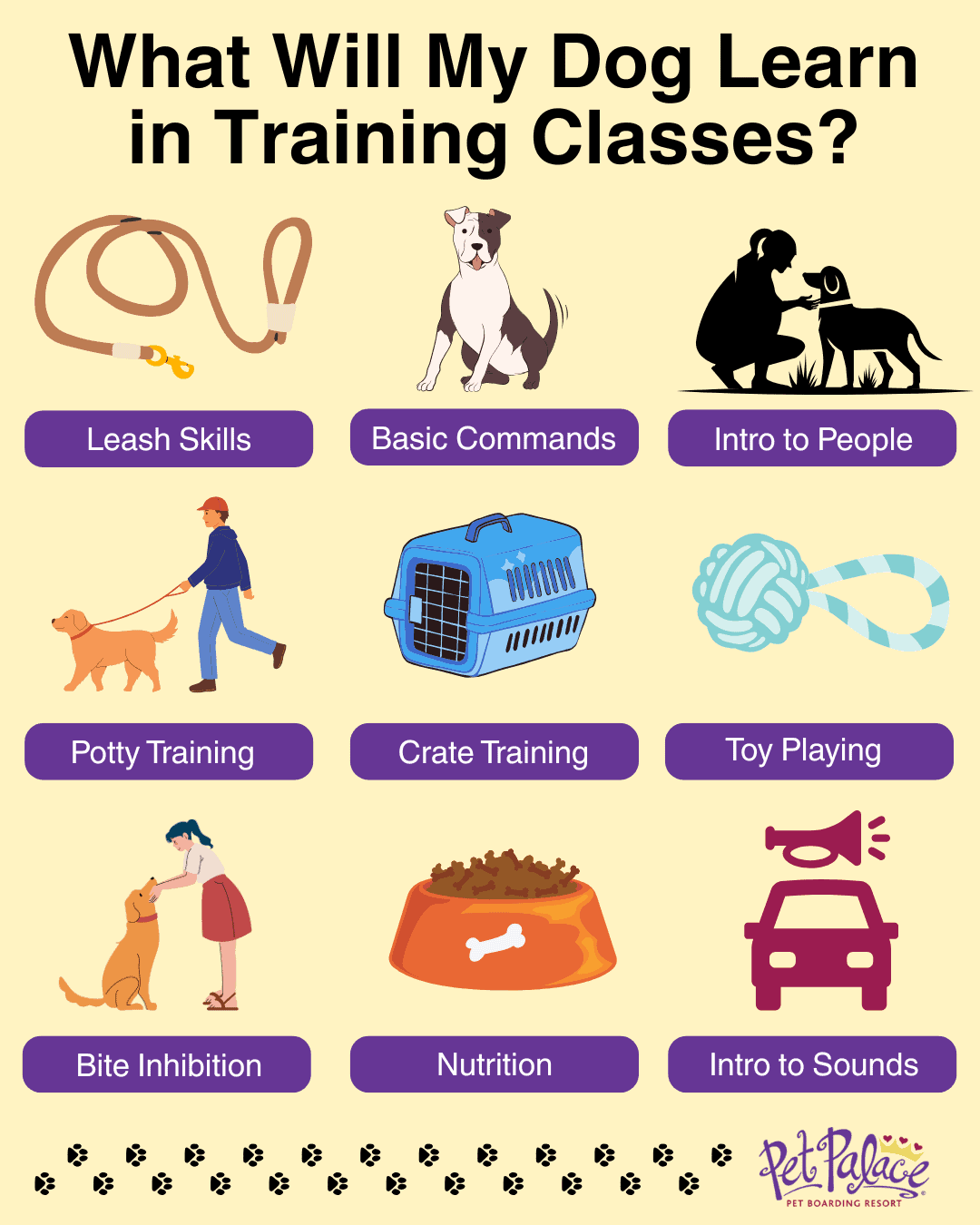
Credit: www.petpalaceresort.com
Benefits Of An Independent Dog
Training a dog to be independent brings many benefits to both pets and owners. An independent dog can handle alone time better and behaves well in various situations. This quality helps dogs feel confident and happy. Owners enjoy less stress and more freedom. Below are some key benefits of having an independent dog.
Improved Behavior
Independent dogs learn to follow rules without constant supervision. They become less demanding and more patient. These dogs often show better focus and listen well. Good behavior makes daily life easier for everyone. Independence helps dogs avoid bad habits caused by boredom.
Reduced Separation Anxiety
Dogs with independence cope better when left alone. They stay calm and relaxed without their owner nearby. Reduced anxiety means fewer destructive behaviors like chewing or barking. These dogs enjoy quiet time and rest more. Owners can leave home without worry or guilt.
Enhanced Social Skills
Independent dogs interact more positively with other animals and people. They feel secure and less clingy in social settings. This confidence helps them make friends easily. Social dogs adapt better to new environments and situations. Independence supports healthy and balanced social behavior.

Credit: www.youtube.com
Starting With Basic Commands
Starting your dog’s independence journey with basic commands sets a strong foundation. These commands build trust and clear communication between you and your dog. When your dog understands what you expect, they feel more confident acting on their own.
Sit And Stay
Teaching your dog to sit and stay is about control and patience. Begin in a quiet space where distractions are minimal. Use treats to guide them into a sitting position, then reward immediately to reinforce the behavior.
Once your dog sits on command, introduce “stay” by taking a step back and holding your hand out like a stop sign. If they hold their position, reward them again. This command teaches your dog to pause and wait, giving them a sense of calm independence rather than constant following.
Leave It And Come
“Leave it” is powerful for preventing unwanted behavior. Start by showing a treat and closing your hand when your dog tries to grab it. When they back off or look away, say “leave it” and reward with a different treat. This helps your dog learn impulse control, which is key for independent decision-making.
“Come” builds recall and trust. Call your dog with an enthusiastic voice and use a treat as motivation. Reward generously when they come to you, making it a positive experience. Reliable recall lets your dog explore safely, knowing they’ll return when called.
Crate Training
Crate training provides your dog with a safe space to relax alone. Introduce the crate gradually by placing treats and toys inside. Encourage your dog to enter voluntarily without forcing them.
Use the crate for short periods while you’re home, slowly increasing the time. This practice helps your dog enjoy solitude comfortably, reducing separation anxiety and promoting independence. Have you noticed how a calm dog in a crate can actually feel more secure?
Encouraging Alone Time
Encouraging alone time helps dogs gain confidence and independence. It teaches them to be comfortable without constant human presence. This skill is crucial for reducing anxiety and stress during separation. Let’s explore ways to help your dog enjoy their own company.
Gradual Separation
Start with short periods of absence. Leave your dog alone for a few minutes each day. Gradually increase the duration as they get used to it. Use calm and reassuring tones when leaving. Avoid making a big deal about departures or arrivals. This routine helps dogs see separation as normal.
Safe Space Creation
Create a cozy area where your dog feels secure. Use their bed or a favorite blanket. Ensure the space is quiet and away from distractions. Add comfort items like toys or chewables. This safe haven gives them a sense of security when alone.
Interactive Toys
Provide toys that engage your dog’s mind. Puzzle toys are excellent for mental stimulation. They keep your dog occupied for longer periods. Rotate toys to maintain their interest. Always choose toys that are appropriate for your dog’s size and play style.
Building Confidence
Building confidence in your dog is key to helping them become more independent. A confident dog handles new situations calmly and trusts their own abilities. You can support this growth through consistent and thoughtful training techniques that encourage your dog to feel secure and capable.
Positive Reinforcement
Reward your dog immediately when they show independent behavior. This could be staying calm when alone or trying something new without hesitation. Use treats, praise, or playtime as incentives to encourage them to repeat these actions.
For example, I noticed my dog hesitated to explore the yard alone. Each time she took a step further, I rewarded her with a small treat. This simple act boosted her confidence quickly and made her more willing to explore on her own.
Exploring New Environments
Expose your dog to different places to build their adaptability. Start with quiet, familiar spots and gradually introduce busier areas. This helps your dog learn to rely on themselves rather than always looking to you for reassurance.
Try visiting a park or a quiet street where your dog can sniff and explore safely. Watching their curiosity grow as they discover new smells and sights builds their self-assurance. How often do you let your dog explore without direct supervision?
Socialization Techniques
Social interactions teach your dog to handle various situations independently. Arrange controlled meetups with other dogs and people to build social skills. Positive social experiences reduce anxiety and strengthen your dog’s confidence in different environments.
When my dog met new friends calmly, I praised her immediately. This encouraged her to be more outgoing and less dependent on me for comfort. Could your dog benefit from more social time to boost their independence?
Managing Separation Anxiety
Managing separation anxiety is vital for helping your dog feel secure alone. Dogs with this anxiety show distress when left by themselves. Addressing it early improves their independence and well-being.
Signs To Watch For
- Excessive barking or howling after you leave
- Destructive behavior like chewing furniture or doors
- Trying to escape from crates or rooms
- Drooling, pacing, or trembling
- Loss of appetite or bathroom accidents indoors
Recognizing these signs helps catch anxiety before it worsens. Each dog shows symptoms differently, so observe closely.
Calming Strategies
- Give your dog a favorite toy or chew item
- Practice short departures and gradually extend time away
- Use calming music or white noise in the background
- Create a safe, comfortable space with bedding
- Reward calm behavior with treats and praise
Keep your departures and arrivals low-key to avoid excitement. Training patience through repetition builds your dog’s confidence.
Professional Help Options
Consult a veterinarian for medication if anxiety is severe. A certified dog trainer or behaviorist can design a tailored plan. Group classes and socialization help dogs gain confidence around others.
Early intervention increases success. Professionals offer tools and support beyond home training. Your dog can learn to enjoy alone time with proper guidance.
Maintaining Independence Long-term
Maintaining a dog’s independence over time requires ongoing effort and attention. Independence is not a one-time achievement. It needs steady care through daily habits and training. Dogs thrive when they understand what to expect. This builds confidence and reduces anxiety.
Long-term independence means your dog can stay calm and relaxed alone. It also means your dog listens well and can make good choices. Keeping this balance involves a few key practices.
Consistent Routine
A steady daily schedule helps your dog feel secure. Feed, walk, and play at similar times each day. Predictability reduces stress and encourages self-reliance. Dogs learn what to expect and when. This lowers their need to seek constant attention.
Try to keep routines even on weekends or holidays. Changes can confuse your dog and increase clinginess. A calm, steady routine supports lasting independence.
Regular Training Sessions
Keep training short but frequent. Practice basic commands daily to reinforce good behavior. Use positive rewards to motivate your dog. Training builds your dog’s confidence and decision-making skills.
Include exercises that encourage your dog to think and act alone. For example, hide treats for your dog to find. These sessions strengthen your dog’s ability to be independent.
Adjusting Techniques As Needed
Watch your dog’s behavior for signs of stress or dependence. Adapt your approach if your dog becomes anxious or overly clingy. Sometimes, your dog’s needs change with age or environment.
Be flexible. Try new training methods or routines if old ones stop working. Staying responsive helps maintain your dog’s independence over time.

Credit: www.offleashk9training.com
Frequently Asked Questions
How Can I Teach My Dog To Be Independent?
Start by giving your dog alone time gradually. Use toys and treats to keep them engaged. Avoid constant attention. Encourage self-play to build confidence and reduce separation anxiety.
What Are The Benefits Of An Independent Dog?
An independent dog is less anxious and more confident. They handle alone time well, reducing destructive behavior. Independence improves their problem-solving skills and overall well-being.
How Long Does It Take To Train Independence?
Training duration varies by dog’s age and personality. Typically, consistent daily practice over 2 to 4 weeks shows results. Patience and positive reinforcement speed up the process.
Can Independence Training Reduce Separation Anxiety?
Yes, independence training can significantly reduce separation anxiety. It teaches dogs to enjoy alone time and trust their environment. Gradual alone time increases their comfort and calmness.
Conclusion
Training a dog to be independent takes time and patience. Start with small steps and stay consistent. Reward your dog for calm and confident behavior. Give your pet space to explore safely. Independence helps dogs feel less stressed and more relaxed.
Keep practicing daily, and progress will come. Enjoy watching your dog grow more confident each day. Independence benefits both you and your furry friend. Keep it simple, stay patient, and celebrate small wins. Your dog will thank you with trust and happiness.