
Are you wondering if it’s okay to feed your adult dog puppy food? You might think it’s harmless or even beneficial.
After all, puppy food is packed with nutrients, right? But is it really the best choice for your furry friend’s health? Making the wrong choice could lead to unexpected problems down the road. Keep reading to find out what experts say about this common question and how you can make the best decision for your dog’s wellbeing.
Nutritional Needs Of Adult Dogs
Understanding the nutritional needs of adult dogs is key to deciding whether feeding them puppy food is safe or beneficial. Adult dogs have different dietary requirements compared to puppies, shaped by their energy levels, metabolism, and health goals. Recognizing these needs helps you provide the right balance of nutrients to keep your dog healthy and active.
Calorie Requirements
Adult dogs generally need fewer calories than puppies because they are less active and their growth phase has ended. Feeding an adult dog puppy food, which is calorie-dense, can lead to unwanted weight gain. Have you noticed your adult dog gaining weight unexpectedly? That might be a sign that their calorie intake is too high.
Adjusting calories based on your dog’s activity level is crucial. A working or highly active dog may need more calories, but the average adult dog’s energy needs are lower than those of a growing puppy.
Protein And Fat Levels
Puppy food typically contains higher protein and fat to support rapid growth and development. Adult dogs don’t require this elevated level, and excessive protein and fat can strain their organs over time. Have you ever seen your adult dog experience digestive upset after switching to puppy food? This often happens due to the richer formula.
Adult dog food has balanced protein and fat levels to maintain muscle and healthy body weight without overloading the system. It’s important to match your dog’s diet to their life stage to avoid nutritional imbalances.
Essential Vitamins And Minerals
Both adult and puppy foods include vitamins and minerals, but the amounts vary. Puppy formulas are designed to support bone growth and brain development, often with higher calcium and phosphorus levels. Too much calcium in an adult dog’s diet can lead to joint issues and kidney stress.
Adult dog food adjusts vitamin and mineral content to maintain overall health and prevent deficiencies without risking excess. Are you checking the labels closely to ensure your dog’s food fits their specific needs?
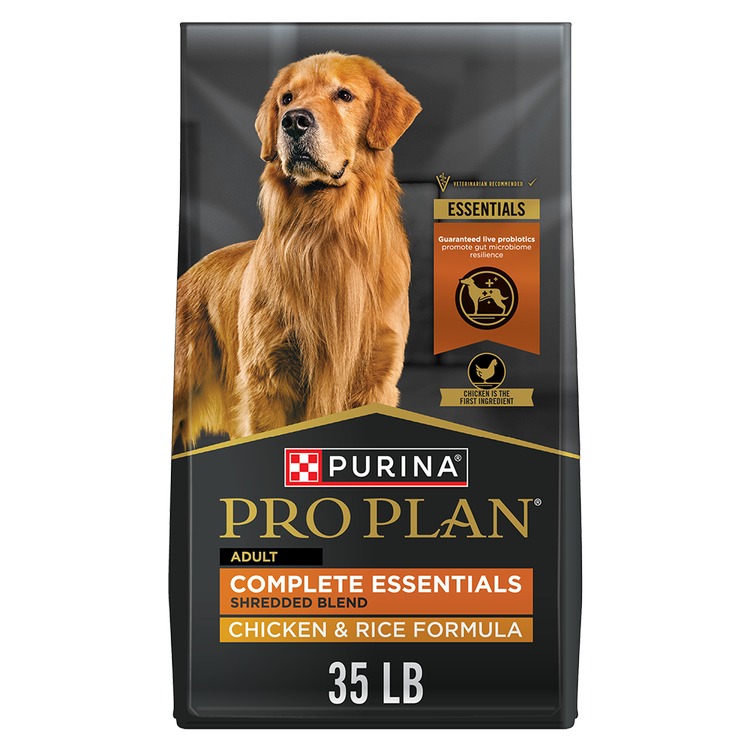
Credit: www.purina.com
Puppy Food Composition
Puppy food is specially designed to meet the unique nutritional needs of growing dogs. Its composition differs significantly from adult dog food, focusing on providing energy and nutrients essential for development. Understanding these differences can help you decide if feeding puppy food to an adult dog is safe or beneficial.
Higher Calorie Density
Puppy food packs more calories per serving than adult dog food. Growing puppies need extra energy to support their rapid growth and playful nature. Giving adult dogs this calorie-dense food regularly might lead to unwanted weight gain.
Have you noticed your adult dog gaining weight after switching to puppy food? That’s likely due to the increased calories designed for active, developing pups.
Increased Protein And Fat
Proteins and fats in puppy food are higher to support muscle growth and brain development. These nutrients fuel puppies’ bodies and help build strong bones and tissues. Adult dogs, especially those less active, don’t require such high levels and may face digestive issues if given too much.
Consider your dog’s activity level and health before feeding them protein and fat amounts meant for puppies. Sometimes, less is more for adult dogs.
Growth-supporting Nutrients
Puppy food contains added vitamins and minerals like calcium, phosphorus, and DHA to support bone growth and cognitive development. These nutrients are critical during the puppy stage but can be excessive for adult dogs. Over time, an imbalance might affect your dog’s health negatively.
Are you aware that too much calcium in adult dogs can lead to joint problems? Feeding puppy food without considering these nutrient levels could unintentionally harm your dog.
Potential Risks For Adult Dogs
Feeding puppy food to adult dogs can present several risks. Puppy food is rich in calories and nutrients, ideal for growing pups. But for adult dogs, this can lead to health problems. Let’s explore the potential risks.
Weight Gain And Obesity
Puppy food has high calorie content. Adult dogs eating it can gain weight quickly. Excess weight leads to obesity. Obesity can cause joint problems and heart disease. Keeping a healthy weight is crucial for adult dogs.
Digestive Issues
Adult dogs may struggle with puppy food’s rich formula. They may experience upset stomachs. Diarrhea and vomiting are possible. An adult dog’s digestive system is less adaptable. It’s important to choose the right food for their system.
Nutrient Imbalance
Puppy food contains nutrients in different proportions. Adult dogs need different nutrient levels. Excess calcium and phosphorus can harm bones. Too much protein can strain kidneys. Balancing nutrients is key for adult dog health.

Credit: www.petscare.com
When Puppy Food Might Be Suitable
Puppy food is rich in nutrients to support growth and development. Some adult dogs may benefit from this extra nutrition under certain conditions. Understanding when puppy food might be suitable helps you make better feeding choices.
Underweight Adult Dogs
Adult dogs that struggle to gain weight need more calories and protein. Puppy food can provide these nutrients in higher amounts. It helps build muscle and improve overall health. Feeding puppy food temporarily may help these dogs reach a healthy weight.
Dogs With High Energy Needs
Active adult dogs, like working or sporting breeds, burn more calories daily. They require diets with more energy and nutrients to stay strong. Puppy food offers extra fats and proteins that meet these needs. It supports stamina and keeps muscles fueled during intense activity.
Veterinary Recommendations
A vet’s advice is key when considering puppy food for adults. Some medical conditions cause poor nutrient absorption or weight loss. Vets may suggest puppy food to provide extra nutrition safely. Always follow veterinary guidance for the best health results.
Alternatives To Puppy Food For Adults
If you’re wondering about alternatives to puppy food for your adult dog, you’re not alone. Many dog owners ask if they should stick with puppy food or switch to something more suitable as their pet grows. The truth is, adult dogs need different nutrients to stay healthy and active, so exploring other options can make a big difference.
Adult Dog Formulas
Adult dog formulas are designed specifically for dogs that have passed the puppy stage. These foods provide balanced nutrition tailored to maintain your dog’s energy levels without the extra calories that puppies need for growth. Switching to an adult formula can prevent unwanted weight gain and support healthy muscle maintenance.
Look for formulas rich in protein and moderate in fat, with essential vitamins and minerals. Have you noticed your dog’s energy dipping after switching from puppy food? That’s a sign it might be time to try a formula made for adults.
Senior Dog Nutrition
As dogs age, their dietary needs change again. Senior dog nutrition focuses on joint health, digestion, and maintaining a healthy weight. Foods designed for older dogs often include ingredients like glucosamine, antioxidants, and fiber to support these needs.
If your dog is slowing down or showing signs of stiffness, a senior diet might help improve their quality of life. Have you checked your dog’s food label lately? It might not be meeting these new requirements.
Specialty Diets
Some adult dogs require specialty diets due to allergies, sensitivities, or medical conditions. Options include grain-free, limited ingredient, and prescription diets tailored to specific health issues. These diets can prevent discomfort and improve your dog’s overall well-being.
Before switching, consult your vet to find the best fit for your dog’s unique needs. Ever thought about how certain ingredients affect your dog’s digestion or skin? Specialty diets address those issues directly and effectively.
Tips For Transitioning Dog Food
Switching your adult dog to puppy food requires care and patience. Sudden changes can upset their stomach or cause them to reject the new diet. A smooth transition helps your dog adjust comfortably and keeps them healthy.
Gradual Introduction
Start by mixing a small amount of puppy food with your dog’s current adult food. Over a week, slowly increase the puppy food portion while decreasing the adult food. This gentle change helps their digestive system adapt without causing discomfort.
Try mixing 25% puppy food with 75% adult food for the first two days. Then move to a 50/50 mix for the next two days. By the end of a week, your dog should be eating only the puppy food.
Monitoring Health
Watch your dog closely during the switch. Look for signs like vomiting, diarrhea, or loss of appetite. These symptoms may mean the transition is too fast or the new food doesn’t agree with them.
If your dog seems sluggish or their coat loses shine, it might be time to slow down the process or reconsider the food choice. Keep a daily log of their eating habits and bathroom routine to spot problems early.
Consulting A Vet
Before you start feeding puppy food to an adult dog, talk to your vet. They can advise if it’s the right choice based on your dog’s age, size, and health conditions. Your vet might suggest specific brands or formulas that suit your dog best.
Regular check-ups during the transition can catch any nutritional gaps or allergies early. Don’t hesitate to ask your vet questions about portion sizes and how long to keep your dog on puppy food.
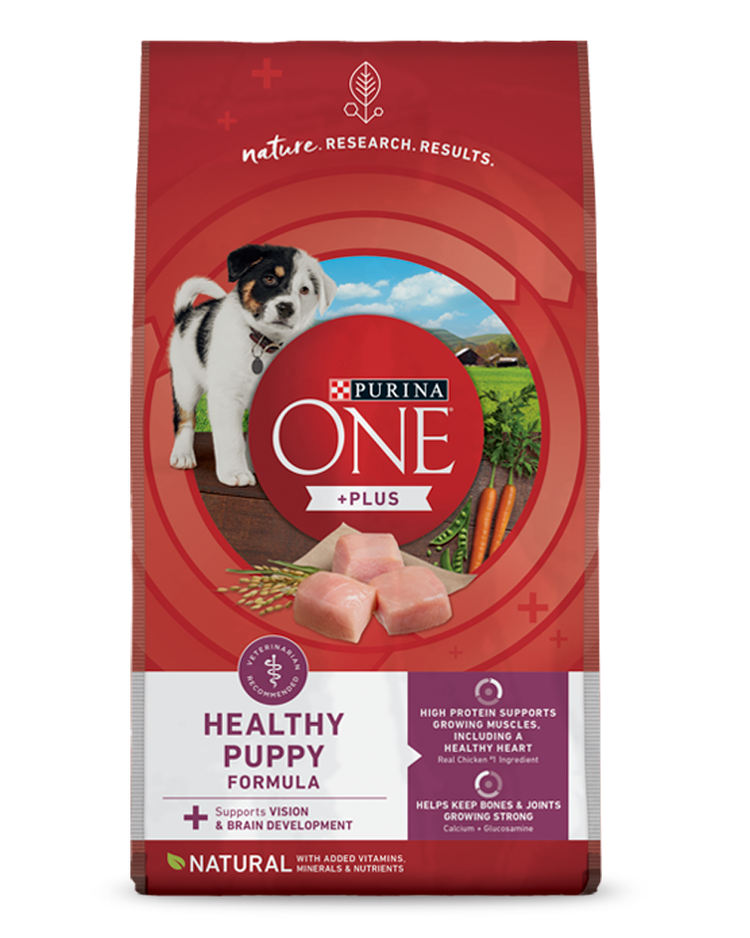
Credit: www.purina.com
Frequently Asked Questions
Is It Harmful To Feed Adult Dogs Puppy Food?
Feeding adult dogs puppy food occasionally is not harmful but not ideal. Puppy food has more calories and nutrients meant for growth, which can cause weight gain or digestive issues in adults if fed regularly.
Can Adult Dogs Digest Puppy Food Properly?
Adult dogs can digest puppy food, but its higher fat and protein levels may strain their metabolism. Long-term feeding can lead to obesity and health problems, so it’s best to use age-appropriate diets for balanced nutrition.
What Are The Risks Of Feeding Adult Dogs Puppy Food?
Risks include excessive calorie intake, weight gain, and nutrient imbalances. Puppy food is designed for growth, so adult dogs may develop joint or kidney issues if fed this food long-term.
When Is It Okay To Feed Puppy Food To Adult Dogs?
It’s okay during short-term recovery from illness or increased activity. Puppy food’s extra nutrients help healing or energy needs but switch back to adult food once normal health returns.
Conclusion
Feeding adult dogs puppy food is not ideal for their health. Puppy food has extra calories and nutrients meant for growth. Adult dogs may gain weight or face digestive issues. Always choose food made for your dog’s current life stage.
Check with your vet before changing diets. Proper nutrition keeps dogs happy and healthy. Careful feeding helps your dog live a long life. Choose wisely for your furry friend’s well-being.