
Potty training your dog indoors can feel like a tough challenge, but it doesn’t have to be. If you want a clean home and a happy pet, learning the right steps is key.
Imagine never having to worry about accidents again and enjoying a strong bond with your furry friend. In this guide, you’ll discover simple, effective techniques that anyone can use. Keep reading, and you’ll find out how to make potty training easier for both you and your dog.
Choose The Right Spot
Choosing the right spot for indoor potty training helps your dog learn faster. Dogs like routine and consistency. A specific area inside your home gives them a clear place to go. It reduces accidents and makes training smoother for both of you.
Pick A Consistent Area
Select a quiet and easy-to-clean place in your home. This spot should be away from your dog’s sleeping and eating areas. Using the same spot every time helps your dog associate it with potty time. Consistency builds good habits quickly and avoids confusion.
Use Puppy Pads Or Indoor Grass
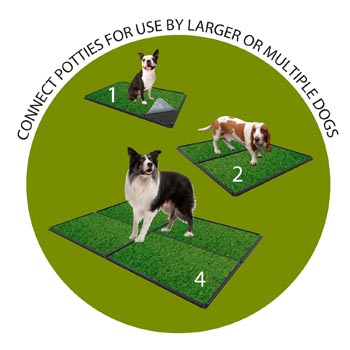
Puppy pads or indoor grass patches create a familiar surface for your dog. Puppy pads absorb moisture and control odor well. Indoor grass gives a natural feel, which some dogs prefer. Place these in the chosen area to encourage your dog to use that spot.

Credit: k9connoisseur.com
Create A Routine
Creating a routine is essential for indoor potty training success. Dogs thrive on consistency and clear expectations. A steady schedule helps your dog understand when it is time to eat and when to relieve itself. This clarity reduces accidents and speeds up learning.
Setting regular habits also builds trust between you and your dog. Your pet will feel secure knowing what to expect each day. Patience and repetition are key to forming good habits.
Set Regular Feeding Times
Feed your dog at the same times every day. This consistency helps regulate digestion and bathroom needs. Avoid free feeding or leaving food out all day. Two or three meals a day works best for most dogs.
Regular feeding times make bathroom breaks more predictable. Your dog will learn that after eating comes potty time. This pattern helps you schedule bathroom trips more easily.
Schedule Frequent Bathroom Breaks
Take your dog to the potty area often, especially after meals and naps. Puppies need more frequent breaks than adult dogs. Plan bathroom breaks every 1-2 hours at first.
Watch your dog for signs it needs to go. Sniffing, circling, or whining mean it is time. Frequent trips reduce accidents and build good habits quickly.
Use Positive Reinforcement
Praise your dog immediately after they use the potty spot to encourage good behavior. Rewards like treats or kind words help your dog learn faster. Positive reinforcement builds trust and makes training easier.
Potty training a dog indoors can be a challenging task, but using positive reinforcement can make a world of difference. This approach encourages desired behaviors by rewarding your furry friend, ensuring the training process is both effective and enjoyable. Positive reinforcement not only builds a stronger bond between you and your dog but also instills confidence in your pet, making them more eager to learn.Reward Successful Attempts
Celebrate your dog’s victories with immediate rewards. Every time your pup does their business in the designated spot, offer a treat or verbal praise. This immediate positive feedback helps them associate the action with a reward, reinforcing the behavior. Consider using a mix of treats and affection. While treats are a great motivator, your attention and praise can be equally powerful. This combination keeps your dog motivated and engaged in the learning process. Keep a stash of treats nearby for quick access. This ensures you can reward your dog promptly, helping them make the connection between their action and your approval.Avoid Punishments
Punishments can be counterproductive and may confuse your dog. Instead of understanding what went wrong, your dog might develop fear or anxiety. This could lead to more accidents and a more challenging training process. Focus on redirecting rather than punishing. If your dog has an accident, calmly guide them to the appropriate spot. This teaches them where they should go without instilling fear or confusion. Remember, patience is key. Every dog learns at their own pace, and setbacks are part of the journey. Your calm and consistent approach will make a lasting positive impact on your dog’s training experience.Monitor Your Dog Closely
Monitoring your dog closely is key to potty training success indoors. Dogs often give signs before they need to go. Watching them carefully helps you catch these moments. This reduces accidents and speeds up training. Stay alert and responsive during this phase. It builds good habits and strengthens your bond.
Watch For Bathroom Signals
Dogs show clear signs when they need to potty. They might sniff the floor or circle. Some whine or paw at the door. Others suddenly stop playing or become restless. Learn your dog’s unique signals. Respond quickly by taking them to the potty spot. This teaches them to ask for bathroom breaks.
Limit Freedom Until Trained
Restrict your dog’s movement inside the house. Use baby gates or a crate to limit areas. This prevents accidents in hidden spots. It also helps your dog focus on the training. Give more freedom slowly as they improve. This controlled space makes learning faster and safer.
Handle Accidents Calmly
Accidents will happen during indoor potty training. How you react can shape your dog’s learning experience. Staying calm helps your dog feel safe and keeps training on track without added stress.
Clean Thoroughly To Remove Odors
Cleaning up accidents quickly is crucial, but cleaning thoroughly is even more important. Use enzymatic cleaners designed for pet messes to break down urine and feces odors completely.
If you just wipe the spot, your dog might return to the same place because they can still smell it. Have you noticed your dog repeatedly choosing the same accident spot? That’s often because the smell lingers.
Make sure to avoid ammonia-based cleaners since they can smell like urine and confuse your dog. A clean area encourages your dog to wait for the right spot instead of going indoors again.
Stay Patient And Consistent
Patience is your best tool during potty training. Dogs don’t learn on a fixed schedule, and some days will be harder than others.
When accidents happen, avoid punishment or anger. Your calm reaction teaches your dog that accidents are not a big deal but that you expect better next time.
Consistency in your routine is key. Take your dog to the same potty spot regularly, praise success, and calmly clean accidents. How you handle setbacks can either slow down or speed up your dog’s progress.

Credit: www.amazon.ca
Gradually Transition Outdoors
Transitioning your dog from indoor potty training to going outside can feel tricky, but taking it step-by-step makes a huge difference. The goal is to help your dog understand that the outdoors is the new spot for bathroom breaks while keeping the process smooth and stress-free. Patience and consistency are your best tools during this phase.
Move Potty Area Closer To Door
Start by shifting your dog’s indoor potty spot closer to the door you’ll use to go outside. This small change helps your dog connect the idea that the bathroom area is moving toward the outdoors.
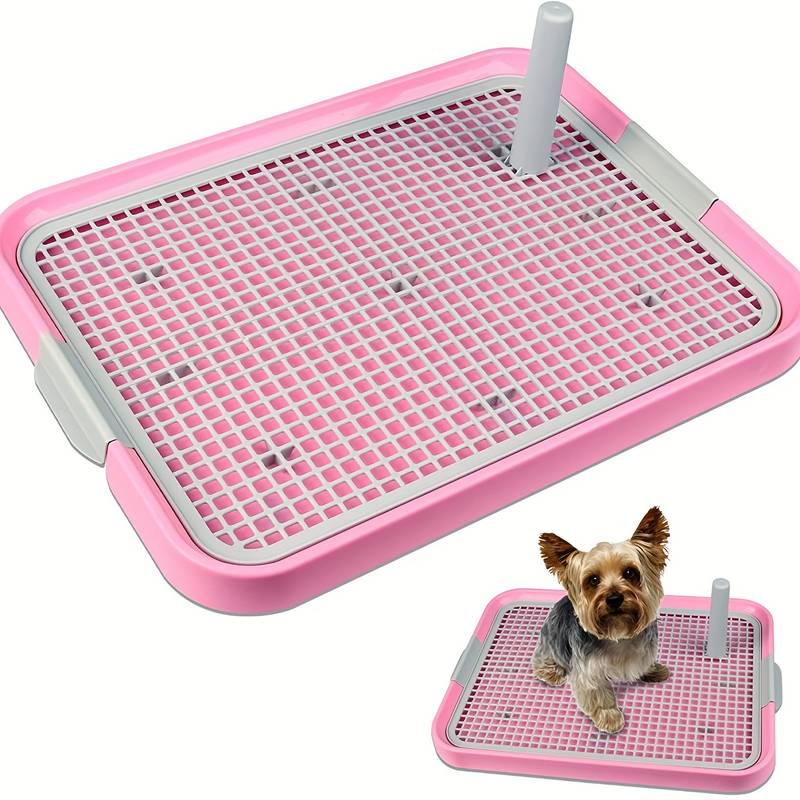
For example, if your dog uses puppy pads, move them a few feet each day until they’re right next to the door. This gives your dog a clear signal that the bathroom place is changing without overwhelming them.
Have you noticed how dogs respond to small changes better than big ones? Moving the potty spot gradually taps into that natural learning style.
Encourage Outdoor Bathroom Habits
Once the potty area is at the door, start taking your dog outside at regular intervals. Use the same commands or phrases you used indoors to keep things familiar.
- Bring treats and praise to reward your dog immediately when they go outside.
- Choose a specific outdoor spot and stick to it so your dog knows where to go.
- Keep bathroom breaks short but frequent, especially after eating, drinking, or waking up.
Remember, dogs learn best when they get positive feedback right after the behavior. Your quick praise helps your dog link the outdoor spot with the reward.
Are you ready to turn outdoor potty breaks into a fun routine you both enjoy? Making it positive and clear is the key to success.
Credit: riteacademy.com
Frequently Asked Questions
How Long Does Indoor Potty Training Usually Take?
Indoor potty training typically takes 4 to 6 weeks with consistent routines. Patience and positive reinforcement speed up learning. Every dog learns at its own pace, so remain patient and consistent.
What Supplies Are Needed For Indoor Potty Training?
You need potty pads, cleaning spray, treats, and a designated potty spot. These items help establish a routine and reward good behavior. Proper supplies ensure a cleaner and more efficient training process.
How Often Should I Take My Dog To Potty Indoors?
Take your dog to the potty area every 2 to 3 hours. Frequent trips reduce accidents and help your dog learn faster. Always reward successful indoor potty use immediately.
Can Puppies Learn To Potty Train Indoors?
Yes, puppies can learn indoor potty training with patience and consistency. Use small, frequent potty breaks and positive reinforcement. Early training helps puppies develop good bathroom habits quickly.
Conclusion
Potty training a dog indoors takes time and patience. Consistency helps your dog learn faster. Praise your dog for good behavior often. Use the same spot for training every time. Stay calm and positive during accidents. Small steps lead to big progress.
Soon, your dog will understand the routine. Enjoy the bond you build through training. Keep practicing, and success will come. Potty training indoors can be simple and rewarding.