
You want to give your adult dog the right amount of food every day, but how much is enough? Feeding your dog too little can leave them hungry and weak, while too much can lead to weight gain and health problems.
Finding the perfect balance is key to keeping your furry friend happy and healthy. You’ll discover exactly how much food your adult dog needs each day, based on their size, activity level, and breed. Keep reading to make sure your dog’s meals are just right—because your best friend deserves the best care.

Credit: truthaboutpetfood.com
Factors Affecting Daily Food Needs
Determining how much food your adult dog needs daily isn’t a one-size-fits-all answer. Several factors influence their dietary requirements, and understanding these can help you provide the right amount of nutrition. Paying attention to these details can improve your dog’s health and happiness.
Breed Size And Energy Levels
Smaller breeds often require more calories per pound than larger breeds because they have faster metabolisms. A Chihuahua’s daily food intake differs greatly from a Great Dane’s, despite both being adults.
High-energy breeds like Border Collies or Jack Russells burn calories quickly and need more food to fuel their activities. On the other hand, low-energy breeds may need less food to avoid gaining extra weight.
Age And Life Stage
Adult dogs still vary in their nutritional needs depending on age. A young adult dog may need more calories to maintain muscle mass and activity, while older dogs often slow down and require fewer calories.
Consider that your dog’s metabolism changes as they age, so adjusting their food intake gradually can help prevent weight problems.
Activity And Exercise
How active your dog is daily directly affects their food needs. Dogs that get long walks, runs, or playtime require more energy and food compared to those who are mostly sedentary.
Think about your own dog’s lifestyle: a weekend warrior dog might need extra food after a big hike, but a couch potato needs less.
Health Conditions
Health issues can change how much food your dog should eat. Dogs with thyroid problems, diabetes, or digestive issues often need special diets or adjusted portions.
Always check with your vet if your dog has a health condition that might affect their appetite or metabolism. Feeding the wrong amount could make these conditions worse.

Credit: forthglade.com
Calculating Daily Food Amount
Figuring out the right amount of food for your adult dog each day can feel tricky. It depends on several factors like weight, activity level, and even the type of food you choose. Getting this right ensures your dog stays healthy without gaining unwanted pounds or feeling hungry.
Using Weight-based Guidelines
Start by looking at your dog’s current weight. Most dog food brands provide feeding recommendations based on weight ranges. For example, a 30-pound dog might need about 1 to 1.5 cups of dry food daily.
Keep in mind, these are just starting points. If your dog is very active, they may need more calories. On the other hand, less active or older dogs might require less food to avoid weight gain.
Reading Pet Food Labels
Pet food labels are packed with useful info, but they can be confusing. Look for the feeding chart on the packaging, which usually suggests daily amounts based on weight.
Check the calorie content too—some foods are more calorie-dense, so your dog needs less volume. If you switch brands, always compare these details to adjust portions properly.
Adjusting For Treats And Snacks
Treats add extra calories that can sneak up on you. If your dog gets a lot of treats, you should reduce their main meal portions to keep total calorie intake balanced.
Think about the treats’ size and frequency. A couple of small treats a day might not affect the total, but frequent or large treats can quickly add up.
How often do you stop to consider your dog’s total daily calorie intake, including snacks? Tracking this can make a big difference in maintaining their ideal weight and health.
Types Of Dog Food And Feeding Frequency
Understanding the right types of food and feeding frequency is crucial for your adult dog’s health. Different types of food offer various nutritional benefits. Feeding frequency affects their energy and digestion. This guide will help you decide the best options for your pet.
Dry Kibble Vs. Wet Food
Dry kibble and wet food are popular choices. Dry kibble is convenient and helps clean teeth. It’s often more affordable than wet food. Wet food is usually more flavorful and hydrating. It can be easier for dogs with dental issues to eat.
Raw And Homemade Diets
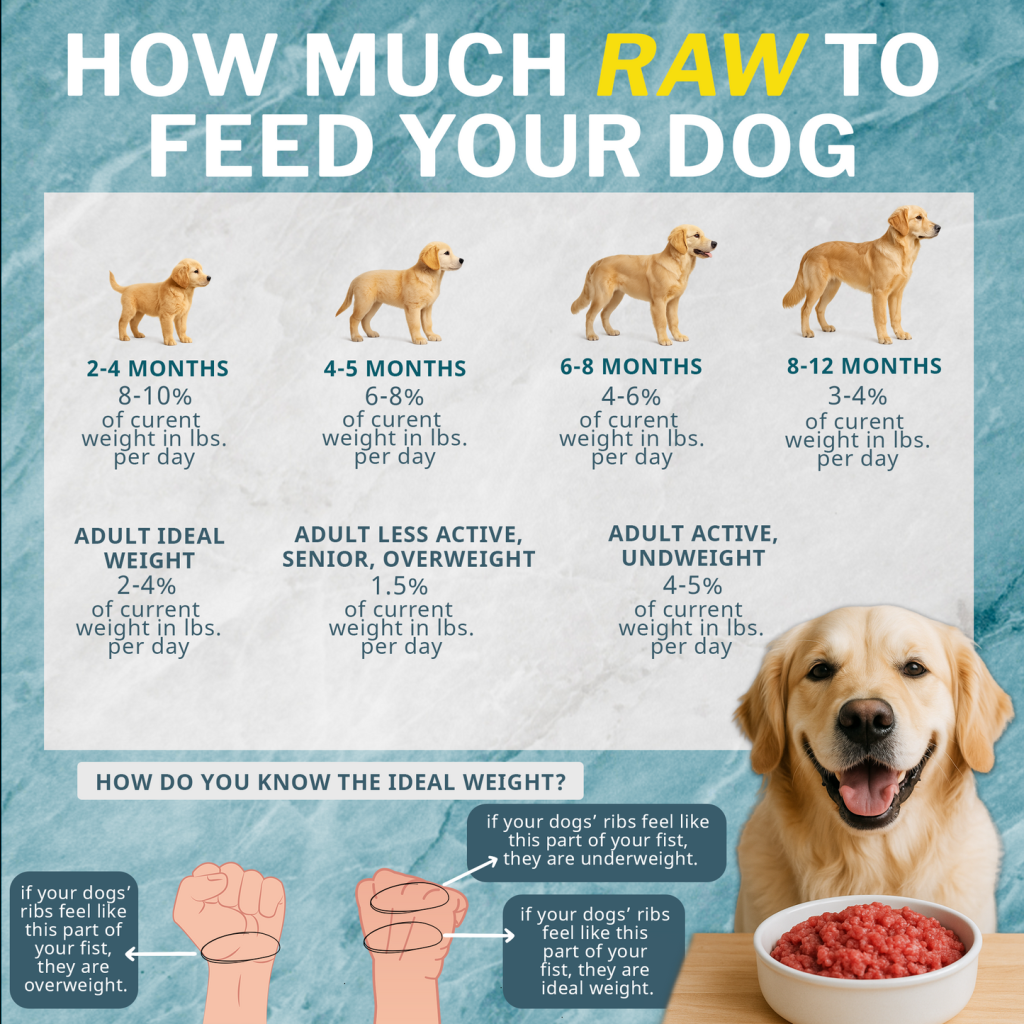
Raw diets include uncooked meats and bones. They aim to mimic a dog’s natural diet. Homemade diets let you control the ingredients. You can tailor meals to your dog’s needs. Both options require careful planning. Ensure they meet all nutritional requirements.
Meal Timing And Portioning
Meal timing is important for a dog’s routine. Most adult dogs eat twice a day. Some dogs may benefit from more frequent, smaller meals. Portion size depends on the dog’s size and activity level. Follow guidelines on food packaging or consult a vet for advice.
Signs Of Proper Nutrition
Proper nutrition keeps your adult dog healthy and happy. It affects their body, skin, and behavior. Watching for signs helps ensure your dog gets the right amount of food and nutrients every day.
Healthy Weight Maintenance
A well-fed dog maintains a steady weight. You should see ribs but not bones. The waist should be visible from above. Sudden weight gain or loss signals a problem. Balanced meals support healthy weight control.
Coat And Skin Condition
Shiny fur shows good nutrition. The coat feels soft and smooth to touch. Dry, flaky skin means nutrient gaps. Hair loss or dull fur also raises concerns. Proper food provides vitamins for skin health.
Energy And Behavior
A nourished dog has steady energy throughout the day. They play, walk, and rest well. Lethargy or hyperactivity may indicate poor diet. Calm behavior and alert eyes reflect good feeding habits.
Common Feeding Mistakes To Avoid
Feeding your adult dog sounds simple, but many dog owners stumble over common mistakes that can affect their pet’s health. Avoiding these errors can make a huge difference in your dog’s wellbeing and energy levels. Let’s look at some feeding habits that might be doing more harm than good.
Overfeeding And Obesity
Giving your dog too much food is a widespread issue. Extra treats and large portions can quickly add up, leading to weight gain and health problems. I once saw a friend’s dog struggle with mobility because of excess weight, which was heartbreaking and avoidable.
Watch your dog’s body condition, not just the food bowl size. Use feeding guidelines as a starting point, then adjust based on your dog’s activity and metabolism. Remember, a lean dog is often a healthier dog.
Inconsistent Feeding Times
Skipping regular feeding times or varying them widely can upset your dog’s digestion and behavior. Dogs thrive on routine, and unpredictable meal schedules may cause anxiety or overeating when food finally arrives.
Try to feed your dog at the same times every day. This helps regulate their hunger and supports better digestion. Have you noticed your dog becoming restless or overly eager around mealtime? That might signal irregular feeding habits.
Ignoring Individual Needs
Every dog is unique, yet many owners feed all dogs the same way. Factors like age, breed, health, and activity level should shape how much and what type of food you offer.
Tailor your dog’s diet to their specific needs rather than relying solely on generic advice. Consulting your vet can help you understand these nuances. What special needs does your dog have that might affect their feeding?

Credit: www.amazon.ca
Tips For Transitioning Food
Changing your dog’s food needs care and attention. A smooth transition helps avoid tummy troubles. It keeps your dog happy and healthy during the switch. Follow simple tips to make this process easier for both of you.
Gradual Change Process
Start by mixing a small amount of new food with the old one. Increase the new food portion slowly over 7 to 10 days. This gives your dog’s stomach time to adjust. Sudden changes can cause vomiting or diarrhea. Keep the meal times and amounts consistent each day. Watch how your dog responds to the new taste and texture.
Monitoring For Reactions
Check your dog for signs of allergies or discomfort. Look for itching, redness, or swelling around the face and paws. Observe for vomiting, diarrhea, or loss of appetite. Keep a daily record of your dog’s behavior and stool quality. Contact your vet if you see severe or lasting symptoms. Early detection helps prevent bigger health issues.
Frequently Asked Questions
How Much Food Should An Adult Dog Eat Daily?
Adult dogs need 1. 5% to 3% of their body weight in food daily. The exact amount depends on their size, breed, and activity level. Always follow your vet’s advice and adjust portions based on your dog’s health and energy needs.
What Factors Influence An Adult Dog’s Food Quantity?
A dog’s age, weight, activity, and metabolism affect food needs. Larger and more active dogs require more calories. Health conditions also play a role. Tailor food amounts to your dog’s specific lifestyle and consult your vet for guidance.
Can Feeding Too Much Harm Adult Dogs?
Yes, overfeeding can cause obesity and health issues. Excess weight strains joints and organs, reducing lifespan. Monitor your dog’s weight and adjust portions to keep them fit and healthy. Regular vet checkups help prevent overfeeding problems.
How To Measure Adult Dog Food Accurately?
Use a kitchen scale or measuring cup to portion food precisely. Follow feeding guidelines on the dog food package. Consistent measurement prevents over or underfeeding, ensuring your dog gets the right nutrition daily.
Conclusion
Feeding your adult dog the right amount helps keep them healthy. Dogs need food based on their size, activity, and age. Too much food can cause weight gain. Too little can lead to health problems. Watch your dog’s weight and energy to adjust food amounts.
Always provide fresh water alongside meals. Regular vet visits also help track their health. Feeding well supports a happy, active dog every day. Simple care makes a big difference in their life.