Are you wondering if it’s okay to feed your puppy adult dog food? You want the best for your furry friend, and choosing the right food is a big part of that.
But is adult dog food safe for your growing puppy? The answer might surprise you—and it could impact your pup’s health and happiness. Keep reading to discover what your puppy really needs and why the right nutrition now sets the foundation for a strong, healthy dog for life.
Don’t risk your puppy’s future by guessing—learn the facts here.
Nutritional Needs Of Puppies
Puppies need special nutrition to grow strong and healthy. Their bodies develop fast, so their food must support this growth. Feeding the right diet helps build bones, muscles, and a healthy immune system. Adult dog food often lacks the nutrients puppies need. Understanding what puppies require helps in choosing the best food.
Growth And Development Requirements
Puppies grow rapidly in their first year. Their energy needs are higher than adult dogs. They need more calories per pound of body weight. Proper nutrition supports healthy brain and organ development. Feeding puppies food made for adults can slow growth. Puppy food meets their unique energy and nutrient demands.
Key Nutrients For Puppies
Important nutrients for puppies include:
- Protein:Builds muscles and tissues.
- Fat:Provides energy and supports brain development.
- Calcium and Phosphorus:Strengthen bones and teeth.
- DHA (Docosahexaenoic Acid):Supports vision and brain function.
- Vitamins and Minerals:Boost the immune system and overall health.
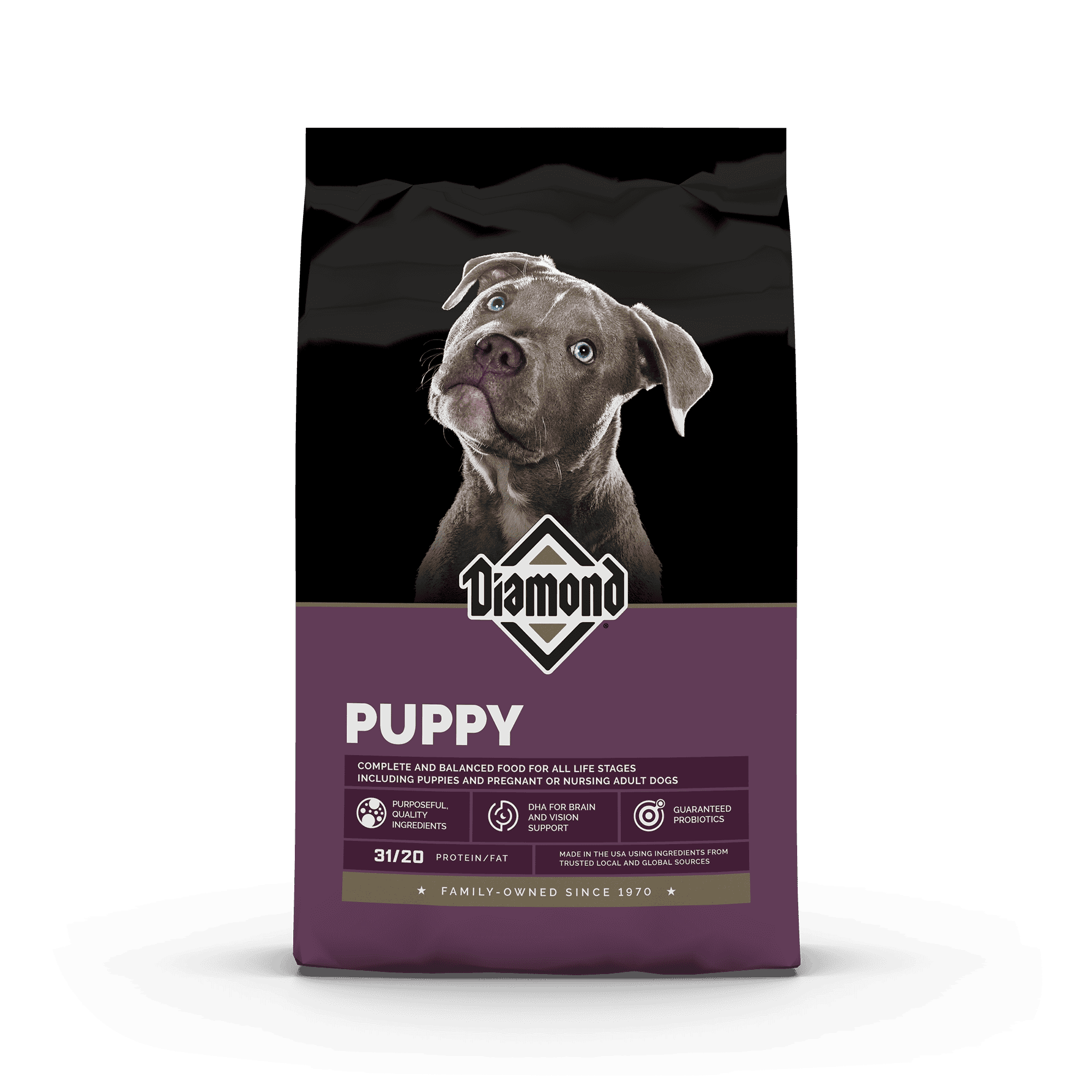
Adult dog food often has less fat and protein than puppy food. This can lead to poor growth and weak bones. Choosing food designed for puppies ensures they get all key nutrients.
Credit: www.diamondpet.com
Differences Between Puppy And Adult Dog Food
Puppies and adult dogs have different nutritional needs. Their food reflects this difference clearly. Puppy food supports growth, energy, and development. Adult dog food maintains health and energy levels in mature dogs. Feeding the right food helps your dog stay healthy at every stage.
Calorie Content And Protein Levels
Puppy food has more calories than adult dog food. Puppies burn more energy growing and playing. They need extra calories for healthy development. Protein levels are higher in puppy food too. Protein helps build strong muscles and tissues. Adult dog food has fewer calories and less protein. It matches the slower energy needs of grown dogs.
Vitamins And Minerals Variations
Puppy food contains extra vitamins and minerals. These nutrients support bone growth and brain development. Calcium and phosphorus are balanced carefully in puppy formulas. Adult dog food has nutrients for maintenance and joint health. It has less of certain vitamins puppies need more of. Each food type meets the dog’s needs at its life stage.
Risks Of Feeding Adult Food To Puppies
Feeding puppies the right food is crucial for their development. Adult dog food may seem convenient, but it poses several risks. Puppies have different nutritional needs that adult dog food may not meet. Understanding these risks can help ensure your puppy grows healthy and strong.
Potential Nutritional Deficiencies
Adult dog food may lack essential nutrients for puppies. Puppies need higher protein content for muscle development. They also require more calcium for bone growth. Adult food often doesn’t contain enough of these nutrients. This can lead to deficiencies that affect growth and overall health.
Impact On Growth And Health
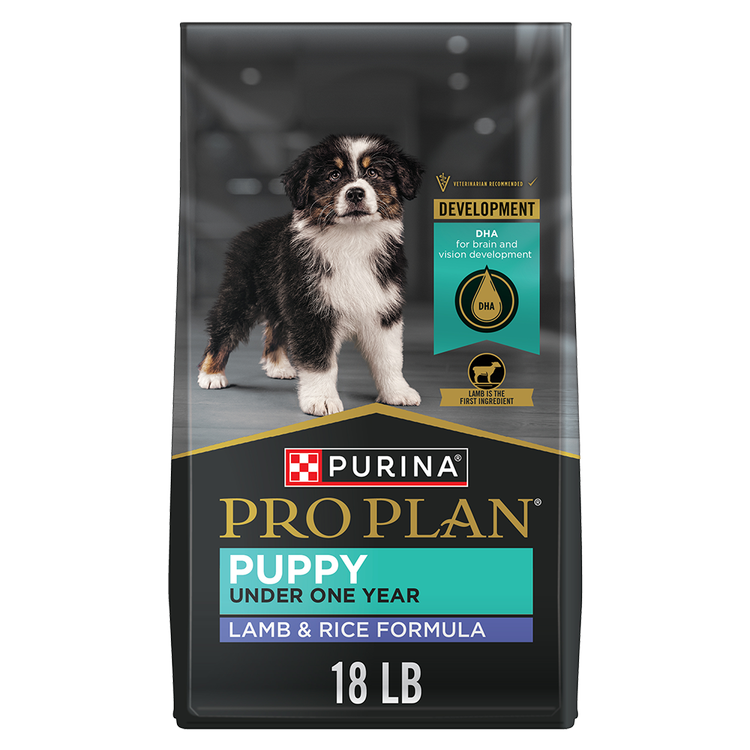
Feeding puppies adult dog food can affect their growth. Inadequate nutrition may result in stunted growth. Puppies may not reach their full size potential. Poor nutrition can also weaken their immune system. This makes them more prone to illnesses. Proper puppy food supports healthy bones, muscles, and organs.
Credit: www.purina.com
When Adult Dog Food Might Be Appropriate
Puppies need special nutrition for growth and development. Adult dog food often lacks the right nutrients puppies require. Yet, there are times when adult dog food might be suitable for puppies. Understanding these situations helps pet owners make safe feeding choices.
Short-term Substitutes
Adult dog food can serve as a short-term substitute for puppies. This happens during emergencies or sudden food shortages. Feeding adult food for a day or two usually won’t harm the puppy. It lacks some nutrients, but short use is generally safe.
Use this option only briefly. Return to puppy food as soon as possible. Monitor your puppy for any signs of discomfort or digestive upset. Keep fresh water available at all times.
Special Health Considerations
Some puppies may need adult dog food for health reasons. Puppies with certain medical conditions might require tailored diets. Adult formulas sometimes have lower calories or specific nutrient profiles. A vet may recommend adult food for weight control or allergies.
Always follow a veterinarian’s advice in these cases. Regular check-ups ensure the puppy grows healthy. Never switch foods without professional guidance. Special conditions require careful nutrition management.
Choosing The Right Food For Your Puppy
Choosing the right food for your puppy is more than just picking a tasty option. Puppies have unique nutritional needs that support their growth, energy, and overall health. Feeding them adult dog food might seem convenient, but it can miss key nutrients essential for their development.
Reading Pet Food Labels
Understanding pet food labels helps you spot the right nutrients for your puppy. Look for terms like “complete and balanced” tailored for puppies or all life stages. Check the protein content—it should be higher than adult dog food to fuel their growth.
Don’t forget to scan the ingredient list. High-quality animal proteins like chicken or lamb should be near the top. Avoid foods with too many fillers like corn or wheat, which offer little nutritional value for growing pups.
Consulting A Veterinarian
Your vet knows your puppy’s specific needs better than anyone. They can recommend the best food brands and formulas based on breed, size, and any health concerns. This advice helps you avoid guesswork and ensures your puppy gets the right balance of nutrients.
Have you ever wondered if your puppy’s food supports their activity level or coat health? A quick chat with your vet can clarify these questions and guide you to choices that enhance your pup’s well-being.
Credit: www.petsmart.com
Transitioning From Puppy To Adult Food
Transitioning your puppy from puppy food to adult dog food is an important step. The change affects their growth, health, and digestion. Puppies need more nutrients for growth, while adult dogs need food for maintenance. Switching too early or too late can cause problems. Proper timing and a careful approach make the transition safe and smooth.
Timing The Switch
Puppies usually switch to adult food between 9 and 12 months old. Small breeds might switch closer to 9 months. Large breeds often need puppy food longer, up to 12 months or more. Growth rates differ by breed size. Watch your puppy’s weight and energy levels. Consult your vet for the best timing.
How To Transition Safely
Start mixing adult food with puppy food over several days. Gradually increase the adult food portion. This helps your puppy’s stomach adjust. Sudden changes can cause upset stomach or diarrhea.
- Day 1-3: 75% puppy food, 25% adult food
- Day 4-6: 50% puppy food, 50% adult food
- Day 7-9: 25% puppy food, 75% adult food
- Day 10+: 100% adult food
Watch for signs of digestive trouble. If your puppy shows discomfort, slow the transition. Keep fresh water available at all times. Feed the right portion size to avoid weight gain or loss.
Frequently Asked Questions
Can Puppies Eat Adult Dog Food Safely?
Adult dog food lacks essential nutrients puppies need. Feeding it long-term can stunt growth and health. Puppies require food rich in protein, fat, and DHA for proper development. Always choose puppy-specific formulas for balanced nutrition during their growth stage.
What Risks Come From Feeding Puppies Adult Food?
Feeding puppies adult food may cause nutritional deficiencies. It can lead to weak bones, poor immunity, and slow growth. Adult food lacks adequate calcium and energy for puppies. This can result in health problems and developmental delays over time.
When Can Puppies Switch To Adult Dog Food?
Puppies can switch to adult food around 12 months old. Large breeds may transition closer to 18 months. Consult your vet to determine the right time based on breed and health. Gradually changing food helps avoid digestive upset.
Why Is Puppy Food Different From Adult Dog Food?
Puppy food contains higher protein, fat, and calories than adult food. It supports rapid growth, brain development, and strong bones. Adult dog food is formulated for maintenance, not growth. Using the correct food ensures puppies get necessary nutrients.
Conclusion
Puppies need special food to grow strong and healthy. Adult dog food lacks some nutrients puppies require. Feeding puppies only adult food can cause problems. Choose puppy food designed for their needs instead. This helps their bones, muscles, and brain develop well.
Always check labels and ask your vet for advice. Proper nutrition sets puppies up for a happy life. Remember, growing pups are not just small adult dogs. Their diet matters a lot. Keep them healthy by giving the right food every day.