
Are you struggling to potty train your dog and feeling frustrated with the messes? You’re not alone.
Many dog owners wonder if dog diapers could be the secret to making potty training easier. But do they really help, or do they just create more problems? You’ll discover how dog diapers work, their pros and cons, and whether they can be a useful tool in your potty training journey.
Keep reading to find out how you can make training smoother for both you and your furry friend.

Credit: www.amazon.com
Role Of Dog Diapers In Potty Training
Dog diapers can play a helpful role in potty training for some pets. They act as a temporary solution to manage accidents. This support allows owners to focus on teaching proper bathroom habits. Diapers do not replace training but can reduce stress during the process. They help keep homes clean while reinforcing good habits.
How Dog Diapers Work
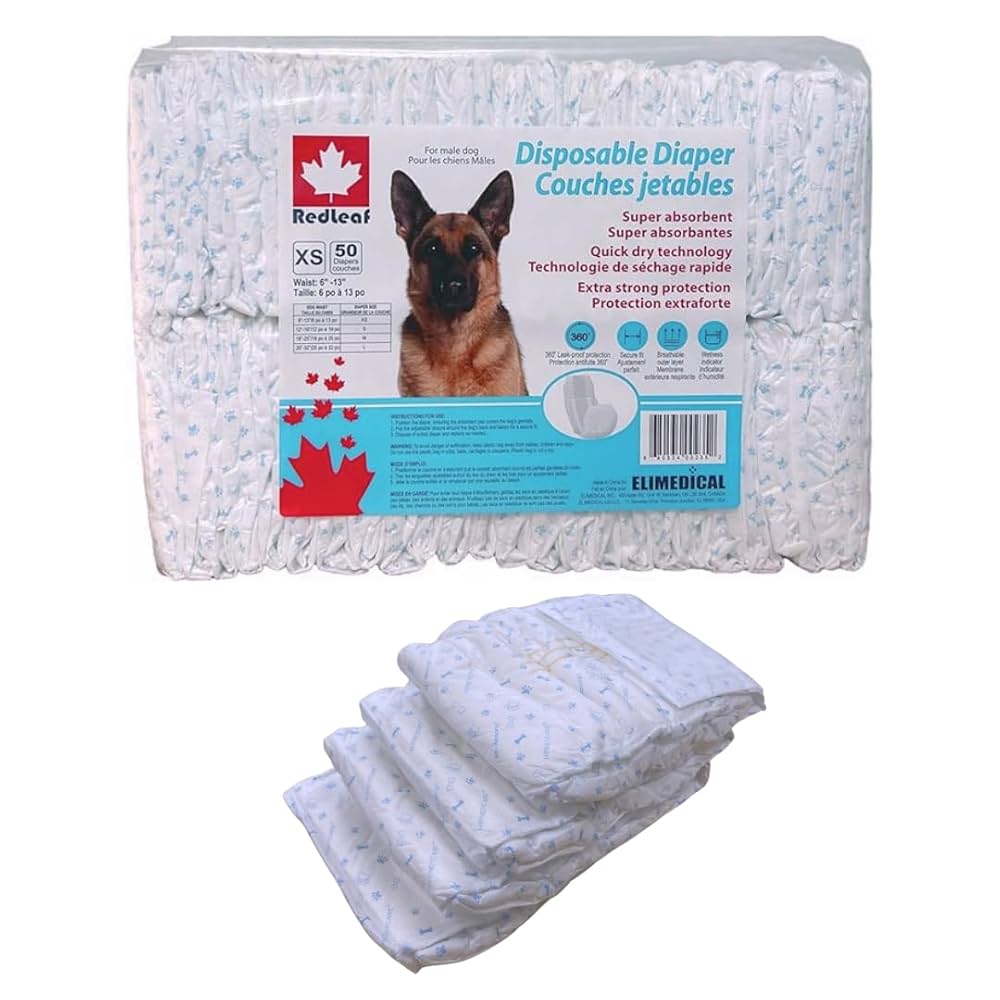
Dog diapers fit snugly around the dog’s waist. They catch urine and small messes before they reach the floor. Most diapers have absorbent materials inside to hold moisture. Some come with leak-proof barriers to avoid spills. Diapers are disposable or washable, depending on the type. Proper fit is important to prevent leaks and discomfort.
Benefits For Puppies And Older Dogs
- Protect floors and furniture from accidents
- Help puppies learn where to go potty
- Assist older dogs with bladder control issues
- Reduce stress for both pet and owner
- Allow more freedom without constant supervision
For puppies, diapers provide a safe way to control messes. Older dogs with health problems can stay comfortable while training continues. Diapers give owners time to teach proper potty routines.
When To Use Dog Diapers
- During house training for puppies
- When a dog has temporary health issues
- For older dogs with incontinence
- In situations where accidents are common
- While traveling or staying in new places
Using diapers is best as a short-term tool. They help manage accidents but do not replace consistent training. Always combine diapers with positive reinforcement and regular potty breaks.
Choosing The Right Dog Diaper
Choosing the right dog diaper is key to making potty training effective and comfortable for your furry friend. The right fit and style can prevent leaks and keep your dog happy, while the wrong choice might cause discomfort or accidents. Let’s break down what you need to consider to find the perfect diaper for your dog.
Size And Fit Matters
Getting the right size is more than just a number on the package. Measure your dog’s waist and check the sizing chart before buying. A diaper that’s too tight can irritate your dog’s skin, while one that’s too loose won’t hold anything in.
Think about your dog’s body shape too. Some breeds have narrow waists and wide hips, so you might need to try a few brands before finding one that fits well. A snug, secure fit stops leaks and helps your dog feel comfortable moving around.
Types Of Dog Diapers
There are several types of dog diapers, each designed for different needs:
- Disposable diapers:Convenient for travel and short-term use, but can add up in cost.
- Washable cloth diapers:Eco-friendly and cost-effective over time, but require regular washing.
- Male wraps:Specifically designed for male dogs, fitting around the waist to catch dribbles.
Consider your lifestyle and your dog’s habits when choosing. For example, if you take your dog on many outings, disposables might be easier. If you want to reduce waste, cloth diapers could be the better option.
Materials And Comfort
Comfort is crucial. Look for diapers made with soft, breathable materials that prevent rashes and overheating. Avoid diapers with rough seams or heavy plastic layers that can irritate your dog’s skin.
Some diapers have added features like moisture-wicking fabrics or adjustable tabs for a better fit. These little details can make a big difference in how your dog tolerates wearing a diaper. Have you noticed your dog getting restless with certain diapers? That could be a sign to switch to a more comfortable material.
Effective Potty Training Techniques
Effective potty training techniques can make the process smoother for both you and your dog. These techniques focus on consistency, encouragement, and understanding your dog’s needs. By incorporating these strategies, you can help your dog learn quickly and comfortably.
Establishing A Routine
Consistency is crucial for successful potty training. Set regular times for bathroom breaks. Take your dog out first thing in the morning, after meals, and before bedtime. This helps your dog understand when to expect potty breaks. Consistent timing reinforces the habit.
Positive Reinforcement
Reward your dog every time they potty outside. Use treats, praise, or playtime to encourage them. Positive reinforcement helps your dog associate outside pottying with good things. Avoid punishment for accidents. Focus on rewarding the correct behavior instead.
Recognizing Potty Signals
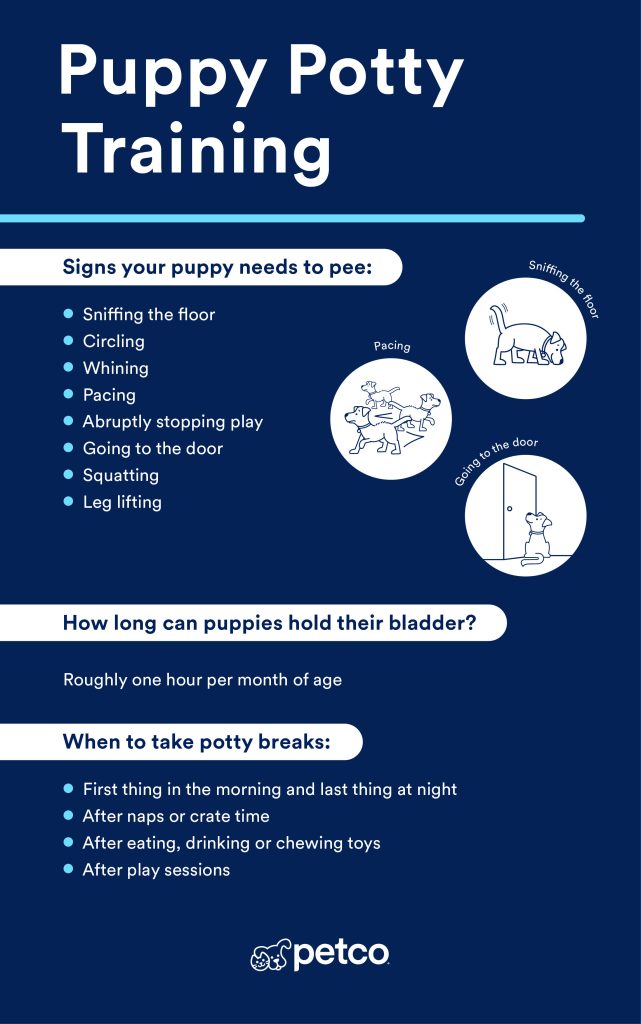
Learn to identify your dog’s signals for needing to go outside. Watch for signs like sniffing, circling, or whining. Take them out immediately when you notice these signals. This helps prevent accidents and reinforces the appropriate behavior. Understanding your dog’s signals strengthens your potty training efforts.
Credit: www.amazon.ca
Integrating Dog Diapers With Training
Integrating dog diapers into your potty training routine can offer practical support, especially during the early stages. They act as a safety net while your dog learns new habits, but they should never replace consistent training efforts. Understanding how to use diapers effectively alongside training can make the process smoother for both you and your pet.
Using Diapers As A Temporary Aid
Dog diapers can help manage accidents when your pup isn’t fully trained yet. They are particularly useful for puppies who are still developing bladder control or for older dogs with medical issues. Using diapers temporarily keeps your home clean and reduces stress, allowing you to focus on teaching proper bathroom habits.
However, diapers shouldn’t be a permanent solution. Think of them as training wheels—helpful at first but meant to come off eventually. This way, your dog learns to associate going outside with eliminating instead of relying on the diaper.
Transitioning Away From Diapers
As your dog improves, start reducing diaper use gradually. Try removing the diaper during supervised outdoor times to encourage your dog to go outside. Praise and reward your dog immediately after successful outdoor bathroom breaks to reinforce good behavior.
Setting a clear schedule for bathroom breaks helps your dog anticipate when and where to relieve themselves. Pay attention to your dog’s signals and take them out promptly. The goal is to build confidence and consistency without the crutch of diapers.
Avoiding Overdependence
Relying too much on diapers can confuse your dog and slow down potty training progress. Dogs may lose the urge to hold their bladder if they know a diaper will handle accidents. This can lead to prolonged training time and frustration for you both.
Ask yourself: Are you using diapers because your dog truly needs them, or because it’s easier for you? Being honest can help you adjust your approach and encourage your dog’s independence. Keep diapers as a backup, not a primary solution, to foster lasting potty habits.
Common Challenges And Solutions
Using dog diapers during potty training can bring its own set of challenges. Recognizing these issues early helps you handle them effectively. Let’s look at some common problems and practical ways to solve them so your training journey is smoother.
Dealing With Accidents
Accidents happen, even with diapers on. Sometimes the diaper might shift or leak, causing a mess that frustrates both you and your dog.
Try these tips to reduce accidents:
- Choose the right diaper size for a snug fit.
- Check the diaper frequently and change it as soon as it’s wet.
- Use diaper covers or pants designed for dogs to keep the diaper in place.
Have you noticed your dog’s behavior changes when accidents occur? Staying calm and cleaning up quickly without scolding can encourage better habits.
Managing Discomfort Or Allergies
Some dogs may feel uncomfortable or develop skin irritation from wearing diapers. This can slow down potty training progress.
Watch for signs like excessive scratching, redness, or restlessness. If you spot any, switch to hypoallergenic diapers or use a barrier cream to protect your dog’s skin.
Remember, your dog’s comfort affects their willingness to wear diapers. Would you keep something on that constantly irritates your skin?
Keeping Diapers Clean And Odor-free
Odor buildup is a common complaint. Dirty diapers can quickly create an unpleasant environment and discourage your dog from cooperating.
To keep things fresh:
- Change diapers frequently—don’t wait until they’re soaked.
- Use odor-neutralizing sprays safe for pets.
- Wash reusable diapers thoroughly with mild detergents.
How often are you checking and changing your dog’s diaper? Staying on top of hygiene prevents both odor and infections.
Tips For Successful Potty Training
Potty training a dog takes effort and good habits. Using dog diapers can help, but success depends on how you train. Follow these tips to make potty training easier and faster for your pet.
Consistency Is Key
Keep a regular schedule for bathroom breaks. Take your dog outside at the same times each day. Praise your dog every time they go in the right spot. Consistent routines help dogs learn where to go.
Patience And Persistence
Accidents will happen. Stay calm and do not punish your dog. Clean messes quickly to avoid smells that attract repeat accidents. Keep encouraging your dog with treats and kind words. Training takes time; patience brings good results.
Seeking Professional Help If Needed
Some dogs struggle more than others. A vet or trainer can offer advice and support. Professionals can spot health or behavior issues affecting potty training. Getting help early can save frustration and improve progress.

Credit: www.vevor.com.au
Frequently Asked Questions
Do Dog Diapers Prevent Accidents During Potty Training?
Dog diapers help contain accidents, reducing mess and stress. They are a temporary aid, not a training solution. Proper training techniques are still essential to teach your dog where to potty.
Can Dog Diapers Slow Down Potty Training Progress?
Yes, relying too much on diapers can confuse your dog. It may delay learning where to eliminate. Use diapers only as a short-term tool while reinforcing proper potty habits.
How Often Should I Change My Dog’s Diaper?
Change diapers every 2 to 4 hours to prevent irritation. Frequent changes keep your dog comfortable and reduce the risk of infections. Always check for leaks or discomfort.
Are Dog Diapers Safe For All Dog Breeds?
Most dog diapers are safe for all breeds if fitted correctly. Choose the right size and style for your dog’s comfort. Consult a vet if your dog has sensitive skin or health issues.
Conclusion
Dog diapers can support potty training by managing accidents. They help keep your home clean and reduce stress. Using diapers does not replace training but aids the process. Patience and consistency remain key to success. Each dog learns at a different pace.
Choose diapers that fit well and feel comfortable. Remember, training takes time and gentle guidance. Diapers offer a helpful tool, not a quick fix. Stay calm and positive throughout the journey. Your dog will learn good habits with steady effort.