
Have you ever wondered if you or your child can get sick from the food your dog eats? It might sound unusual, but dogs’ food can sometimes carry bacteria that cause illness.
Understanding how this happens is important to keep your whole family safe. You’ll discover the risks, what signs to watch for, and simple steps to protect yourself and your loved ones. Keep reading to learn how to avoid a hidden danger lurking in your pet’s bowl.
Risk Of Dog Foodborne Illness
Understanding the risk of dog foodborne illness is crucial for both adults and children who interact with pets. While dogs are the primary consumers, the pathogens lurking in contaminated dog food can easily affect humans too. It’s not just about your pet’s health; it’s about safeguarding your entire household.
Common Pathogens In Dog Food
Several harmful bacteria and parasites can be present in dog food. These include:
- Salmonella:Causes severe diarrhea and fever in both dogs and humans.
- Listeria monocytogenes:Can lead to serious infections, especially in children and people with weak immune systems.
- Escherichia coli (E. coli):Some strains cause food poisoning with symptoms like stomach cramps and vomiting.
- Clostridium perfringens:Known for causing gastrointestinal illness.
Imagine your child playing with a dog’s bowl and then touching their face without washing hands. The risk of transferring these pathogens is real and should not be underestimated.
How Contamination Occurs
Contamination can happen at multiple points before the food reaches your home. Raw ingredients might already carry bacteria if they come from infected animals or unsanitary sources. During manufacturing, improper handling or storage can introduce or allow bacteria to multiply.
Even after purchase, storing dog food in warm or humid conditions can increase bacterial growth. Have you checked how you store your pet’s food lately? Simple habits like washing your hands after feeding and cleaning bowls regularly can drastically reduce contamination risks.
Susceptibility: Adults Vs Children
Susceptibility to food borne illnesses from dogs varies between adults and children. Understanding these differences helps protect both groups effectively. The risk depends largely on how strong the immune system is and other health factors.
Immune System Differences
Children’s immune systems are still developing. This makes it harder for them to fight off harmful bacteria and viruses. Adults have more mature immune defenses, which usually handle infections better. However, immune strength can vary widely in adults too.
Vulnerable Groups Among Adults
Not all adults have the same risk level. Older adults and those with chronic illnesses often have weaker immune systems. Pregnant women also face higher risks due to changes in immunity. These groups need extra care to avoid food borne diseases.
Why Children Are More At Risk
Children explore the world with their hands and mouths. This increases their chance of exposure to germs from dogs. Their bodies also process infections differently, leading to more severe symptoms. Young children often require quicker medical attention after exposure.
Symptoms Of Foodborne Illness From Dogs
Symptoms of foodborne illness from dogs can be alarming. Recognizing them early helps in seeking timely care. Both adults and children can be affected. The symptoms may vary in intensity and type. Understanding these symptoms is crucial for health safety.
Signs To Watch In Adults
Adults may experience various symptoms after exposure. Here are some common signs:
- Nausea and vomiting
- Diarrhea, sometimes severe
- Abdominal cramps and pain
- Fever and chills
- Fatigue and body aches
These symptoms often appear within hours or days. They may last from a few hours to several days. Seeking medical advice is important for persistent symptoms.
Symptoms Common In Children
Children may show different or more intense symptoms. Look for these signs:
- Frequent diarrhea
- Persistent vomiting
- Dehydration symptoms like dry mouth
- High fever
- Crankiness or unusual fussiness
Children are more vulnerable to dehydration. Immediate medical attention is necessary if symptoms worsen. Regular monitoring can prevent complications.

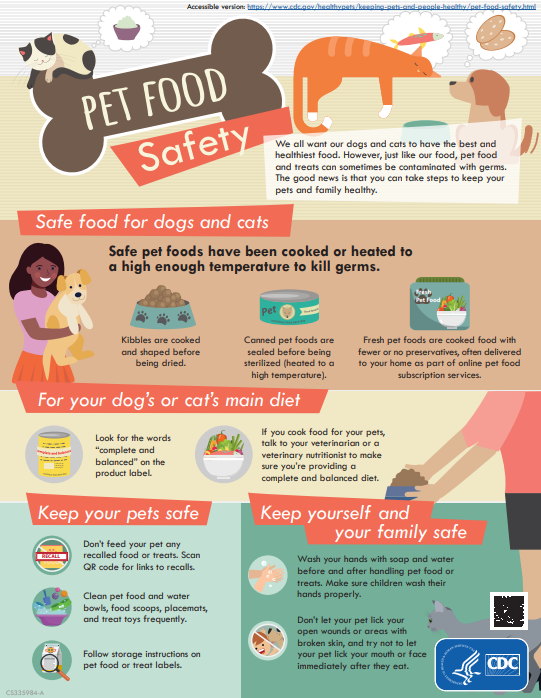
Credit: www.cdc.gov
Preventing Dog Foodborne Illness
Preventing dog foodborne illness is essential for protecting both your pet and your family. Contaminated dog food can carry bacteria that affect humans and animals alike. Simple habits can dramatically reduce the risk and keep everyone safe.
Safe Handling Of Dog Food
Always store dog food in a cool, dry place. Avoid leaving it open or exposed to moisture, which can encourage bacterial growth.
Use clean utensils to scoop out food instead of your hands. This reduces the chance of transferring germs.
After feeding your dog, promptly clean bowls with hot, soapy water. This stops bacteria from building up and spreading.
Hygiene Practices For Families
Wash your hands thoroughly after handling dog food or touching your pet’s feeding area. This simple step protects your whole household.
Keep dog food and human food preparation areas separate. Cross-contamination can easily occur if these spaces overlap.
Consider designating specific cloths or sponges for cleaning dog bowls and feeding spots. Avoid sharing these with kitchen cleaning tools to limit germ spread.
Have you noticed how often you touch your dog and then your face? Staying mindful about handwashing can make a big difference.
What To Do If Infected
If you or your child show signs of a food borne illness from dog food, acting quickly can make all the difference. Understanding what steps to take after infection helps you manage symptoms and avoid serious complications. Knowing when to seek medical help can ensure you get the right treatment without delay.
Medical Treatment Options
Most cases of food borne illness from dog food cause stomach upset, diarrhea, or vomiting. You can start by drinking plenty of fluids to stay hydrated. Oral rehydration solutions can replace lost salts and minerals effectively.
Over-the-counter medications like anti-nausea or anti-diarrheal drugs may help ease symptoms but use them cautiously, especially for children. Rest is important—your body needs time to fight off the infection.
Doctors might prescribe antibiotics if the illness comes from certain bacteria, but only after proper testing. Probiotics can support your gut health during recovery, but consult your healthcare provider first.
When To Seek Emergency Care
Pay close attention if symptoms worsen or don’t improve within a few days. Seek emergency care if you or your child experience:
- Severe dehydration (dizziness, dry mouth, little or no urination)
- High fever above 102°F (39°C)
- Blood in vomit or stools
- Severe abdominal pain
- Confusion or difficulty staying awake
These signs can indicate a serious infection or complications needing immediate attention. Don’t hesitate to call emergency services if you’re unsure—your health is worth the caution.

Credit: www.safetyandhealthmagazine.com
Myths And Facts About Dog Food Safety
Dog food safety often causes confusion among pet owners. Many myths surround the risk of foodborne illness from dog food, especially concerning adults and children. Clearing up these myths helps protect both humans and pets. Understanding facts about dog food safety reduces unnecessary worry and promotes good hygiene practices.
Common Misconceptions
- Only dogs can get sick from contaminated dog food.
- Dry dog food never carries bacteria or germs.
- Children are not at risk from dog food bacteria.
- Cooking dog food makes it unsafe for dogs.
- Handling dog food does not require hand washing.
Evidence-based Insights
Both adults and children can get foodborne illnesses from dog food. Bacteria like Salmonella and Listeria can be present in raw or even dry dog food. Children under five and adults with weak immune systems face higher risks. Proper storage and handling of dog food reduce contamination chances.
Washing hands after touching dog food or bowls prevents bacteria spread. Cooking raw dog food to recommended temperatures kills harmful germs. Regular cleaning of feeding areas and bowls is vital. These steps protect everyone in the household from illness.

Credit: kanabvet.com
Frequently Asked Questions
Can Adults Get Food Borne Illness From Dogs?
Yes, adults can contract food borne illnesses from dogs. Handling dog food or contact with contaminated surfaces can spread bacteria. Proper hygiene and washing hands after interacting with dogs or their food reduces risk significantly.
Are Children More Vulnerable To Dog Food Borne Illness?
Children are more susceptible due to weaker immune systems. They may also have closer contact with dogs. Extra care with hand washing and avoiding dog food contact helps protect children from potential infections.
What Are Common Symptoms Of Dog Food Borne Illness?
Symptoms include nausea, vomiting, diarrhea, and stomach cramps. Fever and fatigue may also occur. These signs usually appear within hours to days after exposure to contaminated dog food.
How Can I Prevent Dog Food Borne Illness At Home?
Maintain cleanliness by washing hands after handling dog food. Store dog food properly to avoid contamination. Clean feeding bowls regularly and avoid feeding dogs raw or spoiled food.
Conclusion
Both adults and children can get food borne illnesses from dogs. Kids may get sick more easily due to weaker immune systems. Adults must also take care when handling dog food or waste. Washing hands often helps stop germs from spreading.
Keep dog areas clean and avoid letting dogs lick faces. Simple steps protect your family’s health. Stay aware and act safely around pets. That keeps everyone happy and healthy.