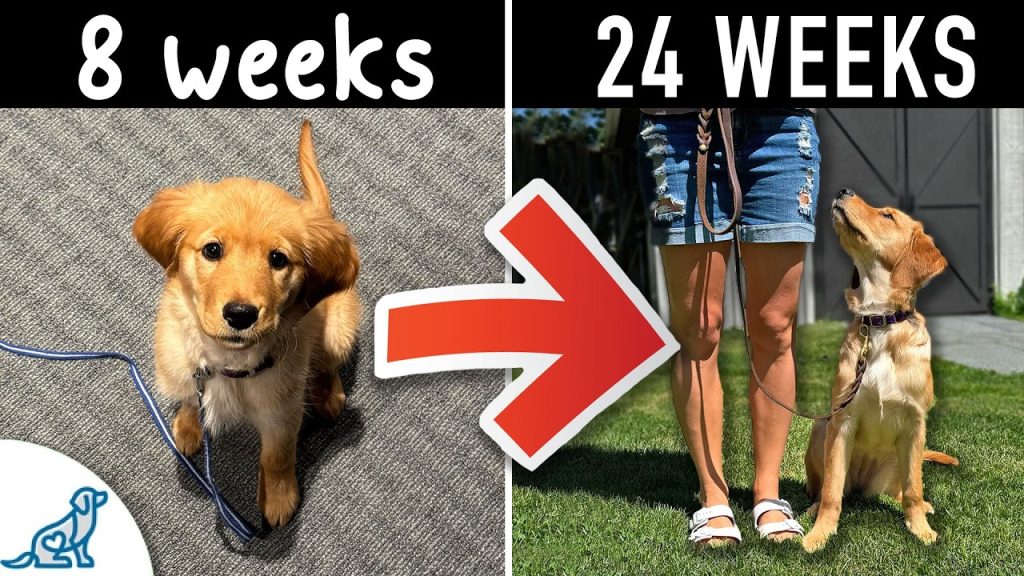

Are you wondering when the best time to start training your dog is? Timing can make all the difference in how well your dog learns and behaves.
Starting too late might mean more struggles, while starting too early could feel overwhelming. You’ll discover the perfect moment to begin training, practical tips to get it right, and how to set your dog up for success from day one.
Keep reading, and you’ll gain the confidence to train your furry friend the right way—making your life easier and your bond stronger.
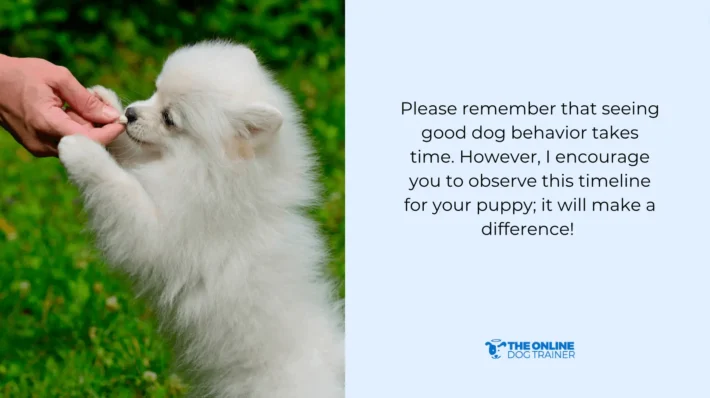
Credit: theonlinedogtrainer.com
Ideal Age To Begin Training
Deciding the ideal age to start training your dog can shape the entire relationship you build together. Training isn’t just about teaching commands; it’s about setting the foundation for good behavior and understanding. Knowing when to begin helps you maximize your dog’s learning potential and keeps the process enjoyable for both of you.
Puppy Stage Benefits
Starting training during the puppy stage taps into their natural curiosity and eagerness to please. Puppies absorb new information quickly and adapt to routines faster than older dogs. Basic commands, socialization, and house training work best when introduced early.
Younger puppies are more forgiving of mistakes and respond well to positive reinforcement. Early training helps prevent behavioral problems like biting and excessive barking. Have you noticed how puppies seem to soak up new experiences? That’s the perfect window to teach them right from wrong.
Training Adult Dogs
Adult dogs are fully capable of learning new skills, even if they missed puppy training. While older dogs may take a bit longer to adjust, consistent, patient training can lead to great results. Your bond and communication can improve significantly through focused training sessions.
Adult dogs often respond well when training connects to their daily routines and rewards. You might find that addressing specific issues like leash pulling or fear takes more time but is entirely doable. Have you considered how your adult dog’s past experiences might affect their learning style?
Senior Dogs And Learning
Senior dogs can learn new tricks and commands, though their pace may slow down. Training at this age can keep their mind sharp and strengthen your connection. Simple commands and gentle exercises work best, focusing on mental stimulation.
Patience is key when working with senior dogs. Adjust training sessions to their energy levels and physical abilities. Have you tried games or training sessions that also provide mental engagement for your older dog?
Signs Your Dog Is Ready
Knowing the signs your dog is ready for training helps you start at the right time. Early training builds good habits and strengthens your bond. Watch your dog closely for key signals. These signs show physical, mental, and behavioral readiness to learn new commands and skills.
Physical Readiness
Your dog needs basic physical strength to follow simple commands. Look for steady walking without stumbling. Puppies should have control over their body movements. They should be able to sit, stand, and walk short distances. Healthy energy levels also indicate readiness for short training sessions.
Mental Alertness
A dog ready to train shows curiosity and focus. They pay attention to sounds and movements around them. Your dog should respond to their name consistently. Watch if they try to solve simple problems or explore new things. Alertness helps them understand and remember commands better.
Behavioral Cues
Behavior gives clear hints about your dog’s training readiness. Signs include calmness and willingness to interact with people. Your dog might seek your attention or follow you around. Avoid training if your dog is overly anxious or aggressive. Positive behavior sets a strong foundation for effective learning.
Key Training Milestones
Training a dog is a rewarding journey. Knowing key milestones ensures success. These milestones guide you through your dog’s growth. From socialization to basic commands, each step matters. Let’s explore these crucial stages.
Early Socialization
Socialization starts between 3-14 weeks of age. Introduce your puppy to different environments. Meet new people and other pets. Use positive reinforcement during these encounters. This builds confidence and reduces fear. Early socialization shapes a well-adjusted adult dog.
Basic Commands
Begin teaching basic commands around 8 weeks old. Start with simple commands like “sit” and “stay.” Use treats and praise to reinforce good behavior. Keep training sessions short and fun. Patience is essential during this stage. Consistency helps your dog learn faster.
Housebreaking Tips
Housebreaking is crucial for a happy home. Begin as soon as your puppy comes home. Establish a routine with regular potty breaks. Praise your puppy for going outside. Clean accidents thoroughly to avoid repeat incidents. Persistence leads to a well-trained pet.
Credit: coachyourdog.com
Choosing The Right Training Method
Choosing the right training method is key to helping your dog learn well. Each dog has a unique personality and needs. Picking a method that suits your dog makes training easier and more effective.
Training should be clear and consistent. This helps your dog understand what is expected. Positive experiences build trust and encourage good behavior. The right approach makes training fun for both you and your dog.
Positive Reinforcement
Positive reinforcement means giving rewards for good behavior. Treats, praise, or toys can be used as rewards. This method motivates dogs to repeat the behavior. It builds a strong bond between you and your dog.
Rewards should be given immediately after the correct action. This helps your dog connect the reward to the behavior. Avoid punishment, as it can cause fear or confusion. Positive reinforcement creates a happy learning environment.
Clicker Training
Clicker training uses a small device that makes a clicking sound. The click marks the exact moment your dog does the right thing. After clicking, offer a reward like a treat or praise.
This method helps dogs learn quickly by giving clear signals. It makes training precise and easy to follow. Consistency is important for success with clicker training. Dogs enjoy the clear communication and quick feedback.
Avoiding Common Mistakes
- Don’t use harsh punishments or yell at your dog.
- Be patient; learning takes time and repetition.
- Keep training sessions short to maintain your dog’s focus.
- Use clear commands and avoid confusing words.
- Stay consistent with rules and routines.
Making these mistakes can slow down progress. Gentle and steady training leads to better results. Respect your dog’s pace and celebrate small wins.
Training Schedule And Consistency
Setting a training schedule and staying consistent are key to effective dog training. Dogs learn best with regular practice and clear routines. Consistency helps dogs understand expectations and builds good habits faster. A well-planned schedule keeps training sessions short and engaging, avoiding frustration for both you and your dog.
Daily Training Sessions
Short, daily training sessions work best for dogs. Aim for 5 to 10 minutes per session. Frequent practice improves memory and skill retention. Repeating commands daily makes them easier to remember. Keep sessions fun and positive to hold your dog’s attention. End each session with praise or a small reward.
Balancing Training And Play
Training should not replace playtime. Play helps dogs release energy and stay happy. Mixing training with play keeps your dog motivated. Use play as a reward after training tasks. This balance prevents boredom and strengthens your bond. Dogs learn better when training feels like a game.
Adjusting For Breed And Temperament
Different breeds learn at different speeds. Some dogs need more patience and repetition. Sensitive or shy dogs may require gentler methods. Active breeds benefit from shorter, more frequent sessions. Watch your dog’s reactions and adjust the schedule. Tailor training to fit your dog’s unique personality.
Common Challenges And Solutions
Training a dog is rewarding but not without its hurdles. You’ll face moments when your dog’s focus drifts, or their stubborn streak takes over. Knowing how to handle these challenges can make training smoother and more effective.
Dealing With Distractions
Distractions can pull your dog’s attention away from training quickly. Start in a quiet space where interruptions are minimal. Gradually introduce distractions like other people or noises once your dog masters basic commands.
Try using high-value treats or favorite toys to keep your dog’s focus. Think about what excites your dog the most and use that as a reward. Have you noticed how your dog reacts to different sounds or movements? Use that to your advantage during sessions.
Handling Stubborn Behavior
Stubbornness can test your patience, but it’s often a sign your dog is unsure or overwhelmed. Break tasks into smaller steps and reward even the smallest progress. This builds confidence and reduces resistance.
Changing your tone and body language helps too. Firm but gentle commands work better than yelling. Remember, your dog reads your emotions — staying calm and consistent makes a big difference.
Maintaining Motivation
Training can become a drag if your dog loses interest. Keep sessions short and fun to prevent boredom. Mix up activities to challenge your dog mentally and physically.
Celebrate successes with praise and treats to keep your dog eager to learn. Ask yourself: Are your training sessions more of a chore or a bonding experience? Making it enjoyable for both of you keeps motivation high over time.
When To Seek Professional Help
Knowing when to seek professional help can improve your dog’s training success. Some challenges need expert guidance to overcome. Early intervention prevents bad habits from forming. Professionals offer tailored advice and proven techniques. Recognizing signs and choosing the right support saves time and stress for both you and your dog.
Recognizing Training Plateaus
Training plateaus occur when progress stops or slows down. Your dog may ignore commands or repeat mistakes. This can cause frustration for both of you. A professional can identify the cause and suggest new strategies. They help keep training effective and enjoyable.
Choosing A Trainer
Selecting the right trainer matters for your dog’s success. Look for certified trainers with positive reviews. Ensure their methods match your values and your dog’s needs. Meet the trainer before committing to sessions. Trust and comfort between trainer, dog, and owner are essential.
Benefits Of Group Classes
Group classes offer socialization and learning with other dogs. Dogs learn to focus amid distractions. Owners gain tips from professionals and peers. Group settings provide motivation and fun. This environment supports better behavior and confidence in dogs.

Credit: www.thepuppyacademy.com
Frequently Asked Questions
When Should Puppy Training Ideally Begin?
Puppy training should ideally begin between 7 to 8 weeks old. Early training helps establish good behavior and social skills. It sets a strong foundation for future learning and obedience. Starting early prevents bad habits from forming.
Is It Too Late To Start Training An Adult Dog?
No, it’s never too late to train an adult dog. Adult dogs can learn new commands and behaviors with patience. Training strengthens your bond and improves your dog’s manners. Consistency and positive reinforcement are key for success.
How Long Does Basic Dog Training Take?
Basic dog training usually takes 4 to 6 weeks with regular sessions. Consistent daily practice helps dogs learn commands faster. Training duration depends on the dog’s age, breed, and temperament. Patience and persistence yield the best results.
What Training Methods Work Best For Dogs?
Positive reinforcement is the most effective dog training method. Rewarding good behavior encourages dogs to repeat it. Avoid harsh punishments as they cause fear and confusion. Use treats, praise, and play as motivators during training.
Conclusion
Starting dog training early builds strong habits and trust. Puppies learn quickly and adapt well to new rules. Consistency matters more than the exact age you begin. Training helps your dog feel safe and happy every day. Keep sessions short and fun to hold their attention.
Patience and kindness make training a positive experience. Begin today to enjoy a well-behaved, loving companion tomorrow. The best time to start training is always now.