
Are you wondering when to switch your furry friend to adult dog food? It’s a big step that can impact your dog’s health and happiness.
Feeding your dog the right food at the right age helps them grow strong and stay energetic. But how do you know the perfect time to make this change? Keep reading, and you’ll discover exactly when and why switching to adult dog food matters for your dog’s well-being.
When To Transition
Knowing when to switch your dog from puppy food to adult food is key to supporting their health and energy levels. Transitioning too early or too late can affect their growth and digestion. Understanding the right time helps you provide the best nutrition tailored to their needs.
Puppy Growth Stages
Puppies grow quickly but at different rates depending on their breed. Small breeds usually reach adulthood faster, around 9 to 12 months, while large breeds may take up to 18-24 months. During this time, their nutritional needs change from high-calorie puppy food to a balanced adult diet.
Tracking your puppy’s growth stage can guide you on when to switch. Are they still growing rapidly or starting to slow down? This change in growth rate is a good signal to consider adult food.
Signs Of Maturity
Physical signs often tell you when your dog is ready for adult food. Look for:
- Full adult size or close to it
- Changes in energy level — usually less hyperactive than a young puppy
- Teeth fully developed and less teething behavior
Behavioral shifts can also hint that your dog is maturing. Has your playful puppy started acting more calm and settled? These signs indicate that it might be time to adjust their diet.
Breed Size Considerations
Breed size plays a major role in deciding when to switch dog food. Large and giant breeds need a slower transition because their bones and joints develop longer. Feeding them adult food too early may lead to growth problems.
For small and medium breeds, switching around one year is usually fine. But for breeds like Great Danes or Mastiffs, waiting until 18-24 months is better. Have you checked your dog’s breed-specific guidelines? They can provide useful timing details.

Credit: www.petfood.express
Choosing Adult Dog Food
Choosing the right adult dog food is key to keeping your dog healthy. As your dog grows, its dietary needs change. Feeding the correct food supports energy, weight, and overall health. Understanding different types of adult dog food helps you make the best choice. Reading labels ensures the food meets your dog’s nutritional needs.
Nutritional Needs
Adult dogs need balanced nutrients for energy and health. Protein supports muscles and repair. Fat provides energy and helps with vitamin absorption. Carbohydrates give fuel and fiber aids digestion. Vitamins and minerals keep bones and immune system strong. The right balance depends on your dog’s size, age, and activity level.
Types Of Adult Dog Food
Dry kibble is popular and easy to store. It helps keep teeth clean. Wet food has more moisture, good for hydration. It’s often more flavorful for picky eaters. Semi-moist food is soft and chewy but may contain more sugar. Raw or homemade diets offer natural ingredients but need careful preparation.
Reading Food Labels
Check the first ingredients; meat should be listed early. Avoid foods with too many fillers like corn or wheat. Look for guaranteed analysis showing protein, fat, and fiber levels. Check for added vitamins and minerals. Avoid artificial colors, flavors, and preservatives. Look for AAFCO approval to ensure nutritional adequacy.
Transitioning Tips
Dogs usually switch to adult food around one year old, but breed size can affect timing. Gradually mix adult food with puppy food over a week for smooth change. Watch your dog’s health and energy during this time to adjust feeding if needed.
Transitioning your furry friend to adult dog food is a significant milestone. It’s more than just a change in diet; it’s a step towards their mature years. Done correctly, this transition supports their health and keeps them active and happy. Here are some practical tips to ensure a smooth switch.Gradual Food Change
Switching from puppy to adult dog food should be a gradual process. Sudden changes can upset your dog’s stomach. Start by mixing a small amount of adult food with their current puppy food. Over a week or so, increase the adult food portion while decreasing the puppy food. This gradual change helps your dog adjust without stress. You’ll be surprised how quickly they adapt with patience and care.Monitoring Digestive Health
Keep a close eye on your dog’s digestive health during the transition. Look for any signs of discomfort like diarrhea or vomiting. These could indicate that the new food isn’t sitting well. If you notice any issues, slow down the transition or consult your vet. Your dog’s comfort and health are a priority. Regularly check their stools for consistency and color, as these are good indicators of digestive health.Adjusting Portion Sizes
Adult dogs have different nutritional needs than puppies. This means you might need to adjust the portion sizes. Puppy food is calorie-dense, so adult portions might be larger. Check the feeding guidelines on the adult dog food package. Adjust based on your dog’s activity level and weight. Remember, maintaining a healthy weight is crucial for your dog’s overall well-being. Switching to adult dog food is a journey you and your pet embark on together. How do you plan to make this transition a seamless experience for your furry companion?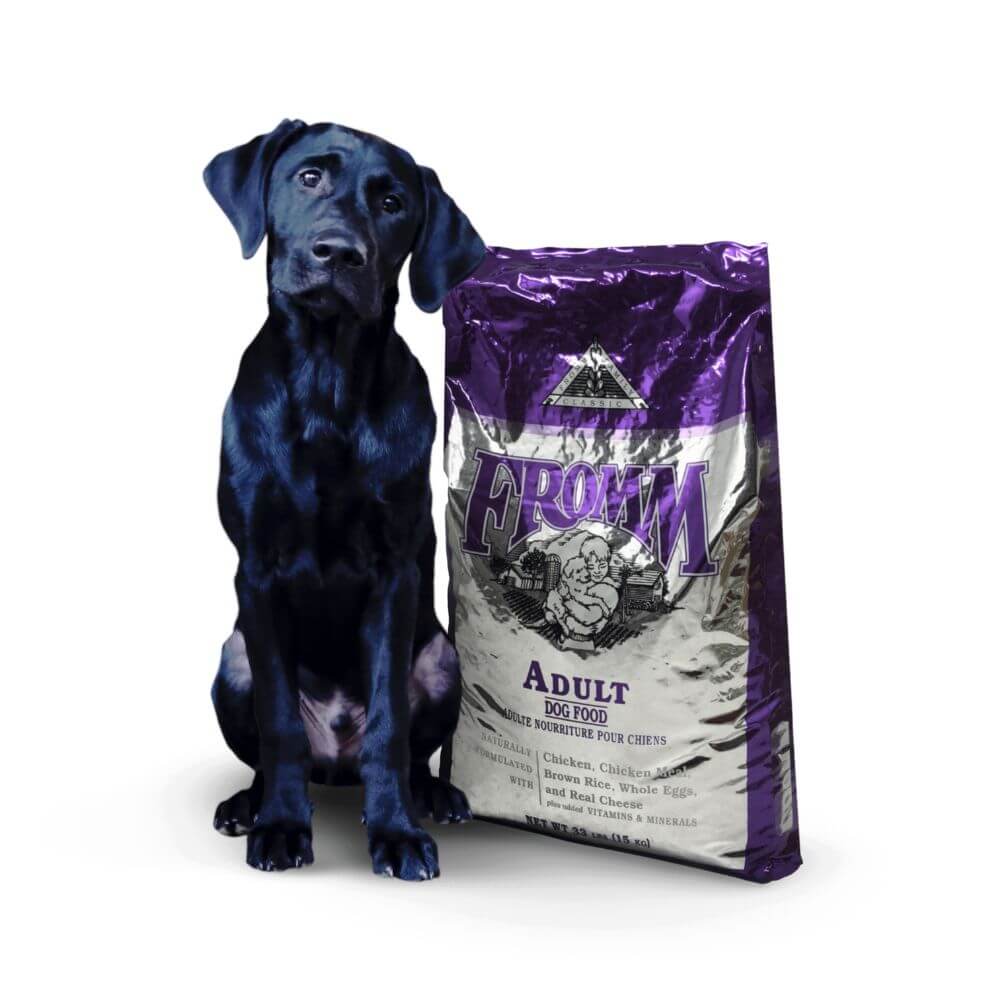
Credit: www.hollywoodfeed.com
Common Mistakes To Avoid
Switching your dog to adult food is an important step, but it’s easy to make mistakes that could affect their health. Knowing what to avoid can save you from unnecessary stress and keep your furry friend happy. Here are some common pitfalls that many dog owners face during this transition.
Switching Too Early
Many pet owners rush to change their puppy’s food as soon as they hit a certain age. But every dog matures differently, and switching too soon can leave them without essential nutrients they still need. Puppies need a specific balance of protein and calories to support growth, so moving to adult food prematurely might slow their development or cause digestive upset.
Have you noticed your puppy’s energy levels or coat quality changing after switching foods? If yes, it might be a sign you switched too early. Observe your dog’s growth and consult your vet before making the change.
Ignoring Breed Differences
Not all dogs grow at the same rate. Small breeds often mature faster than larger ones and may need adult food earlier. Large and giant breeds require a slower transition to avoid issues like joint problems or obesity.
Failing to consider your dog’s breed size can lead to feeding mistakes. For example, switching a Great Dane to adult food at 8 months might be too soon, while a Chihuahua could be ready at 9 months. Tailoring the switch to your dog’s breed helps maintain their health and energy.
Overfeeding Risks
Changing your dog’s food is also a chance to rethink portion sizes. Adult dog food is usually more calorie-dense than puppy food, and feeding the same amount can lead to weight gain. Overfeeding increases the risk of obesity, which can cause joint stress and other health issues.
Watch your dog’s body condition carefully after the switch. Are they gaining weight too quickly? Adjust portions accordingly, and remember that treats count too. Keeping your dog at a healthy weight is just as important as feeding the right food.
Consulting Your Veterinarian
Switching your dog to adult food is an important decision that impacts their health and well-being. While general guidelines suggest a certain age range, consulting your veterinarian ensures this transition fits your dog’s unique needs. Your vet’s input can help avoid common feeding mistakes and keep your dog thriving.
Personalized Advice
Your dog’s breed, size, and activity level all influence the best time to switch to adult dog food. A veterinarian can evaluate these factors and recommend the perfect timing and food type for your pet. This personalized advice helps you avoid switching too early or too late, which can affect your dog’s growth and energy.
Health Checkups
Regular checkups give your vet a clear picture of your dog’s health status. These visits are the best opportunity to discuss diet changes and spot any signs of nutritional issues or sensitivities. You might be surprised how small health changes can affect your dog’s dietary needs.
Special Dietary Needs
Some dogs require special diets due to allergies, digestive problems, or chronic conditions. Your veterinarian can guide you to select adult dog food formulas tailored to these needs. Ignoring these specifics can lead to discomfort or health complications, so getting expert advice is crucial.

Credit: www.petfood.express
Frequently Asked Questions
When Should I Switch My Puppy To Adult Dog Food?
Switch to adult dog food when your dog reaches 12 months. Large breeds may need adult food at 18-24 months. This timing supports healthy growth and balanced nutrition for your dog’s size and activity.
How To Know If Adult Dog Food Suits My Pet?
Observe your dog’s energy, weight, and digestion after switching. If your dog maintains a healthy weight and energy, adult food suits them. Consult your vet for personalized advice on diet changes.
Can Switching To Adult Dog Food Too Early Harm Dogs?
Yes, switching too early may cause nutritional deficiencies. Puppies need more protein and calories than adults. Always follow breed-specific recommendations for the best growth and health.
What Differences Exist Between Puppy And Adult Dog Food?
Puppy food has higher protein, fat, and calories for growth. Adult food supports maintenance and energy needs. Nutrient levels adjust to match your dog’s development stage and lifestyle.
Conclusion
Switching to adult dog food usually happens around one year old. Each dog grows at a different pace. Watch your dog’s size and energy for clues. Choose food that supports their health and activity level. Consult your vet for personalized advice.
Feeding the right food helps your dog stay strong and happy. Keep an eye on their weight and coat condition. A smooth transition makes mealtime easy and enjoyable. Your dog will thank you with a wagging tail.