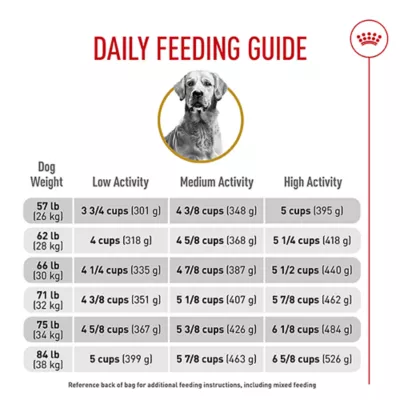

Feeding your large adult dog the right amount of dry food is more important than you might think. Too little, and your dog may feel hungry or lack energy.
Too much, and weight problems can quickly develop. You want to keep your furry friend healthy, active, and happy—but how do you know the exact amount to feed? You’ll discover simple, clear answers to help you find the perfect feeding portion for your big dog.
Keep reading to make sure you’re giving your companion just what they need every day.
Daily Feeding Amounts
Feeding your large adult dog the right amount of dry food daily is essential for their health and happiness. Too little can leave them hungry and undernourished, while too much may cause weight gain and other health issues. Understanding how to measure their daily feeding amounts helps you keep your dog in optimal shape.
Calculating Calories Needed
Start by figuring out how many calories your dog needs each day. Large dogs typically require between 1,000 to 2,000 calories daily, depending on their size and metabolism.
You can check your dog food package for calories per cup and multiply that by how many cups you feed. For example, if the food has 350 calories per cup and your dog needs 1,400 calories, you would feed about 4 cups daily.
Does your dog finish their meals quickly or seem hungry afterward? That’s a sign you might need to adjust calorie intake.
Adjusting For Activity Level
Not all large dogs have the same energy needs. A highly active dog burning lots of energy might need 20-30% more food than a less active one.
Think about your dog’s daily routine. Do they run and play for hours, or mostly lounge around? Adjust their food portions accordingly.
If your dog gains weight without extra treats, consider cutting back. If they seem restless or lose weight, add more food gradually.
Considering Dog’s Weight And Age
Weight plays a big role in feeding amounts. A 70-pound dog needs less food than a 100-pound dog, even if both are active.
Age matters too. Older dogs usually need fewer calories because their metabolism slows down.
Regularly weigh your dog to keep portions accurate. Adjust food to keep their weight stable rather than just sticking to a fixed amount.
Credit: www.houndsy.com
Choosing The Right Dry Food
Choosing the right dry food for your adult large dog affects their health and energy. It helps maintain a healthy weight and supports strong muscles. Picking the best food requires understanding what your dog needs every day.
Reading Nutrition Labels
Nutrition labels show what is inside the dry food. Check the protein source. Look for named meat like chicken or beef. Avoid foods with vague words like “meat by-products.” Check the fat content to meet your dog’s energy needs. Fiber helps digestion, so moderate amounts are good. Also, look for vitamins and minerals listed. These keep your dog’s body working well.
Quality Ingredients To Look For
- High-quality animal protein as the first ingredient
- Whole grains like brown rice or oats
- Vegetables such as sweet potatoes or peas
- Natural preservatives like vitamin E
- No fillers like corn or wheat
- Limited artificial colors or flavors
Good ingredients support your dog’s immune system and coat health. Avoid foods with too many fillers or unknown chemicals. Quality matters for large dogs who burn a lot of calories.
Brand Recommendations
- Blue Buffalo Life Protection Formula
- Wellness CORE Grain-Free Large Breed
- Orijen Large Breed Dry Dog Food
- Hill’s Science Diet Adult Large Breed
- Nutro Ultra Large Breed
These brands offer balanced nutrition for big dogs. They use real ingredients and meet safety standards. Choose a brand that fits your dog’s taste and health needs.
Measuring Portions Accurately
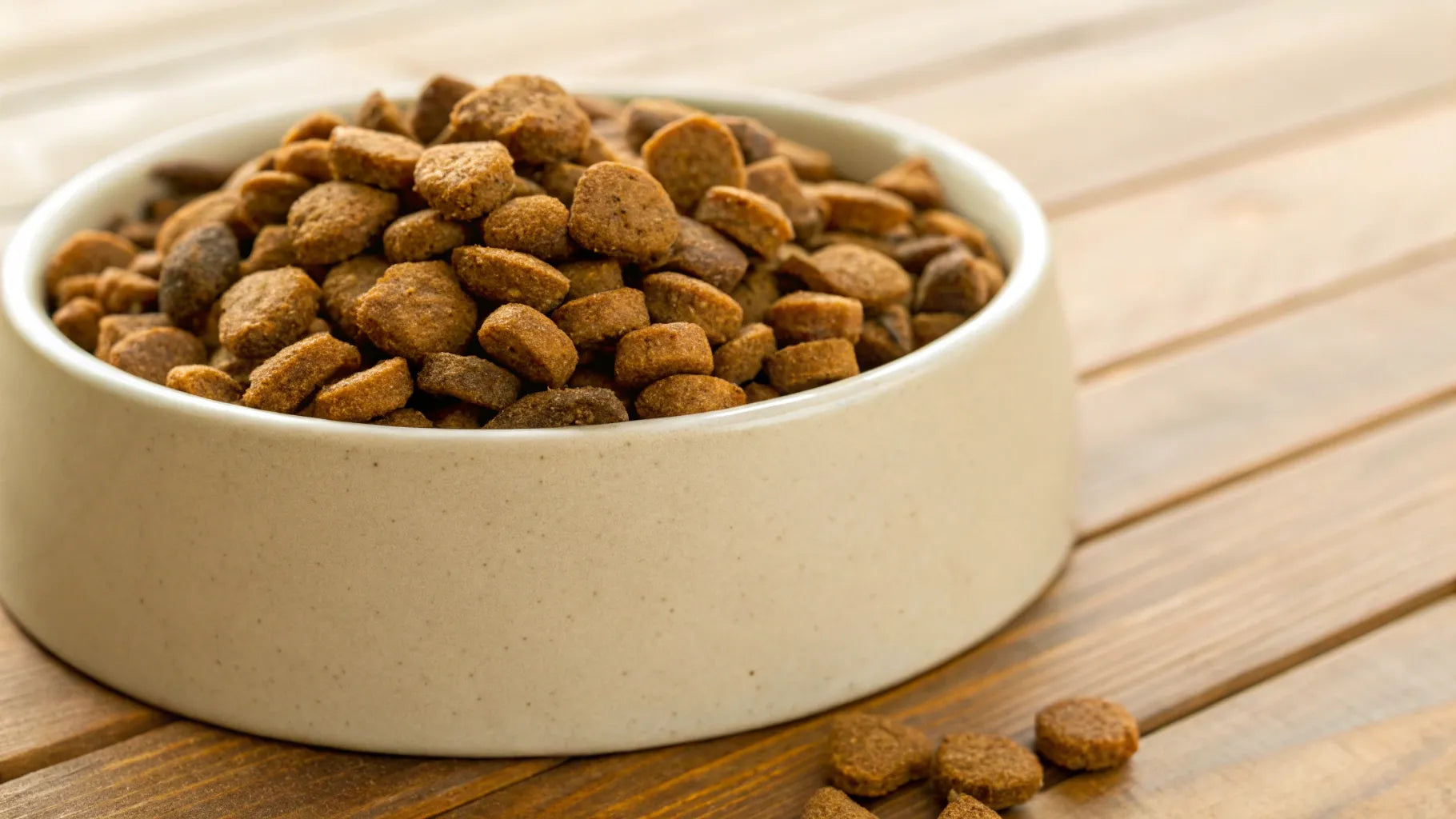
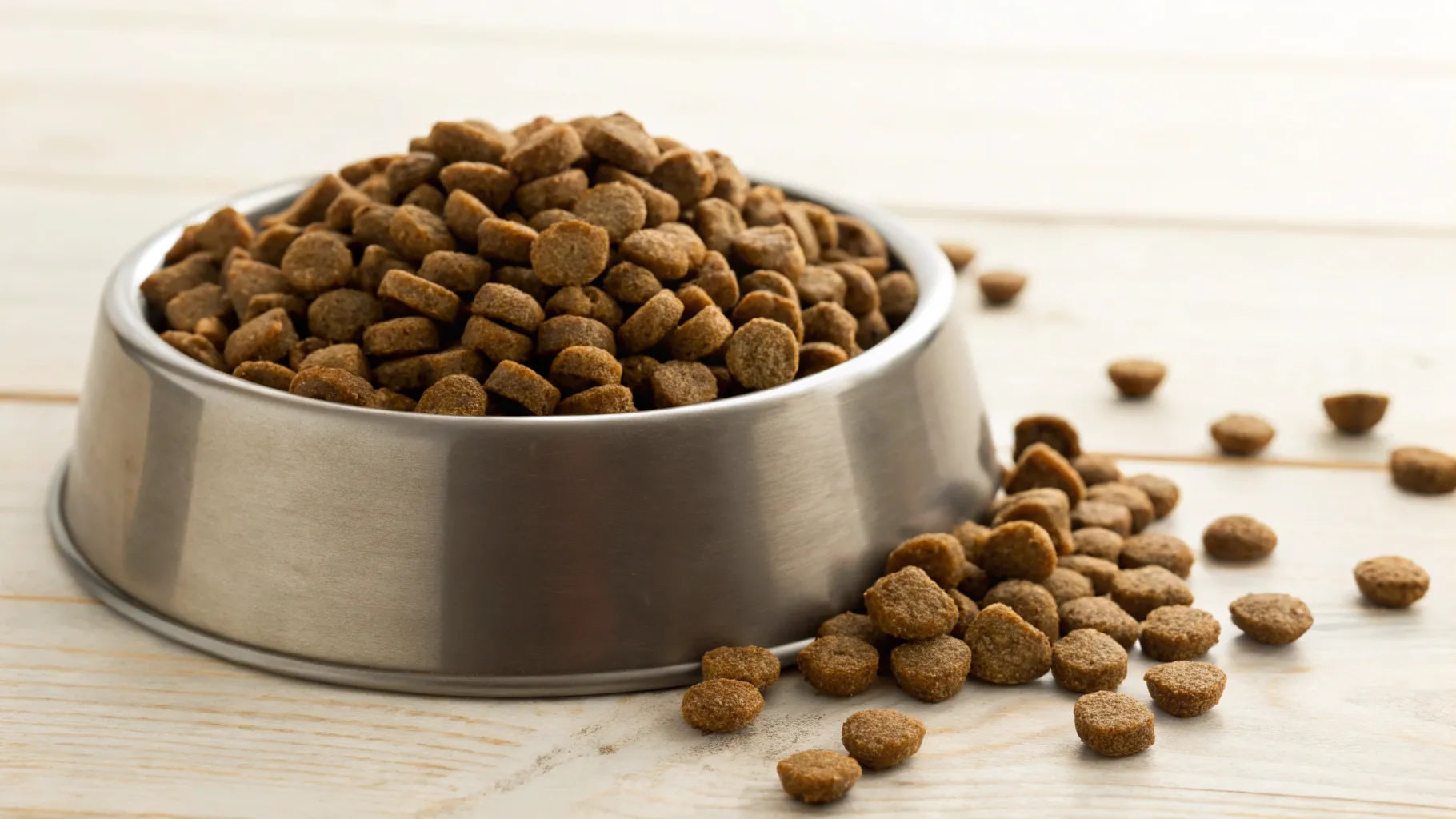
Measuring dry dog food helps keep your large dog healthy and active. Use a standard cup or a kitchen scale for precise portions. Adjust the amount based on your dog’s weight and activity level.
Accurately measuring portions is key to ensuring your large dog stays healthy and happy. Feeding them the right amount of dry dog food can prevent obesity and ensure they get the necessary nutrients. While it might seem straightforward, a little attention to detail can make all the difference in your dog’s well-being.Using Measuring Cups
Using measuring cups is a simple yet effective way to portion your dog’s food. It’s easy to overestimate or underestimate when you’re eyeballing amounts. A standard measuring cup helps maintain consistency and prevents unintentional overfeeding. Have you ever noticed how your dog tends to gain a little extra weight during winter? This might be because their portions were slightly larger without you realizing it. Always keep a measuring cup handy to avoid this.Weighing Food For Precision
If you want to be more precise, consider weighing your dog’s food. A digital kitchen scale can provide exact measurements, ensuring your dog gets the right amount every time. If you’re committed to your dog’s health, this small investment pays off by avoiding health issues related to overfeeding or underfeeding. Weighing food might sound tedious, but it becomes second nature once you make it a habit.Avoiding Overfeeding
Overfeeding can lead to obesity, which is a common issue among large dogs. Being mindful of how much you feed is crucial for maintaining your dog’s ideal weight. Have you ever felt tempted to give your dog an extra scoop because they seemed hungry? Resist the urge. Stick to the recommended portions based on their weight and activity level. Remember, those puppy-dog eyes might be hard to resist, but staying disciplined with portions helps your dog lead a healthier life. How do you ensure your furry friend gets just the right amount of food each day?Feeding Schedule Tips
Setting a proper feeding schedule helps maintain your large dog’s health and energy. A consistent routine supports digestion and prevents overeating. It also makes daily care easier for you.
Number Of Meals Per Day
Adult large dogs usually eat two meals daily. Splitting food into two portions keeps energy levels steady. It also reduces hunger between meals and avoids stomach upset. Some dogs may do well with one meal, but two is best for most.
Timing And Routine
Feed your dog at the same times each day. Regular timing creates a stable routine and helps with digestion. Morning and evening are common feeding times. Avoid feeding right before or after exercise to prevent discomfort.
Adjusting Schedule For Lifestyle
Match feeding times to your daily activities. If you work late, shift the evening meal earlier. Active dogs may need more frequent or larger meals. Less active dogs might require smaller portions or fewer meals. Watch your dog’s energy and weight to adjust properly.
Monitoring Your Dog’s Weight
Keeping a close eye on your large adult dog’s weight is key to feeding the right amount of dry food. Weight monitoring helps you avoid problems like obesity or malnutrition, which can seriously affect your dog’s health and energy levels. By regularly checking your dog’s weight, you can make informed decisions to adjust their diet and keep them in top shape.
Signs Of Healthy Weight
How do you know if your dog is at a healthy weight? Look for these signs:
- Visible Waist:When viewed from above, your dog should have a noticeable waist behind the ribs.
- Ribs Feelable but Not Visible:You should be able to feel the ribs easily without pressing hard, but they shouldn’t stick out.
- Good Energy Levels:A healthy weight usually means your dog moves comfortably and stays active.
Try running your hand along your dog’s sides once a week. Can you feel the ribs without pushing hard? That’s a great starting point.
When To Adjust Food Amount
Noticing your dog gaining or losing weight? It’s time to adjust their food portions. Even small changes in activity or metabolism can affect their weight.
For example, if your dog’s waist starts to disappear and the belly sags, cut back on the food slightly. If your dog’s ribs are hard to feel and energy dips, consider increasing the food.
Remember, changes should be gradual. Sudden big shifts in feeding can upset your dog’s digestion and overall health.
Consulting Your Veterinarian
Sometimes, you need expert advice to fine-tune your dog’s diet. Your veterinarian can help you decide the ideal feeding amount based on your dog’s breed, age, and health.
They can also check for underlying health issues that might affect weight, like thyroid problems or joint pain. Don’t hesitate to schedule a checkup if you’re unsure about your dog’s weight or diet.
Have you ever wondered if your dog’s weight changes mean something more? A vet’s insight can give you peace of mind and keep your dog healthy for years.
Credit: www.houndsy.com
Common Feeding Mistakes
Feeding an adult large dog the right amount of dry food can be tricky. Many dog owners make simple mistakes that affect their pet’s health. These errors can lead to weight gain, digestive problems, or nutrient imbalances. Knowing common feeding mistakes helps keep your dog healthy and happy.
Overfeeding And Obesity
Giving too much dry food causes weight gain. Large dogs need balanced portions based on their size and activity. Extra calories turn into fat quickly. Obesity increases risks of joint pain, diabetes, and heart problems. Measure food carefully and avoid free feeding.
Ignoring Treat Calories
Treats add extra calories that many owners overlook. Small snacks throughout the day add up fast. Treats should be part of the daily calorie limit. Choose low-calorie treats or use pieces of regular dog food. This keeps total intake balanced and prevents weight gain.
Sudden Diet Changes
Switching dog food abruptly can upset your dog’s stomach. It may cause vomiting, diarrhea, or loss of appetite. Introduce new food gradually over 7 to 10 days. Mix increasing amounts of the new food with the old. This helps your dog adjust smoothly without digestive issues.
Credit: www.chewy.com
Frequently Asked Questions
How Much Dry Food Should I Feed My Large Dog Daily?
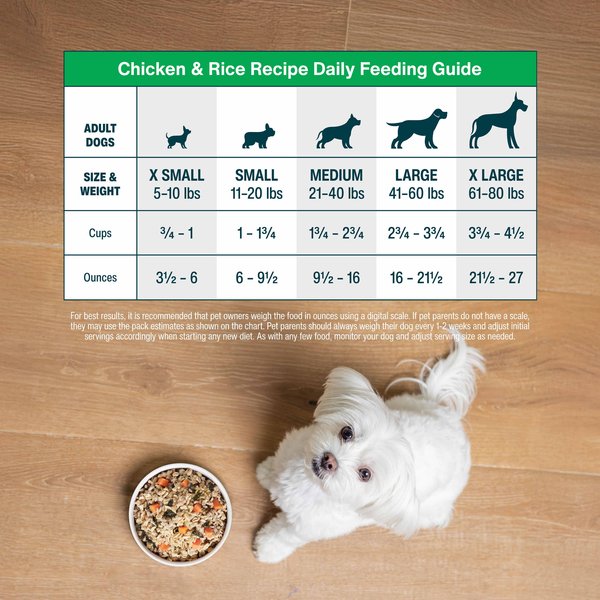
Feed your large dog 3 to 5 cups of dry food daily. Adjust based on activity level, age, and metabolism. Always check the dog food packaging for specific feeding guidelines.
Can Feeding Too Much Dry Food Harm My Large Dog?
Yes, overfeeding can lead to obesity and health problems. Monitor your dog’s weight and adjust portions to maintain a healthy body condition.
How Often Should I Feed Dry Food To A Large Dog?
Feed adult large dogs twice a day, morning and evening. Regular meal times help maintain digestion and energy levels throughout the day.
Should I Adjust Dry Food Portions Based On My Dog’s Activity?
Yes, active dogs require more calories and food. Reduce portions for less active or senior dogs to prevent weight gain.
Conclusion
Feeding the right amount of dry dog food keeps your large dog healthy. Watch their weight and energy to adjust portions. Always check the food label for feeding guidelines. Fresh water should be available at all times. Regular vet visits help track your dog’s health.
Remember, each dog is unique and may need changes. Feeding well supports a happy and active life. Keep meals consistent and balanced for best results. Your dog will thank you with loyalty and love.