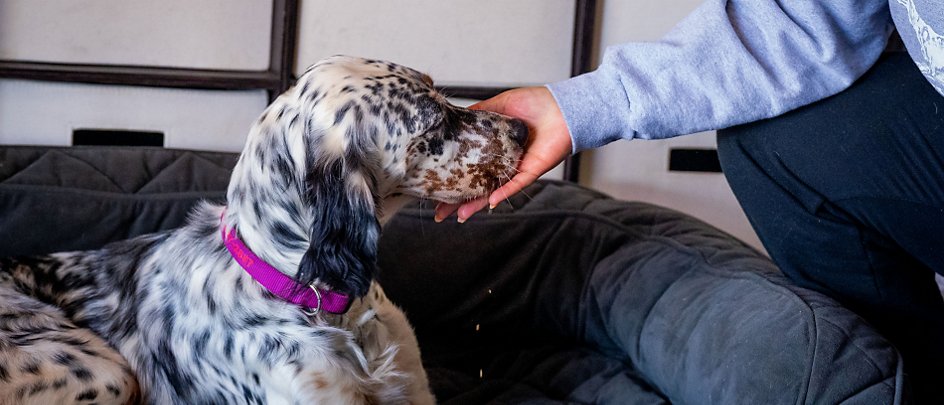

Are you tired of your dog sleeping on your couch or even your bed, making it hard for both of you to get a good night’s rest? Teaching your dog to sleep in their own bed can bring comfort to your furry friend and peace to your home.
But how do you make that happen without frustration? You’ll discover simple, effective steps to help your dog love their own cozy spot. Keep reading, and soon your dog’s bed will be their favorite place to relax.
Choosing The Right Dog Bed
Choosing the right dog bed is key to helping your dog sleep comfortably. A good bed offers support and feels inviting. It creates a special spot your dog loves. The bed should match your dog’s size and sleeping style. Quality materials help keep your dog cozy and safe. Placement of the bed matters too. It should be in a calm and warm area. These factors together encourage your dog to use the bed regularly.
Selecting The Perfect Size
Choose a bed that fits your dog’s size exactly. Your dog should lie down fully stretched without hanging off. Small beds can cause discomfort and restlessness. A bed too large might not feel cozy or safe. Measure your dog from nose to tail and add a few inches. This size helps your dog relax and feel secure.
Picking Comfortable Materials
Soft and durable materials make a bed inviting. Look for options that are easy to clean. Memory foam beds support joints well, especially for older dogs. Cotton and fleece covers offer warmth and softness. Avoid beds with rough or hard surfaces. Breathable fabrics keep your dog cool in warmer weather.
Considering Bed Placement
Place the bed in a quiet, low-traffic area. Dogs prefer spots where they feel safe and undisturbed. Avoid cold or drafty corners. Near a wall or in a cozy nook works well. Keep the bed away from noisy appliances. Good placement encourages your dog to rest peacefully.
Creating A Positive Sleep Environment
Creating a positive sleep environment helps your dog feel safe and comfortable in their bed. A calm and inviting space encourages restful sleep. Small changes can make a big difference in your dog’s bedtime routine.
Establishing A Quiet Space
Choose a calm spot away from noise and foot traffic. Avoid areas near loud appliances or busy hallways. This helps your dog relax without distractions. A quiet space promotes deeper, uninterrupted sleep.
Using Familiar Scents
Place a blanket or toy with your dog’s scent in the bed. Familiar smells create comfort and reduce anxiety. You can also use items with your scent to help your dog feel close to you. This builds trust and calmness at bedtime.
Maintaining Ideal Temperature
Keep the sleeping area neither too hot nor too cold. Dogs sleep best in a moderate temperature. Use fans, heaters, or open windows to maintain comfort. Check the bed regularly to ensure it stays cozy year-round.
Introducing The Bed To Your Dog
Place the dog bed in a quiet, cozy spot to encourage your dog to explore it. Use treats and praise to reward your dog when they lie on the bed, creating a positive connection. Consistency and patience help your dog learn to sleep comfortably in their new bed.
Introducing your dog to their new bed is a crucial step in ensuring they feel comfortable and secure. This process requires patience and understanding, as your dog may initially be cautious or uninterested. By taking a gentle and encouraging approach, you can help your dog associate their bed with comfort and safety.Encouraging Exploration
Allow your dog to sniff and explore the new bed at their own pace. This helps them become familiar with its texture and smell. Position the bed in a quiet, cozy spot where your dog feels safe, perhaps near their favorite resting place. Consider spending some time near the bed to show your dog that it’s a safe space. Sit next to it, maybe with a book or your phone, to demonstrate it’s a relaxed environment. Your calm presence can reassure them that the bed is a good place to be.Using Treats And Toys
Incorporate treats and toys to entice your dog onto the bed. Place a few of their favorite treats on the bed to create positive associations. You might also toss a beloved toy onto the bed to encourage them to jump up and play. Reward your dog with praise and affection when they engage with the bed. This positive reinforcement builds a strong connection between the bed and happy experiences.Avoiding Forced Placement
Resist the urge to force your dog onto the bed. Forcing can create negative associations, making them reluctant to use it later. Instead, gently guide them with treats or toys to encourage voluntary exploration. Observe your dog’s reactions and adapt your approach. If they seem uncomfortable, give them space and try again later. Remember, patience is key in building trust and comfort with their new sleeping spot.Building A Sleep Routine
Creating a sleep routine for your dog is key to helping them feel comfortable and secure in their dog bed. Just like people, dogs thrive on predictability and structure, which can make bedtime smoother for both of you. Building a routine sets clear expectations and helps your dog understand when it’s time to wind down.
Setting Consistent Bedtime
Choose a specific time each night to put your dog to bed. Consistency helps their internal clock adjust, making it easier for them to settle down.
If your dog tends to resist, gently guide them to their bed at the same time, every night. This repetition signals that bedtime isn’t negotiable.
Ask yourself: does your dog get enough activity during the day? Sometimes a lack of physical or mental stimulation can affect their ability to relax at night.
Incorporating Pre-sleep Activities
Introduce calm activities before bedtime to help your dog transition from playtime to rest.
- Short, gentle petting sessions
- Quiet time near their bed with soft talking
- Chewing a safe toy or a special treat
These activities create a signal that sleep is coming, making the bed more inviting.
Consider how your dog responds to these cues—do they settle faster or get restless? Adjust your approach based on what works best.
Reinforcing Calm Behavior
Reward your dog for staying calm in their bed. Positive reinforcement strengthens the habit and encourages your dog to repeat the behavior.
Use soft praise, treats, or gentle strokes when your dog lies quietly in their bed.
Ignore whining or jumping out to avoid reinforcing unwanted behavior. Patience here pays off as your dog learns the difference between calm and restless.
Using Positive Reinforcement
Using positive reinforcement is one of the most effective ways to teach your dog to sleep in their own bed. This approach focuses on encouraging good behavior with rewards, rather than punishing unwanted actions. It helps build a trusting relationship between you and your dog, making training a more enjoyable experience for both of you.
Rewarding Desired Behavior
Whenever your dog chooses to lie down in their bed, immediately give them a treat or praise. This creates a clear connection between the action and the reward in their mind. You can also use a favorite toy or gentle petting as a reward.
Try to be specific with your praise, saying things like “Good bed!” so your dog learns which behavior is appreciated. If your dog isn’t interested at first, try placing tasty treats on the bed to encourage them to explore it voluntarily.
Avoiding Punishment
Never scold or punish your dog if they refuse to sleep in their bed. Punishment can cause fear and confusion, which might make them avoid the bed even more. Instead, calmly guide them back to the bed and reward any small step in the right direction.
If your dog jumps onto your bed or couch, gently lead them back to their own bed without raising your voice. This keeps training positive and helps your dog associate their bed with comfort, not discipline.
Being Patient And Consistent
Training your dog to sleep in a dog bed takes time and steady effort. Dogs learn best when rules and rewards are consistent, so keep a regular routine for bedtime. Don’t get discouraged if your dog doesn’t catch on immediately.
Ask yourself: Are you reinforcing the behavior every time your dog uses their bed? Consistency is key, so celebrate small victories and keep encouraging your dog gently. Your patience will pay off with a happy dog who loves their own sleeping space.

Credit: www.amazon.com
Handling Common Challenges
Training your dog to sleep in its bed can bring comfort to both of you. Challenges may arise during this process. Patience and understanding help overcome these hurdles. Recognizing common issues allows smooth training progress. Here are key challenges and ways to handle them effectively.
Dealing With Bed Resistance
Some dogs resist using their bed at first. They may prefer the floor or a couch. Encourage your dog gently to try the bed. Use treats and praise to create positive feelings.
- Place the bed in a quiet, familiar spot.
- Let the dog explore the bed without pressure.
- Use toys to attract your dog to the bed.
- Reward the dog for any contact with the bed.
Repeat these steps regularly. Gradually, your dog will accept the bed as a cozy spot.
Managing Anxiety Or Discomfort
Some dogs feel anxious or uneasy about new sleeping places. This can cause restlessness or refusal to stay on the bed. Comfort items help reduce anxiety. A favorite blanket or toy works well.
- Keep the training sessions short and calm.
- Speak softly and stay close to reassure your dog.
- Offer gentle petting while your dog is on the bed.
- Consider calming sprays or diffusers if anxiety is strong.
Watch your dog’s reactions. Adjust comfort items as needed to ease fears.
Adjusting Training Techniques
Every dog learns differently. Some respond well to treats, others to play or praise. Change your training style if progress slows. Be flexible and observant.
- Try different rewards like small treats or favorite toys.
- Use a calm voice or cheerful tone to encourage.
- Shorten or lengthen training sessions based on attention span.
- Involve family members to keep training consistent.
Adapt your approach to fit your dog’s personality. Consistency helps build good habits over time.
Maintaining The Dog Bed
Maintaining your dog’s bed keeps it inviting and comfortable. A clean, fresh bed helps your dog feel safe and relaxed. Regular care also extends the bed’s life. Simple steps can make a big difference.
Regular Cleaning Tips
Vacuum the bed often to remove hair and dirt. Wash removable covers weekly in warm water. Use mild detergent to avoid skin irritation. Dry the bed completely before use to stop mold. Spot clean stains quickly with a damp cloth.
Replacing Worn Out Beds
Check the bed for flat or torn areas. Replace it when padding loses shape or support. Old beds can cause discomfort and joint pain. Choose a new bed that fits your dog’s size. Look for durable materials that last longer.
Ensuring Long-term Comfort
- Place the bed in a quiet, draft-free spot.
- Use blankets or cushions for extra softness.
- Rotate the bed to keep wear even.
- Inspect the bed monthly for damage or dirt.
- Encourage your dog to use the bed daily.

Credit: www.businessinsider.com

Credit: www.youtube.com
Frequently Asked Questions
How To Introduce A Dog Bed To My Dog?
Start by placing the bed in a quiet, familiar area. Encourage your dog with treats and praise. Let them explore the bed without force. Consistent positive reinforcement helps your dog associate the bed with comfort and safety.
How Long Does It Take To Train A Dog To Sleep In Bed?
Training varies but usually takes 1 to 2 weeks. Consistency and patience are key. Daily short sessions with rewards speed up learning. Avoid punishment to ensure positive associations with the bed.
What Rewards Work Best For Dog Bed Training?
Use small, tasty treats your dog loves. Praise and gentle petting also motivate. Toys or playtime can be effective rewards. Reward immediately when your dog uses the bed to reinforce behavior.
How To Handle A Dog That Refuses To Use Bed?
Avoid forcing your dog onto the bed. Make the bed more appealing with blankets or toys. Use treats to lure your dog onto the bed. Be patient and consistent with positive reinforcement.
Conclusion
Training your dog to sleep in their bed takes time and patience. Be consistent with your commands and rewards. Make the bed comfortable and inviting for your pet. Praise your dog when they use their bed. Avoid forcing them; gentle encouragement works best.
Small steps lead to big progress. Soon, your dog will enjoy their own cozy space. A good sleep spot helps your dog feel safe and happy. Keep practicing daily, and success will follow naturally.