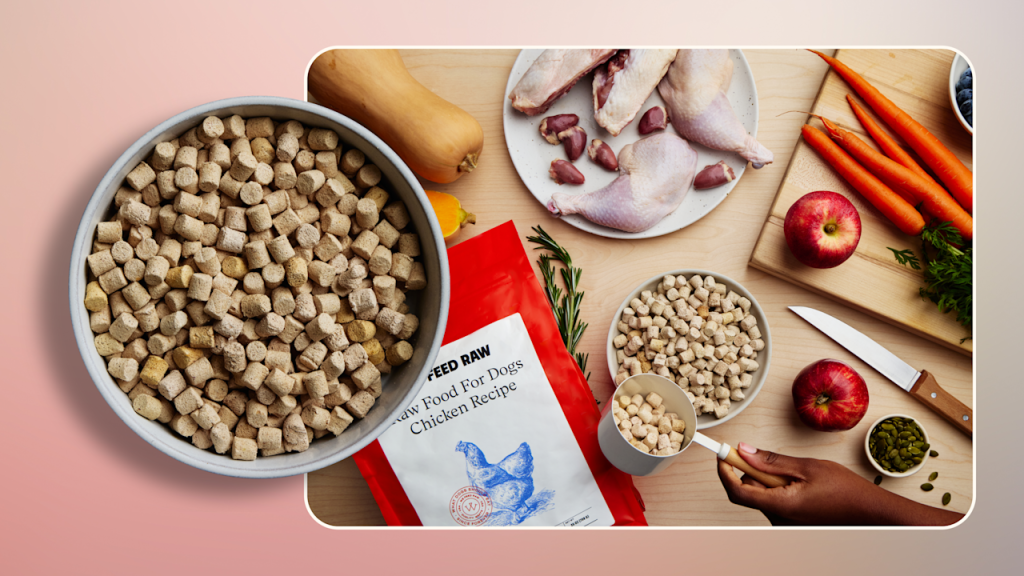

Are you curious about feeding your dog something different, something closer to what nature intended? A raw food diet for dogs might be exactly what you’re looking for.
It’s not just a trend—it’s a way to boost your dog’s health, energy, and happiness. But what does it really mean to feed your dog raw food? And is it safe for your furry friend? Keep reading, because understanding this diet could change the way you care for your dog forever.
Raw Food Diet Basics
A raw food diet for dogs focuses on feeding them uncooked, natural ingredients. This diet aims to mimic what dogs ate in the wild. It includes fresh meat, bones, and organs. Many dog owners choose this diet to improve their pet’s health and energy levels.
Understanding the basics helps you make better choices for your dog’s nutrition. It is important to know the types of raw diets and the common ingredients used. This knowledge ensures a balanced and safe diet for your dog.
Types Of Raw Diets
- Prey Model Diet:Focuses on whole prey animals, like rabbits or chickens.
- Biologically Appropriate Raw Food (BARF):Combines raw meat, bones, vegetables, and fruits.
- Commercial Raw Diets:Ready-made raw meals available in stores.
- Home-Prepared Raw Diets:Customized meals made from raw ingredients at home.
Typical Ingredients
- Raw muscle meat from beef, chicken, or lamb.
- Edible bones for calcium and dental health.
- Organ meats like liver and kidney for vitamins.
- Vegetables such as carrots and spinach for fiber.
- Small amounts of fruits like apples or blueberries.
- Supplements like fish oil for omega fatty acids.

Credit: gorawpetfood.com
Benefits For Dogs
A raw food diet offers many benefits for dogs. It focuses on natural, unprocessed ingredients. These foods provide essential nutrients in their purest form. Dogs often show positive changes in health and behavior.
Switching to raw food can improve digestion, boost energy, and enhance skin health. It can also help maintain a healthy weight. Many pet owners notice their dogs feel happier and more active.
Improved Digestion
Raw food is easier for dogs to digest. It contains natural enzymes that support gut health. These enzymes help break down food efficiently. A healthy gut means fewer stomach issues and better nutrient absorption. Dogs often have firmer, healthier stools.
Healthier Coat And Skin
Raw diets provide essential fatty acids and vitamins. These nutrients improve skin hydration and coat shine. Dogs may have less itching and dryness. Their fur looks soft, thick, and glossy. Healthy skin reduces the chance of infections.
Increased Energy Levels
Raw food fuels dogs with high-quality protein and fats. These nutrients provide steady energy throughout the day. Dogs on raw diets often show more playfulness and alertness. Better energy supports overall well-being and activity.
Weight Management
Raw food helps dogs maintain a healthy weight naturally. It contains fewer fillers and carbohydrates. This reduces the risk of obesity and related health problems. Dogs feel full and satisfied without overeating. Weight control supports joint health and longevity.
Potential Risks
Feeding your dog a raw food diet comes with potential risks. While many believe in its benefits, understanding these risks is crucial. Let’s explore some concerns associated with this diet.
Nutritional Imbalance
A raw food diet might not meet all your dog’s nutritional needs. Dogs require a balanced mix of proteins, fats, vitamins, and minerals. Preparing a raw diet at home can lead to mistakes in nutrient balance. This can cause deficiencies or excesses, affecting your dog’s health over time.
Bacterial Contamination
Raw meat can harbor harmful bacteria like Salmonella and E. coli. These pathogens pose a risk to both dogs and humans. Proper handling and hygiene are essential to minimize contamination. Consuming contaminated food can lead to serious infections in dogs and their families.
Choking Hazards
Bones are a common component of raw diets but can be dangerous. Dogs might choke on small or sharp bones. Some bones can splinter, causing internal injuries. Always supervise your dog when feeding bones to prevent accidents.
Cost Considerations
Raw diets can be expensive compared to commercial dog food. High-quality meats and supplements can add up quickly. Budgeting for this diet is important to ensure you can maintain it long-term. Ensure you have the resources to provide a consistent raw diet for your pet.
Preparing Raw Meals Safely
Preparing raw meals safely for your dog is essential to keep them healthy and happy. Handling raw ingredients with care reduces the risk of harmful bacteria and ensures your pet enjoys nutritious food. Let’s look at how you can confidently prepare raw meals without worry.
Choosing Quality Ingredients
Start with fresh, high-quality meats from trusted sources. Look for organic or grass-fed options when possible, as they tend to have fewer additives and contaminants.
Don’t forget to include a variety of protein sources like chicken, beef, and fish to provide balanced nutrition. Also, include fresh vegetables and safe fruits to boost vitamins and minerals.
Ask yourself: Are you buying from suppliers who follow strict hygiene standards? Your dog’s health depends on this choice.
Proper Storage Techniques
Store raw ingredients in sealed containers to prevent cross-contamination in your fridge or freezer. Use separate drawers or shelves for raw dog food and human food.
Freeze portions you won’t use immediately to keep them fresh longer. Always thaw meals in the fridge, not on the counter, to avoid bacterial growth.
Do you have a system to track how long ingredients have been stored? Keeping a simple log can save your dog from eating spoiled food.
Hygiene Practices
Wash your hands thoroughly before and after handling raw ingredients. This simple step stops bacteria from spreading to surfaces or your pet.
Clean all utensils, cutting boards, and bowls with hot, soapy water after each use. Avoid using the same tools for raw dog food and your family’s meals.
Consider dedicating a specific area in your kitchen for preparing your dog’s food. This keeps everything organized and reduces contamination risks.
Transitioning Your Dog
Switching your dog to a raw food diet is a big change, and it needs careful attention. Dogs are creatures of habit, so sudden shifts in their diet can cause upset stomachs or refusal to eat. Taking your time and watching how your dog reacts can make this transition smoother and healthier.
Gradual Introduction
Start by mixing a small amount of raw food with your dog’s current diet. A good way is to replace 10-20% of their regular food with raw options at first.
Over one to two weeks, slowly increase the portion of raw food while decreasing the old food. This helps your dog’s digestive system adjust without stress.
Have you noticed your dog sniffing or turning away from new food? That’s normal. Sometimes, offering raw food in smaller, more frequent meals encourages acceptance.
Monitoring Health
Keep a close eye on your dog’s stool, energy levels, and overall behavior during the switch. Changes in poop consistency or frequency can signal digestive issues.
Energy dips or unusual lethargy might mean your dog isn’t getting enough nutrients yet. Don’t hesitate to consult your vet if you spot anything worrying.
Jotting down daily observations can help you track progress and share accurate info with your vet.
Adjusting Portions
Raw food often has different calorie density compared to commercial kibble. Start with recommended amounts based on your dog’s weight and activity level.
If your dog gains too much weight or seems hungry all the time, tweak the portions accordingly. Feeding too much or too little can both cause problems.
Remember, every dog is unique. What works for one may need adjustment for yours.

Credit: micromed.org.nz
Consulting Your Veterinarian
Switching your dog to a raw food diet can bring many benefits, but it’s essential to proceed carefully. Consulting your veterinarian is a critical step before making any major changes to your dog’s nutrition. Your vet’s guidance ensures that your dog’s health stays on track and that the diet fits their unique needs.
Health Assessments
Before starting a raw food diet, your vet will likely perform a thorough health assessment. This may include blood tests, checking for allergies, and evaluating your dog’s overall condition. Such tests help identify any underlying issues that could be affected by diet changes.
Knowing your dog’s current health status prevents potential problems. For example, dogs with kidney or liver issues might need special dietary adjustments. Have you ever thought about how a raw diet might impact these organs?
Customized Diet Plans
Every dog is different, and a raw food diet isn’t one-size-fits-all. Your veterinarian can help design a plan tailored to your dog’s age, breed, activity level, and health concerns. This customized approach reduces risks and maximizes benefits.
These plans often include specific types and amounts of meat, bones, and vegetables. Your vet might also suggest supplements to fill any nutritional gaps. Would you feel confident preparing your dog’s meals without expert input?

Credit: wefeedraw.com
Frequently Asked Questions
What Is A Raw Food Diet For Dogs?
A raw food diet for dogs includes uncooked meat, bones, fruits, and vegetables. It mimics their ancestral eating habits and aims to improve health naturally.
Are Raw Food Diets Safe For Dogs?
Raw diets can be safe if properly balanced and hygienically prepared. Consult a vet to avoid nutritional deficiencies and bacterial risks.
What Are The Benefits Of A Raw Food Diet?
Raw diets may boost energy, improve coat shine, and support digestion. They often reduce allergies and promote healthier teeth and gums.
How To Transition A Dog To A Raw Diet?
Gradually introduce raw foods over 7-10 days. Mix with current diet to avoid digestive upset and ensure smooth adaptation.
Conclusion
A raw food diet for dogs means feeding them uncooked, natural foods. Many owners choose it to give their pets fresh nutrients. It can help improve coat shine and energy levels. Always talk to a vet before changing your dog’s diet.
Balance and safety matter most for your dog’s health. Feeding raw takes care and planning, but it can be rewarding. Think about your dog’s needs and lifestyle first. This diet is not for every dog, but it suits some well.
Keep learning and watch your dog’s reaction closely.
