

Are you looking for the perfect guide to help you train your dog effectively? Finding the right “How to Train Dog Book” can make all the difference in building a strong bond with your furry friend.
Whether your dog is a playful puppy or an older companion, the right training approach will bring out the best behavior and create harmony in your home. You’ll discover what to look for in a training book and how it can simplify your training process, saving you time and frustration.
Keep reading to unlock the secrets to transforming your dog into a well-behaved and happy member of your family.

Credit: www.amazon.com
Choosing The Right Training Book
Choosing the right training book makes a big difference in your dog’s learning. A good book guides you clearly and suits your dog’s needs. It helps you teach your dog in a friendly and effective way.
Many books teach dog training, but not all fit every owner or dog. Consider your dog’s age, breed, and behavior. Think about your training style and how much time you can spend. A good book matches these factors and helps you stay patient and consistent.
Factors To Consider
- Author’s experience with dog training
- Clear and simple language
- Step-by-step instructions
- Focus on positive reinforcement
- Training methods that suit your dog’s personality
- Tips for common behavior problems
- Visual aids like photos or diagrams
- Realistic training goals and timelines
Top Recommended Books
| Book Title | Author | Best For |
|---|---|---|
| The Art of Raising a Puppy | Monks of New Skete | New puppy owners |
| Training the Best Dog Ever | Zak George | Positive reinforcement lovers |
| Don’t Shoot the Dog! | Karen Pryor | Behavior problem solutions |
| Perfect Puppy in 7 Days | Dr. Sophia Yin | Quick, effective training |
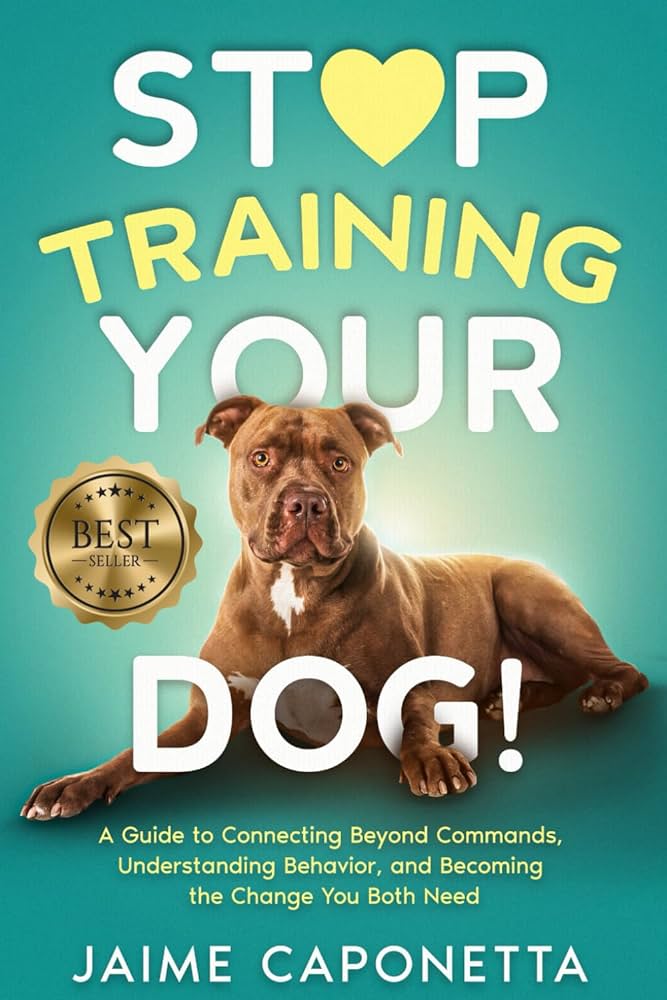
Credit: www.amazon.com
Basic Training Principles
Training your dog effectively starts with mastering a few basic principles. These principles shape how your dog understands and responds to your commands. Getting them right will save you time and frustration, making training a positive experience for both you and your dog.
Positive Reinforcement
Dogs learn best when they associate good behavior with rewards. Use treats, praise, or playtime to reward your dog immediately after they do something right. This helps your dog connect the action with something pleasant, encouraging them to repeat it.
Think about the last time you received a compliment or a gift for doing something well. That positive feeling makes you want to do it again. Your dog works the same way. Avoid punishment, as it can create fear and confusion instead of understanding.
Consistency And Patience
Consistency is key in training. Use the same words and gestures every time you give a command. If you say “sit” one day and “sit down” the next, your dog might get confused.
Patience is just as important. Some dogs learn quickly, others take time. If your dog doesn’t get it right away, don’t get frustrated. Keep practicing calmly and celebrate small progress.
Timing And Rewards
Timing your rewards correctly is crucial. Give your dog a treat or praise immediately after the desired behavior. Even a few seconds’ delay can make the dog miss the connection between the action and the reward.
Try to observe your dog’s natural behavior and reward it to encourage good habits. For example, if your dog sits calmly before a walk, reward that calmness. This way, you teach your dog what you want without saying a word.
Essential Commands To Teach
Training your dog involves teaching essential commands like sit, stay, and come. Clear instructions build a strong bond and ensure safety. Simple commands help in everyday situations, making life with your furry friend easier and more enjoyable.
Training your dog can feel like an overwhelming task, but focusing on a few essential commands can make it manageable and fun. These foundational commands serve as the building blocks for good behavior and a strong bond between you and your furry friend. Let’s dive into some key commands that every well-behaved dog should know.Sit And Stay
Teaching your dog to “sit” is often the first step in any training journey. It’s simple but powerful. Use a treat to guide your dog’s nose upward, which naturally causes their bottom to lower into a sitting position. Praise immediately once they sit. “Stay” builds on this by teaching patience. Once your dog is sitting, hold your palm out and say “stay”. Take a step back, and if your dog remains seated, reward them. Gradually increase the distance and time they stay put. Consistency is key here.Come And Heel
“Come” is a lifesaver, literally. Imagine your dog running towards a busy street. Calling them back with “come” can prevent disaster. Start with a leash in a distraction-free environment. Say “come” in a cheerful tone and reward them with treats when they return. “Heel” keeps walks pleasant. With your dog on a leash, say “heel” and keep treats at knee height to encourage them to stay by your side. Practice in short bursts to keep their attention focused.Leave It And Drop It
“Leave it” is crucial for avoiding dangerous situations. Whether it’s a chicken bone or a stranger’s picnic, you want your dog to listen. Hold a treat in your closed hand and say “leave it”. Reward them the moment they stop trying to get the treat. “Drop it” is useful when your dog picks up something they shouldn’t. Use a trade-off method by offering a treat in exchange for the item in their mouth. This command is especially helpful during playtime with toys. By focusing on these essential commands, you not only teach your dog obedience but also enhance your relationship. What other commands have you found helpful in training your dog?Housebreaking Tips
Housebreaking a dog takes patience and consistency. It helps your dog learn where to go potty. Clear guidance and a steady plan make training easier. This section shares simple tips to guide your dog in the house.
Crate Training
Crate training creates a safe space for your dog. Dogs avoid soiling their sleeping area. Use a crate that fits your dog comfortably. Keep the crate near family activity to reduce anxiety. Let your dog explore the crate with treats and toys. Close the door for short times and praise calm behavior. Gradually increase crate time during the day. This builds good bathroom habits and reduces accidents.
Establishing A Routine
Dogs learn best with a regular schedule. Take your dog outside at consistent times daily. Common times include after meals, naps, and play. Use the same door and spot for potty breaks. Praise and reward your dog immediately after they go outside. Routine helps your dog expect bathroom breaks and control urges. Keep walks short but frequent, especially for puppies.
Handling Accidents
Accidents happen; stay calm and patient. Do not punish your dog. Clean accidents with an enzyme cleaner to remove smell. This prevents repeat accidents in the same place. Watch your dog’s signals like sniffing or circling. Quickly take your dog outside if you see these signs. Reward your dog when they go in the right spot. Consistency helps your dog learn the right behavior.
Socializing Your Puppy
Socializing your puppy is a key part of training. It helps your dog grow confident and friendly. Early socialization reduces fear and aggression. Puppies learn how to behave around others. This makes life easier for both you and your pet.
Introducing New People
Let your puppy meet many people of all ages. Use calm voices and gentle touches. Watch your puppy’s body language closely. Praise calm and friendly behavior with treats or pets. Avoid forcing your puppy to meet someone. Give your dog time to feel safe and comfortable.
Meeting Other Dogs
Arrange playdates with well-behaved dogs. Choose dogs that are calm and friendly. Keep the first meetings short and supervised. Look for signs of stress in your puppy. Reward positive interactions with treats or praise. Avoid crowded dog parks at first. Gradually increase time spent with other dogs.
Exposure To Different Environments
Take your puppy to various places early on. Visit parks, busy streets, and quiet spots. Let your puppy explore new sights, sounds, and smells. Carry treats to reward calm behavior. Change the routes and locations often. This helps your puppy adapt to new surroundings easily.
Addressing Common Behavior Problems
Addressing common behavior problems is key to a happy dog and owner. These problems can cause stress and frustration for both. Understanding the reasons behind the behaviors helps improve training success. Patience and consistency are essential. Training books often offer clear advice to tackle these issues effectively.
Biting And Chewing
Puppies explore the world by biting and chewing. It is normal but needs control. Redirect their attention to safe toys. Avoid using hands as chew objects. Praise your dog when they chew toys. Teach bite inhibition by gently stopping play if biting hurts. Consistent training reduces unwanted biting habits.
Excessive Barking
Barking is a dog’s way to communicate. Excessive barking can annoy neighbors and owners. Identify the cause: boredom, fear, or attention seeking. Provide enough exercise and mental stimulation. Teach a quiet command using treats as rewards. Avoid yelling, as it may worsen barking. Calm and firm responses work best.
Separation Anxiety
Separation anxiety causes dogs to feel stressed alone. Signs include whining, pacing, and destructive behavior. Create a safe space with toys and a comfortable bed. Practice short departures and gradually increase time away. Use calming aids like soft music or pheromone sprays. Consistent routines help dogs feel secure when alone.
Advanced Training Techniques
Advanced training techniques take your dog’s skills beyond basic commands. They challenge your dog mentally and physically, strengthening your bond and improving behavior. These methods require patience and consistency but offer rewarding results that simple training often misses.
Clicker Training
Clicker training uses a small device that makes a distinct sound to mark desired behaviors. This clear signal helps your dog understand exactly when they’ve done something right.
You pair the click with a treat, so your dog learns to connect the sound with a reward. This method speeds up learning and reduces confusion.
Have you noticed how your dog reacts to sudden sounds? Using a clicker can turn that reaction into a powerful learning tool.
Agility And Obedience
Agility training combines physical exercise with obedience commands, pushing your dog to navigate obstacles while staying focused on you.
This type of training improves your dog’s coordination and listening skills. It also provides an outlet for high-energy dogs that might otherwise become bored or destructive.
Try setting up a simple course in your backyard with cones, tunnels, and jumps. Notice how your dog’s confidence grows with each run.
Training For Special Needs
Dogs with physical or cognitive challenges need customized training approaches that respect their limits and highlight their strengths.
For example, a dog with hearing loss can learn hand signals instead of verbal commands. Positive reinforcement remains key, but the tools you use will vary.
Have you ever adapted a training method to fit your dog’s unique needs? This flexibility can make all the difference in their progress and happiness.
Maintaining Training Progress
Maintaining training progress with your dog is just as important as the initial teaching. Without ongoing effort, even the best-trained dogs can slip back into old habits. Staying consistent keeps your dog sharp and responsive, making daily life smoother for both of you.
Regular Practice
Training isn’t a one-time event; it’s a daily routine. Set aside short, focused sessions every day to review commands your dog has learned. Even 5 to 10 minutes can make a big difference in keeping their skills fresh.
Try mixing training into your walks or playtime. This keeps practice fun and natural. Have you noticed how your dog learns faster when training feels like a game instead of a chore?
Reinforcing Good Behavior
Positive reinforcement helps your dog understand which behaviors you want to see more of. Use treats, praise, or play as rewards immediately after your dog follows a command correctly.
Consistency matters here too. If you sometimes ignore good behavior, your dog might get confused about what you expect. Have you found that your dog repeats behaviors that earn your attention the most?
Adjusting Techniques As Puppy Grows
As your puppy grows, their needs and understanding change. Techniques that worked at 8 weeks might not be effective at 6 months. Be ready to adapt your training approach to match their development.
For example, younger puppies benefit from very short sessions and lots of repetition, while older dogs can handle more complex commands and longer focus times. Watching your dog’s cues can help you decide when it’s time to shift gears.
Resources For Continued Learning
Learning to train your dog is an ongoing journey that doesn’t end with a single book. To keep improving your skills and deepen your understanding, you need access to diverse and reliable resources. These tools help you stay updated on new techniques and adapt your training to your dog’s unique personality and needs.
Online Courses And Videos
Online courses offer structured lessons that you can follow at your own pace. Many platforms provide step-by-step video tutorials that show you exactly how to teach commands and handle common behavior issues.
You might find courses that include live Q&A sessions with trainers, which is a great way to get personalized advice. Watching videos repeatedly helps you catch subtle details that you might miss in a book.
Local Training Classes
Joining a class near you brings the advantage of hands-on practice with professional guidance. Trainers can observe your technique and your dog’s reactions, offering immediate feedback that you can’t get from videos alone.
Classes also expose your dog to social situations, which is crucial for learning proper behavior around others. Have you noticed how your dog responds differently when other dogs are around? Local classes help you manage these real-life scenarios effectively.
Community Support Groups
Connecting with other dog owners creates a support network where you can share successes and challenges. You learn from their experiences and get encouragement when training feels tough.
Many communities have online forums or social media groups dedicated to dog training. These spaces often feature tips, recommended resources, and even meetups that keep you motivated and engaged.
Credit: www.walmart.com
Frequently Asked Questions
What Are The Basics Covered In A Dog Training Book?
A dog training book covers obedience commands, behavior correction, and socialization tips. It helps owners build trust and communication with their dogs effectively.
How Long Does It Take To Train A Dog Using A Book?
Training time varies by dog’s age, breed, and consistency. Generally, basic commands take a few weeks with daily practice and patience.
Can Beginners Use A Dog Training Book Effectively?
Yes, most dog training books are designed for beginners. They provide step-by-step guidance and easy techniques suitable for all experience levels.
What Are Common Mistakes To Avoid In Dog Training?
Common mistakes include inconsistency, punishment, and lack of patience. A good book highlights these to ensure positive and successful training outcomes.
Conclusion
Training your dog starts with patience and clear steps. A good dog training book guides you well. It teaches simple commands and builds trust. Regular practice helps your dog learn faster. Enjoy the process and celebrate small wins. Training creates a happy bond between you and your pet.
Keep sessions short and fun to stay motivated. Soon, your dog will behave better and feel loved. Remember, every dog learns at its own pace. Stay calm, consistent, and enjoy the journey together.