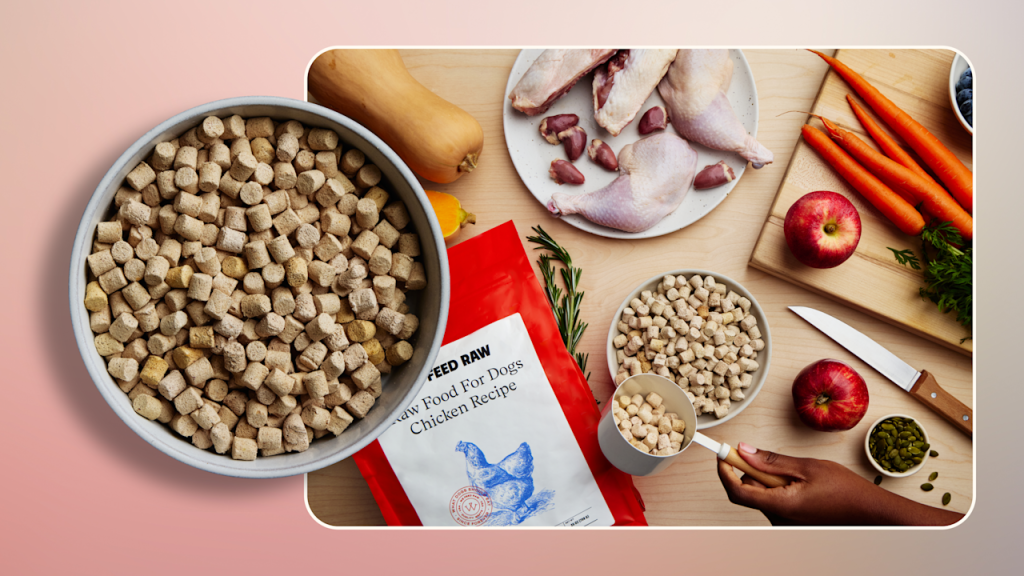

Are you feeding your dog a raw food diet but wondering if it’s truly complete? You want to give your furry friend the best nutrition possible, but raw meals alone might miss some key nutrients your dog needs to thrive.
Adding the right ingredients can make a huge difference in your dog’s energy, coat, and overall health. You’ll discover exactly what to add to raw food for dogs to keep your pet happy and strong. Keep reading to unlock simple tips that can transform your dog’s meals and boost their well-being.

Credit: gorawpetfood.com
Essential Nutrients For Raw Diets
A raw diet can be very healthy for dogs, but it must have the right nutrients. Dogs need balanced meals to stay strong and active. Essential nutrients support their muscles, bones, skin, and overall health. This section explains the key nutrients to include in a raw food diet.
Proteins And Amino Acids
Proteins are the building blocks of a dog’s body. They help build muscles, repair tissues, and support the immune system. Raw diets should contain high-quality animal proteins like:
- Chicken
- Beef
- Lamb
- Fish
- Eggs
Amino acids from these proteins are vital. Dogs cannot make all amino acids themselves. Essential amino acids must come from their food. Including a variety of meats ensures all amino acids are covered.
Healthy Fats
Fats provide energy and help absorb vitamins. They keep a dog’s coat shiny and skin healthy. Omega-3 and omega-6 fatty acids are important types to include. Sources of healthy fats include:
- Fish oil
- Flaxseed oil
- Chicken fat
- Beef fat
Balanced fats improve brain function and reduce inflammation in the body.
Vitamins And Minerals
Vitamins and minerals support many body functions. They help with bone strength, blood health, and nerve function. Some key vitamins and minerals to add to a raw diet are:
| Vitamin/Mineral | Benefits | Sources |
|---|---|---|
| Calcium | Strong bones and teeth | Ground bones, eggshells |
| Vitamin A | Good vision and skin health | Liver, fish oil |
| Zinc | Immune support and wound healing | Meat, eggs |
| Vitamin E | Antioxidant and skin care | Vegetable oils, leafy greens |
Fresh vegetables and organs are great natural sources. Supplements can help meet all nutrient needs.

Credit: wefeedraw.com
Bone And Cartilage Benefits
Adding bone and cartilage to your dog’s raw food diet offers essential benefits that go beyond just taste. These natural ingredients provide vital nutrients that support strong teeth, healthy joints, and overall bone strength. If you’ve ever wondered why raw feeders emphasize bones so much, the answer lies in their unique nutritional profile and the way they contribute to your dog’s well-being.
Types Of Bones To Include
Not all bones are safe or beneficial for your dog. You want to focus on raw, edible bones that are soft enough to chew but sturdy enough to provide nutrients. Common choices include:
- Chicken necks and wings:Small and easy to digest, great for calcium.
- Turkey necks:Slightly larger, excellent for chewing and cartilage.
- Beef knuckle bones:Rich in marrow and offer joint-supporting nutrients.
- Rabbit bones:Lightweight and packed with minerals.
Always avoid cooked bones, as they can splinter and harm your dog’s digestive tract. Watching your dog chew on these bones can also be a great way to keep them entertained and mentally stimulated.
Calcium And Phosphorus Balance
Bone provides a natural source of calcium and phosphorus, two minerals crucial for your dog’s health. The right balance between these minerals supports strong bones and teeth, muscle function, and nerve signaling.
A typical ratio of calcium to phosphorus in a dog’s diet is about 1.2:1 to 1.4:1. Feeding bones helps maintain this balance naturally, reducing the need for supplements. If you skip bones, have you considered how you’ll ensure your dog gets enough calcium?
Keep in mind, too much bone can lead to constipation, while too little can cause deficiencies. Monitor your dog’s stool and overall health to find the right amount that works for them.
Vegetables And Fruits To Add
Fresh vegetables like carrots, spinach, and green beans provide vitamins and fiber for dogs. Fruits such as apples and blueberries add natural sweetness and antioxidants to their raw diet. These healthy additions support digestion and overall well-being.
Adding vegetables and fruits to your dog’s raw food diet can enhance the nutrition they receive, much like adding some zest to a bland meal. You might wonder which fruits and veggies are best for your furry friend. It’s vital to choose options that are not only safe but also beneficial to their health.Safe Veggies For Dogs
Certain vegetables can be a great addition to your dog’s raw diet, providing essential vitamins and fiber. Carrots are a popular choice, full of beta-carotene which supports eye health. Green beans are another safe option, low in calories and high in fiber. They can be a crunchy treat that helps your dog feel full. Broccoli should be given in moderation, as too much can cause gas. But when offered in small amounts, it provides plenty of vitamin C. Spinach is a powerhouse of nutrients but should be limited due to its oxalate content, which can interfere with calcium absorption.Fruits That Support Immunity
Fruits can be a delicious and nutritious addition to your dog’s meals. Blueberries, for example, are small but mighty, packed with antioxidants that support immune health. They’re easy to add to any meal or serve as a treat. Apples are another great choice, offering fiber and vitamins A and C. Just be sure to remove the seeds and core. Bananas are a fantastic source of potassium and can be mashed into their food for a sweet twist. However, due to their sugar content, they should be given in moderation. Have you ever tried offering your dog a piece of watermelon? It’s a hydrating treat perfect for hot days, just remember to remove the seeds and rind. What fruits and veggies have you tried with your dog? Adding a little variety can make meal times exciting and nutritious for them.Supplements To Enhance Nutrition
Adding supplements to your dog’s raw food can dramatically improve their overall health. These extras fill nutritional gaps that raw diets might miss and support your dog’s well-being in targeted ways. Let’s look at some powerful supplements that can make a real difference.
Omega-3 Fatty Acids
Omega-3 fatty acids are essential for a shiny coat, healthy skin, and strong joints. Fish oil, especially from salmon or sardines, is a popular source. You can also use flaxseed oil if your dog has fish allergies, but it’s less effective in converting to the needed EPA and DHA forms.
Adding just a small amount daily can reduce inflammation and support brain function. Have you noticed your dog’s energy levels or mood improve after adding omega-3s?
Probiotics And Digestive Enzymes
Probiotics help balance your dog’s gut bacteria, which is crucial for good digestion and immune health. You can find probiotic powders or capsules designed specifically for dogs. Adding them to meals can reduce gas, diarrhea, and promote nutrient absorption.
Digestive enzymes break down food efficiently, which is especially helpful if your dog struggles with raw food digestion. Look for enzyme blends containing protease, amylase, and lipase. These can make a noticeable difference in your dog’s digestion and comfort.
Herbs And Natural Boosters
Certain herbs provide natural health benefits without chemicals. For example, turmeric has anti-inflammatory properties, while parsley can freshen breath and support kidney health. Adding small amounts to your dog’s meals can provide gentle but effective health support.
Other natural boosters include spirulina for antioxidants and kelp for trace minerals. Always introduce herbs slowly and observe your dog’s reaction. Which herbs have you tried that made a difference in your dog’s vitality?
Avoiding Harmful Additions
Feeding dogs a raw diet requires careful choices. Avoiding harmful additions keeps your pet safe and healthy. Knowing what not to include protects your dog from illness and discomfort.
Some foods and supplements can cause serious harm. Being cautious helps prevent accidental poisoning or nutrient imbalances.
Toxic Foods For Dogs
Many common foods are dangerous to dogs. Keep these strictly away from your dog’s raw meals:
- Onions and garlic
- Chocolate and caffeine
- Grapes and raisins
- Avocado
- Macadamia nuts
- Xylitol (artificial sweetener)
Even small amounts can cause vomiting, diarrhea, or worse. Avoiding these is critical to your dog’s safety.
Over-supplementation Risks
Too many supplements can harm dogs as well. Excess vitamins and minerals strain organs and cause illness.
Common risks include:
- Vitamin A toxicity
- Calcium overdose leading to bone problems
- Excessive fish oil causing blood thinning
Balance is key. Use supplements only under veterinary guidance.

Credit: www.k9sovercoffee.com
Balancing Meals For Vitality
Balancing meals for your dog’s raw diet is key to keeping them full of energy and health. It’s not just about throwing in random ingredients; it’s about creating harmony among nutrients. Getting this balance right helps your dog thrive, with a shiny coat, strong muscles, and steady vitality.
Portion Control Tips
Knowing how much to feed your dog prevents both overfeeding and underfeeding. A good rule of thumb is to offer 2-3% of your dog’s ideal body weight daily. For example, if your dog weighs 50 pounds, aim for about 1 to 1.5 pounds of raw food each day.
Break this into two or three meals to maintain steady energy levels. Monitor your dog’s weight and adjust portions if you see unwanted changes. Remember, activity level affects how much food your dog needs—more active pups may require more fuel.
Rotating Ingredients For Variety
Feeding the same ingredients daily can lead to nutrient gaps or sensitivities. Rotating proteins like chicken, beef, and fish ensures your dog gets a broad spectrum of nutrients. It also keeps meals exciting, preventing picky eating habits.
Try swapping veggies too—spinach one day, carrots the next. Each vegetable offers different vitamins and minerals that contribute to balanced nutrition. Have you noticed how your dog perks up when you mix things up in their bowl?
Frequently Asked Questions
What Supplements Enhance Raw Dog Food Nutrition?
Adding fish oil, probiotics, and multivitamins boosts raw dog food nutrition. These supplements support coat health, digestion, and immune function effectively.
Can Vegetables Be Safely Added To Raw Dog Food?
Yes, vegetables like carrots, spinach, and pumpkin add fiber and vitamins. Always chop finely and introduce gradually to avoid digestive upset.
How Do Bones Benefit Dogs On A Raw Diet?
Raw bones provide essential calcium and help clean teeth. Avoid cooked bones, as they can splinter and cause harm.
Is It Necessary To Add Organ Meats To Raw Food?
Yes, organ meats like liver and kidney supply vital nutrients. They provide essential vitamins and minerals often missing in muscle meat alone.
Conclusion
Adding the right ingredients keeps your dog healthy and happy. Fresh vegetables, fruits, and oils give vital nutrients. Bone meal and eggs support strong bones and muscles. Always balance meals for good digestion and energy. Watch your dog’s reactions to new foods closely.
Simple, natural additions improve raw food quality. Your dog will enjoy a tastier, healthier diet. Small changes can make a big difference in wellbeing. Keep learning and adjusting to meet your dog’s needs. Raw feeding can be rewarding with care and attention.