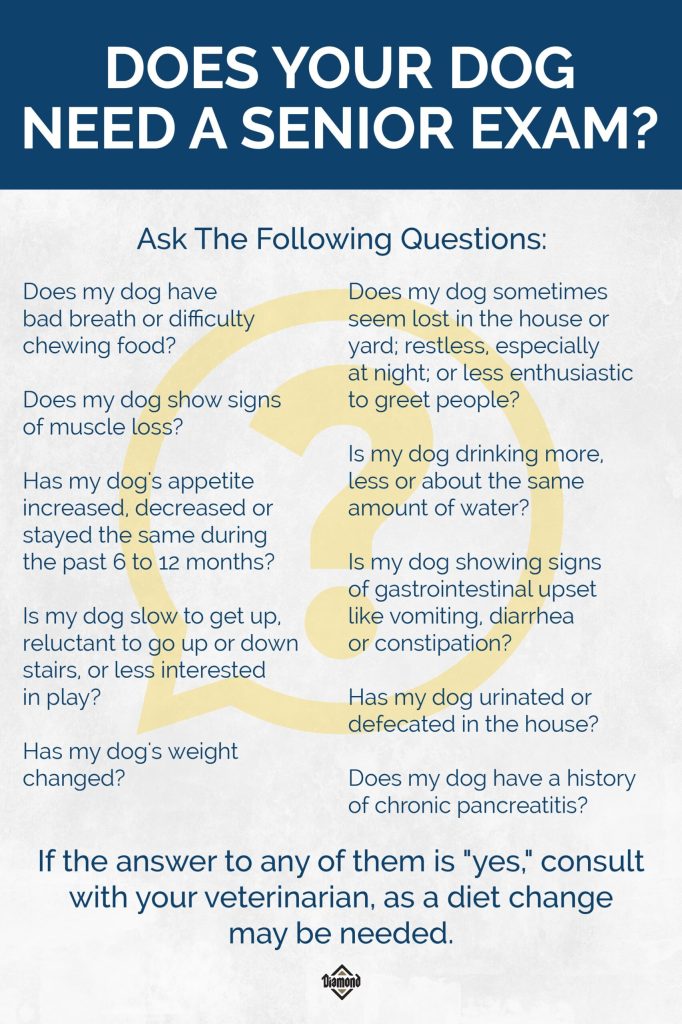

Are you wondering if it’s okay to feed your senior dog the same adult food they’ve always had? You want the best for your furry friend, especially as they get older.
But is adult dog food really enough for their changing needs? Choosing the right diet can make a big difference in your dog’s health and happiness. Keep reading to find out why what you feed your senior dog matters—and how to make the best choice for their golden years.

Credit: www.businessinsider.com
Why Senior Dogs Need Special Nutrition
Senior dogs need special nutrition to stay healthy and active. Their bodies change with age, affecting how they process food and nutrients. Feeding them adult dog food may not meet these new needs. Proper nutrition supports their joints, organs, and overall well-being.
Changes In Metabolism
As dogs age, their metabolism slows down. They burn fewer calories and need less energy. Adult food often has more calories than senior dogs require. Too many calories can lead to weight gain and other health problems. Senior dog food has the right calorie balance for older dogs.
Common Health Concerns
Older dogs face health issues like arthritis, kidney problems, and dental disease. These conditions affect how they eat and digest food. Senior dog diets often include ingredients that support joint health and kidney function. They also contain softer kibble for dogs with dental issues.
Nutritional Requirements
Senior dogs need more protein to maintain muscle mass. They also require antioxidants to support their immune system. Fiber helps with digestion and keeps their weight in check. Senior dog food is designed with these nutritional needs in mind to promote a longer, healthier life.
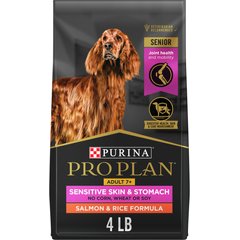
Credit: www.chewy.com
Differences Between Adult And Senior Dog Food
Understanding the differences between adult and senior dog food is key to making the best choice for your aging pet. Senior dogs have unique nutritional needs that change as they grow older. Feeding them adult food might seem convenient, but it can overlook important adjustments designed to support their health.
Calorie Content
Senior dog food generally has fewer calories than adult dog food. Older dogs tend to be less active, which means they burn fewer calories daily.
If your senior dog eats the same calorie-rich adult food, they might gain unwanted weight. Excess weight can strain their joints and worsen health issues.
Have you noticed your dog slowing down or struggling with weight? Adjusting their calorie intake could be a simple fix.
Protein And Fat Levels
Protein is crucial for maintaining muscle mass, especially in senior dogs. However, the amount and quality of protein differ in senior formulas.
Adult dog food often contains higher protein and fat levels to support energy and growth. Senior food balances these nutrients to protect kidneys and support easier digestion.
Feeding your senior dog adult food might overload their system with fats and proteins that are harder to process. Have you checked how your dog’s energy levels respond to their current diet?
Added Supplements For Seniors
Senior dog foods include extra supplements that target aging concerns. Ingredients like glucosamine and chondroitin help support joint health and mobility.
Antioxidants and vitamins in senior formulas boost the immune system and promote healthy aging. Adult dog food usually lacks these tailored supplements.
Does your senior dog show signs of stiffness or slower recovery? Supplements in senior food can make a noticeable difference in their comfort and vitality.
Risks Of Feeding Adult Food To Senior Dogs
Feeding adult dog food to senior dogs can cause weight gain and digestive issues. Older dogs need fewer calories and more nutrients suited to their age. This helps keep them healthy and active longer.
Feeding your senior dog adult food might seem harmless at first glance, but it can carry several risks that could affect your pet’s health. As dogs age, their nutritional needs change, much like humans. Senior dogs often require a diet that supports their aging bodies and helps maintain their overall well-being. Providing the wrong type of food could lead to several health issues that might make your furry friend’s golden years less comfortable.Weight Gain And Obesity
Senior dogs typically have lower energy levels and reduced physical activity. Feeding them adult dog food, which often contains higher calories, can lead to unwanted weight gain. Obesity in senior dogs can exacerbate existing health problems and even lead to new ones, such as diabetes or heart disease.Joint And Bone Issues
Older dogs are more prone to joint and bone issues such as arthritis. Adult dog food might lack the essential nutrients like glucosamine and chondroitin, which help support joint health. Without these nutrients, your senior dog could experience increased pain and stiffness, making mobility a challenge.Digestive Problems
Aging affects a dog’s digestive system, making it less efficient. Adult dog food can be harder for senior dogs to digest due to its nutrient composition. This could lead to digestive problems, such as constipation or diarrhea, causing discomfort for your pet. It’s essential to consider your dog’s age and specific health needs when choosing their diet. Have you noticed any changes in your senior dog’s weight or mobility? Adjusting their diet might be a simple step towards improving their quality of life. Always consult with your veterinarian before making any significant changes to your pet’s diet.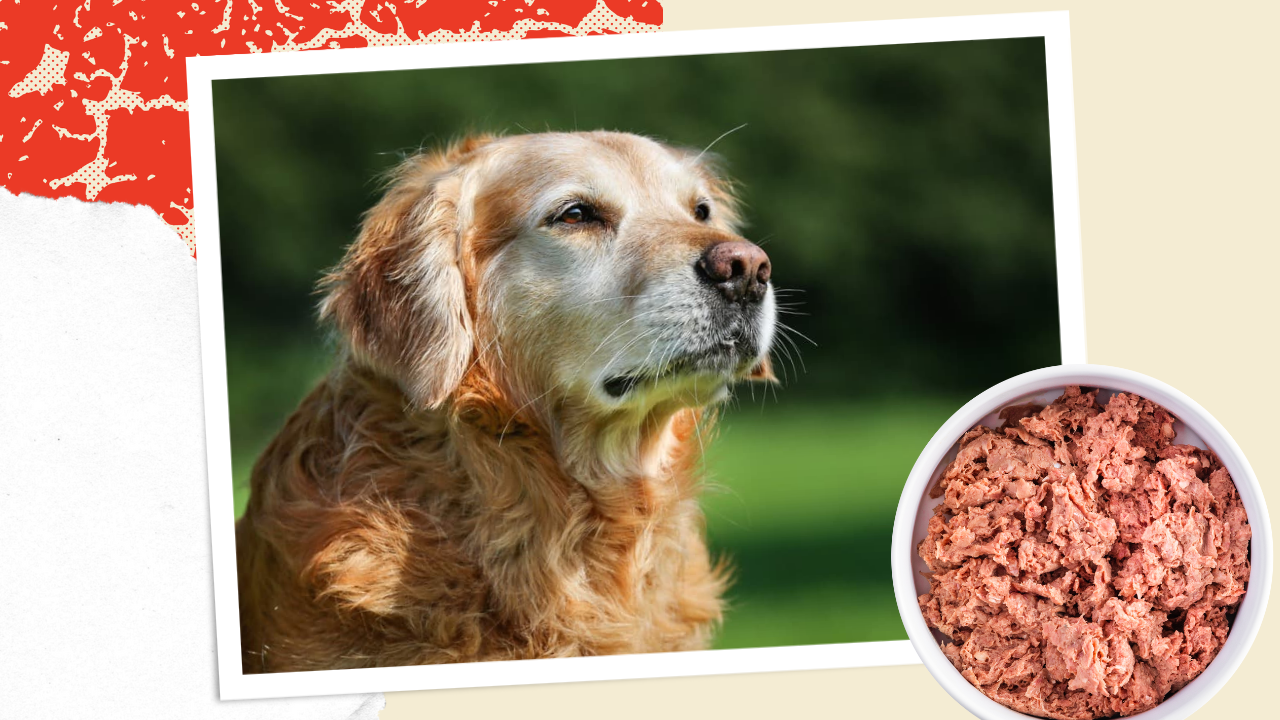
Credit: wefeedraw.com
Signs Your Senior Dog Needs A Diet Change
Noticing signs that your senior dog needs a diet change can make a big difference in their quality of life. Feeding adult dog food might seem convenient, but your aging pet’s nutritional needs evolve over time. Paying attention to specific changes in their body and behavior helps you decide if it’s time to switch foods.
Changes In Energy
Has your dog become less playful or seems tired after short walks? Senior dogs often show a drop in energy when their diet no longer supports their aging body. If you notice your dog struggling to keep up or resting more than usual, their food might not be providing enough nutrients for their changing metabolism.
Sometimes, adjusting their diet to include ingredients that support joint health and stamina can boost their vitality. Have you seen your dog’s enthusiasm fade during activities they used to enjoy? That’s a clear signal to rethink their meals.
Weight Fluctuations
Weight gain or loss can tell you a lot about your dog’s health. If your senior dog is gaining weight on adult food, it might be too high in calories for their slower lifestyle. On the other hand, unexplained weight loss could mean they’re not getting enough nutrients or have trouble digesting their current diet.
Monitor their weight regularly and compare it with their activity level. You might need to switch to a senior formula designed to maintain a healthy weight without sacrificing nutrition. Have you checked your dog’s weight lately? It’s an easy way to spot trouble early.
Coat And Skin Health
A shiny coat and healthy skin often reflect a balanced diet. If your dog’s fur looks dull, thin, or they have flaky skin, their food might be missing essential fatty acids or vitamins. Senior dogs need specific nutrients to keep their skin hydrated and fur strong.
Changes like increased itching or hair loss are red flags that the diet isn’t meeting their needs. Adding foods rich in omega-3 and omega-6 fatty acids can improve coat condition quickly. Have you noticed your dog scratching more than usual or losing patches of fur? That’s a sign to reconsider their nutrition.
Expert Tips For Transitioning To Senior Dog Food
Transitioning your dog to senior food needs care and patience. Sudden changes can upset their stomach or cause refusal to eat. Follow expert tips to help your dog adjust smoothly and enjoy their new diet.
Gradual Food Changes
Mix small amounts of senior food into your dog’s current diet. Increase the senior food quantity over 7 to 10 days. Watch for any signs of digestive upset like diarrhea or vomiting. This slow change helps your dog’s body adapt without stress.
Choosing The Right Senior Formula
Pick a senior formula that matches your dog’s size and breed. Look for food with balanced nutrients and fewer calories. Ingredients should support joint health and digestion. Avoid foods with too many fillers or artificial additives.
Consulting Your Veterinarian
Ask your vet before changing your dog’s food. They know your dog’s health history and special needs. Your vet can recommend the best senior diet or supplements. Regular check-ups will help track your dog’s health on the new food.
Alternatives To Commercial Senior Dog Food
Commercial senior dog food is not the only option to support your aging pet’s health. Many pet owners explore alternatives that offer better control over ingredients and nutrition. These options can cater to specific needs like allergies, weight management, or digestive issues.
Choosing alternatives can improve your dog’s quality of life. They provide fresh nutrients and variety. Here are some practical alternatives to commercial senior dog food.
Home-cooked Meals
Preparing meals at home allows you to choose fresh, wholesome ingredients. Lean meats, vegetables, and grains can create balanced meals. Avoid onions, garlic, and toxic foods. Consult a vet to ensure all nutrient needs are met. Home-cooked food supports digestion and keeps flavors appealing for senior dogs.
Supplements And Treats
Supplements enhance your dog’s diet with vitamins and minerals. Common supplements include omega-3 fatty acids for joint health and probiotics for digestion. Choose treats made with natural ingredients and low calories. Use treats to reward without adding excess weight. Always check with a vet before adding new supplements.
Specialized Diet Plans
Veterinarians can create diet plans tailored to your dog’s health issues. These plans focus on controlling conditions like kidney disease or arthritis. They balance nutrients and restrict harmful ingredients. Specialized diets improve symptoms and boost overall health. Follow your vet’s advice strictly to see the best results.
Maintaining Overall Health In Senior Dogs
Maintaining overall health in senior dogs requires careful attention to their changing needs. Their bodies slow down and their metabolism shifts. Proper care helps keep them active and comfortable. Feeding adult dog food to seniors might not meet these needs well. Focus on exercise, regular vet visits, and watching weight and behavior. These steps support a longer, healthier life for your dog.
Regular Exercise
Exercise keeps senior dogs strong and flexible. Short, gentle walks work best. Playtime helps reduce stiffness and supports joint health. Avoid intense workouts that cause stress. Consistent movement improves mood and digestion. It also helps prevent obesity, a common problem in older dogs.
Routine Vet Checkups
Regular vet visits catch health issues early. Senior dogs need checkups every six months or as advised. Blood tests and physical exams reveal hidden problems. Vets can adjust diets and medications based on changing needs. These visits ensure your dog stays in good health and comfort.
Monitoring Weight And Behavior
Watch your dog’s weight closely. Weight gain or loss signals health changes. Keep a record of daily food intake and activity. Notice shifts in behavior, appetite, or energy levels. Sudden changes may mean pain or illness. Early detection helps with timely treatment and care.
Frequently Asked Questions
Is Adult Dog Food Suitable For Senior Dogs?
Adult dog food lacks specific nutrients senior dogs need. Seniors require diets lower in calories and higher in fiber. Specialized senior dog food supports joint health and digestion better than adult formulas.
What Risks Come From Feeding Seniors Adult Food?
Feeding seniors adult food may cause weight gain and nutrient imbalance. It can lead to joint issues and reduced energy levels. Senior-specific diets prevent common health problems in aging dogs.
When Should I Switch My Dog To Senior Food?
Switch your dog to senior food around 7 years old. Larger breeds may need it earlier. Consult your vet to determine the best timing for your dog’s health needs.
Can Adult Food Meet A Senior Dog’s Energy Needs?
Adult food may not provide balanced energy for seniors. Older dogs often need fewer calories but more joint-supporting nutrients. Senior diets are tailored to maintain healthy weight and vitality.
Conclusion
Feeding senior dogs adult food is not always ideal. Senior dogs need nutrients that support aging bodies. Adult food may lack essential vitamins and minerals for them. It can cause weight gain or health problems. Choosing the right food helps keep your dog healthy and happy.
Always check with your vet before making changes. Your dog’s age and health guide the best diet choice. Careful feeding shows your love and keeps tails wagging.