What if your adult dog accidentally eats puppy food? You might wonder if it’s harmful or just a small mistake.
Since puppy food is designed for growing dogs, you may worry about how it affects your adult pet’s health. Understanding what happens when your dog munches on puppy food can help you make the best choices for their diet and well-being.
Keep reading to find out what you need to watch for and how to keep your furry friend happy and healthy.
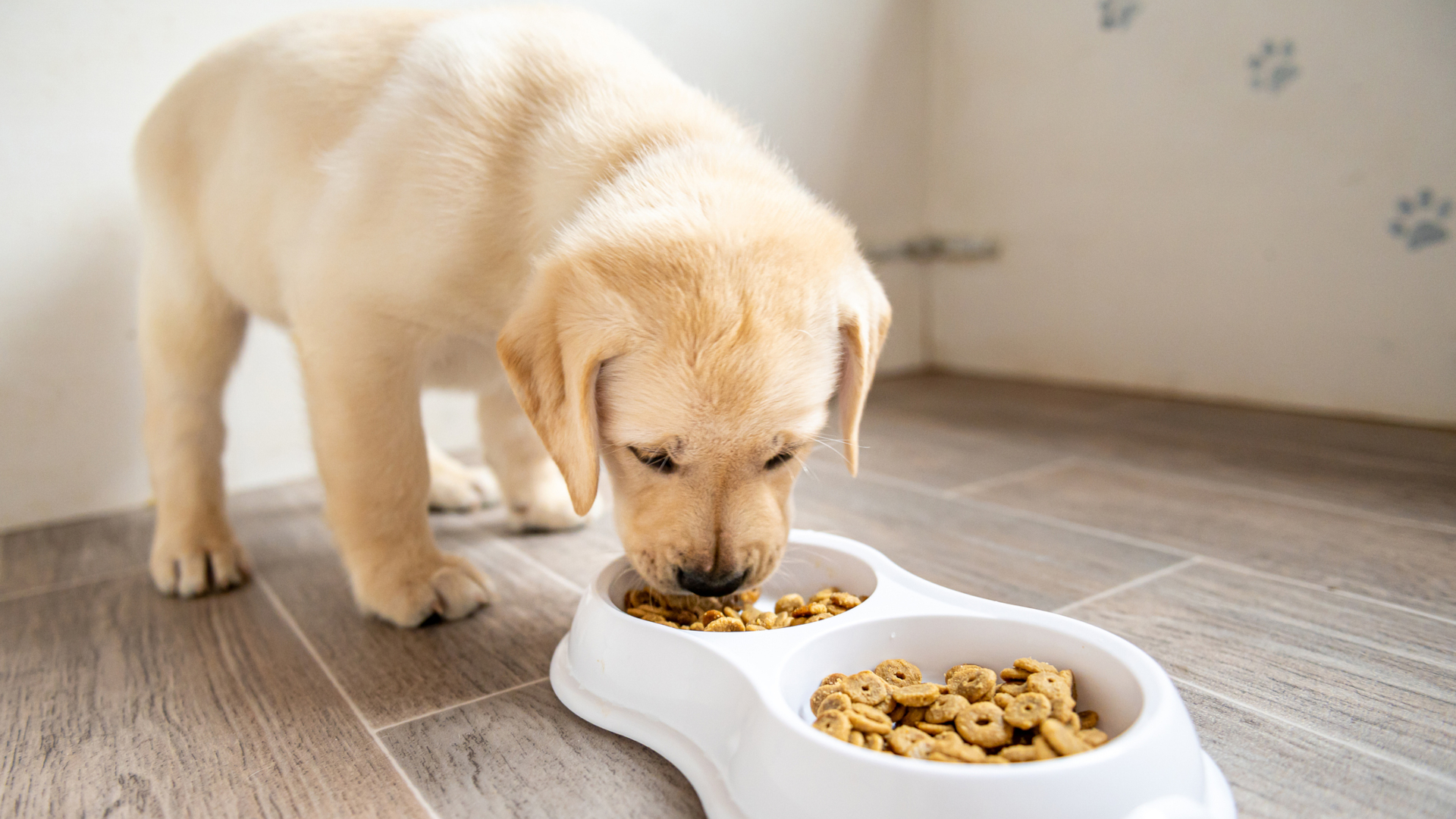
Credit: www.petsradar.com
Differences Between Puppy And Adult Dog Food
Understanding the differences between puppy and adult dog food is essential if your adult dog accidentally eats puppy food. These foods are formulated to meet very different nutritional needs, reflecting the growth stages of your furry friend. Knowing these differences can help you decide if you need to adjust your dog’s diet or consult a vet.
Nutritional Needs Of Puppies
Puppies require more calories to support their rapid growth and high energy levels. Their diet is rich in protein and fat to build strong muscles and develop a healthy brain and nervous system.
They also need extra vitamins and minerals like calcium and phosphorus to strengthen their bones. Feeding a puppy food ensures they get these nutrients in the right amounts.
Nutritional Needs Of Adult Dogs
Adult dogs have slower metabolisms and lower energy needs compared to puppies. Their food contains fewer calories to help maintain a healthy weight and prevent obesity.
Adult dog food focuses on balanced nutrition to support overall health, including joint care and a healthy coat. Too many calories or rich nutrients can lead to weight gain or digestive upset in adult dogs.
Key Ingredient Variations
Puppy food usually contains higher levels of protein and fat. Ingredients are selected to promote growth and energy, often including meat meals, oils, and added DHA for brain development.
Adult dog food tends to have more fiber and controlled fat content to aid digestion and weight management. Ingredients like antioxidants and glucosamine are common to support immune health and joints.
Have you noticed how your dog reacts after eating something outside their usual diet? Paying attention to these ingredient differences can help you spot if your dog’s health changes after eating puppy food.
Potential Risks Of Adult Dogs Eating Puppy Food
Feeding adult dogs puppy food might seem harmless, but it carries some risks you need to be aware of. Puppy food is specially designed to meet the needs of growing dogs, with extra calories, fats, and nutrients. If your adult dog regularly eats puppy food, these added elements can cause problems that affect their health and well-being.
Digestive Upset And Symptoms
Puppy food is richer and denser in nutrients, which can overwhelm an adult dog’s digestive system. You may notice symptoms like diarrhea, vomiting, or gas after your dog eats puppy food. These signs mean their stomach is struggling to process the richer formula.
Have you ever seen your dog refuse their food or act uncomfortable after a meal? This might be a sign that their diet isn’t right for their age or digestive capacity. Adjusting their food to suit their adult needs can prevent these unpleasant issues.
Weight Gain And Obesity
Puppy food contains more calories to support rapid growth, but adult dogs don’t need that extra energy. Feeding them puppy food can quickly lead to weight gain because the calories aren’t being burned off as efficiently.
Excess weight puts strain on joints, heart, and other organs. If your dog starts gaining weight without changes in activity, check what they’re eating first. Could switching back to adult dog food improve their energy balance and keep their weight in check?
Long-term Health Concerns
Consistently feeding an adult dog puppy food can cause nutrient imbalances over time. Too much calcium and fat, common in puppy formulas, may lead to joint problems or pancreatitis in adult dogs.
Think about your dog’s future health—are you supporting longevity with the right diet? Choosing the correct food for their stage of life helps avoid chronic issues and keeps your dog feeling their best for years to come.
Situations Where Adult Dogs May Eat Puppy Food
Situations where adult dogs may eat puppy food are more common than you might think. Whether it’s a curious canine getting into a bag of puppy kibble or a household managing multiple dogs with different dietary needs, these scenarios happen. Let’s delve into the various situations that might lead to an adult dog munching on puppy food.
Accidental Ingestion
Imagine walking into your kitchen to find your adult dog gleefully munching on your puppy’s food. It’s a scene many dog owners have witnessed. Puppy food often has a richer aroma and flavor, which can be irresistible to adult dogs. Dogs are naturally curious and may get into puppy food if left unattended.
Leaving puppy food within reach or in an unsecured container can easily lead to accidental ingestion. Always keep the food stored in a secure place. This not only prevents accidental ingestion but also keeps the food fresh.
Intentional Feeding
Sometimes, you might consider giving your adult dog puppy food on purpose. This could happen if you run out of their regular food or if you believe they need extra nutrients. Puppy food is calorie-dense and rich in nutrients to support growth, which might tempt you to offer it to your adult dog as a treat.
However, feeding puppy food intentionally should be a temporary solution. While it might seem beneficial, the high-calorie content can lead to weight gain if fed regularly. Always consult with your vet before making such changes.
Mixed Feeding Households
In households with both puppies and adult dogs, mixed feeding scenarios are inevitable. You might find it challenging to feed them separately, especially if they share the same space. This is a common issue for many dog owners.
Consider designated feeding areas to manage this situation effectively. Training your dogs to eat in separate spaces can help prevent unintentional sharing. It may take time, but consistency is key to ensure each pet gets the nutrition they need.
Have you faced any of these situations with your furry friends? Share your experiences and tips in the comments below!
How To Manage Accidental Puppy Food Consumption
Accidentally feeding your adult dog puppy food can happen more easily than you think, especially if both share feeding areas or if you switch dog food brands. Managing this situation calmly is key to preventing any health issues. Knowing exactly what to do right away will help you keep your dog safe and comfortable.
Immediate Steps To Take
First, remove the puppy food from your dog’s reach to prevent further eating. Check the packaging to understand the ingredients and nutrient levels, since puppy food usually has higher calories and fat. Offer your dog plenty of fresh water to help digestion and avoid dehydration.
If your dog ate only a small amount, don’t panic. But if the quantity was large, consider withholding the next meal to let their stomach settle. Keep your dog calm and watch for any signs of distress.
Monitoring Your Dog’s Health
Watch your dog closely for changes in behavior, appetite, or bathroom habits. Common signs to note include vomiting, diarrhea, lethargy, or excessive thirst. These symptoms could indicate that your dog’s digestive system is struggling with the richer puppy food.
Keep a daily log of your dog’s symptoms and food intake. This record will be helpful if you need to consult your vet later. Also, observe if your dog seems uncomfortable or restless, as this could signal underlying issues.
When To Contact A Veterinarian
If your dog shows persistent vomiting, diarrhea lasting more than 24 hours, or signs of dehydration, it’s time to call your vet. Sudden changes in energy levels or refusal to eat for more than a day also warrant professional advice. Don’t wait if your dog appears to be in pain or distress.
Veterinarians can recommend specific treatments or dietary adjustments to help your dog recover quickly. Remember, early intervention often prevents complications. Have your vet’s contact info ready for emergencies—you never know when you might need it.
Safe Feeding Practices For Adult Dogs
Feeding adult dogs properly helps keep them healthy and active. Safe feeding practices avoid digestive issues and nutritional imbalances. Adult dogs have different needs than puppies, so choosing the right food is important. Consistent routines support good digestion and behavior. Preventing cross-feeding mistakes protects their health and weight.
Choosing The Right Dog Food
Pick dog food labeled for adult dogs. These formulas have the right balance of nutrients for grown dogs. Puppy food is richer and can cause weight gain or stomach upset in adults. Check the ingredients list for quality proteins and essential vitamins. Avoid foods with fillers or artificial additives.
Establishing A Feeding Routine
Feed your dog at the same times every day. A regular schedule improves digestion and helps with training. Divide daily food into two or three meals. Measure portions to prevent overfeeding. Fresh water should always be available for your dog.
Avoiding Cross-feeding Mistakes
Keep puppy and adult dog foods separate. Do not share meals between dogs of different ages. This avoids nutritional gaps or excess calories. Train your dog to eat only its food. Store foods in labeled containers to prevent mix-ups.
Credit: www.purina.com
Alternatives For Nutritional Support
If your adult dog accidentally eats puppy food or you’re considering nutritional support options, it’s important to know there are alternatives designed specifically for adult dogs. Puppy food is rich in calories and certain nutrients to support growth, which might not suit adult dogs’ needs. You want to provide your dog with balanced nutrition without overloading their system.
Supplements For Adult Dogs
Adding supplements can help fill nutritional gaps in your dog’s diet. Omega-3 fatty acids, for example, support skin and coat health and reduce inflammation.
Glucosamine and chondroitin are popular supplements that help maintain joint health, especially for older dogs. Probiotics improve digestion and boost the immune system.
Before adding any supplements, check with your vet to avoid giving your dog too much of a nutrient. Have you noticed any changes in your dog’s energy or digestion that supplements might help with?
Special Diets For Health Conditions
Some adult dogs require special diets tailored to health issues like kidney problems, allergies, or weight management. These diets are carefully formulated to support your dog’s specific condition.
For example, a low-protein diet helps dogs with kidney disease, while hypoallergenic diets reduce reactions in dogs with food sensitivities. Weight control formulas are lower in calories but still provide essential nutrients.
Consult your veterinarian to select the right diet. Have you ever tried changing your dog’s diet to address a health concern? What was your experience like?
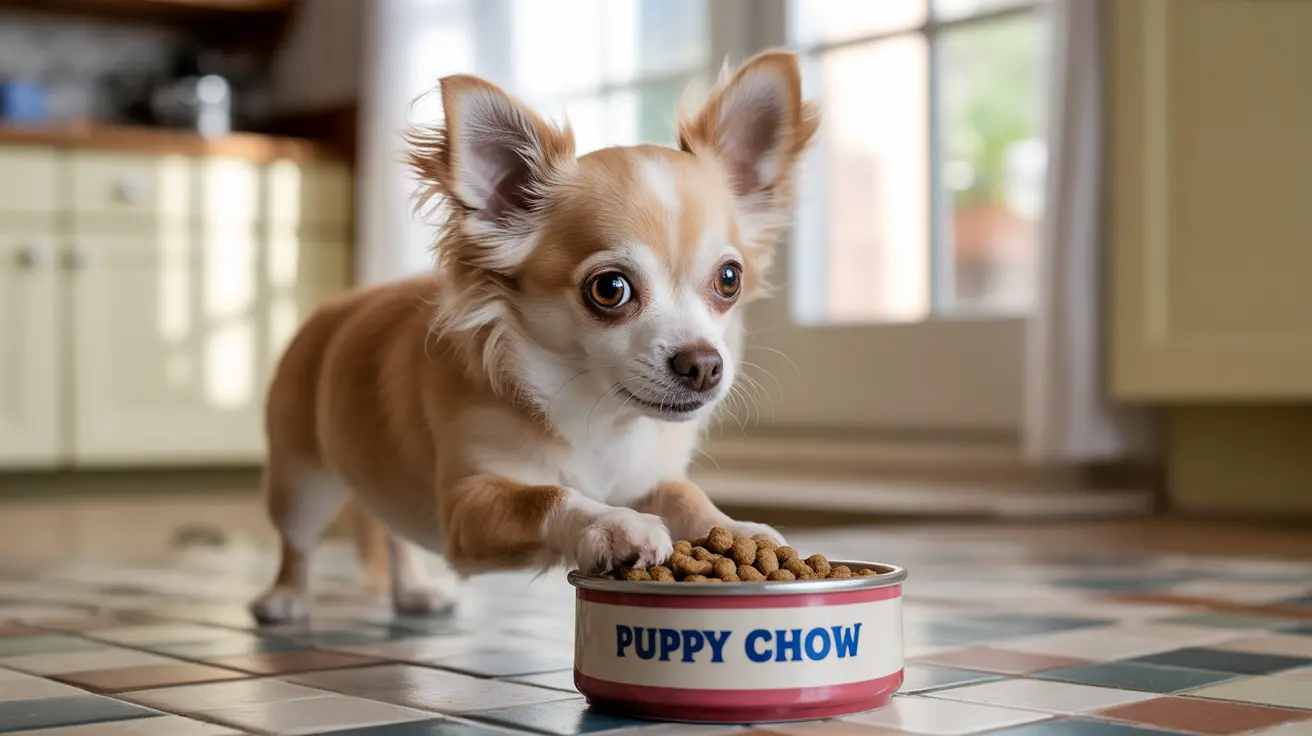
Credit: www.petscare.com
Frequently Asked Questions
Can Adult Dogs Eat Puppy Food Safely?
Yes, adult dogs can eat puppy food occasionally without harm. However, puppy food is higher in calories and nutrients, which may cause weight gain or digestive upset if fed regularly to adults.
What Happens If Adult Dogs Eat Puppy Food Daily?
Daily consumption of puppy food by adult dogs can lead to obesity. Excess calories and nutrients are unnecessary for adults and may strain their kidneys or cause digestive issues.
Is Puppy Food Nutritionally Balanced For Adult Dogs?
Puppy food is formulated for growth, not maintenance. It has more protein, fat, and calories, which exceed adult dogs’ nutritional needs, potentially causing health problems over time.
How To Transition An Adult Dog From Puppy Food?
Gradually mix adult dog food with puppy food over 7-10 days. This helps avoid digestive upset and allows your dog to adjust to the new diet smoothly.
Conclusion
Adult dogs eating puppy food once in a while usually won’t cause harm. Puppy food has more calories and nutrients meant for growing dogs. Feeding it regularly to adults can lead to weight gain or stomach upset. Watch your dog’s behavior and health closely after eating puppy food.
For best results, feed your dog the right food for their age. This keeps them healthy and happy. Remember, a balanced diet fits your dog’s needs perfectly. Small mistakes happen, but good care helps your dog stay strong.