
Are you wondering if it’s okay to start feeding your 9-month-old puppy adult dog food? As your puppy grows, you want to make sure you’re giving them the right nutrition to keep them healthy and happy.
Switching their food too early or too late can affect their energy, growth, and overall well-being. You’ll discover exactly when and how to make the change, so you can feel confident about every bite your furry friend takes. Keep reading to find out what’s best for your puppy’s health and happiness!
Puppy Nutritional Needs
Puppies have special nutritional needs that differ from adult dogs. Their bodies grow fast and require balanced food for healthy development. Proper nutrition supports strong bones, muscles, and brain growth. Feeding the right diet at 9 months is crucial to prevent health problems.
Growth Requirements At 9 Months
At 9 months, puppies are still growing but slowing down. Their energy needs are high but less than younger puppies. They need food that supports muscle development and bone strength. The diet should help maintain a healthy weight and prepare for adult life.
Key Nutrients For Puppies
- Protein:Builds muscles and tissues. Puppies need more protein than adults.
- Fat:Provides energy for play and growth. Healthy fats support brain development.
- Calcium and Phosphorus:Important for strong bones and teeth.
- Vitamins and Minerals:Support immune health and overall growth.
- DHA (Docosahexaenoic Acid):Helps brain and eye development.

Credit: wefeedraw.com
Differences Between Puppy And Adult Food
Understanding the differences between puppy and adult dog food is crucial when deciding what to feed your 9-month-old puppy. Puppy food is specially formulated to support rapid growth and development, while adult food meets the needs of a fully grown dog. Feeding your puppy adult food too early might affect their health and energy, but why exactly is that?
Calorie Content And Energy Levels
Puppies need more calories than adult dogs because they are constantly growing and burning energy. Puppy food usually has higher calorie content to keep up with their active lifestyle and development demands.
Adult dog food contains fewer calories since grown dogs have slower metabolisms and lower energy needs. If you feed your puppy adult food, they might not get enough energy to support healthy growth, which can lead to fatigue or poor development.
Protein And Fat Ratios
Protein and fat play a big role in your puppy’s growth. Puppy food contains higher levels of protein and fat to help build strong muscles and maintain healthy skin and coat.
Adult dog food has lower protein and fat ratios because adult dogs don’t require as much for maintenance. Feeding your puppy adult food could mean missing out on essential nutrients needed for building their bodies.
Vitamin And Mineral Differences
Puppy food is enriched with extra vitamins and minerals like calcium and phosphorus to support bone growth and brain development. These nutrients are carefully balanced to avoid deficiencies or excesses that could harm a puppy’s health.
Adult dog food contains nutrient levels suited for mature dogs, which might not be enough for a growing puppy. Have you ever wondered if switching to adult food too soon could stunt your puppy’s growth or cause health issues later on?
Risks Of Early Transition
Feeding adult dog food to 9-month-old puppies can cause nutritional gaps. Early transition may lead to digestive upset and slower growth. Puppies need specific nutrients to support their development.
Feeding your 9-month-old puppy adult dog food might seem like a convenient choice, but it comes with certain risks. Puppies have unique dietary needs that differ significantly from adult dogs. Transitioning too early can lead to serious health concerns that can affect your pup’s long-term wellbeing.Potential Nutritional Deficiencies
Puppies require a higher intake of proteins and fats compared to adult dogs. These nutrients support their rapid growth and energy levels. Adult dog food often lacks the necessary caloric density and essential nutrients, like calcium and phosphorus, that puppies need. Imagine your puppy missing out on crucial vitamins and minerals, leading to weakened bones and a fragile immune system. Wouldn’t you want to give them the best start in life?Impact On Growth And Development
Switching to adult dog food too soon can stunt your puppy’s growth. Puppies grow at an astonishing rate, and their bodies need the right nutrients to support this development. If your puppy isn’t getting what they need, they may not reach their full size and potential. This can also lead to developmental issues that are hard to reverse later on. By providing the right food, you ensure that your puppy grows into a strong and healthy adult. After all, isn’t giving your puppy a healthy start worth the effort?When To Switch To Adult Food
Deciding when to switch your 9-month-old puppy to adult dog food can feel tricky. The timing depends on several factors, including your puppy’s breed size and individual growth pace. Knowing the right moment helps ensure your dog stays healthy and energized as they transition into adulthood.
Breed Size Considerations
Different breeds grow at different rates. Small breeds usually reach their adult size faster, often around 9 to 12 months. Larger breeds, however, might continue growing until 18 to 24 months.
If you have a small breed, switching to adult food around 9 months is often appropriate. For large breeds, waiting longer helps because they need food that supports steady growth and joint health. You want to avoid switching too early or too late, as both can affect your puppy’s development.
Signs Your Puppy Is Ready
Look for clear signs that your puppy is ready for adult food. These include:
- Consistent adult teeth growth without baby teeth remaining
- Stable weight and slowed growth rate
- Increased energy that matches adult activity levels
If your puppy shows these signs, it’s a good indicator to start transitioning. Watch how they respond to the new food and adjust if needed. Have you noticed any changes in your puppy’s appetite or behavior that suggest they’re growing up?
Tips For A Smooth Transition
Transitioning a 9-month-old puppy to adult dog food requires care and attention. This change affects their digestion and nutrition. A smooth switch helps avoid stomach upset and keeps your puppy healthy. Follow these tips to make the process gentle and effective.
Gradual Food Mixing Strategies
Start by mixing a small amount of adult dog food with your puppy’s current food. Increase the adult food gradually over 7 to 10 days. This slow change helps your puppy’s stomach adjust without discomfort.
- Begin with 25% adult food and 75% puppy food.
- After a few days, shift to 50% adult and 50% puppy food.
- Next, use 75% adult food and 25% puppy food.
- Finally, feed 100% adult dog food.
Observe your puppy’s eating habits during this period. Avoid sudden changes to reduce digestive upset.
Monitoring Health During Transition
Watch your puppy closely for any signs of discomfort. Look for changes in stool, appetite, or energy levels. Diarrhea, vomiting, or loss of interest in food may indicate a problem.
Keep a daily log of your puppy’s behavior and health. Check for any allergic reactions or digestive issues. Consult a vet if problems persist or worsen. Regular monitoring ensures a healthy and happy transition to adult food.
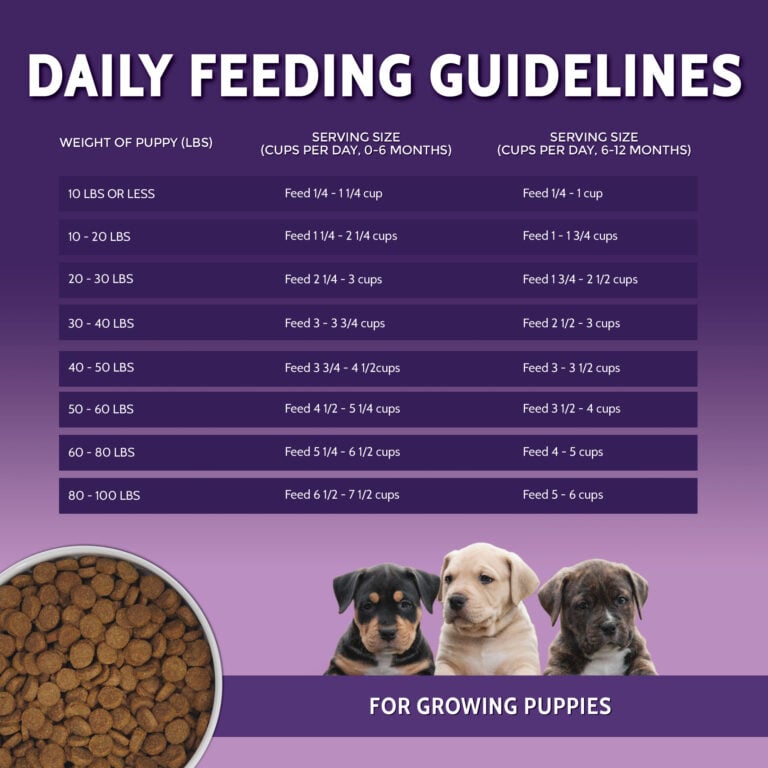
Credit: zignature.com
Consulting Your Veterinarian
Consulting your veterinarian is a crucial step before switching your 9-month-old puppy to adult dog food. Your vet understands your puppy’s unique growth pattern and nutritional needs better than anyone else. They can guide you to make the best decision for your pup’s health and development.
Personalized Feeding Plans
Every puppy grows at a different pace, and their dietary needs vary accordingly. Your vet can create a feeding plan tailored specifically to your puppy’s breed, size, and activity level. This plan will help you decide if adult dog food is appropriate or if your puppy still needs a diet designed for younger dogs.
For example, some larger breeds take longer to mature, meaning they might benefit from puppy food beyond nine months. Your vet’s advice can prevent nutritional imbalances that might affect your dog’s growth or cause health problems later.
Addressing Specific Health Concerns
Your puppy might have health issues that influence what kind of food they should eat. If your dog has allergies, digestive problems, or other medical conditions, adult dog food may not be the right choice.
Discuss any health concerns with your vet before making a change. They might recommend special formulas or supplements to keep your puppy healthy during the transition. Have you noticed any unusual symptoms or reactions after feeding your puppy certain foods? Sharing these observations with your vet will help tailor the best feeding strategy.
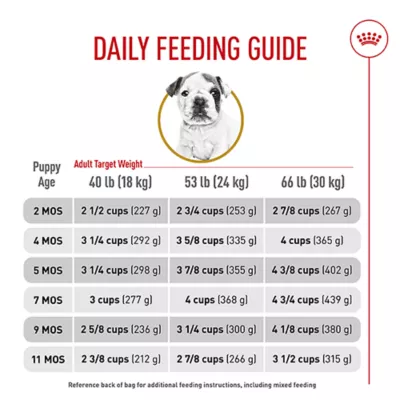
Credit: www.petsmart.com
Frequently Asked Questions
Can 9-month-old Puppies Eat Adult Dog Food Safely?
Yes, 9-month-old puppies can start eating adult dog food. Transition gradually to avoid digestive upset. Ensure the food meets their nutritional needs for growth and energy.
When Should I Switch My Puppy To Adult Dog Food?
Switch at around 9 to 12 months old. This timing depends on breed size and vet advice. Larger breeds may need more time on puppy food.
What Are The Risks Of Feeding Adult Food Too Early?
Feeding adult food too early may cause nutrient deficiencies. Puppies need higher protein and fat levels for proper growth. Early switching can stunt development or cause health issues.
How To Transition My Puppy To Adult Dog Food?
Mix increasing amounts of adult food with puppy food over 7-10 days. Monitor your puppy’s digestion and appetite during the switch to ensure comfort.
Conclusion
Feeding 9-month-old puppies adult dog food needs care. Puppies still grow and need extra nutrients. Adult food may miss vitamins and minerals puppies require. Too soon a change can cause tummy upset. Choose puppy food until your dog is fully grown.
Ask your vet for the best advice. Keep your puppy healthy with the right diet. This helps them grow strong and happy. Remember, every dog is different. Watch your puppy’s health closely during any diet change.