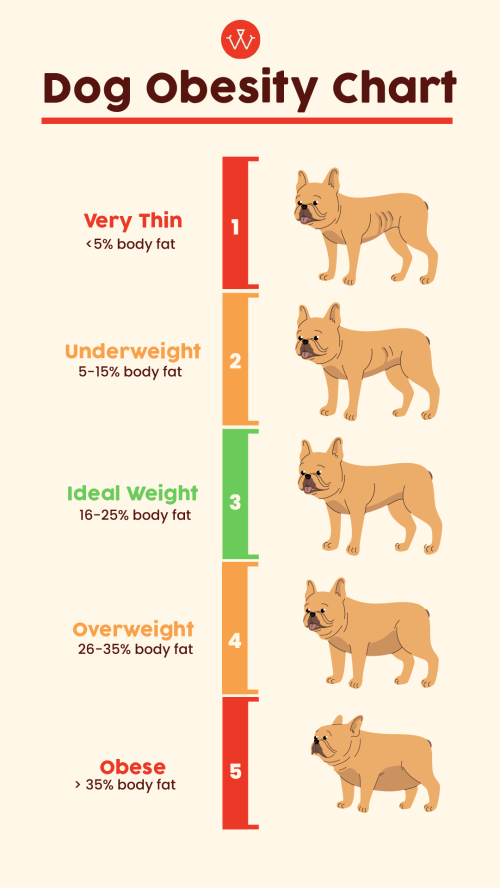

Is your adult dog looking a bit too skinny? You might be wondering if switching to puppy food could help your furry friend gain some healthy weight.
It’s tempting to think that puppy food, made for growing pups, might be the perfect solution. But is it really safe and effective for adult dogs? Keep reading to find out what experts say and how you can make the best choice for your dog’s health and happiness.
Your dog deserves the right nutrition, and you deserve peace of mind. Let’s dive in.
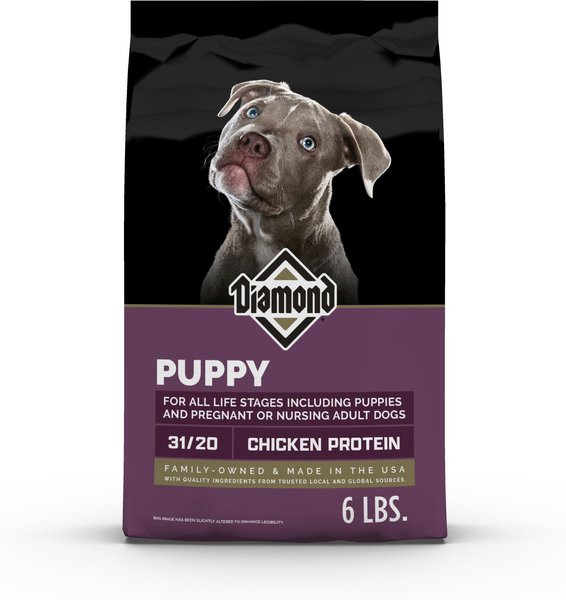
Credit: www.chewy.com
Puppy Food Vs Adult Dog Food
Puppy food and adult dog food serve different purposes in a dog’s life. Puppy food is designed to support rapid growth and development. Adult dog food focuses on maintaining health and energy in mature dogs. Understanding these differences helps decide if puppy food suits a skinny adult dog.
Key Nutritional Differences
Puppy food contains extra vitamins and minerals for growth. It has more calcium and phosphorus to build strong bones. Adult dog food has balanced nutrients for long-term health. The focus is on maintaining a healthy weight and organ function.
Calorie Content And Density
Puppy food has higher calorie density to fuel growth. It helps puppies meet their energy needs in smaller portions. Adult dog food has fewer calories to prevent weight gain. Skinny adult dogs may need more calories but not always from puppy food.
Protein And Fat Levels
Puppy food has increased protein and fat for muscle and brain growth. These levels are higher than in adult dog food. Adult dog food contains moderate protein and fat for maintenance. Too much fat in adult dogs can cause health problems.
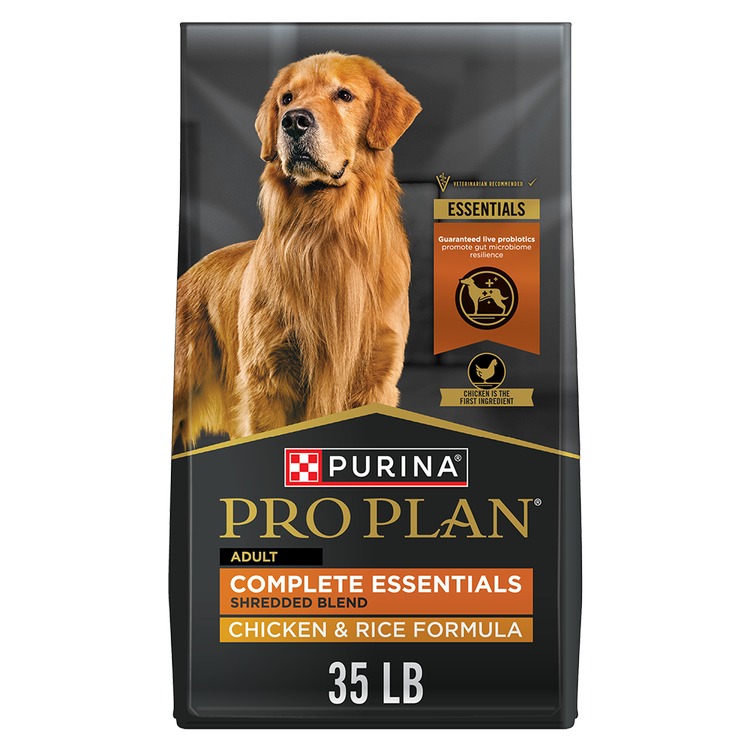
Credit: www.purina.com
Why Adult Dogs May Need More Calories
Adult dogs that appear skinny often need more calories to regain a healthy weight and maintain their energy. Their bodies might be burning through fuel faster than usual, or they could be struggling with underlying issues. Understanding why your adult dog requires extra calories helps you make better choices about their diet and overall care.
Causes Of A Skinny Adult Dog
Several factors can cause an adult dog to become thin. Poor nutrition or feeding the wrong type of food is common. Parasites, illness, or dental problems can also make it hard for your dog to absorb nutrients properly.
Sometimes, high activity levels or stress can increase calorie needs beyond what they’re currently getting. Have you noticed your dog losing weight despite eating normally? This could be a sign that their body is working harder than you think.
Metabolism And Energy Needs
Dogs, like people, have different metabolic rates. Some adult dogs naturally burn calories faster, especially if they’re very active or belong to high-energy breeds. This means they may need more food or higher calorie content to maintain a healthy weight.
Think about your dog’s daily routine. Are they running, playing, or working more than average? If yes, their energy needs are likely higher. Puppy food is often calorie-dense, which can help in these cases—but it’s important to balance it carefully to avoid excess fat.
Health Risks Of Being Underweight
Being underweight isn’t just about looks; it can lead to serious health problems. Dogs with low body weight might have weaker immune systems, making them more prone to infections. They may also suffer from muscle loss and fatigue.
Ignoring your dog’s thinness can result in long-term issues like organ failure or bone weakness. Are you monitoring your dog’s weight regularly? Early action can prevent these risks and keep your furry friend strong and happy.
Pros Of Feeding Puppy Food To Skinny Adults
Puppy food offers extra nutrients that help skinny adult dogs gain weight safely. It provides higher calories and protein to support muscle growth and energy needs. This can improve their overall health and strength effectively.
Feeding puppy food to skinny adult dogs can be a beneficial strategy to help them gain weight and improve their overall health. Puppy food is specifically formulated to provide higher calories and essential nutrients that growing puppies need. These characteristics can also be advantageous for adult dogs struggling to maintain a healthy weight. Let’s explore the various pros of feeding puppy food to skinny adult dogs.High-calorie Benefits
Puppy food is packed with calories. This is because puppies need a lot of energy to grow. For skinny adult dogs, these extra calories can be a game-changer. Imagine watching your skinny dog finally fill out, looking healthier and more energetic. The high-calorie content in puppy food can help achieve this transformation. It gives your dog the energy they need without needing to eat large quantities of food.Improved Weight Gain Potential
Skinny dogs often struggle with gaining weight, no matter how much they eat. Puppy food can help change that. The concentrated nutrients in puppy food are designed to support growth, which can help your adult dog put on healthy weight. You might notice a more robust and vibrant look in your dog after just a few weeks. Consider how rewarding it would be to see your dog reach a healthier weight. It can improve their quality of life and make them more active and playful.Enhanced Nutrient Absorption
Puppy food is not only calorie-rich but also packed with easily absorbable nutrients. This is crucial for dogs that have trouble digesting regular adult dog food. When your dog absorbs nutrients efficiently, they not only gain weight but also improve their overall health. Their coat may get shinier, and their immunity might strengthen. Have you ever wondered if your dog is getting all the nutrients they need? Feeding them puppy food could be a step in the right direction. It ensures they get the best nutrients in a form they can easily digest. Is your skinny dog struggling with weight issues? Could puppy food be the solution you’ve been searching for?Cons And Risks Of Puppy Food For Adults
Feeding puppy food to adult dogs, especially those that are skinny, might seem like a quick fix. However, this choice comes with its own set of drawbacks and risks that you should consider carefully. Understanding these downsides helps you make a better decision for your dog’s health and well-being.
Nutrient Imbalances Over Time
Puppy food contains higher levels of calories, fats, and proteins designed to support rapid growth. For adult dogs, especially those not needing to gain weight quickly, this can lead to an excess of certain nutrients.
Too much protein or fat over months can strain organs like the kidneys and liver. You might notice your dog gaining unhealthy weight or experiencing changes in their coat and energy levels. Have you checked if your dog’s food matches their actual nutritional needs?
Potential Digestive Issues
Adult dogs have different digestive systems compared to puppies. Switching to puppy food can upset their stomach, causing diarrhea, gas, or vomiting.
Some adult dogs, especially those with sensitive digestion, may struggle with the richer ingredients in puppy formulas. If your dog starts showing digestive discomfort after the switch, it might be a sign that puppy food isn’t the right choice.
Long-term Health Concerns
Feeding puppy food to adult dogs for an extended period can lead to serious health problems. High calcium levels in puppy food, for example, can contribute to joint issues or kidney problems over time.
I’ve seen dogs develop obesity and related complications simply because their owners kept feeding them puppy food beyond the growth stage. Are you willing to risk your dog’s future health for a quick weight fix now?
Expert Recommendations For Skinny Adult Dogs
Helping a skinny adult dog gain weight requires careful food choices and expert advice. Adult dogs have different nutritional needs than puppies. Feeding the right diet supports healthy weight gain and overall wellness.
Choosing The Right Adult Dog Food
Select food made for adult dogs, not puppies. Adult dog food has balanced nutrients suited for mature dogs. Look for formulas labeled “weight gain” or “high calorie” to provide extra energy. Avoid foods with fillers or low protein content. Quality protein helps build muscle and improve body condition.
Supplementing With High-calorie Options
Adding high-calorie supplements can boost daily calorie intake. Use options like:
- Healthy oils such as fish or coconut oil
- Cooked eggs or plain yogurt
- Commercial calorie boosters designed for dogs
These supplements help increase calories without overfeeding volume. Introduce supplements slowly to prevent stomach upset.
Consulting A Veterinarian
Visit a vet to rule out health issues causing weight loss. The vet can recommend diet plans or special foods. Blood tests may identify conditions affecting weight. Follow the vet’s guidance for safe and effective weight gain. Regular check-ups track progress and adjust feeding as needed.
Alternative Strategies To Improve Weight
Helping a skinny adult dog gain weight requires more than just changing food. Healthy weight gain depends on balanced approaches that support digestion and muscle growth. Adjusting how and what your dog eats, along with exercise, can improve their body condition safely.
Feeding Frequency And Portion Size
Smaller, more frequent meals can boost calorie intake. This approach helps dogs digest food better and absorb more nutrients. Instead of two large meals, try feeding your dog three to four times daily. Watch portion sizes to avoid overeating or stomach upset. Gradually increase portions to support steady weight gain.
Incorporating Healthy Treats
Healthy treats add extra calories without filling your dog up too much. Use nutrient-rich snacks like cooked eggs, small amounts of cheese, or peanut butter. Avoid sugary or fatty treats that can harm health. Treats should complement meals, not replace them. Use treats to reward good behavior and encourage eating.
Exercise And Muscle Building
Regular exercise builds muscle, which adds healthy weight. Gentle activities like walking and playtime stimulate appetite and improve muscle tone. Strength training with safe resistance can help underweight dogs. Avoid overexertion, especially in weak dogs. Consistent movement supports overall health and weight gain.
Credit: www.justfoodfordogs.com
Frequently Asked Questions
Is Puppy Food Safe For Adult Skinny Dogs?
Puppy food is generally safe for adult skinny dogs. It contains higher calories and nutrients to support growth. However, consult your vet before switching to ensure it meets your dog’s specific health needs.
Can Puppy Food Help Adult Dogs Gain Weight?
Yes, puppy food can help adult dogs gain weight. It is calorie-dense and rich in proteins and fats. Use it temporarily and monitor your dog’s progress for healthy weight gain.
How Long Should Skinny Adult Dogs Eat Puppy Food?
Skinny adult dogs should eat puppy food only short-term. Typically, 4 to 6 weeks is enough for weight gain. Always consult your vet for personalized advice and transition back to adult food gradually.
What Nutrients In Puppy Food Benefit Skinny Adult Dogs?
Puppy food has higher protein, fat, and essential vitamins. These nutrients support muscle growth and energy for skinny adult dogs. They help improve overall health and weight effectively.
Conclusion
Puppy food has more calories and nutrients than adult dog food. This can help skinny adult dogs gain weight. But adult dogs need a balanced diet for their health. Switching to puppy food for a short time might work. Watch your dog closely for any problems.
Speak with a vet before making diet changes. Every dog is different. Choose the best food that suits your dog’s needs. Keep your dog healthy and happy.