If you have a one-year-old dog, you might be wondering if it’s okay to switch their food to adult dog meals. You want what’s best for your furry friend, but the choices can be confusing.
Feeding your dog the right food affects their health, energy, and happiness every day. So, can your one-year-old dog safely eat adult food? Keep reading to find out what experts say, and how to make the best decision for your pet’s well-being.
Credit: www.purina.com
When To Switch Dog Food
Switching your dog’s food is an important decision for their health. Knowing the right time helps ensure they get proper nutrients. Dogs grow at different rates. Their diet should match their stage of development. This helps maintain energy, growth, and overall wellness.
Signs Your Dog Is Ready
Watch for changes in your dog’s behavior and body. A one-year-old dog may show signs of slowed growth. Their energy needs might shift from puppy to adult levels. You might notice:
- Less hyperactivity during playtime
- Stable weight without rapid gain or loss
- Improved digestion and less frequent stools
- Interest in food changes or preferences
These signs suggest your dog can handle adult food. But some dogs still benefit from puppy formulas beyond one year.
Age Versus Development
Age is a guide, not the only factor. Some breeds mature faster or slower than others. Small dogs often reach adulthood earlier than large breeds. Large breeds may need puppy food longer for joint support.
Consider your dog’s size, breed, and health. Talk to your vet for personalized advice. Adjust food based on how your dog looks and feels, not just age.
Credit: www.thinkjinx.com
Differences Between Puppy And Adult Food
Understanding the differences between puppy and adult dog food is key to making the right choice for your one-year-old dog. These differences are not just about size or flavor; they reflect important changes in nutritional needs and ingredient makeup. Knowing what sets these foods apart helps you decide if it’s time to switch your dog’s diet or keep them on puppy food a bit longer.
Nutritional Needs
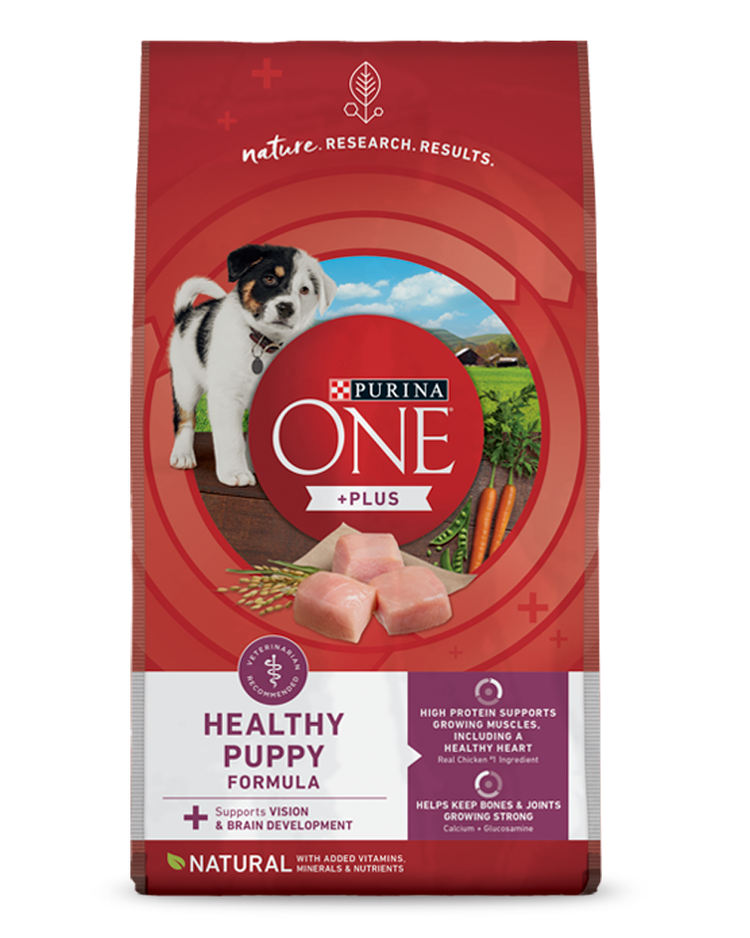
Puppies need more calories and nutrients to support their rapid growth and high energy levels. Their food typically has higher protein and fat content to help build strong muscles and support brain development.
Adult dogs, on the other hand, require fewer calories and a balanced mix of nutrients to maintain their weight and overall health. Feeding an adult dog puppy food can lead to weight gain and digestive issues because of the extra calories and richer nutrients.
Have you noticed your dog’s energy or weight changing since you switched foods? That’s a sign to reevaluate their nutritional needs based on their age and activity.
Ingredient Variations
Puppy food often contains ingredients that promote growth, like DHA from fish oil, which supports brain and eye development. It usually has added vitamins and minerals tailored to growing bodies.
Adult dog food focuses more on ingredients that support maintenance and long-term health, such as antioxidants for immune support and joint-friendly nutrients like glucosamine. The formula is designed to prevent obesity and keep your dog active without excess calories.
Choosing food with the right ingredients is not just about age but also about your dog’s lifestyle. Does your one-year-old spend most of the day resting, or is he a bundle of energy? Adjusting ingredients to match their routine can improve their health and happiness.
Risks Of Early Transition
Transitioning a one-year-old dog to adult food too soon can pose risks. Puppies and adults have different nutritional needs. Feeding adult food early may lead to various health problems.
Potential Health Issues
Early transition can cause growth issues. Puppies need more protein and calories for development. Adult food might lack these essential nutrients. This can lead to stunted growth or weak bones. Nutrient deficiencies can also affect immune system strength. Puppies need balanced diets to stay healthy and strong.
Digestive Concerns
Switching too early can upset your dog’s stomach. Puppies have sensitive digestive systems. Adult food can be too rich or heavy for them. This may result in diarrhea or vomiting. A gradual transition helps to avoid digestive problems. Consult your vet for a suitable diet plan.
Benefits Of Adult Dog Food
Switching your one-year-old dog to adult food can bring several advantages that support their health and vitality. Adult dog food is specially designed to meet the changing nutritional needs as your dog moves out of the puppy stage. Understanding these benefits can help you decide the right time to make the switch without compromising your pet’s well-being.
Balanced Nutrition
Adult dog food offers a well-rounded mix of nutrients tailored to maintain your dog’s health at this life stage. It contains the right amounts of protein, fats, vitamins, and minerals to support energy levels and organ function.
Unlike puppy food, which focuses on growth, adult formulas prevent nutrient excesses that could cause health issues. Have you noticed your dog’s energy or coat quality change after switching foods? That’s often a sign of better balanced nutrition.
Weight Management
Keeping your dog at a healthy weight is easier with adult food designed to match their metabolism after the growth period. These foods often have controlled calorie content and added fiber to promote satiety.
Overfeeding can lead to obesity, which increases the risk of joint problems and diabetes. Have you ever tracked your dog’s weight while changing diets? It can reveal how well the adult food supports a healthy body condition.
How To Transition Safely
Transitioning your one-year-old dog to adult food requires care and patience. Sudden changes can upset your dog’s stomach or cause digestive issues. A slow and steady approach helps your dog adjust comfortably to the new diet.
Gradual Food Mixing
Start by mixing a small amount of adult food with your dog’s current puppy food. For example, you can mix 25% adult food with 75% puppy food for the first three days. Gradually increase the adult food portion while decreasing puppy food over 7 to 10 days.
This slow change allows your dog’s digestive system to adapt without shock. You can also observe if your dog enjoys the new taste or shows any signs of food sensitivity.
Monitoring Your Dog’s Reaction
Watch for any changes in your dog’s behavior, appetite, or stool quality during the transition. Loose stools, vomiting, or refusal to eat can be signs that the change is too fast or the new food does not agree with your dog.
If you notice these signs, slow down the transition or consult your vet for advice. Remember, your dog’s comfort and health matter most during this change.
Special Considerations For Large Breeds
Large breed dogs need special care with their food as they grow. Their bodies develop differently than small breeds. Feeding them adult dog food too soon may cause health issues. Understanding their unique needs helps keep them healthy and strong.
Growth Rate Differences
Large breed puppies grow slower than small breeds. Their bones and joints take more time to develop. Rapid growth can lead to joint problems and bone diseases. Adult food often has more calories and protein than needed. This can cause them to gain weight too fast. It is better to wait longer before switching to adult food.
Customized Nutrition
Large breeds need food with balanced nutrients. Calcium and phosphorus levels must be just right. Too much or too little harms bone growth. Special large breed puppy formulas help control growth pace. These diets support healthy bones and muscles. Choosing the right food helps avoid future health problems. Always check the label for large breed specific nutrients.
Consulting Your Veterinarian
Before deciding if your one-year-old dog can switch to adult food, consulting your veterinarian is crucial. They offer insights tailored specifically to your dog’s unique health needs and lifestyle. This step ensures your dog’s diet supports their growth, energy levels, and overall wellbeing.
Personalized Advice
Your dog’s breed, size, activity level, and any existing health conditions influence their dietary needs. A vet can recommend the best type of adult food that fits these factors. They might suggest specific brands or formulations to help with digestion, skin health, or weight management.
Think about your dog’s behavior and energy throughout the day. Does your dog seem lethargic or overly hungry? Sharing these observations with your vet helps tailor their food recommendations even better.
Health Checkups
Regular health checkups provide a clear picture of your dog’s development at one year old. Vets check vital signs, body condition, and sometimes blood work to detect any nutrient deficiencies or health issues.
If your dog has any underlying problems, such as allergies or digestive troubles, these checkups reveal them early. This allows you to avoid adult foods that might cause discomfort or worsen conditions.
Have you noticed any sudden changes in your dog’s weight or coat? Discussing these during a vet visit can guide you on when and how to transition to adult food safely.
Credit: www.thinkjinx.com
Frequently Asked Questions
Can A One Year Old Dog Eat Adult Dog Food?
Yes, most one-year-old dogs can switch to adult dog food. At this age, their growth rate slows, requiring fewer calories. Adult food supports maintenance and overall health. Consult your vet to confirm the right timing and food type for your dog.
When Should I Transition My Dog To Adult Food?
Dogs typically transition to adult food between 12 and 18 months. This depends on breed size and growth rate. Larger breeds may need longer puppy food feeding. Always follow veterinary advice for a smooth and healthy transition.
What Are The Risks Of Feeding Adult Food Early?
Feeding adult food too early can lead to nutritional imbalances. Puppies need more protein and fat for growth. Early transition may cause stunted growth or health issues. Stick to puppy food until your vet recommends switching.
How To Switch My Dog From Puppy To Adult Food?
Gradually mix adult food with puppy food over 7-10 days. Increase adult food proportion daily to avoid digestive upset. Monitor your dog’s reaction and appetite. This slow transition helps your dog adjust comfortably and stay healthy.
Conclusion
A one-year-old dog can usually start eating adult food. Their growth slows down, so they need different nutrients. Choose food that fits their size and health needs. Watch for any stomach upset or allergies. Changing food slowly helps avoid problems.
Talk to your vet for the best advice. Feeding the right food keeps your dog strong and happy. It supports their energy and overall health every day. Always put your dog’s well-being first.