
If you’re feeling overwhelmed by stress, anxiety, or emotional challenges, a trained emotional support dog could be the comfort you need. But how do you find the right dog that’s properly trained to support your unique needs?
You’ll discover clear, simple steps to get a trained emotional support dog. By the end, you’ll feel confident about making this important decision and bringing home a loyal companion who truly understands you. Keep reading to learn exactly what you need to know.

Credit: dogtrainingelite.com
Benefits Of Emotional Support Dogs
Emotional Support Dogs (ESDs) offer more than just companionship. They bring real, measurable benefits that can improve your quality of life. Understanding these benefits can help you decide if an ESD is right for you and how to maximize their positive impact.
Mental Health Improvements
Having an emotional support dog can significantly reduce feelings of anxiety and depression. Their presence often provides a calming effect, helping you manage stress during tough moments.
One person shared how their ESD helped ease panic attacks by simply being there to ground them. Could having a constant, non-judgmental companion change how you handle emotional ups and downs?
Daily Life Assistance
Emotional support dogs assist with daily routines by offering structure and motivation. They encourage you to get outside and stay active, which benefits both mind and body.
Simple tasks like walking your dog can create a sense of purpose and routine. Have you noticed how caring for a pet can help you stay focused on small, manageable goals?
Legal Protections
ESDs come with specific legal rights under laws like the Fair Housing Act. These protections can help you secure housing without extra pet fees or restrictions.
Understanding your rights means you can confidently advocate for your support dog’s place in your life. Are you aware of the accommodations you’re entitled to when you have an emotional support animal?
Qualifying For An Emotional Support Dog
Qualifying for an emotional support dog (ESD) involves more than just wanting a furry companion. It requires meeting specific criteria to ensure that the dog can provide meaningful support for your mental or emotional health. Understanding these qualifications helps you navigate the process smoothly and increases your chances of getting the right support.
Medical Conditions That Qualify
Not everyone can qualify for an emotional support dog. You need a diagnosed mental or emotional health condition recognized by professionals. Common qualifying conditions include:
- Anxiety disorders
- Depression
- Post-Traumatic Stress Disorder (PTSD)
- Phobias
- Obsessive-Compulsive Disorder (OCD)
Have you ever felt how a pet’s calm presence can ease your worries? For many, an ESD provides that crucial comfort during tough moments.
Obtaining A Professional Recommendation
A licensed mental health professional must evaluate your condition and determine if an emotional support dog could help. This recommendation is essential and serves as proof that the dog supports your well-being.
You might ask, “Can my family doctor write this?” Usually, it’s better to consult a psychiatrist, psychologist, or licensed therapist. They understand the emotional challenges and can provide a credible letter.
Documentation Requirements
Once you have a professional recommendation, you’ll need proper documentation. This typically includes an official ESA letter that states:
- Your diagnosis
- How the dog helps your condition
- The professional’s license details and contact information
This letter is your key to accessing housing accommodations and travel benefits with your emotional support dog. Without it, you might face challenges proving your need.
Choosing The Right Dog
Finding a trained emotional support dog begins with understanding your needs and lifestyle. Choose a dog with calm behavior and proper training to provide comfort and support. Consider breeds known for their gentle nature and ease of training.
Choosing the right dog for emotional support is a crucial step on your journey to emotional well-being. Each dog has its own unique personality, and finding the right match is like finding a lifelong companion. Consider the dog’s breed, temperament, age, and size as you make your decision.Breed And Temperament
Different breeds have different traits and temperaments. Some dogs are naturally more empathetic and better suited for emotional support roles. Breeds like Golden Retrievers and Labrador Retrievers are known for their friendly and gentle nature. Research breeds that align with your lifestyle and emotional needs. Are you looking for a dog that is energetic and playful or calm and comforting? Understanding a breed’s typical behavior can guide you to the right choice.Age And Size Considerations
The age and size of the dog can significantly impact your experience. Puppies require training and patience but can grow to bond deeply with you. Adult dogs might have established temperaments, making it easier to assess if they’re a good fit. Think about your living space. Is it suitable for a large dog, or would a smaller breed be more practical? Consider your physical abilities too, as larger dogs may need more strength to manage.Adopting Vs. Buying
Deciding between adopting a dog from a shelter or buying from a breeder is another key decision. Adoption can be a rewarding option, giving a dog a second chance at a loving home. Shelters often have mixed breeds, which can be uniquely suited for emotional support. Buying from a breeder allows you to choose specific traits and ensures knowledge of the dog’s lineage. However, it can be more costly. Weigh the pros and cons of each option and consider what feels right for you.Training Essentials
Training a dog to become an emotional support animal requires focus and patience. The process ensures the dog behaves well and provides comfort effectively. Understanding the training essentials helps you prepare your dog for this important role.
Training builds a strong bond between you and your dog. It also makes the dog reliable in different situations. Each step in training shapes your dog’s skills for emotional support.
Basic Obedience Skills
Start with simple commands like sit, stay, and come. These skills keep your dog calm and controlled. Good manners reduce distractions and improve safety. Teaching your dog to walk on a leash without pulling is key. Basic obedience creates a foundation for more advanced tasks.
Specific Emotional Support Tasks
Train your dog to sense stress or anxiety signs. They can learn to nudge or lean against you for comfort. Some dogs help by reminding you to take medication. Others can fetch items or create space in crowded places. These tasks require clear and consistent training methods.
Professional Training Options
Consider hiring a certified trainer if you need extra help. Professionals use proven techniques tailored to emotional support needs. Group classes and private sessions are common choices. Trainers also guide you on handling challenging behaviors. Investing in expert help speeds up the training process and improves results.
Certification And Registration
Getting your emotional support dog (ESA) properly certified and registered is a crucial step that ensures you and your pet can enjoy the full benefits of the support they provide. Certification not only validates your dog’s role but also helps you navigate legal protections and housing rights. Understanding the process helps you avoid pitfalls and ensures your ESA is recognized where it matters most.
Understanding Esa Laws
ESA laws are designed to protect your right to keep your emotional support animal with you, especially in housing and travel situations. However, these laws vary depending on the location and the specific circumstances. It’s important to know that ESAs are not considered service animals under the ADA, but they do have protections under the Fair Housing Act and the Air Carrier Access Act.
Have you checked what your state or city requires for ESA recognition? Knowing these details can save you from legal headaches later. For example, some places require a legitimate letter from a licensed mental health professional to prove your need for an ESA.
Registering Your Emotional Support Dog
Registration of an ESA is often misunderstood. Unlike service animals, ESAs do not require official registration with a government body. The key document you need is an ESA letter, which must come from a licensed therapist or psychiatrist.
Some online services offer to “register” your ESA, but these registrations usually don’t have legal standing. What truly matters is having the correct documentation that complies with ESA laws. Keep your ESA letter updated and carry it when you travel or deal with landlords.
Avoiding Scams
Unfortunately, the rise in popularity of ESAs has led to a surge in scams. Many websites promise quick certification or registration for a fee, but these often lack any legal validity. How can you tell a scam from a legitimate service?
- Be wary of websites offering instant ESA letters without any consultation.
- Check if the mental health professional is licensed and if the letter is personalized.
- Avoid any service that sells ESA registration or ID cards as a substitute for a proper letter.
Remember, your ESA’s legitimacy depends on honest documentation and your genuine need. Protect yourself by researching and verifying any service before you commit.

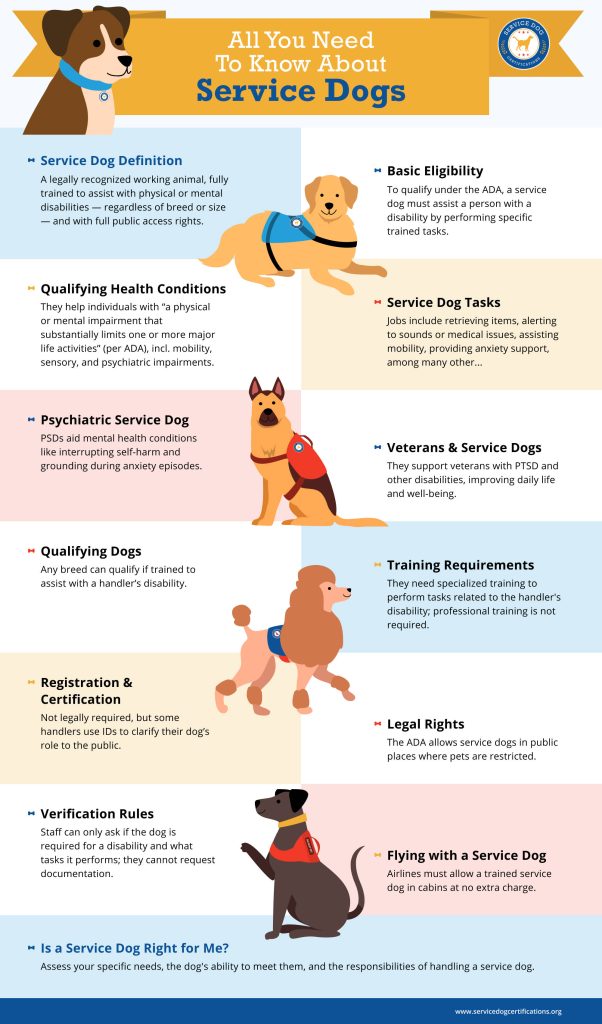
Credit: servicedogcertificates.org
Traveling With An Emotional Support Dog
Traveling with an emotional support dog requires careful planning and knowledge of current rules. Understanding travel policies makes the journey smoother. Emotional support dogs provide comfort and reduce anxiety during travel. Knowing your rights and the rules helps avoid stress and surprises at airports, hotels, or public places.
Airline Policies In 2025
Airlines have updated their rules for emotional support dogs in 2025. Many now treat emotional support dogs as pets, not service animals. This change means:
- Advance notice and documentation are often required.
- Dogs must meet size and behavior standards.
- Some airlines charge fees for emotional support animals.
Always check the specific airline’s website before booking. Carry your dog’s ESA letter and vaccination records. Arrive early to allow time for extra screenings.
Housing Rights
Emotional support dogs have housing protections under federal law. Landlords must allow ESAs even if pets are not usually allowed. You need to provide:
- A valid ESA letter from a licensed mental health professional.
- Proof that the animal helps with a disability.
Landlords cannot charge pet fees for ESAs. However, tenants must keep the dog well-behaved and clean. Know your local laws as some places may have additional rules.
Public Access Guidelines
Emotional support dogs do not have full public access like service dogs. They are allowed in housing and on flights but not everywhere else. Public places such as restaurants and stores can deny entry to ESAs. Tips for public outings include:
- Keep your dog calm and under control.
- Use a vest or ID to identify the ESA.
- Respect venue policies and be ready to explain your ESA’s role.
Understanding these guidelines helps avoid conflicts and ensures a pleasant experience.
Maintaining Your Dog’s Well-being
Maintaining your emotional support dog’s well-being is key to a happy and healthy life. A well-cared-for dog performs better in providing comfort and support. Care routines help prevent illness and stress. Focus on health, mental activity, and grooming to keep your dog strong and calm.
Regular Health Checkups
Schedule vet visits every six months for your dog. These checkups catch health issues early. Vaccinations and parasite control protect your dog from diseases. Regular dental care is important to avoid pain and infections. Keep a health record to track your dog’s progress.
Mental Stimulation And Exercise
Provide daily walks to keep your dog active and fit. Play games that challenge your dog’s mind, like fetch or puzzle toys. Training sessions help your dog learn new skills and stay focused. Mental stimulation reduces anxiety and unwanted behaviors. A tired dog is a happy dog.
Grooming And Care
Brush your dog’s coat regularly to prevent mats and shedding. Bath your dog as needed using gentle shampoos. Check ears and clean them to avoid infections. Trim nails to prevent discomfort and injuries. Good grooming keeps your dog comfortable and relaxed.

Credit: fastesaletter.com
Frequently Asked Questions
What Is An Emotional Support Dog?
An emotional support dog provides comfort to people with mental health issues. They help reduce anxiety and stress. Unlike service dogs, they do not require special training to perform tasks.
How To Qualify For An Emotional Support Dog?
You must have a diagnosed mental health condition. A licensed therapist or doctor must recommend an emotional support dog. The recommendation must be in a formal ESA letter.
Where To Find A Trained Emotional Support Dog?
You can adopt from shelters or buy from reputable breeders. Some organizations specialize in training ESA dogs. Always verify the dog’s temperament and training before adoption.
What Training Does An Emotional Support Dog Need?
Basic obedience training is essential for good behavior. Emotional support dogs must be calm and well-socialized. Specialized training is not mandatory but can help.
Conclusion
Getting a trained emotional support dog takes time and effort. Choose a dog that matches your needs and lifestyle. Train your dog with patience and consistency. Work with professionals if needed for better results. Remember, an emotional support dog offers comfort and companionship.
This bond can improve your daily life and well-being. Stay committed and enjoy the journey with your new friend.