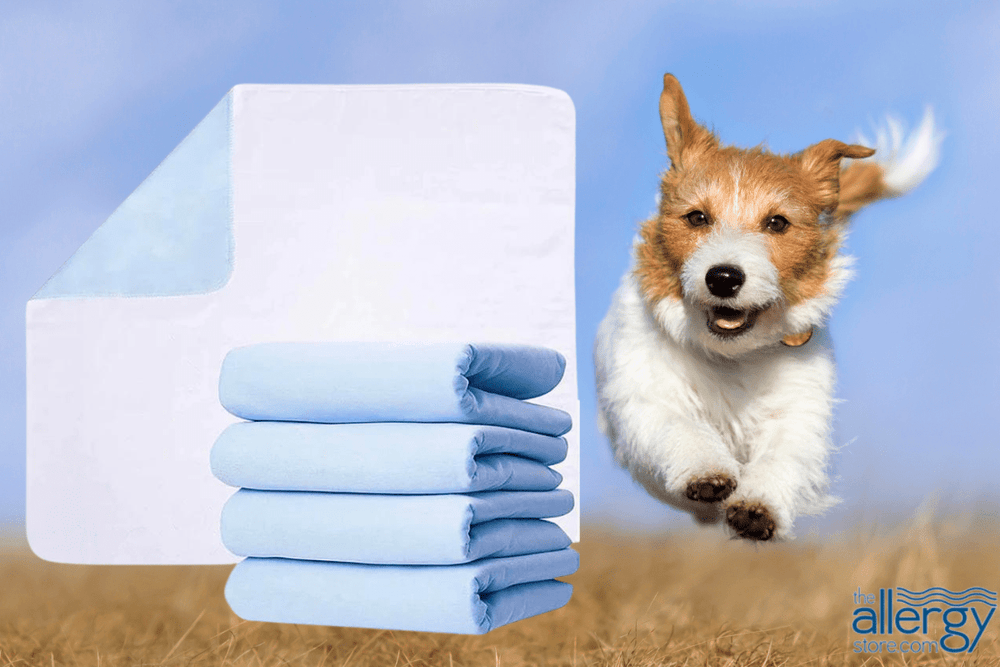

Training your dog to use puppy pads can make life so much easier for both of you. Imagine having a clean home without constant accidents on the floor.
You might wonder, “Where do I start? How do I get my dog to understand what to do? ” This guide will give you simple, clear steps to help your furry friend learn quickly and confidently. By the end, you’ll feel more in control and proud of your pup’s progress.
Ready to make potty training stress-free? Let’s dive in!
Choosing The Right Puppy Pads
Choosing the right puppy pads is a crucial step in training your dog to use them effectively. The right pad can make the process easier for both you and your puppy, reducing accidents and encouraging good habits. Let’s break down what to look for to find the best fit for your furry friend.
Types Of Puppy Pads
Puppy pads come in different materials and designs. Some are basic disposable pads with a plastic backing to prevent leaks. Others have built-in attractants that encourage puppies to use them, which can speed up training.
Reusable cloth pads are an eco-friendly option, but they require washing and might not be as absorbent. Think about your lifestyle and how much effort you want to put into maintenance when choosing the type.
Size And Absorbency
Size matters a lot. A pad that’s too small can lead to messy accidents outside its borders. Choose a size that fits your puppy’s current size, but also consider their growth.
Absorbency is key to preventing leaks and odors. Some pads can hold several cups of liquid, which is helpful if you’re not able to change them frequently. Have you noticed if your puppy tends to have larger or smaller bathroom needs? This can guide your choice.
Placement Tips
Where you place the pad affects how quickly your dog learns to use it. Put the pad in a quiet, low-traffic area where your puppy feels safe. Avoid spots near their food and water bowls to prevent confusion.
Keep the pad consistent in one spot. Moving it around can confuse your puppy and slow down training. Have you tried placing a pad near the door your puppy usually goes out from? This can help connect indoor and outdoor bathroom routines.

Credit: www.amazon.ca
Preparing Your Space
Setting up the right environment is crucial before you start teaching your dog to use puppy pads. A well-prepared space reduces confusion and helps your puppy understand exactly where they should go. Think about how you would react if your own bathroom was always changing—consistency matters.
Creating A Puppy Pad Area
Choose a quiet spot with low foot traffic for your puppy pad. This helps your dog feel safe and less distracted when they need to go. Place the pad on a flat surface and make sure it’s easy for your puppy to find.
Keep the area clean and dry. Use a tray or holder to prevent the pad from slipping or soaking into the floor. Adding a small barrier around the pad can also signal to your puppy that this is their designated spot.
Limiting Access To Other Areas
To avoid accidents, restrict your puppy’s access to rooms without puppy pads. Use baby gates or close doors to keep your puppy in the training zone. This helps them focus on using the pad instead of exploring forbidden spots.
Supervise your puppy closely during the initial training days. If you catch them sniffing or circling outside the pad area, gently guide them back. Have you noticed how puppies respond better when their environment is simple and clear?
Introducing Puppy Pads To Your Dog
Place the puppy pad in a quiet, accessible spot to encourage your dog to use it. Reward your dog with praise or treats each time they go on the pad to build positive habits. Keep a close eye and guide your dog to the pad regularly for best results.
Introducing puppy pads to your dog can feel like a daunting task, but with patience and consistency, it becomes an enjoyable journey for both you and your furry friend. The key is to make the pads part of their environment in a way that feels natural and rewarding. Here’s how you can smoothly introduce puppy pads to your dog and encourage them to use them effectively.Encouraging Exploration
Place the puppy pad in an area your dog frequents. This creates a sense of familiarity and curiosity. Allow your dog to sniff and inspect the pad at their own pace. Dogs are naturally inquisitive, and this exploration helps them understand that the pad is a part of their space. Reward your dog with a treat or praise when they show interest. This positive reinforcement links the pad with a pleasant experience, making your dog more inclined to use it.Using Commands And Signals
Introduce simple commands like “go potty” or “use the pad” during training sessions. Consistency is crucial; use the same phrase every time to build a clear association. Combine verbal cues with hand signals to reinforce the message. Dogs often respond well to visual signals, so showing them where to go can be very effective. Patience is key. If your dog doesn’t respond immediately, remain calm and try again later. With time, they will associate the command with the action you desire. By integrating these steps, you create a supportive environment where your dog feels comfortable and encouraged to use the puppy pads. Have you tried any of these methods, or do you have unique tips that worked for you? Share your thoughts and experiences in the comments below!Establishing A Routine
Establishing a routine is key when training your dog to use puppy pads. Dogs thrive on consistency, so setting clear expectations helps them understand what you want. Creating a schedule also reduces accidents and builds confidence in your pet.
Feeding And Potty Schedules
Your dog’s feeding times directly impact when they need to go potty. Try to feed your puppy at the same times every day. This predictability makes it easier to anticipate when they will need to use the puppy pads.
Keep a simple chart or note of your puppy’s eating and potty times. For example, if your pup eats breakfast at 8 AM, expect a potty break around 9 to 10 AM. Adjust based on your dog’s signals and habits.
Regular Breaks For Potty Time
Offering regular potty breaks is crucial, especially during the early training days. Take your puppy to the designated pad frequently—every 1 to 2 hours—so they get used to the spot.
Watch for signs like sniffing or circling, which often mean your dog needs to go. Promptly guiding them to the pad reinforces good behavior and speeds up learning.
Have you noticed how much faster puppies learn when you catch their signals early? Paying attention and responding quickly can make all the difference in training success.
Positive Reinforcement Techniques
Positive reinforcement techniques help your dog learn to use puppy pads quickly. These methods focus on encouraging good behavior instead of punishing mistakes. Dogs respond well to praise and rewards, making training easier and more enjoyable for both of you.
Consistency is key. Rewarding your dog every time they use the pad correctly helps them understand what you want. Keep your tone happy and encouraging to build a strong connection.
Rewarding Successful Use
Give your dog a treat right after they use the puppy pad. This creates a clear link between the action and the reward. Use small, tasty treats that your dog loves.
Praise your dog with a cheerful voice and gentle petting. Words like “Good job!” or “Well done!” work well. Some dogs also enjoy a favorite toy as a reward.
Timing is important. Deliver the reward immediately so your dog knows what they did right. Repeat this every time your dog uses the pad successfully.
Avoiding Punishment
Never scold or punish your dog for accidents. This can cause fear and confusion. Dogs may hide their accidents, making training harder.
Focus on teaching rather than punishing. Clean accidents calmly without drawing attention. Use an enzymatic cleaner to remove odors fully.
Be patient and gentle. Training takes time. Positive reinforcement builds trust and encourages your dog to repeat good behavior.
Managing Accidents
Accidents happen, especially when your puppy is still learning where to go. Managing these moments with patience and the right approach is key to successful puppy pad training. How you handle accidents can either keep your training on track or create confusion for your dog.
Cleaning Up Properly
Cleaning up accidents quickly and thoroughly is crucial. Use an enzymatic cleaner designed for pet messes to remove odors that might attract your puppy back to the same spot.
A simple wipe with water or standard cleaner won’t cut it. The scent can linger, encouraging repeat accidents. Have your cleaning supplies ready to act fast—this shows your puppy where not to go without punishment.
Redirecting To Puppy Pads
After cleaning, gently guide your puppy to the puppy pad. This helps them connect the idea that the pad is the right place to relieve themselves.
Use positive reinforcement like treats or praise when they use the pad correctly. If you catch your puppy about to go elsewhere, interrupt calmly and take them to the pad immediately.
Have you noticed your puppy prefers a certain spot? Place the pad there to make the transition easier. Consistency in location helps your dog learn faster and reduces accidents.
Gradual Transition Off Puppy Pads
Transitioning your dog off puppy pads requires patience and a clear plan. Sudden changes can confuse your pup and slow progress. A gradual approach eases your dog into outdoor potty habits without stress.
Reducing Pad Size
Start by making the puppy pad smaller each week. Cut the pad down in size so your dog has less space to use. This encourages them to aim more precisely and prepares them for outdoor potty spots.
Watch how your dog reacts to the smaller pad. If accidents happen, pause shrinking for a few days. Consistency here builds confidence and helps your dog understand the new expectation.
Moving Pads Closer To Outdoors
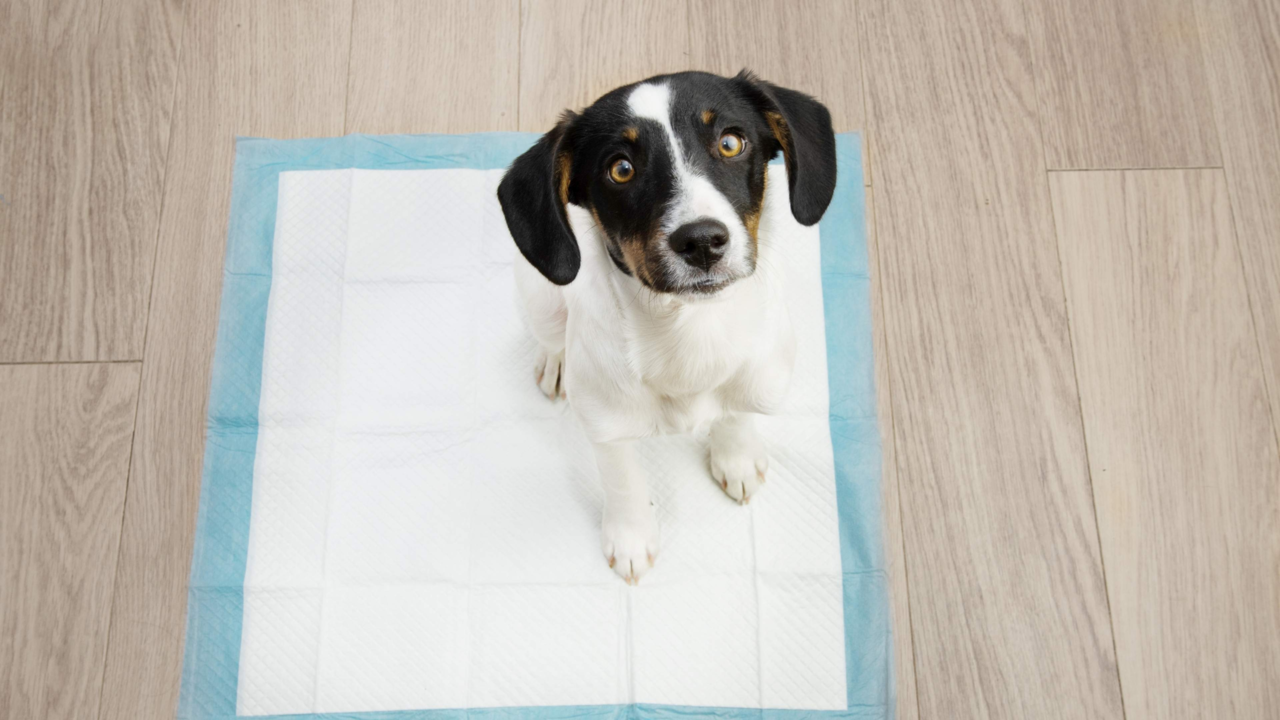
Shift the puppy pad toward the door leading outside, a few inches every few days. This simple change connects the indoor potty spot with the outdoor area.
Eventually, place the pad just inside the door. This makes the door the natural exit point for bathroom breaks. Your dog will start associating the door with going outside to potty.
Ask yourself: how does your dog respond to the changing pad location? If they seem hesitant, spend extra time rewarding outdoor potty attempts before moving the pad again.
Credit: petdirect.co.nz

Credit: zigzag.dog
Frequently Asked Questions
How Long Does It Take To Train A Dog With Puppy Pads?
Training time varies but usually takes 1-3 weeks. Consistency and positive reinforcement speed up learning. Patience is key during this period.
Where Should I Place Puppy Pads For My Dog?
Place puppy pads in a quiet, accessible area. Avoid high-traffic spots to help your dog feel safe and comfortable.
How Often Should I Change Puppy Pads During Training?
Change puppy pads frequently, ideally after each use. This keeps the area clean and encourages your dog to use pads consistently.
Can All Dog Breeds Learn To Use Puppy Pads?
Yes, most breeds can learn with proper training. Smaller breeds often adapt faster, but patience works for all sizes.
Conclusion
Training a dog to use puppy pads takes time and patience. Keep a regular schedule for feeding and potty breaks. Praise your dog each time they use the pad correctly. Clean any accidents quickly to avoid confusion. Use the same spot for placing the pads.
Consistency helps your dog learn faster. Remember, every dog learns at its own pace. Stay calm and positive throughout the process. Soon, your dog will feel comfortable using the pads. This makes life easier for both of you. Keep practicing, and success will follow.