
Are you wondering when your puppy should start eating adult dog food? Choosing the right time to make this switch is important for your dog’s health and growth.
Feeding your dog the wrong type of food can affect their energy, weight, and overall well-being. You’ll discover the best age to switch to adult food and learn how to make the transition smooth and safe for your furry friend.
Keep reading to ensure you’re giving your dog the nutrition they need at every stage of life.
Puppy Growth Stages
Understanding your puppy’s growth stages is key to knowing when to switch from puppy food to adult dog food. Puppies don’t grow at the same pace, and their nutritional needs change as they develop. Paying attention to these stages helps you provide the right nutrients at the right time.
From Newborn To Teenager
Puppies go through rapid changes from birth to adolescence. During the first few weeks, they rely entirely on their mother’s milk or a special formula. This phase demands food rich in fats and proteins to support brain and body development.
Once they start weaning at around 3 to 4 weeks, they begin eating soft puppy food. This stage lasts until about 6 months, when their growth starts to slow down but remains steady. Around 12 months, many dogs reach adolescence, marking the time to consider switching to adult food.
Have you noticed your puppy’s energy levels or appetite shifting as they grow? These changes often signal that their diet needs an update.
Breed Size And Growth Rate
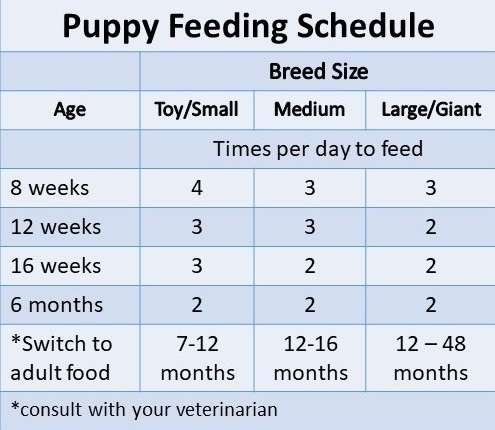
Not all puppies grow the same way—breed size dramatically affects how quickly they mature. Small breeds like Chihuahuas often reach adult size by 9 to 12 months. Larger breeds, such as Labradors or German Shepherds, might keep growing until they are 18 to 24 months old.
Because of this, switching to adult food depends largely on your dog’s breed size. Feeding a large breed puppy adult food too early can stunt growth or cause health issues. Conversely, small breeds may require adult food sooner to avoid excess weight gain.
- Small breeds:Switch around 9-12 months
- Medium breeds:Switch around 12 months
- Large breeds:Switch around 18-24 months
Have you checked your vet about your puppy’s breed-specific growth timeline? Their advice can save you from costly dietary mistakes.
When To Transition
Knowing the right time to switch your dog from puppy food to adult food is important. The transition depends largely on your dog’s breed and size. Puppies need extra nutrients for growth, but these needs change as they mature. Feeding adult food too early or too late can affect their health. Watch for signs of maturity and growth rate to decide the best time.
Small Breeds Timeline
Small breed dogs grow quickly. Most small breeds reach full size by 9 to 12 months. At this stage, their energy and nutritional needs begin to resemble adult dogs. Switching to adult food around 9 to 12 months supports their steady growth and maintenance. Monitor your dog’s weight and activity to adjust feeding as needed.
Medium And Large Breeds Timeline
Medium and large breeds take longer to mature. Their growth continues up to 12 to 18 months. These breeds benefit from staying on puppy food longer to support bone and muscle development. Transition to adult food between 12 and 18 months. Make the change gradually to avoid digestive issues.
Giant Breeds Timeline
Giant breeds grow at a slower pace. Their growth may last up to 18 to 24 months. Puppy food for giant breeds is specially formulated to control growth rate and prevent joint problems. Switch to adult food only after 18 months, sometimes closer to 2 years. Consult your vet for the best timing based on your dog’s progress.
Signs Your Dog Is Ready
Puppies begin showing signs like slower growth and less hunger as they near adulthood. Their teeth also change, signaling readiness for adult food. Usually, this switch happens between 9 to 12 months of age.
Determining the right time to switch your dog from puppy food to adult food can be crucial for their health and development. Recognizing the signs that indicate your furry friend is ready for this transition ensures they get the proper nutrients they need for their specific life stage. Let’s explore some key indicators that your dog is ready to make the switch.Behavioral Changes
You might notice your dog showing less interest in their puppy food. This could be a sign that their nutritional needs are changing. As dogs mature, their energy levels can stabilize, and they may naturally crave a diet that supports their new, less rambunctious lifestyle. Another behavioral change to watch for is your dog’s eating patterns. If they start leaving food in their bowl or seem more interested in what you’re eating, it might be time for a dietary change. My own dog, Max, started sniffing around the kitchen more often when he was ready for adult food, signaling his readiness for more complex flavors and textures.Physical Indicators
Size and weight are significant physical indicators. Once your dog has reached around 80% of their expected adult size, it’s usually time to consider transitioning to adult food. This is because their growth rate slows, reducing their need for the high-calorie content found in puppy food. Observe any changes in your dog’s coat and overall health. A healthy, shiny coat and maintained weight can indicate they are getting the right nutrients. However, if you notice a dull coat or weight gain, it might be a sign to adjust their diet to adult food, ensuring they receive balanced nutrition without excess calories. Is your dog showing any of these signs? Making the switch at the right time can support their health and happiness. Always consult with your vet to tailor the best dietary plan for your pet’s unique needs.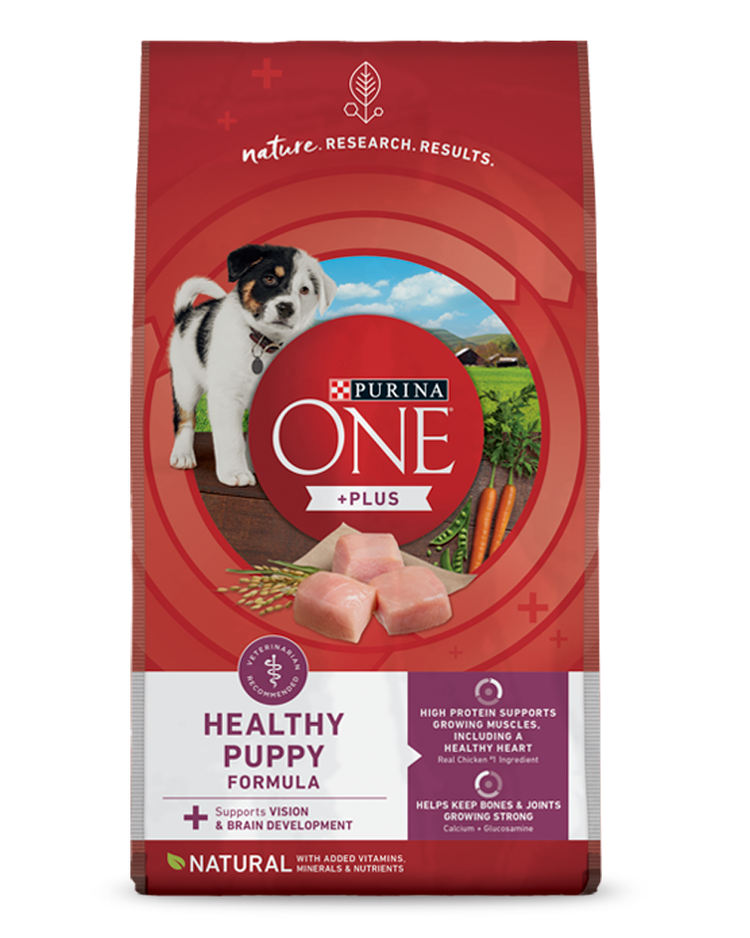
Credit: www.purina.com
Choosing The Right Adult Food
Choosing the right adult food for your dog is key to their health and happiness. Adult dogs have different needs than puppies. Their food should support steady energy, maintain weight, and keep their coat shiny. Selecting the right formula helps your dog stay active and strong through all life stages.
Nutritional Needs
Adult dogs need balanced nutrition. Protein supports muscle health. Fats provide energy and help absorb vitamins. Carbohydrates supply fuel for daily activity. Vitamins and minerals strengthen bones and immunity.
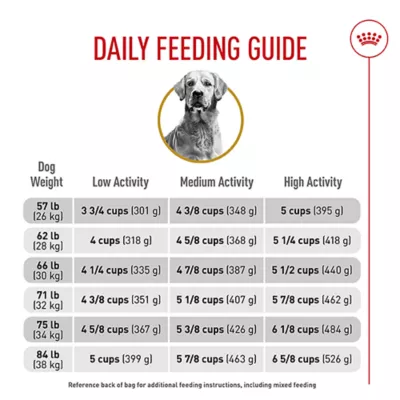
Portion size matters too. Overfeeding leads to weight gain. Underfeeding causes weakness. Choose food that fits your dog’s size, breed, and activity level.
Ingredient Quality
High-quality ingredients ensure your dog gets real nutrition. Look for named meats like chicken or beef. Avoid foods with fillers like corn or soy. Natural sources of vitamins and minerals are best.
Check the label for preservatives and artificial colors. Foods free from these additives are safer and better for long-term health.
How To Switch Foods Safely
Switching your dog from puppy food to adult food requires care. Sudden changes can upset their stomach and cause discomfort. A smooth change helps your dog adjust well. It also keeps them healthy and happy during the switch.
Gradual Transition Tips
Start by mixing a small amount of adult food with puppy food. Increase the adult food portion over 7 to 10 days. Watch your dog’s eating habits and energy levels. Keep fresh water available at all times. Use the same feeding schedule to avoid confusion.
- Day 1-3: 25% adult food, 75% puppy food
- Day 4-6: 50% adult food, 50% puppy food
- Day 7-9: 75% adult food, 25% puppy food
- Day 10: 100% adult food
Avoiding Digestive Upset
Watch for signs of upset like vomiting or diarrhea. If symptoms appear, slow the transition. Offer smaller meals more often to help digestion. Avoid giving treats or human food during the switch. Consult your vet if problems persist or worsen.
Common Mistakes To Avoid
Switching a dog to adult food is an important step in their growth. Many dog owners make errors that can affect their pet’s health. Avoiding these mistakes ensures your dog gets the right nutrition at the right time.
Switching Too Early
Changing a puppy to adult food too soon can cause problems. Puppies need extra nutrients for growth and development. Adult food lacks these essential nutrients. This can lead to poor bone growth and weaker immunity. Wait until your puppy reaches the correct age for their breed. Always check with your vet before switching food.
Ignoring Breed Differences
Not all dogs grow at the same rate. Small breeds mature faster than large breeds. Large breeds need puppy food for a longer time. Ignoring these differences can cause health issues. Feeding adult food too early to large breeds can lead to joint problems. Understand your dog’s breed needs to provide the best diet. Consult your vet for personalized advice.
Veterinary Advice And Recommendations
Veterinary advice plays a key role in deciding when to switch your dog to adult food. Every dog grows differently. Their breed, size, and health condition influence the best time to change their diet. Vets help guide you with expert knowledge. They ensure the transition supports your dog’s growth and well-being.
Consulting Your Vet
Your veterinarian knows your dog’s health history. They can recommend the right age to switch food. Usually, small breeds move to adult food around 9 to 12 months. Larger breeds may need puppy food longer, up to 18 months. A vet exam checks your dog’s weight, teeth, and activity level. These factors help decide the proper time for change.
Discuss any concerns like allergies or digestive issues. Vets suggest specific brands or formulas based on health needs. They also advise on how to gradually introduce adult food. This helps avoid stomach upset and keeps your dog happy.
Regular Health Checkups
Regular vet visits track your dog’s growth and health. They spot any problems early. Weight gain, coat condition, and energy levels show if the diet suits your dog. Checkups allow vets to adjust food plans as needed. This ensures your dog gets balanced nutrition at every stage.
Keep a schedule for health checks. Puppies often need more frequent visits. Adult dogs benefit from yearly exams. These visits offer a chance to ask questions about diet and care. Following vet advice helps maintain your dog’s vitality and strength over time.
Credit: www.vetsupply.com.au
Credit: www.chewy.com
Frequently Asked Questions
When Should Puppies Switch To Adult Dog Food?
Puppies should switch to adult dog food between 9 to 12 months. Large breeds may switch later, around 12 to 18 months. This timing supports healthy growth and development while meeting their nutritional needs.
How Do I Know If My Dog Is Ready For Adult Food?
Signs include reaching 80% of their adult size, slower growth, and increased activity. Consult your vet for specific breed recommendations to ensure proper timing and nutrition.
Can Switching To Adult Food Too Early Harm My Dog?
Yes, switching too early can cause nutrient deficiencies and digestive issues. Puppies need higher protein and fat levels; adult food may not meet these needs. Always follow age and breed guidelines for feeding.
What Are The Benefits Of Adult Dog Food?
Adult dog food supports maintenance, balanced nutrition, and healthy weight. It contains appropriate protein, fat, and calorie levels for mature dogs, helping to prevent obesity and promote long-term health.
Conclusion
Switching your dog to adult food at the right age helps keep them healthy. Most dogs need this change between 12 and 18 months. Watch their size, breed, and energy to decide the best time. Adult food supports growth and maintains good weight.
Feeding the right food avoids stomach problems and nutrient gaps. Always check with your vet if unsure about the switch. Careful feeding means a happier, healthier dog for years. Simple steps make a big difference in your dog’s life.