
Are you wondering when your dog will finally be fully potty trained? You’re not alone.
Potty training can feel like a long, confusing process filled with accidents and frustration. But knowing exactly when your dog has mastered this skill can make a huge difference in your daily routine and peace of mind. You’ll discover the clear signs that show your dog is truly potty trained—and what you can do to help them get there faster.
Keep reading to make potty training easier for both you and your furry friend.

Credit: k9connoisseur.com
Potty Training Basics
Potty training your dog is a key part of welcoming them into your home. It requires patience, consistency, and understanding your pet’s unique needs. Mastering the basics can make the process smoother for both of you.
Signs Of Readiness
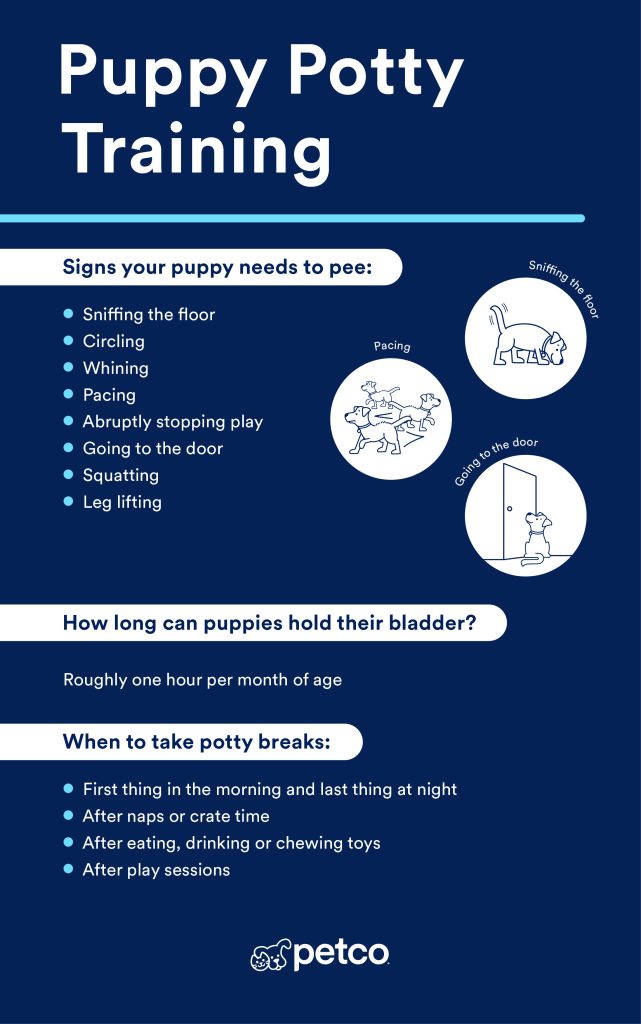
How do you know your dog is ready to start potty training? Watch for signals like staying dry for longer periods and showing interest in going outside. Puppies often sniff or circle before needing to go, which can be your cue to act quickly.
Recognizing these signs early helps prevent accidents and builds your dog’s confidence. If your dog isn’t showing these behaviors yet, it’s okay to wait a bit longer before starting training.
Choosing A Training Spot
Pick one specific outdoor spot for your dog to use consistently. This helps your dog associate that area with bathroom breaks, speeding up the learning process. Keep the spot quiet and free of distractions to help your dog focus.
Think about convenience too. Will you be able to take your dog there easily multiple times a day? Your choice can either support or slow down the training progress.
Establishing A Routine
Dogs thrive on routine, especially during potty training. Set regular times for bathroom breaks, such as first thing in the morning, after meals, and before bedtime. This predictability helps your dog understand when to expect outdoor time.
Consistency is key—try to stick to the schedule even on weekends or when you’re busy. Have you noticed how your dog’s behavior changes on days without a routine? That’s a sign how important this step really is.
Credit: pomeranian.org
Typical Potty Training Timeline
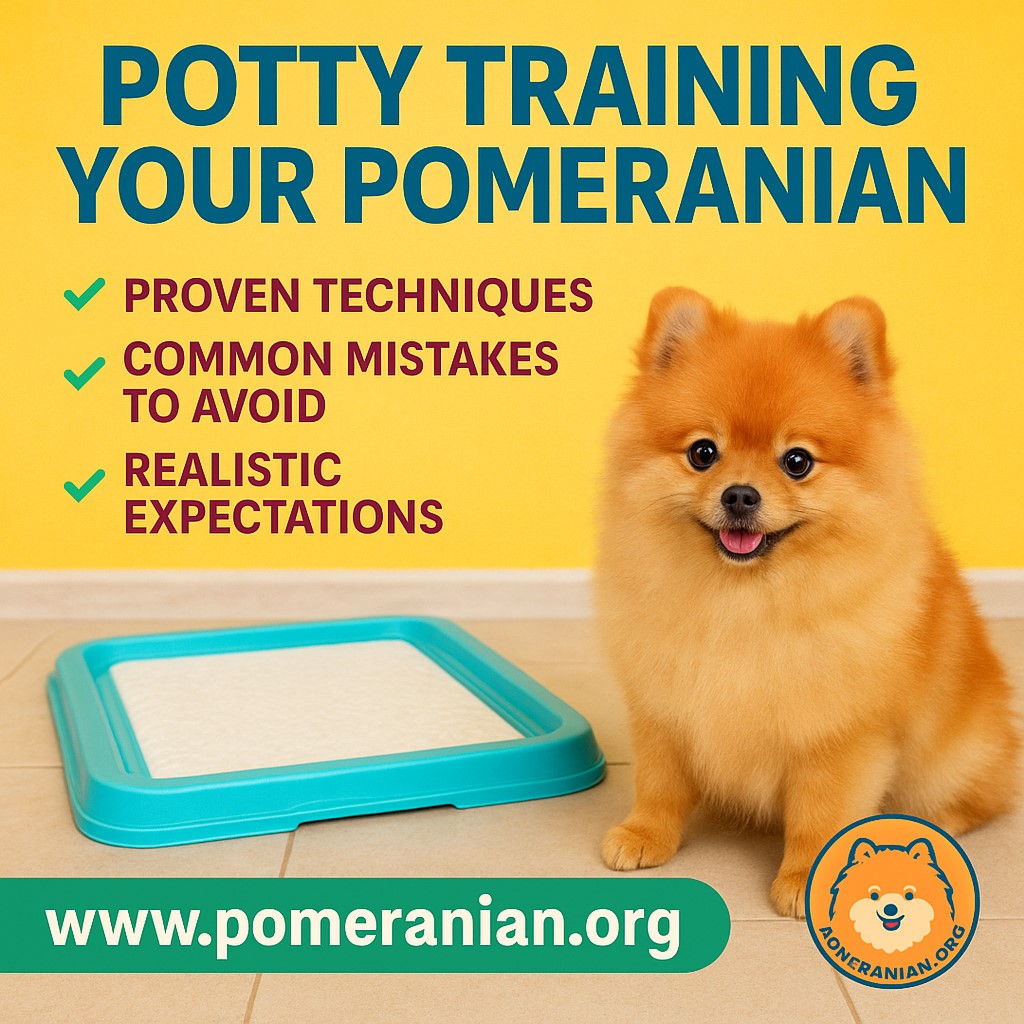
Understanding the typical potty training timeline helps you set realistic expectations and stay patient throughout your dog’s learning process. Every pup moves at their own pace, but knowing common milestones and challenges can guide your efforts. Let’s break down what usually happens as your dog grows and learns where to go.
Puppy Stage Milestones
During the first few weeks, puppies have very little bladder control. Expect frequent accidents—sometimes every 30 minutes to an hour. By around 8 to 12 weeks, many puppies start recognizing where they should potty, especially if you’re consistent with taking them outside.
Between 3 and 6 months, your dog’s bladder capacity improves, and they begin to hold it longer. You might notice fewer accidents and more intentional potty trips. This stage is crucial for reinforcing positive habits and using praise or treats to encourage your pup.
Common Challenges By Age
- 8-12 weeks:Frequent accidents are normal; puppies need constant supervision.
- 3-6 months:Excitement or distractions can cause accidents even if your puppy knows better.
- 6-12 months:Some dogs regress during adolescence, testing boundaries or reacting to stress.
Recognizing these challenges helps you stay calm and adjust your approach rather than getting frustrated. Have you noticed your dog suddenly having accidents after months of success? It might be a phase, not failure.
When To Expect Full Training
Most dogs reach full potty training between 6 and 12 months, but some take longer. Smaller breeds often take more time, while larger dogs may mature faster in this area. Your consistency, your dog’s personality, and even their environment all play a role.
Remember, “fully potty trained” means your dog can hold it for several hours and signals when they need to go out. If your dog is still struggling past a year, consider consulting a vet or trainer to rule out medical or behavioral issues.
Key Training Tips
Training a dog to be fully potty trained requires patience and consistency. To achieve this, it’s important to use effective strategies that make learning easy for your pet. Here are some key training tips that can help guide you through the process.
Positive Reinforcement Techniques
Reward your dog for doing its business in the right spot. Use treats, praise, or playtime as rewards. This encourages your dog to repeat the behavior. Consistency is crucial. Reward every successful attempt promptly. This strengthens the association between the action and the reward.
Handling Accidents Calmly
Accidents happen, and it’s vital to remain calm. Do not punish your dog. This can create fear and confusion. Instead, clean the area thoroughly to remove any scent. Use pet-safe cleaners to avoid harmful chemicals. Ensure your dog has regular potty breaks to minimize accidents.
Using Crate Training Effectively
Crate training can be a useful tool. Dogs instinctively avoid soiling their sleeping area. Choose a crate size that allows your dog to stand and turn. Avoid giving too much space, which may encourage accidents. Gradually increase crate time as your dog becomes comfortable. Always provide plenty of potty breaks outside the crate.
Credit: www.purina.com
Factors Affecting Training Speed
Potty training speed varies widely among dogs. Many factors influence how quickly a dog learns to go outside. Understanding these can help set realistic expectations and improve training success. Some dogs pick up habits fast, while others need more time and care.
Breed And Size Differences
Small dogs often take longer to potty train than large dogs. Their bladders are smaller, so they need more frequent breaks. Some breeds are naturally easier to train due to their intelligence and temperament. For example, retrievers and border collies often learn faster than stubborn or independent breeds.
Health Considerations
Health issues can slow potty training progress. Urinary tract infections, digestive problems, or mobility issues make bathroom habits unpredictable. Puppies might have weak bladder control until they grow older. Regular vet checkups help rule out health problems during training.
Consistency And Patience
Training requires steady effort and calm patience. Dogs need a clear routine with regular bathroom breaks. Owners must reward good behavior and gently correct accidents. Inconsistent schedules or harsh punishments confuse dogs and delay progress. Patience builds trust and encourages faster learning.
Troubleshooting Setbacks
Potty training a dog can have ups and downs. Setbacks are common during this process. Identifying the reasons for these setbacks helps fix them quickly. Patience and understanding are key to overcoming challenges. Here are some common issues and ways to handle them.
Regression Causes
Dogs may start having accidents after being trained. Changes in routine or environment can cause this. Stress, illness, or a new pet can confuse a dog. Puppies might regress during teething or growth phases. Older dogs may forget training due to health problems. Watch for signs and adjust your training plan.
Dealing With Stubborn Behavior
Some dogs resist potty training rules. They may ignore signals or hide to go. Lack of consistency can worsen stubbornness. Use a calm, firm tone when correcting mistakes. Reward good behavior immediately to encourage learning. Avoid punishment; it can cause fear and confusion. Stay patient and keep training sessions short and positive.
When To Seek Professional Help
Persistent potty issues may need expert advice. Trainers or veterinarians can find hidden problems. Medical conditions like urinary infections need treatment. Behavioral specialists help with severe anxiety or fear. Seek help if accidents happen daily or worsen. Early intervention saves time and stress for both.
Frequently Asked Questions
When Do Puppies Usually Become Fully Potty Trained?
Puppies typically become fully potty trained between 4 to 6 months old. Consistent training and patience speed up this process. Each dog learns at its own pace, so some may take longer depending on breed and individual temperament.
How Long Does Full Potty Training Take?
Full potty training usually takes 4 to 6 months with regular practice. Consistency, routine, and positive reinforcement are key to success. Some dogs may require extra time due to age, past habits, or health conditions.
What Signs Show A Dog Is Fully Potty Trained?
A fully potty trained dog waits to go outside, signals bathroom needs, and rarely has accidents indoors. They understand where to eliminate and follow your established routine consistently, showing clear control over their bladder and bowel movements.
Can Adult Dogs Be Fully Potty Trained?
Yes, adult dogs can be fully potty trained with patience and consistent routines. Older dogs might take longer but can learn proper bathroom habits. Positive reinforcement and clear communication help adult dogs adapt to new training.
Conclusion
Potty training a dog takes time and patience. Each dog learns at its own pace. Consistency helps your dog understand the rules. Watch for signs your dog needs to go outside. Praise and reward good behavior often. Accidents will happen, but stay calm and keep trying.
Soon, your dog will be fully potty trained. Enjoy a cleaner, happier home with your well-trained pet. Keep practicing and your dog will succeed.