
Have you ever wished your dog could learn new tricks quickly and easily? What if training your furry friend could be fun, effective, and stress-free?
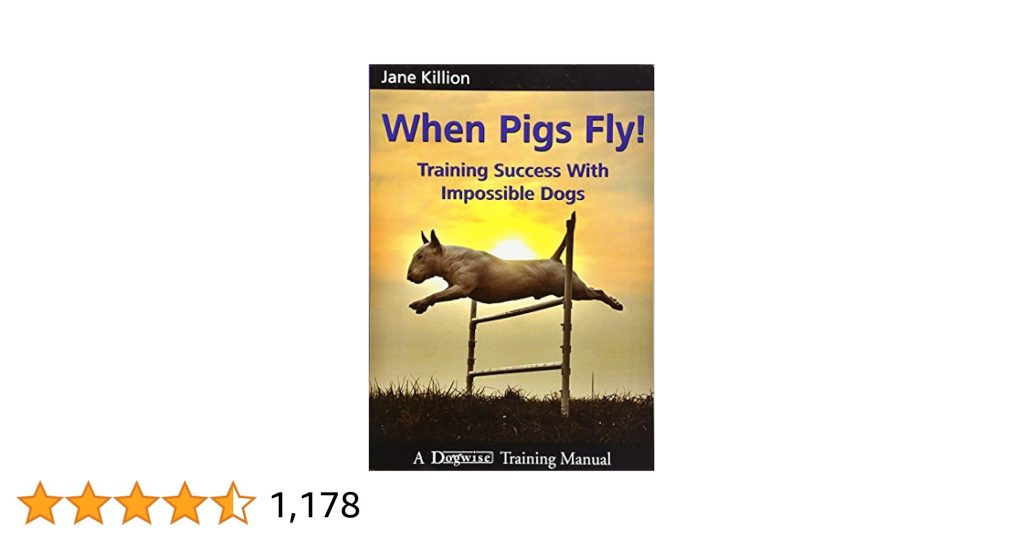
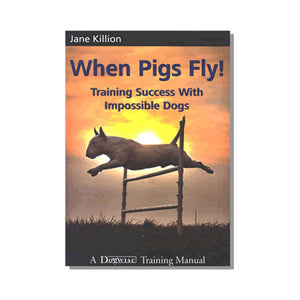
That’s exactly what When Pigs Fly Dog Training promises. Whether your dog is a playful puppy or a stubborn adult, you’ll discover techniques that really work. Keep reading to find out how you can transform your dog’s behavior and enjoy a stronger bond every single day.
Choosing The Right Training Approach
Choosing the right training approach for your dog is key to success. Each dog learns in its own way. A method that suits one dog may not suit another. Understanding your dog’s needs helps build a strong bond. Training becomes easier and more effective with the right strategy.
Positive Reinforcement Techniques
Positive reinforcement uses rewards to encourage good behavior. Treats, praise, and playtime work well as rewards. This approach builds trust and makes training fun. Dogs learn to repeat behaviors that earn rewards. It avoids fear and stress, creating a happy learning environment.
Consistency And Patience
Consistent training helps dogs understand expectations clearly. Use the same commands and routines every day. Patience is vital as dogs take time to learn. Avoid rushing or showing frustration during training sessions. Small, steady steps lead to lasting results and better behavior.
Tailoring Methods To Your Dog’s Personality
Each dog has a unique personality and learning style. Some dogs respond well to treats, others to toys or affection. Observe your dog’s reactions to different techniques. Adjust your training to match their preferences and energy levels. Personalized training keeps your dog engaged and motivated.
Credit: shop.clickertraining.com
Basic Commands Every Dog Should Know
Teaching your dog basic commands forms the foundation for a well-behaved and happy pet. These essential skills not only keep your dog safe but also strengthen your bond. You might be surprised how quickly your dog picks up these commands with consistent practice and patience.
Sit, Stay, And Come
Start with “Sit” to get your dog’s attention and build control. It’s often the first command dogs learn because it’s simple and effective.
“Stay” teaches your dog patience and discipline, preventing them from darting off when you don’t want them to. It requires practice in different environments to ensure reliability.
“Come” is critical for your dog’s safety, especially outdoors. Use a cheerful tone and reward your dog immediately when they respond, so they see it as a positive experience.
Leash Walking Skills
Walking your dog without pulling changes the whole experience for both of you. Teaching your dog to walk calmly on a leash prevents frustration and keeps your walks enjoyable.
Try stopping every time your dog pulls, and only move forward when the leash slackens. This simple technique teaches your dog that pulling won’t get them where they want faster.
Remember to praise your dog frequently when they walk beside you. Short, rewarding walks help reinforce good leash manners.
House Training Essentials
House training is one of the first challenges new dog owners face. Consistency and clear signals are key to helping your dog learn where and when to go.
Take your dog outside regularly, especially after meals and naps. Reward them immediately when they do their business outside to reinforce the behavior.
Accidents happen, but avoid punishment—it confuses your dog and slows progress. Instead, clean accidents thoroughly to remove odors and maintain a positive training environment.
Advanced Training Tips
Advanced training tips help improve your dog’s skills using clear commands and positive rewards. Consistent practice builds strong habits and trust between you and your pet. Patience and gentle guidance make learning easier for every dog.
When Pigs Fly Dog Training takes dog training to a new level with advanced techniques designed to improve not only obedience but also mental acuity and behavioral stability. These tips go beyond the basics to address complex issues and introduce engaging activities that keep your dog mentally stimulated. Whether you’re dealing with a stubborn behavioral problem or looking to teach your dog some impressive tricks, these advanced strategies are for you.Addressing Behavioral Issues
Behavioral issues can be frustrating, but they are not insurmountable. Start by identifying the root cause of the behavior. Is it anxiety, boredom, or perhaps a lack of exercise? Once you understand the cause, you can tailor a solution. For instance, if boredom is the issue, increase mental stimulation through interactive toys and training sessions. Consistency in your approach is key; small, daily changes can lead to significant improvements over time.Trick Training For Mental Stimulation
Teaching your dog new tricks is not just about impressing your friends. It’s a fantastic way to boost their cognitive skills. Dogs love challenges, and learning new tricks keeps their brains active. Start with simple tricks like shaking hands or rolling over, gradually moving to more complex tasks like fetching specific items. Use treats and praise to reward progress. What new trick will you and your dog master today?Using Clicker Training Effectively
Clicker training is a powerful tool if used correctly. The sound of the clicker serves as a clear signal to your dog that they have done something right. Timing is crucial—click at the exact moment the desired behavior occurs. Pair the click with a treat initially to build a strong association. Over time, your dog will understand that the click itself is the reward. Have you tried clicker training yet? The results can be astonishingly positive.Creating A Positive Training Environment
Creating a positive training environment is key to helping your dog learn effectively and enjoy the process. When your dog feels safe and motivated, they respond better to commands and pick up new skills faster. Small changes in where, when, and who is involved in training can make a big difference in your dog’s progress.
Choosing The Right Setting
Pick a quiet, familiar place where your dog feels comfortable and distractions are minimal. A calm backyard or a quiet room inside your home often works best. Avoid busy parks or noisy streets, especially when introducing new commands, to keep your dog focused.
Think about your dog’s personality too. If your dog is shy or easily scared, start training in a smaller, enclosed space before moving to bigger, open areas. This helps build confidence without overwhelming them.
Timing And Frequency Of Sessions
Keep training sessions short and sweet—about 5 to 15 minutes each—to hold your dog’s attention. Multiple short sessions throughout the day work better than one long session. Dogs, like people, learn best when they’re not tired or stressed.
Try to train when your dog is alert and not right after meals or playtime. How often can you realistically fit training into your daily routine? Consistency matters more than lengthy sessions.
Involving Family Members
Training is more effective when everyone in your household is on the same page. Make sure family members learn the commands and the rewards your dog responds to. This consistency helps your dog understand expectations better.
Invite your kids or spouse to join sessions. Their involvement can keep training fun and provide your dog with diverse social cues. Have you noticed how your dog reacts differently to each family member? Use this to your advantage by assigning roles during training.
Tracking Progress And Staying Motivated
Tracking progress and staying motivated are key parts of successful dog training. Clear tracking helps you see small wins. Motivation keeps you and your dog eager to learn more. This section offers practical ways to keep your training on track.
Setting Realistic Goals
Start with clear, simple goals for each training session. Break big tasks into small steps your dog can manage. This helps avoid frustration for both of you. Set goals that match your dog’s age and skill level. Adjust goals as your dog improves to keep training fresh.
Reward Systems That Work
Use rewards that your dog likes most. These can be treats, toys, or praise. Consistent rewards help your dog understand what is expected. Change rewards to keep your dog interested. Timing matters—give rewards immediately after good behavior.
Celebrating Milestones
Mark each success, no matter how small. Celebrating milestones builds confidence in your dog. It also keeps your motivation high. Use a journal or app to note progress. Share achievements with friends or trainers for support.
Credit: www.takealot.com

Credit: shop.clickertraining.com
Frequently Asked Questions
What Training Methods Does When Pigs Fly Dog Training Use?
When Pigs Fly Dog Training uses positive reinforcement techniques. They focus on reward-based training to encourage good behavior. This method builds trust and strengthens the bond between dogs and owners effectively.
How Long Does Training Usually Take With When Pigs Fly?
Training duration varies based on the dog’s age and behavior. Most dogs show improvement within a few weeks. Consistency and owner involvement speed up the training process significantly.
Can When Pigs Fly Train Aggressive Or Fearful Dogs?
Yes, they specialize in handling aggressive and fearful dogs. Their trainers use gentle, patient methods to reduce anxiety and improve behavior safely. Customized plans ensure each dog’s unique needs are met.
Do They Offer Group Or Private Dog Training Sessions?
When Pigs Fly offers both group and private sessions. Group classes are great for socialization, while private sessions provide personalized attention. Owners can choose based on their dog’s personality and training goals.
Conclusion
Training your dog takes time and patience. Small steps lead to big progress. Stay calm, consistent, and kind during sessions. Celebrate each success, no matter how small. Your dog will learn and grow with you. Trust the process and enjoy the journey.
Happy training makes a happy pet. Keep practicing to build a strong bond. Together, you can achieve great results.